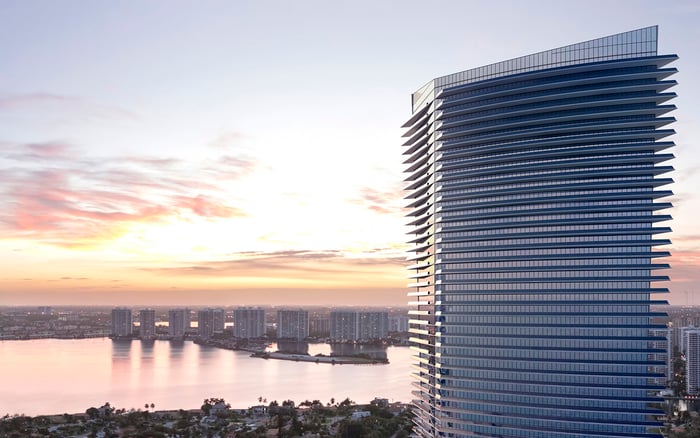
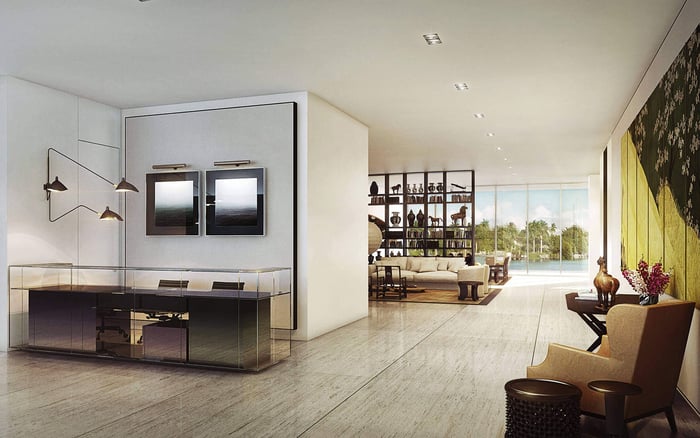
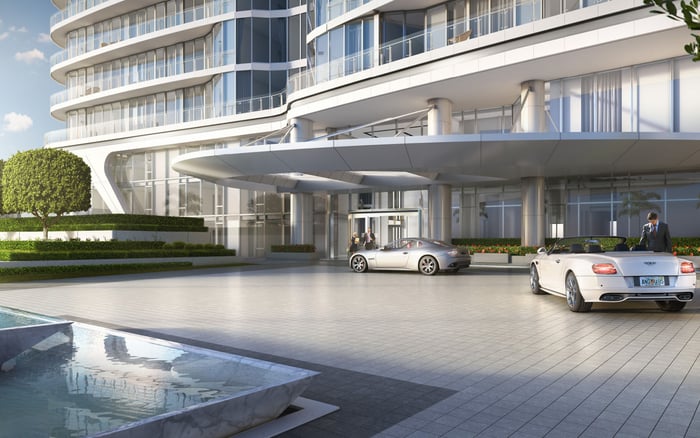
A buyer-focused editorial on how The Ritz-Carlton Residences® Miami Beach and The Ritz-Carlton Residences® West Palm Beach frame the next phase of hotel-backed luxury residences in South Florida.
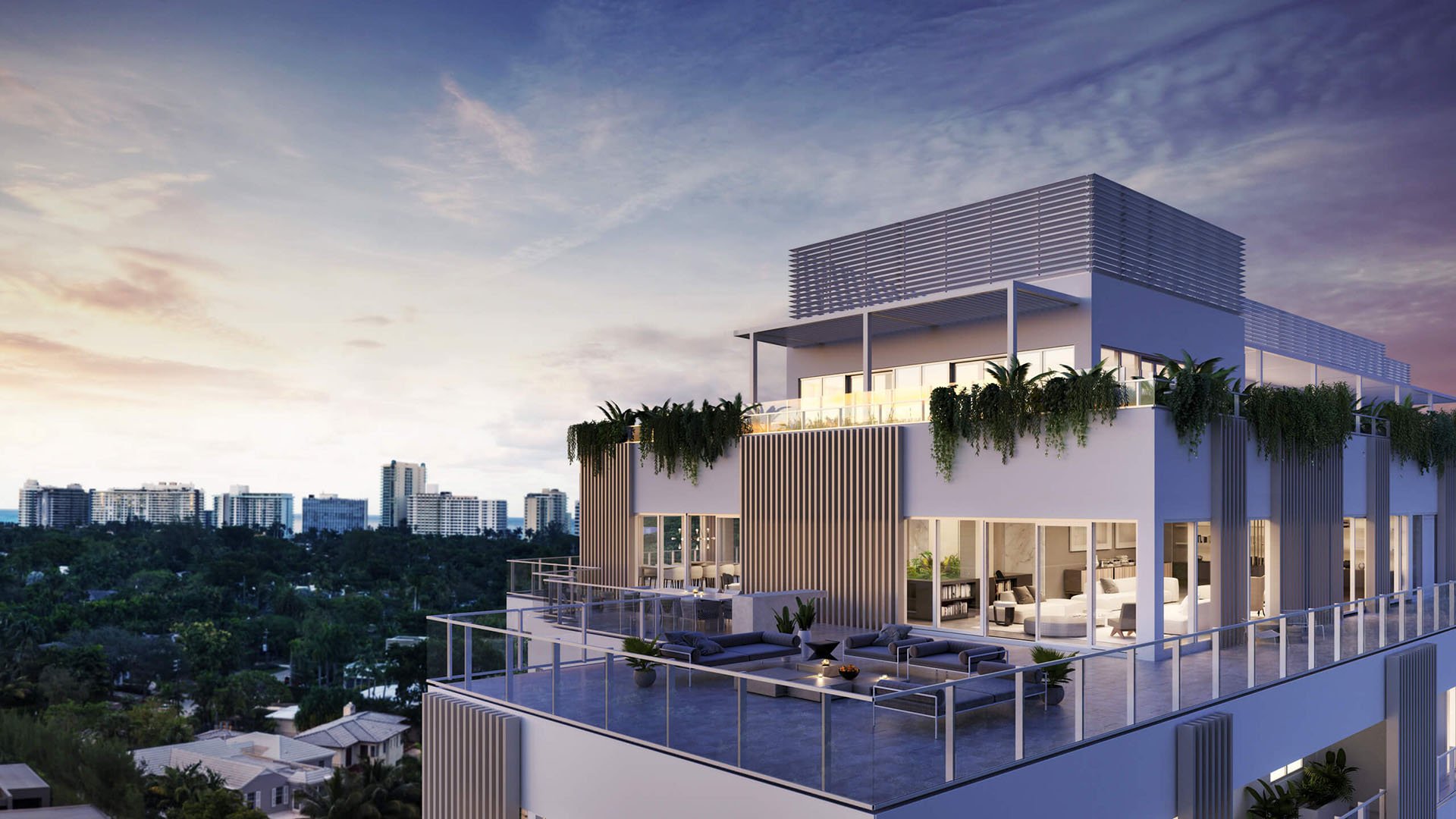
In South Florida, branded residences have evolved from novelty to reference point. For high-net-worth buyers, the appeal is no longer defined only by architecture, view, or address. It is the assurance that daily life can be handled with the fluency of a great hotel while remaining fully private and residential.
That is why The Ritz-Carlton Residences® Miami Beach and The Ritz-Carlton Residences® West Palm Beach are useful market signals. Together, they show how a hospitality name can do more than ornament a building. It can shape expectations around service culture, arrival experience, privacy, maintenance, and the emotional ease of ownership.
South Florida’s luxury audience is unusually mobile. Many owners divide time among multiple residences, travel frequently, and expect a home to perform even in their absence. In that context, hotel-backed residences answer a practical question: who is managing the details when the owner is not there?
Miami Beach has always balanced glamour with retreat. Its best residences need to feel connected to the city’s cultural current while still protecting owners from its volume. That is where a hotel-backed residential model becomes especially compelling. The value is not spectacle. It is orchestration.
For buyers considering Miami Beach, the service layer often matters as much as the physical home. A branded residence can signal a more disciplined approach to staffing, hospitality standards, and daily consistency. The name carries an expectation that arrival, security, maintenance, and guest handling are not incidental details, but core elements of the residential proposition.
This is also why nearby branded and hospitality-influenced offerings such as The Ritz-Carlton Residences® South Beach remain relevant in buyer conversations. They help define a Miami Beach luxury vocabulary in which privacy, walkability, beach culture, and service are not separate ambitions. They are expected to work together.
West Palm Beach is not Miami Beach by another name. Its luxury rhythm is more restrained, more residential, and increasingly attractive to buyers who want access to culture, dining, boating, Palm Beach, and private clubs without living inside the intensity of Miami.
Within that setting, The Ritz-Carlton Residences® West Palm Beach points to a mainland expression of the hotel-backed residence. The emphasis is less on resort theater and more on composed urban living. Buyers are looking for ease, polish, and a building that feels professionally operated from the moment they arrive.
The West Palm Beach luxury corridor has become more competitive, with projects such as Mr. C Residences West Palm Beach adding to the broader conversation around branded living. For buyers, this creates a useful comparison: how does each brand translate hospitality into residential life, and how well does that translation match the way the owner actually lives?
Lifestyle is often treated as a soft word in luxury real estate. In hotel-backed residences, it becomes operational. It is visible in staffing philosophy, service tone, common-area programming, arrival sequence, package handling, owner requests, and the quiet competence of the building team.
This is where brand-backed residences can create meaningful distinction. The buyer is not simply purchasing walls and views. The buyer is selecting a residential operating system. If that system is strong, ownership can feel lighter. If it is weak, even beautiful real estate can become demanding.
The best hotel-backed residences understand restraint. Service should be available without becoming intrusive. Amenities should feel useful rather than performative. Shared spaces should support daily life, not merely photograph well. South Florida buyers have become more sophisticated about this distinction, especially when comparing branded projects across Miami Beach, West Palm Beach, Sunny Isles, Brickell, and Palm Beach County.
The brand matters, but it should not be the only lens. A buyer should study how the residence is intended to live on an ordinary Tuesday, not only during a sales-gallery tour. How does the arrival feel? Is privacy intuitive? Are service areas discreet? Does the amenity program reflect real habits or marketing excess? Is the building positioned for primary living, seasonal use, or a hybrid pattern?
It is also worth considering the relationship between location and brand. A hospitality name should feel natural in its setting. In Miami Beach, that may mean a sense of sanctuary near the water and culture. In West Palm Beach, it may mean composure, access, and a refined daily cadence. Elsewhere, projects such as The Ritz-Carlton Residences® Pompano Beach show how the same broad category can take on a different tone depending on the coastline, neighborhood, and buyer profile.
The enduring question is simple: does the residence make life easier in a way that feels authentic to the owner? That is the difference between a branded address and a genuinely valuable branded home.
The Ritz-Carlton Residences® Miami Beach and The Ritz-Carlton Residences® West Palm Beach reveal a maturing market. Buyers are no longer impressed by branding alone. They are asking whether the brand improves daily life, protects time, supports privacy, and sustains long-term desirability.
For South Florida, that is an important shift. The region’s luxury market already has waterfront, skyline, and architectural drama. The next layer of competition is operational excellence. Hotel-backed residences are compelling because they promise that excellence in a format owners understand: a private home supported by a service culture.
What does hotel-backed residence mean in South Florida? It generally refers to a private residential property associated with a hospitality brand or service culture, where operations and lifestyle support are central to the appeal.
Why compare Miami Beach and West Palm Beach? They represent two different luxury rhythms: Miami Beach is more resort-oriented, while West Palm Beach is more composed and residential.
Are branded residences only about the name? No. The real value depends on how the brand influences service, staffing, privacy, design, and the daily ownership experience.
Does Miami Beach favor hotel-backed residences? Miami Beach can be especially compatible with the model because buyers often want resort-level ease with the privacy of a private home.
Why is West Palm Beach attracting this category? West Palm Beach appeals to buyers seeking sophistication, access, and a quieter form of luxury supported by polished residential operations.
Should buyers compare hotel-backed residences with non-branded buildings? Yes. A strong non-branded building can be compelling, but buyers should compare service quality, privacy, maintenance, and long-term fit.
What is the biggest buyer mistake in this segment? The common mistake is focusing on the brand before understanding how the building will function day to day.
Do hotel-backed residences suit seasonal owners? They can be well suited to seasonal owners because service infrastructure may help simplify lock-and-leave ownership.
Is lifestyle a serious investment factor? Yes. Lifestyle becomes tangible when it affects convenience, privacy, owner satisfaction, and the ease of maintaining a luxury home.
How should a buyer approach The Ritz-Carlton Residences® Miami Beach versus The Ritz-Carlton Residences® West Palm Beach? The decision should begin with the owner’s preferred daily rhythm, then move to service expectations, location, privacy, and long-term use.
For a discreet conversation and a curated building-by-building shortlist, connect with MILLION.
If branded residences are on your mind — as a home or as an allocation — we would be glad to share what we are seeing, privately.
Begin a quiet conversation