A discreet buyer’s due-diligence guide to One Thousand Museum, focusing on architecture, views, amenities, association review, Downtown Miami lifestyle, and trophy-condo benchmarking.

One Thousand Museum is not a conventional Downtown glass condominium. It is a luxury tower on Biscayne Boulevard associated with Zaha Hadid’s architectural design brand, and its market identity begins with architecture before moving to finishes, services, or views. For buyers considering One Thousand Museum Downtown Miami, the first question is not simply whether a residence is beautiful. It is whether the building’s design, urban setting, amenity profile, and long-term operating structure match the way the buyer expects to live.
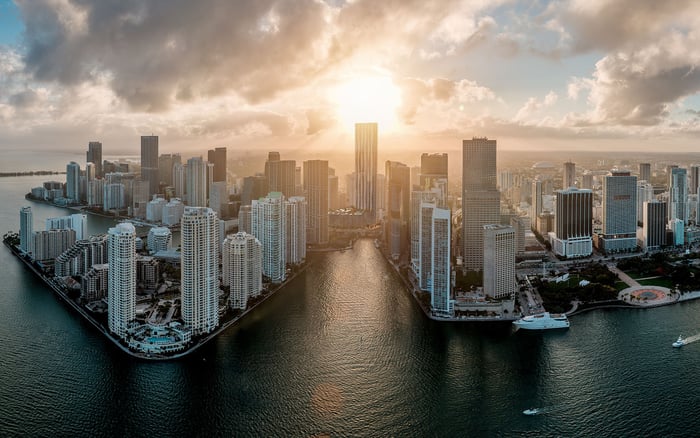
The tower sits near Biscayne Bay and Museum Park, placing view corridors and cultural access at the center of the purchase decision. That is a compelling proposition for a buyer who wants Downtown Miami energy with proximity to the arts corridor. It is also a distinctly different lifestyle from Miami Beach, Bal Harbour, or Sunny Isles Beach, where oceanfront quiet, sand access, and resort pacing often define the luxury experience.
One Thousand Museum Downtown Miami should be approached as a trophy-condominium asset where emotion and diligence carry equal weight. The architecture is the attraction, but it is also part of the ongoing ownership story.
The building’s sculptural exterior exoskeleton is one of its defining features. Buyers should understand that this is not merely an aesthetic wrapper. In a highly customized tower, exterior systems, façade maintenance, engineering protocols, and reserve planning deserve close review before any reservation or contract decision.
That does not diminish the appeal. In fact, design and architecture may be the core reason many buyers consider the tower. A residence here carries a different visual identity than a more understated waterfront condominium. The building is positioned as architecturally distinctive and high end, which can strengthen its appeal among collectors, design-led buyers, and owners who want their Miami address to feel singular.
The key is to separate admiration from assumption. Ask how the façade is inspected, how specialized systems are maintained, what reserves contemplate over time, and whether any future capital needs are already part of association planning. With a sculptural tower, long-term stewardship is part of the luxury.
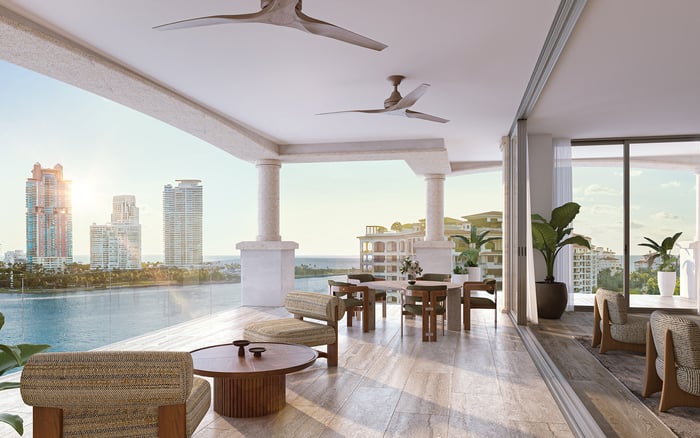
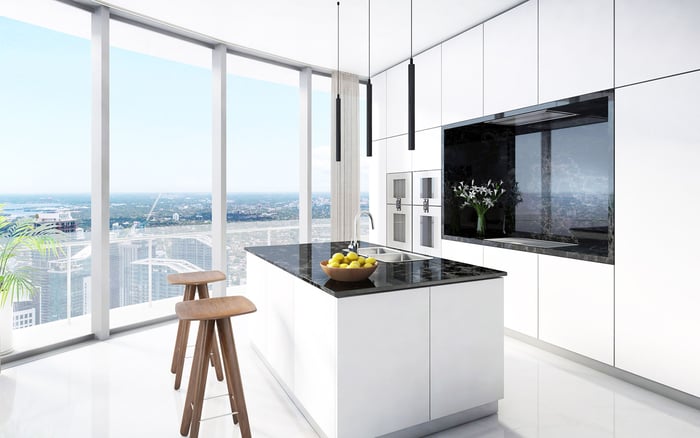
At One Thousand Museum, views are not a generic premium. The building’s position near Biscayne Bay and Museum Park makes exposure toward the bay, park, and skyline central to value. A buyer should review each candidate residence by line, floor, and orientation, not only by square footage or interior finish.
A high-floor residence may deliver a different emotional register from a lower floor with a strong park relationship. A bay-facing exposure may appeal to one buyer, while another may prioritize Downtown skyline movement and evening lights. The point is to decide what kind of daily visual experience matters most, then confirm that the specific residence delivers it.
Waterview expectations should also be considered through the lens of long-term ownership. A view that feels extraordinary during a daytime showing should also be tested for nighttime ambience, glare, privacy, and nearby event activity. In Downtown Miami, the city is part of the scenery. That is the advantage for many buyers, and the tradeoff for others.
The project’s amenity-rich positioning places the amenity program squarely inside the due-diligence process. Buyers should review which amenities are included, how they are operated, and how those operations affect association costs. The question is not only whether the spaces are impressive. It is whether their staffing, maintenance, insurance, and future replacement needs are understood.
For ultra-luxury buyers, amenities can shape the daily experience. They can also influence resale appeal, especially when buyers compare Downtown Miami towers. Within the same broader arena, Aston Martin Residences Downtown Miami and Waldorf Astoria Residences Downtown Miami show how luxury buyers increasingly evaluate service identity, vertical living, and branded or design-led positioning together.
Before reserving, ask for the documents that explain how the building operates. Review budgets, reserves, rules, insurance framework, amenity access policies, and any engineering materials available to buyers. In the trophy segment, elegance should be supported by operational clarity.
Downtown Miami is a dense, urban setting. That differentiates One Thousand Museum from oceanfront luxury markets and lower-density residential neighborhoods. Buyers should test the lifestyle with the same seriousness they apply to the residence itself: traffic patterns, event activity, walkability, cultural access, arrival experience, and daily convenience.
For some owners, this is exactly the point. The building’s proximity to Miami’s museum and arts corridor offers a cultural rhythm beachfront towers cannot replicate. Museum Park and Biscayne Bay create a civic waterfront setting rather than a resort shoreline. The neighborhood can feel electric, especially for buyers who want restaurants, performance venues, galleries, and city energy within reach.
Still, Downtown requires fit. A buyer accustomed to private-island calm or beachfront quiet should experience the area at different times before committing. Visit on a weekday morning, an event evening, and a weekend afternoon. Observe access, noise, valet flow, and the feeling of returning home.
One Thousand Museum competes in Miami’s trophy-condominium segment, so pricing should be benchmarked beyond simple per-square-foot comparison. Buyers should evaluate inventory, view quality, line scarcity, resale liquidity, architectural prestige, building condition, and association economics.
In Downtown, nearby luxury options such as Casa Bella by B&B Italia Downtown Miami and Faena Residences Miami Downtown Miami create useful context for buyers comparing design narratives, service expectations, and urban positioning. A buyer also may compare Brickell’s financial-district lifestyle, including The Residences at 1428 Brickell, when deciding whether a Downtown address or a Brickell address better suits daily movement.
The most important benchmark is not always the newest tower. It is the most relevant alternative for the buyer’s lifestyle and exit strategy. If the buyer values iconic architecture above all else, One Thousand Museum may sit in a different mental category than amenity-first or brand-first residences. If liquidity and predictable buyer depth matter most, the review should be more comparative.
Before making a reservation decision, a buyer should assemble a disciplined checklist. Start with the residence: floor, line, orientation, layout scale, terrace experience if applicable, privacy, light, and how the view changes through the day. Then move to the building: amenities, operating budget, reserves, insurance, façade maintenance, engineering history, rules, and any future capital-planning considerations.
Next, study the market. Compare asking prices, recent resale activity if available, competing trophy inventory, and the likely buyer pool for the exact residence. Ultra-luxury condominium value often depends on scarcity, but scarcity is strongest when the residence combines architecture, views, condition, and a clear lifestyle proposition.
Finally, review personal fit. Downtown is not merely a location label. It is a lived environment, with density, culture, traffic, waterfront access, and event energy. For the right buyer, that mix is the advantage. For the wrong buyer, even a remarkable residence can feel mismatched.
What makes One Thousand Museum different from a typical Downtown Miami condo? Its identity is tied to an architecturally distinctive tower associated with Zaha Hadid’s design brand, including a sculptural exterior exoskeleton.
Why should buyers review the exterior design before reserving? A complex façade can affect maintenance, reserves, engineering review, and long-term association planning.
Are views a major part of the value proposition? Yes. Bay, park, and skyline exposure should be reviewed by line, floor, and orientation.
How does the location shape the lifestyle? The Biscayne Boulevard setting places buyers near Biscayne Bay, Museum Park, and Miami’s cultural corridor.
Is Downtown Miami comparable to Miami Beach or Bal Harbour? It is different. Downtown offers urban energy and cultural access rather than an oceanfront resort environment.
What amenity questions should buyers ask? Buyers should review what is included, how amenities are operated, and how they affect association costs.
Who is the strongest fit for One Thousand Museum? It suits buyers who value architecture, large-format luxury living, premium views, and a central urban setting.
Should buyers compare it with other trophy towers? Yes. Pricing, inventory, resale liquidity, design identity, and building operations should be benchmarked.
What lifestyle due diligence matters most? Test traffic, event activity, walkability, arrival experience, and the feel of the neighborhood at different times.
What is the best way to shortlist comparable options for touring? Start with location fit, delivery status, and daily lifestyle priorities, then compare stacks and elevations to validate views and privacy.
If you'd like a private walkthrough and a curated shortlist, connect with MILLION.
If branded residences are on your mind — as a home or as an allocation — we would be glad to share what we are seeing, privately.
Begin a quiet conversation