A family-focused guide to evaluating shaded walking routes when purchasing a South Florida condo, from lobby-to-street transitions to neighborhood comfort and long-term livability.
For family buyers, a South Florida condo is rarely judged by interiors alone. The more revealing test is how a residence supports ordinary movement: leaving with a stroller, walking to a nearby café, taking a child to an activity, meeting grandparents in the lobby, or heading toward beach access without turning every outing into a negotiation with heat and glare.
Shaded walking routes are not merely pleasant. They can determine whether the building feels usable during the most active parts of family life. A glamorous lobby, a sculptural pool, or a dramatic arrival sequence may impress at first viewing, but the daily route from elevator to sidewalk often becomes the more durable luxury. Families should treat shade as a residential utility, one that influences comfort, rhythm, and the willingness to walk rather than default to a car for every errand.
This is especially important for buyers comparing different South Florida settings. A family may weigh Miami Beach atmosphere against Brickell convenience, Coconut Grove greenery against Sunny Isles oceanfront living, or Bal Harbour privacy against a more urban address. Each location can be compelling, but each creates a different relationship between sun, street, landscape, and daily movement.
The most useful question is simple: where does the family actually walk? Begin inside the residence and trace the full sequence outward. That may include the corridor, elevator bank, lobby, valet area, parking transition, sidewalk, porte cochere, dog walk, pool approach, beach path, marina edge, school pick-up location, or nearby retail frontage.
A shaded route is strongest when it is continuous. A covered entry helps, but if the next stretch is exposed and difficult for a child, an older family member, or anyone carrying bags, the benefit is interrupted. Buyers should look for a combination of architectural cover, landscape canopy, neighboring building shade, awnings, breezeways, and sensible pedestrian planning.
The return trip matters as much as departure. Families often discover that a route feels effortless in one direction and uncomfortable in the other. Time of day also changes the experience. A shaded morning walk may become a bright afternoon crossing, while a route that feels exposed at noon may be elegant and calm later in the day. The best evaluation comes from walking the same path during the hours the family expects to use it most.
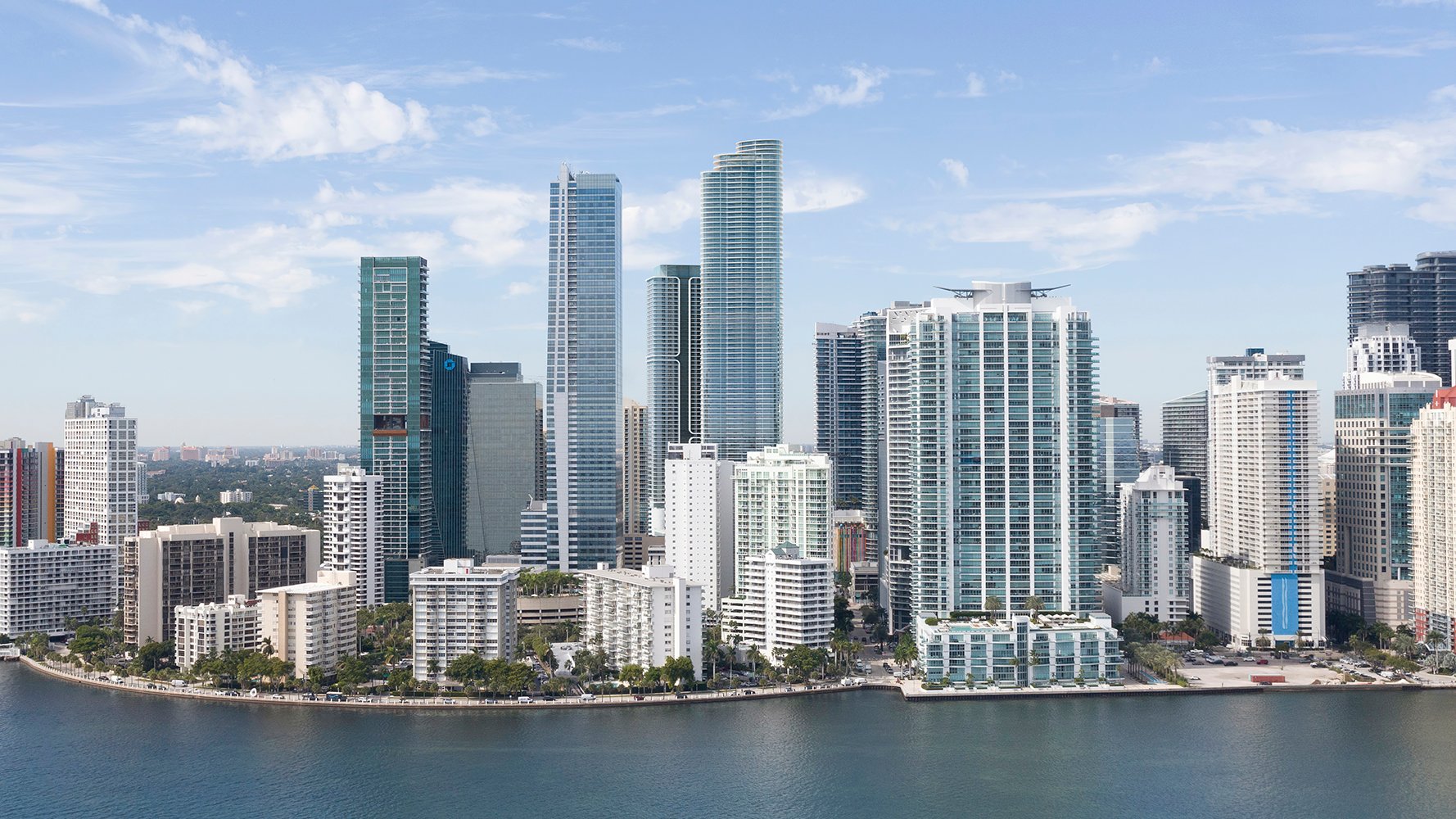
Shade performs differently depending on the neighborhood. In Brickell, families may encounter a more vertical environment, where building massing, covered entries, and urban setbacks shape the pedestrian experience. The appeal is convenience, but buyers should pay attention to crossings, curb activity, and the comfort of walking with children during busy periods.
In Miami Beach settings, the family conversation often shifts toward open sky, salt air, and the path between residence, pool, sand, and dining. A route can be visually beautiful yet still feel exposed. Buyers who expect frequent beach walks should study how the building handles transitions from interior coolness to outdoor brightness, especially with young children or visiting relatives.
Coconut Grove may attract families who value a softer, more garden-like residential rhythm. Even there, shade should be tested rather than assumed. A leafy impression from the car does not always translate into continuous comfort from the lobby to nearby daily destinations.
In Sunny Isles and Bal Harbour, oceanfront living can feel serene and expansive, but broad views often come with more open pedestrian moments. Families should distinguish between the luxury of outlook and the practicality of movement. The best fit is not always the address with the most dramatic arrival. It is the one where the family can move naturally, repeatedly, and comfortably.
A showing should include a walking audit. Ask to experience the route as a resident would, not only as a guest entering through the most polished arrival point. If children will use the building daily, bring the stroller, scooter, school bag, or pet routine into the conversation. Luxury is revealed by how gracefully a property handles ordinary life.
Look at the ground plane. Are sidewalks generous and legible? Are plantings mature enough to offer meaningful shade? Does the porte cochere protect only cars, or does it also support pedestrians? Is there a comfortable pause point for a family waiting on a ride? Are pool and amenity paths shaded in a way that encourages use beyond the most temperate hours?
Also consider how service patterns intersect with family movement. A beautifully designed walkway may feel less comfortable if it conflicts with delivery traffic, valet circulation, or garage exits. The goal is not perfection. It is a route where children, parents, guests, and pets can move without friction.
The most family-friendly shaded routes tend to feel intentional. They are not accidental slivers of cover, but part of the building’s residential choreography. Deep overhangs, calm arrival courts, landscaped edges, shaded seating, sheltered lobby thresholds, and clear pedestrian hierarchy all signal that daily life was considered, not only presentation.
Interior-to-exterior transitions deserve special attention. A family leaving an air-conditioned lobby should not feel abruptly pushed into an uncomfortable exterior zone. A gracious threshold gives residents a moment to gather themselves, manage children, greet a driver, open an umbrella, or decide whether to walk farther.
Families should also assess maintenance. Shade from landscape only works if the landscape is healthy and well managed. Architectural shade only works if the covered areas remain clean, well lit, and secure. A shaded route should feel cared for in the evening as well as during the day.
Family buyers often focus on bedrooms, storage, schools, and amenities. Those remain essential, but shaded routes can quietly influence how the home lives over time. A condo with comfortable pedestrian connections may encourage more outdoor time, easier routines, and more spontaneous neighborhood use.
This can matter for multigenerational households as well. Grandparents, visiting relatives, caregivers, and young children experience a building differently than an adult buyer on a quick tour. If the route feels intuitive and protected for them, the residence gains a layer of practical elegance.
Shade can also affect how buyers perceive value. A residence that supports daily walking may feel more complete than one that requires constant logistical planning. For a family, that distinction is not cosmetic. It is the difference between a beautiful property and a home that truly works.
Before committing, families should return to the property at least once with movement in mind. Walk from the residence to the car, to the amenity deck, to the sidewalk, and toward the most likely daily destinations. Notice where the body relaxes and where it resists.
Ask direct, practical questions. Which paths are intended for residents? Which entries are most commonly used by families? Are there covered waiting areas? How are landscaped areas maintained? Is the beach, retail, marina, or park connection comfortable on foot? Are there plans for changes to access, entry, or surrounding construction that could alter the walking experience?
The right building will not require a family to choose between beauty and usability. In South Florida’s most desirable condo markets, shaded routes are part of a larger definition of refinement: privacy, comfort, ease, and the confidence that daily life has been designed with care.
Why should family buyers care about shaded walking routes? Shade affects whether children, parents, pets, and guests can comfortably use the building’s surroundings as part of daily life.
Is a shaded lobby entrance enough? Not always. Families should evaluate the full route from the residence to sidewalks, amenities, parking, and nearby destinations.
When should buyers test walking routes? Walk them during the hours your family will actually use them, including school routines, weekend outings, and late-afternoon returns.
Does shade matter more in urban or beachfront condos? It matters in both. Urban routes may involve crossings and traffic, while beachfront routes may have more open exposure.
What design features help create better shade? Deep overhangs, mature landscaping, covered entries, shaded seating, breezeways, and thoughtful pedestrian circulation can all help.
Should families bring children to evaluate the route? If practical, yes. A route that feels easy to an adult may feel very different with a stroller, school bags, or tired children.
How does shade relate to resale appeal? Comfortable daily movement can strengthen a property’s livability, which many future family buyers may notice during showings.
Can landscaping alone solve shade concerns? Landscaping can help, but buyers should also consider architectural cover, maintenance quality, and continuity of the route.
What is a common mistake buyers make? Many focus on the most photogenic arrival point and overlook the practical path residents use every day.
How should buyers compare different neighborhoods? Compare the actual walking experience, not only the address, view, or amenity list.
When you're ready to tour or underwrite the options, connect with MILLION.
If branded residences are on your mind — as a home or as an allocation — we would be glad to share what we are seeing, privately.
Begin a quiet conversation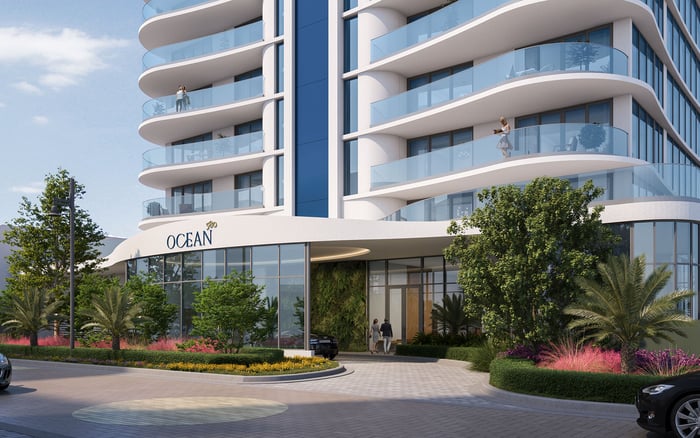
.jpg&width=700&height=438&fit=cover)