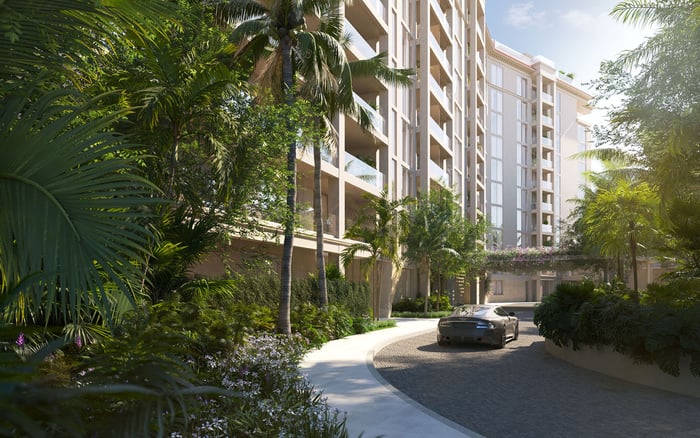
A practical, discreet guide for seasonal owners considering The Residences at Six Fisher Island as a private, waterfront Miami home base rather than a conventional second home.
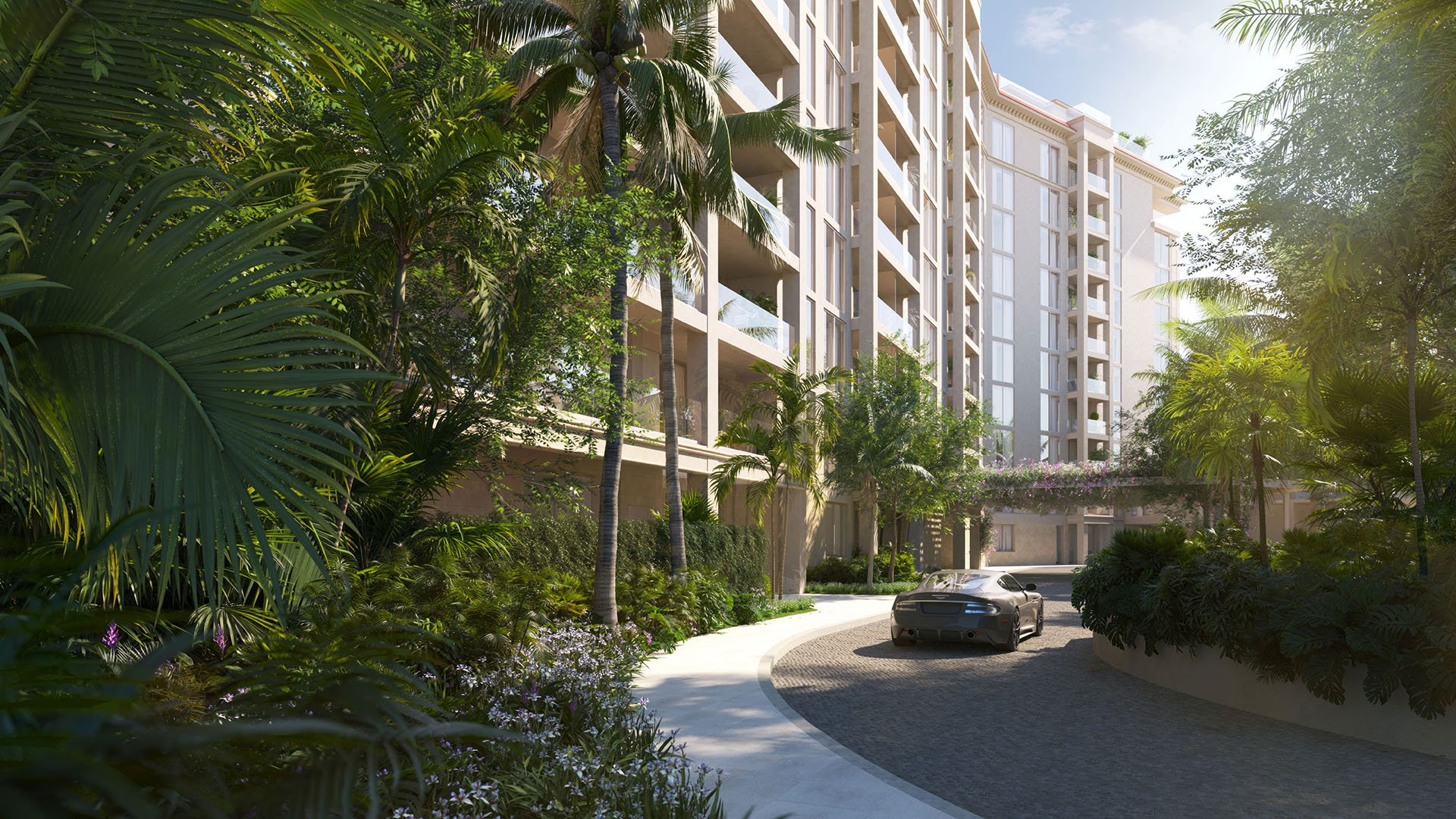
For a certain South Florida buyer, the question is no longer whether a second residence should be beautiful. It is whether it can operate with the quiet precision of a primary home, even when occupied only for select weeks or months of the year. That is the more relevant lens for The Residences at Six Fisher Island, an ultra-luxury waterfront condominium conceived for owners who want a highly private Miami-area base without the friction that often comes with seasonal ownership.
The distinction matters. A conventional second home can become episodic: opened for holidays, reset after departure, and managed reactively from afar. The more intentional model treats Fisher Island as one point in a broader life portfolio, alongside other global homes, offices, retreats, and family destinations. In that framework, the residence is not simply a place to visit. It is a repeatable environment for wellness, business continuity, family time, entertaining, and recovery from the pace of elsewhere.
Fisher Island has long carried a particular meaning in Miami luxury: privacy first, water always close, and access shaped by discretion rather than spectacle. The Residences at Six Fisher Island builds on that positioning with a lifestyle centered on waterfront living, curated service, and access to the broader Fisher Island ecosystem. For seasonal owners, that combination is less about display than control.
Control begins with arrival. The ideal seasonal home should feel awake before the owner steps inside. Preferred foods are stocked, terraces are prepared, climate and technology are aligned, cars and household support are coordinated, and privacy expectations are already understood. The point is not indulgence for its own sake. It is the removal of small frictions that can consume the first precious day of a short stay.
This is where a turnkey lifestyle environment becomes particularly valuable. A residence used in concentrated intervals must perform immediately. If an owner lands in Miami for ten days between London, New York, São Paulo, or the Caribbean, the home cannot require a period of reorientation. It needs to switch on cleanly, support daily rhythms, then return to secure absence mode when the owner leaves.
Six Fisher Island is positioned around expansive homes with contemporary design, advanced technology, resort-grade services, and a sense of autonomy that remains important even when owners are not in residence full-time. The design themes are especially relevant for seasonal living: floor-through layouts, oversized terraces, and extensive glazing that connect interior life to panoramic water and skyline outlooks.
Those views are not merely decorative. Ocean, channel, and Miami skyline perspectives shape the emotional tempo of the home. A morning routine can begin with light and water rather than lobby movement. A working day can unfold in private, with the city visually present but physically buffered. Dinner with family can expand from kitchen to terrace without the need to create an event around it.
Owners comparing the Fisher Island context may naturally consider the island’s established luxury vocabulary, from Palazzo del Sol to Palazzo della Luna, but the seasonal-owner question is more personal than comparative. It is not simply which building is newest or most recognized. It is which residence best supports the owner’s annual rhythm, household staffing model, privacy threshold, and preferred relationship to Miami.
The most successful seasonal ownership plans are built around a calendar. Some owners will use Fisher Island during the winter months. Others will arrive around family gatherings, business travel, art and cultural weeks, school breaks, or brief decompression periods between more demanding commitments. The residence should be programmed around those patterns in advance.
A practical plan begins with pre-arrival preparation. This may include household inventories, wardrobe rotation, pantry standards, preferred floral and terrace setups, wellness appointments, guest-room readiness, and technology checks. The goal is to make every arrival feel consistent. Over time, the owner should not have to explain how the home is meant to function. The home should already know.
Departure deserves equal attention. Secure absence protocols are central to peace of mind: systems checked, personal items stored, terraces and interiors reset, staff responsibilities clarified, and management expectations documented. Seasonal ownership becomes easier when the owner is not mentally carrying the home after leaving it.
This is where lifestyle planning becomes a form of luxury in itself. The residence is not just maintained. It is orchestrated.
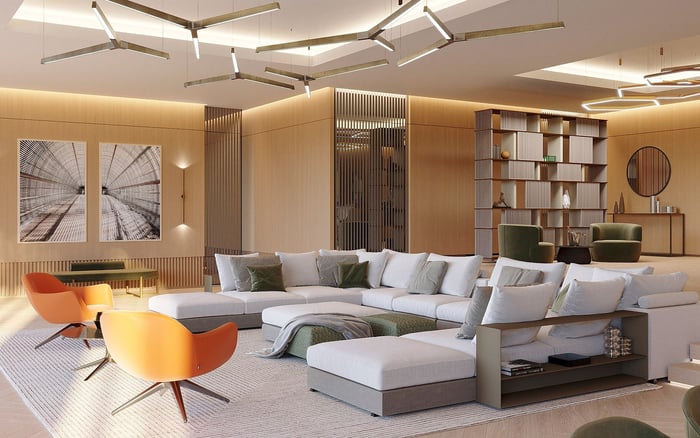
A seasonal home must absorb different modes without feeling overprogrammed. On one visit, it may be a family retreat. On another, a quiet work base. On another, an elegant setting for a private dinner or a few days of wellness discipline. Large-format residences help because they create separation without isolation. Floor-through living can support morning privacy, daytime productivity, and evening gathering within the same home.
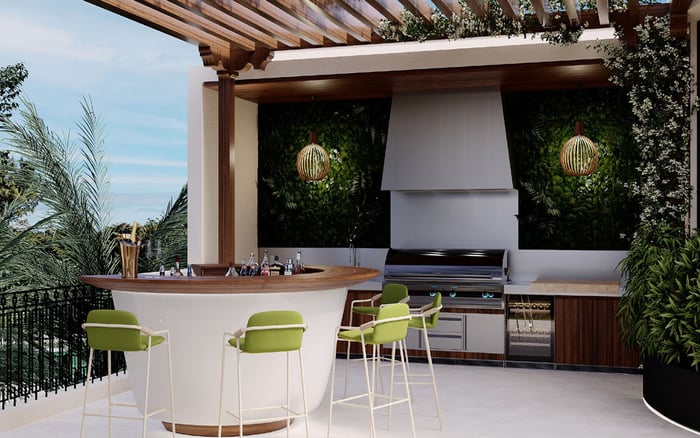
Terraces are central to this equation. Oversized outdoor spaces allow seasonal owners to use Miami’s waterfront character without abandoning the privacy of home. Extensive glazing adds continuity, keeping the water present even when the day is built around calls, reading, training, or time with children and guests.
The broader Fisher Island ecosystem also matters. Buyers considering The Links Estates at Fisher Island may be drawn to a different residential format, yet the underlying motivation is similar: a highly private island setting that can support a full life rather than a temporary escape. Six Fisher Island speaks to that same desire through a condominium lens, pairing service and lock-and-leave practicality with waterfront scale.
Before committing, buyers should clarify how they actually live. How often will the residence be occupied? Who arrives first: owner, family, staff, guests, or advisor? Is the home expected to support remote work? Will entertaining be intimate or frequent? How much should be handled by building-level service, and how much by private staff or outside management?
Privacy expectations should also be defined early. Some owners want a home that can receive guests gracefully. Others want a sanctuary used almost exclusively by family. Both models can work, but they require different staffing, access, storage, and readiness protocols.
The most compelling ownership case for The Residences at Six Fisher Island is not simply real estate ownership. It is the combination of privacy, service, waterfront design, and Miami access in a setting that can be made predictable. For seasonal owners, predictability is not boring. It is freedom.
The best seasonal residences are not treated as occasional assets. They are treated as essential infrastructure for a life lived across multiple places. In that context, Fisher Island offers something rare: proximity to Miami without surrendering to its constant motion.
Six Fisher Island is most persuasive when viewed through that lens. It is for owners who want to arrive without friction, live privately, host selectively, maintain business continuity, preserve family rituals, and leave with confidence that the home will be ready again. That is the difference between owning a vacation property and building an intentional South Florida base.
Is The Residences at Six Fisher Island suited to seasonal ownership? Yes. Its positioning emphasizes privacy, waterfront living, service, and turnkey ease, all of which matter to owners who arrive for concentrated stays.
How is this different from a typical second home? The intentional model treats the residence as a repeatable home base, with routines, staffing, privacy expectations, and secure absence protocols.
What design features matter most for seasonal owners? Floor-through layouts, oversized terraces, extensive glazing, and large-format living areas help the home support wellness, work, family time, and entertaining.
Does Six Fisher Island focus on views? Yes. The project is described around panoramic waterfront outlooks tied to ocean, channel, and Miami skyline perspectives.
Why is turnkey service important here? Seasonal owners often have limited time in residence, so pre-arrival readiness and easy reintegration make each stay more productive and restorative.
Should buyers plan staffing before closing? Yes. Buyers should decide how building services, private staff, and property management will coordinate before the home becomes part of their annual rhythm.
Is Fisher Island more about privacy or access? For this buyer profile, it is both. The appeal is private waterfront living with access to Miami and the broader Fisher Island ecosystem.
Can the residence support remote work? The project concept emphasizes advanced technology and expansive residences, making business continuity a practical part of the seasonal ownership plan.
What should happen before each arrival? Owners should have a repeatable routine for stocking, climate, technology, terrace setup, security, guest readiness, and preferred household details.
What is the core value proposition for seasonal owners? It is the orchestration of privacy, service, waterfront design, and Miami access, not merely ownership of a luxury condominium.
To compare the best-fit options with clarity, connect with MILLION.
If branded residences are on your mind — as a home or as an allocation — we would be glad to share what we are seeing, privately.
Begin a quiet conversation