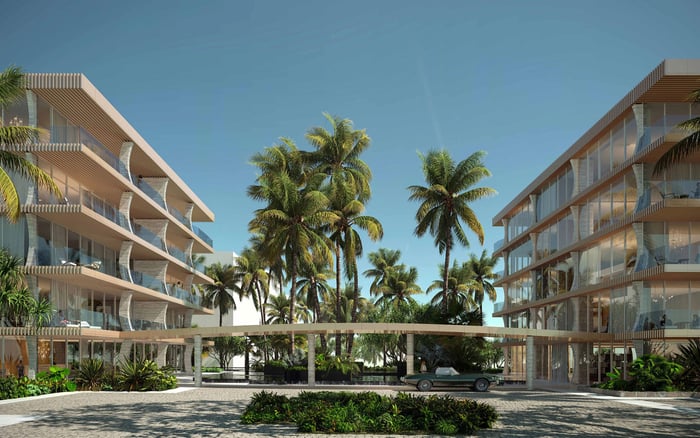
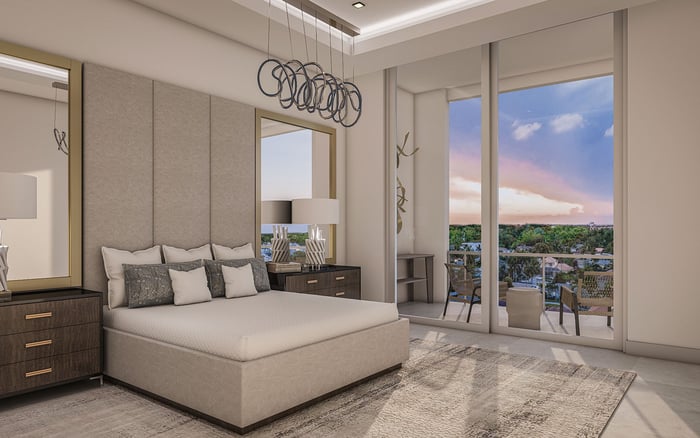
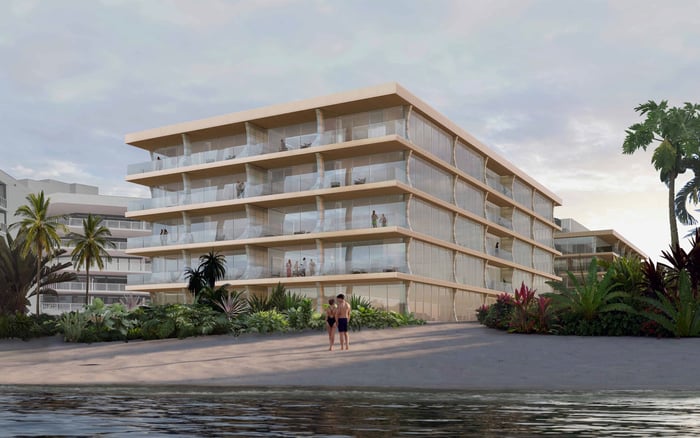
A discreet buyer’s guide to evaluating privacy at Mr. C Residences Boca Raton before a model residence tour, with questions on access, staff, deliveries, data, cameras, amenities, and condominium documents.
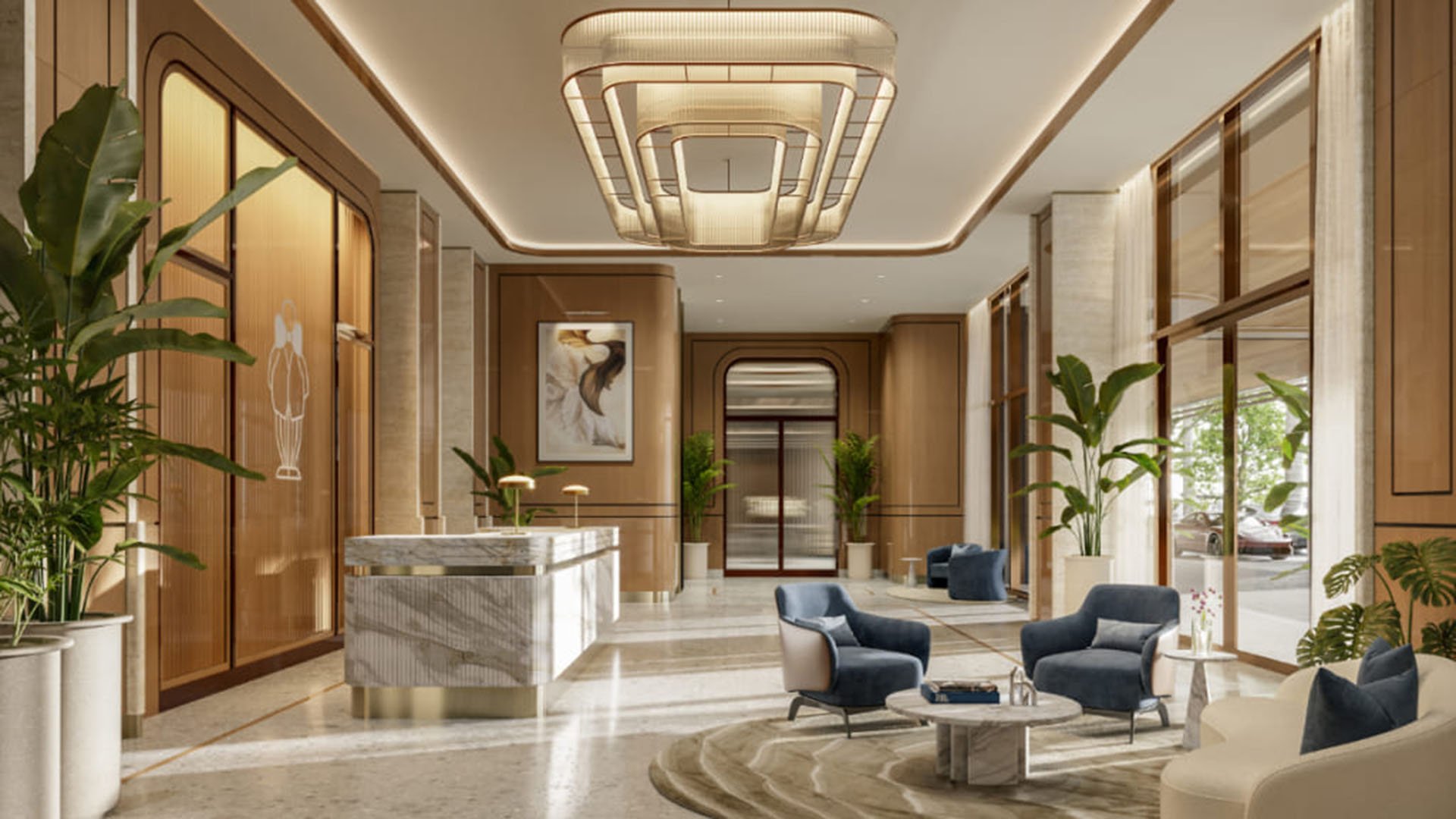
At the top of the Boca Raton market, privacy is no longer a single feature. It is an operating culture. For buyers considering Mr. C Residences Boca Raton, the model residence should be treated as more than a study in finishes, proportions, and views. It is a chance to examine where hospitality-style service meets residential discretion.
That distinction matters. Branded Residences are often valued for ease, service, and a managed sense of arrival. Those same qualities, however, raise questions about access, data, staff interaction, guests, deliveries, amenity use, and the daily choreography of the building. A private tour should not feel adversarial, but it should be precise. The right questions reveal whether the experience being presented is simply elegant, or genuinely private.
Sophisticated purchasers tend to separate three things: what is visible in the model, what is promised in the operating plan, and what is enforceable through condominium documents. That framework is especially important for New-construction buyers, because the model residence can be polished before the full rhythm of a completed building has been tested.
Begin with the entry sequence. Before touring, ask how resident arrivals, guest arrivals, valet, deliveries, and service staff are separated or controlled. A gracious lobby has value, but the more important question is how many different types of users pass through the same points of contact.
Ask whether the route used during the model tour reflects the same path residents will use day to day. Will the actual resident sequence involve the same lobby access, elevator bank, corridor approach, and threshold experience? Or is the model tour arranged through a sales-oriented path that differs from future daily life?
For buyers also studying nearby luxury options such as Alina Residences Boca Raton, this question becomes a useful comparison tool. The purpose is not to assume one building is more private than another. It is to understand how each building manages movement, visibility, and access before a purchaser becomes emotionally attached to a floor plan.
Elevator strategy is one of the quietest indicators of residential privacy. Ask whether private elevators, semi-private elevators, controlled-access floors, or staff-only routes are part of the building’s operating plan. If the answer depends on residence line, floor, or phase of operations, ask for that distinction clearly.
The corridor matters just as much as the elevator. A residence with a glamorous living room may still have a front door positioned near a busy amenity path, service route, or high-traffic elevator landing. Ask whether the model residence is representative of all lines, stacks, floors, exposures, and layouts, especially where corridor proximity and neighboring-window sightlines differ.
This is where model-home psychology can mislead. A staged residence may feel serene because it is being viewed outside normal building rhythms. Ask the sales team to describe how the same residence will feel during peak arrival periods, amenity use, move-ins, service visits, and private events.
Model residences are designed to create confidence, but not every feature shown is necessarily standard. Ask whether the model includes upgraded privacy elements such as enhanced window treatments, acoustic packages, or nonstandard door hardware. If any feature contributes to quiet, screening, or discretion, ask whether it is included, optional, or installed only for presentation.
This is particularly important in Boca Raton, where buyers may compare the branded service environment of Mr. C with alternatives such as The Residences at Mandarin Oriental Boca Raton or boutique concepts such as Glass House Boca Raton. Each may express privacy in a different language: hospitality, design, building scale, access control, or association governance.
A prudent buyer should ask for the boundary between presentation and obligation. If acoustic comfort, window privacy, smart access, or entry hardware is material to the purchase decision, the follow-up question is simple: where is it documented?
High-service living depends on trust. Ask how guest screening works, including whether residents can preauthorize guests, restrict access by area, or block building-directory visibility. For many buyers, the ability to manage who sees their name, movements, and social patterns is just as important as the physical security of the residence.
Deliveries deserve the same scrutiny. Ask how packages, food deliveries, contractors, housekeeping, and maintenance visits are logged and routed before they reach a residence. The most private buildings typically treat service movement as a design and management issue, not a casual convenience.
Also ask whether building staff receive privacy, confidentiality, and discretion training appropriate for high-net-worth residents. This should be discussed as a culture, not merely as a concierge promise. The buyer wants to understand how staff are expected to behave when handling names, schedules, visitors, preferences, complaints, maintenance requests, and repeated patterns of use.
For buyers comparing the Mr. C brand across markets, Mr. C Residences West Palm Beach may provide another lens for discussing service expectations, although each building’s documents and operating plan should be reviewed on its own terms.
Privacy is not only about who can enter. It is also about who can see, store, retrieve, and share information. Ask where security cameras are located in common areas and whether cameras cover elevator banks, hallways, amenity spaces, parking areas, and exterior approaches.
Then ask the more sensitive follow-up: who can access surveillance footage, entry logs, valet records, package records, and service-request history? A building can be highly secure while still creating a substantial trail of personal data. For some buyers, the concern is not surveillance itself, but the governance around surveillance.
Smart-home systems, access-control platforms, concierge tools, and resident apps introduce another layer. Ask whether these systems collect personal data and how long that data is retained. If a buyer plans to travel frequently, receive staff, host guests, or use private dining and amenity reservations often, data retention becomes part of the privacy conversation.
The private tour is only the first layer. The condominium association documents should be reviewed for owner records, guest rules, leasing rules, amenity access, staff access, and privacy-related enforcement. If the sales conversation suggests a level of discretion, the documents should support it.
Ask how social programming, amenity reservations, private dining, and branded hospitality services are managed so resident identities and routines are not overexposed. A building can offer elegant programming while still allowing residents to remain low-profile. The difference lies in reservation systems, staff conduct, guest handling, and the discretion built into procedures.
Also ask whether residences near amenities, elevators, mechanical spaces, terraces, pools, or food-and-beverage areas have different noise or sightline considerations. A plan that looks private on paper can behave differently when adjacent uses are active. The most useful answer will connect the residence line to actual movement, sound, and visibility.
A refined model residence should make a buyer feel at ease. A refined privacy review should make that comfort durable. Before the tour, prepare questions that address arrival, elevator access, corridor exposure, guest control, service movement, camera coverage, data handling, staff discretion, amenity use, and condominium governance.
The best response from a sales team is not theatrical reassurance. It is clarity. If a feature is standard, it should be identified. If a protocol is still being finalized, it should be treated as pending. If a privacy promise depends on association rules, staffing practices, or technology systems, it should be confirmed through the appropriate documents.
For the ultra-premium buyer, privacy is not a mood. It is a chain of decisions that begins at the curb and continues through every service interaction, digital record, hallway, elevator ride, and reservation. That is the proper lens for touring Mr. C Residences Boca Raton.
What should I ask first before touring the model residence? Ask whether resident arrivals, guest arrivals, valet, deliveries, and service staff are separated or controlled.
Should the tour route match daily resident access? Yes. Ask whether the model residence entry sequence reflects the same lobby, elevator, corridor, and access path residents will use.
Are private elevators always guaranteed? Not necessarily. Ask whether private elevators, semi-private elevators, controlled-access floors, or staff-only routes are included in the operating plan.
Can model residence privacy features be upgraded? They can be. Ask whether window treatments, acoustic packages, or door hardware shown in the model are standard, optional, or presentation-only.
How should guests be handled in a private building? Ask whether residents can preauthorize guests, restrict access by area, and limit building-directory visibility.
What should I ask about deliveries and contractors? Ask how packages, food deliveries, contractors, housekeeping, and maintenance visits are logged and routed before reaching a residence.
Why do camera locations matter? Camera coverage affects both security and privacy. Ask whether cameras cover elevator banks, hallways, amenities, parking areas, and exterior approaches.
Who should access building records? Ask who can view surveillance footage, entry logs, valet records, package records, and service-request history.
Do resident apps create privacy concerns? They can. Ask whether smart-home, access-control, concierge, or resident-app systems collect personal data and how long it is retained.
Why do condominium documents matter? They may address owner records, guest rules, leasing rules, amenity access, staff access, and privacy-related enforcement.
For a confidential assessment and a building-by-building shortlist, connect with MILLION.
If branded residences are on your mind — as a home or as an allocation — we would be glad to share what we are seeing, privately.
Begin a quiet conversation