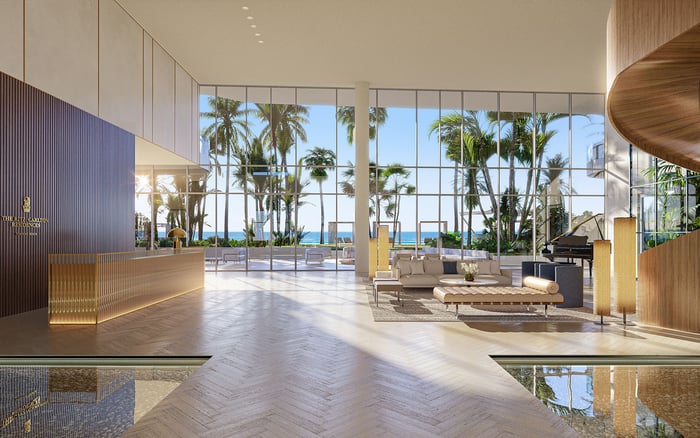
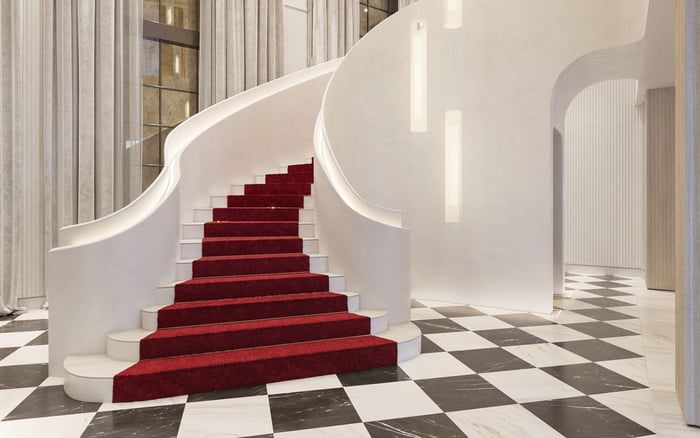
A discreet, buyer-oriented guide to assessing owner-only amenity floors for family life in South Florida luxury residences, with emphasis on privacy, operations, safety, wellness, and long-term daily use.
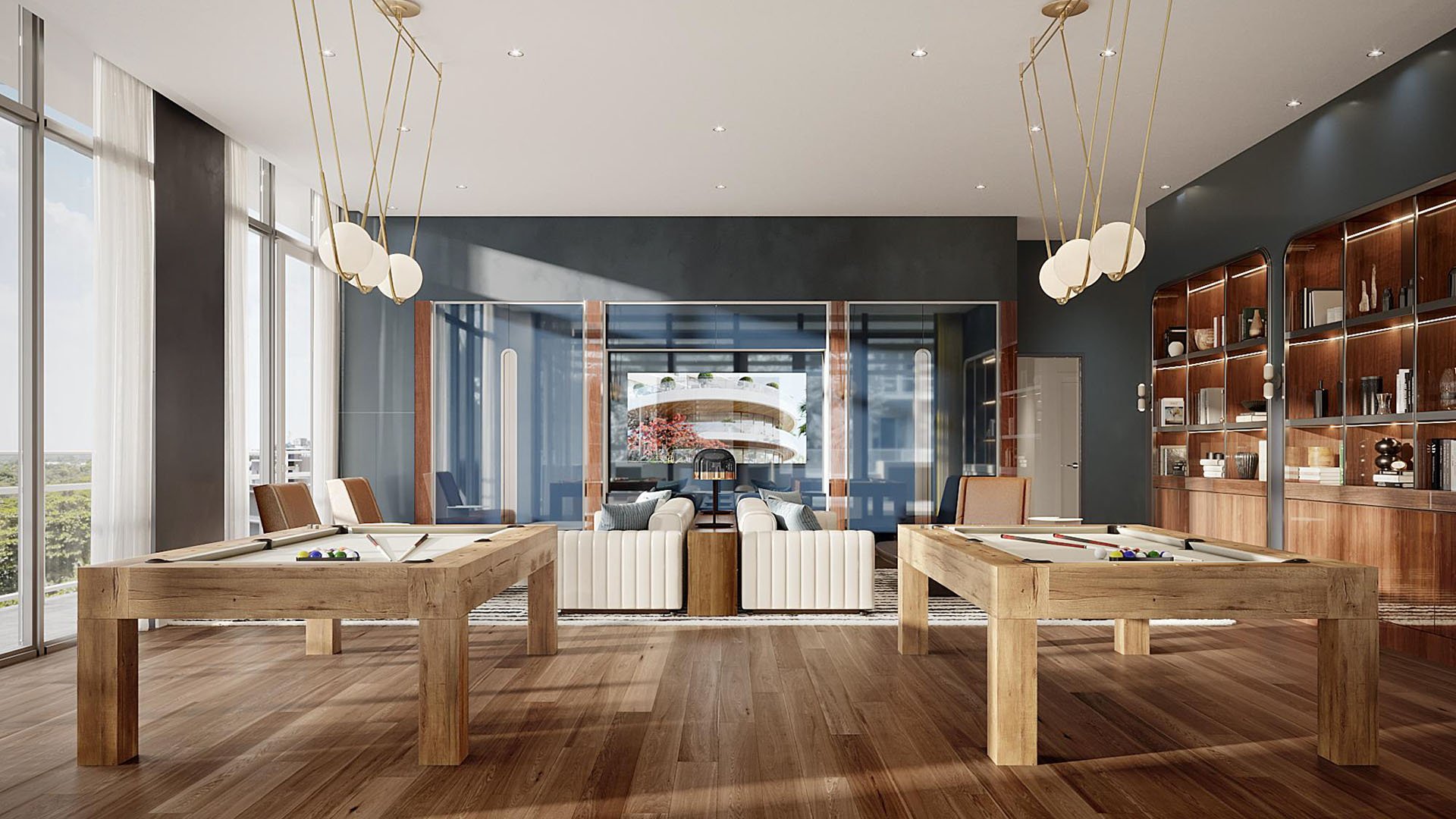
For family buyers, an owner-only amenity floor should be more than a polished sales promise. It is an extension of the home: a daily setting where children decompress after school, parents exercise before meetings, grandparents gather comfortably, and private celebrations unfold without the intensity of a public venue. In South Florida, where condominium living often competes with the scale and privacy of a single-family estate, the amenity floor has become part of the real estate decision itself.
The phrase owner-only sounds reassuring, but sophisticated buyers should ask what it means in practice. Does it exclude hotel guests, short-term visitors, commercial members, and outside club users? Are residents sharing the space with transient traffic, or is access meaningfully limited to the condominium community and invited guests? The answer affects privacy, security, wear, atmosphere, and long-term value.
A family evaluating Brickell, Aventura, Miami Beach, or any other premium South Florida address should treat the amenity program with the same discipline applied to views, floor plans, reserves, and finishes. The question is not whether the space photographs well. The question is whether it will support real family life, quietly and consistently.
The first requirement is clarity. Owner-only should be defined in governing documents, house rules, and operating procedures, not merely described in marketing language. Families should ask who can enter, when they can enter, how guests are registered, and whether certain amenity areas can be reserved by third parties.
This matters because families use buildings differently from occasional residents. A parent may want an older child to visit a lounge, study room, media room, or pool deck without feeling that the space functions like a hotel lobby. A child-friendly building does not need to be casual. It needs to be controlled.
Ask about access technology, staff presence, elevator permissions, guest logs, and after-hours policies. The best answers are specific. They explain how privacy is preserved on a normal weekday afternoon, during school breaks, on holiday weekends, and when a resident hosts guests. If the policy is loose, the atmosphere will eventually reflect it.
A strong amenity floor gives every generation a place to belong without forcing incompatible uses into the same room. Parents should look for a thoughtful balance between adult wellness, family recreation, and quiet work. A glamorous lounge beside a children’s play zone may look efficient on a plan, but it can create friction in daily use.
Families should demand transitions: acoustic separation, visual buffers, dedicated restrooms, stroller-friendly circulation, and seating zones that allow supervision without crowding. A terrace can be wonderful for children and adults alike, but only if railings, surfaces, shade, furniture, and rules support safe, comfortable use. A balcony attached to a lounge or event room should be evaluated with the same practical eye.
Adult spaces deserve protection as well. A proper spa, fitness suite, library, or residents’ salon should not feel like overflow space for children’s activities. Luxury family living works best when the building acknowledges both needs: children require freedom, and adults require calm.
For many family buyers, the most valuable amenity may not be the most theatrical. A well-designed study room, homework lounge, or reservable conference suite can become indispensable. It provides a neutral setting for tutors, college counselors, remote work, group projects, and exam preparation without turning the residence itself into a constant workspace.
This is especially relevant for households comparing condominium life with estate living. A private home may offer a den, library, or guest cottage. A condominium must replace some of that flexibility through shared but controlled spaces. The amenity floor should include rooms that can shift from adult work calls in the morning to student study in the afternoon.
Demand good lighting, proper seating heights, dependable connectivity, acoustic privacy, and reservation rules that prevent one household from monopolizing the best rooms. A beautiful room that cannot be used when needed is decoration, not utility.
Family buyers should pay close attention to the invisible details. Where are the stairs? Which doors are locked? Can a child access service corridors? How does staff respond if a young resident is waiting for a ride, moving between the pool and lounge, or meeting a friend from another floor? The most successful buildings make safety feel seamless rather than restrictive.
Do not accept broad assurances. Ask about camera placement, staff sightlines, access between amenity zones, pool supervision policies, package and food delivery routing, and how the building handles unknown guests. In a premium residence, safety should be part of the choreography.
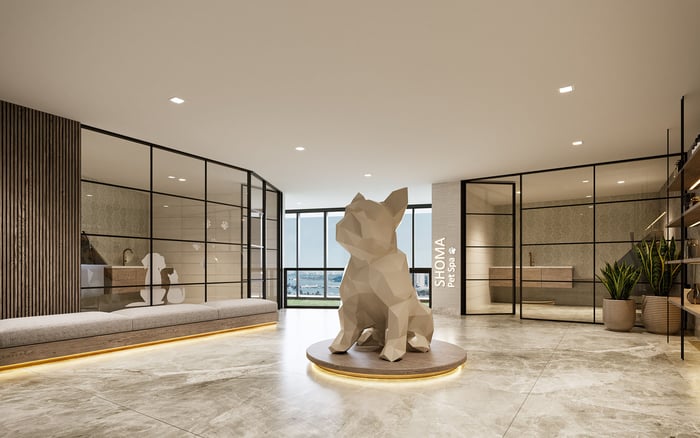
Pets also belong in the conversation. Many South Florida families live with dogs, and the route between residence, elevator, pet area, and amenity floor can affect comfort for everyone. A pet-friendly policy should be dignified, sanitary, and clearly managed, not improvised after move-in.
Wellness amenities often look impressive, but families should judge them by routine. Is the gym large enough during peak hours? Are there spaces for stretching, private training, recovery, and low-impact movement? Can multiple family members use the wellness area without feeling they are intruding on one another’s rhythms?
A family-oriented building should support early workouts, post-school sports recovery, weekend movement, and multi-generational health. That may mean a fitness suite, spa treatment rooms, sauna or steam areas, outdoor exercise lawns, or calm walking paths, depending on the property. The exact program matters less than the operational quality.
Ask how equipment is maintained, how often soft goods are replaced, how reservations work, and whether instructors or trainers are permitted. A wellness floor should not age quickly. It should feel composed, clean, and predictable year after year.
An amenity floor is only as good as its management. Families should observe how staff greet residents, how rules are communicated, and whether the tone feels warm without becoming informal. Luxury service is not simply saying yes. It is knowing when to protect the environment for everyone.
This is where owner-only buildings can distinguish themselves. Staff can learn resident preferences, recognize children, understand household routines, and manage guests with discretion. That level of familiarity is difficult when the amenity floor is shared with a constantly changing outside population.
Buyers should ask who operates the amenities, how staffing is funded, whether private events are permitted, and what happens when residents disagree about noise, guests, or child behavior. The best buildings have answers before conflict appears.
Families often fall in love with renderings and under-read the documents that will govern daily life. Rules around guest counts, party reservations, children’s hours, wet bathing suits, food service, music, pool toys, pets, and conduct can dramatically shape the experience.
A sophisticated buyer should request current or proposed house rules, reservation policies, fee schedules, and any limitations tied to specific spaces. If purchasing in new construction, ask how initial policies may evolve after turnover and how owner input will be handled. If buying resale, spend time understanding the existing culture.
The right rule set is neither overly permissive nor severe. It should protect property, privacy, and civility while allowing families to live naturally. A building that cannot accommodate children gracefully may not be the right building for a family, regardless of how elegant its interiors appear.
The best owner-only amenity floors feel effortless because they have been carefully planned. They separate movement from rest, children from quiet adult areas, social energy from private retreat, and residents from outsiders. They give families more usable space without asking them to sacrifice discretion.
For buyers weighing South Florida condominium life against a private home, the amenity floor can close the gap. It can deliver wellness, study, entertaining, recreation, and service in a vertical format, but only when access, staffing, design, rules, and maintenance are aligned.
A family should demand more than beauty. It should demand proof of livability. The amenity floor should make everyday life easier, not simply make the building easier to sell.
What does owner-only mean in a luxury condominium? It should mean that primary amenity access is reserved for residents and their permitted guests, subject to clear building rules.
Should family buyers prioritize a children’s room? A children’s room can help, but thoughtful separation, safety, acoustics, and flexible study space are often more important.
Why are rules so important for amenity floors? Rules determine how spaces actually function after closing, including guests, noise, reservations, hours, and private events.
Is a pool enough for family recreation? Not usually. Families should evaluate shade, seating, restrooms, supervision policies, access control, and adjacent quiet areas.
How should buyers assess privacy? Ask who can access the floor, how guests are logged, whether outside users are permitted, and how elevators are controlled.
Do pets affect amenity-floor decisions? Yes. Pets influence elevator routes, cleaning standards, outdoor areas, and the overall comfort of residents with different preferences.
What should parents look for in study spaces? Look for acoustic privacy, strong connectivity, proper lighting, comfortable seating, and fair reservation procedures.
Can an amenity floor replace single-family-home space? It can replace some functions, especially wellness, entertaining, study, and recreation, if the building is well managed.
How can buyers judge staffing quality? Observe tone, consistency, guest handling, rule enforcement, and whether staff understand family routines without becoming intrusive.
What is the biggest red flag for family buyers? Vague access policies are a major warning sign because they can undermine privacy, safety, and daily comfort.
For a tailored shortlist and next-step guidance, connect with MILLION.
If branded residences are on your mind — as a home or as an allocation — we would be glad to share what we are seeing, privately.
Begin a quiet conversation