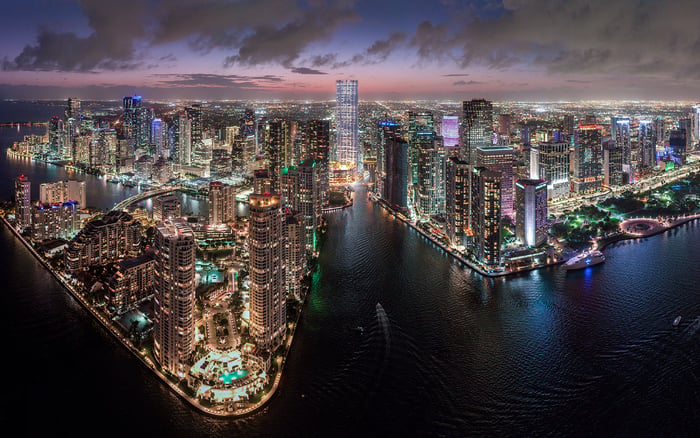
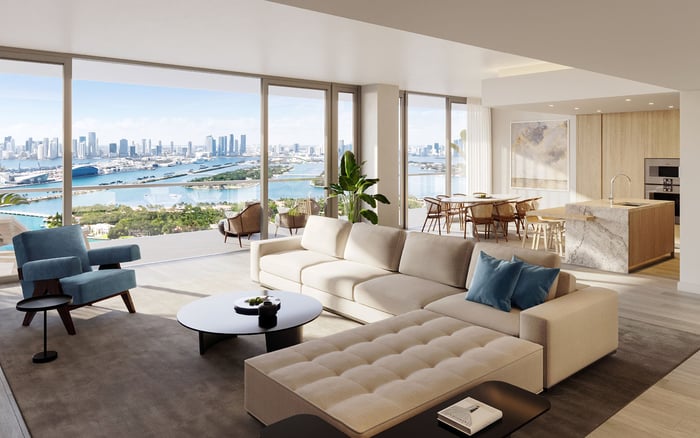
A buyer-focused look at why elevator redundancy belongs in the total-cost conversation for South Florida branded residences, especially in high-rise and waterfront markets.
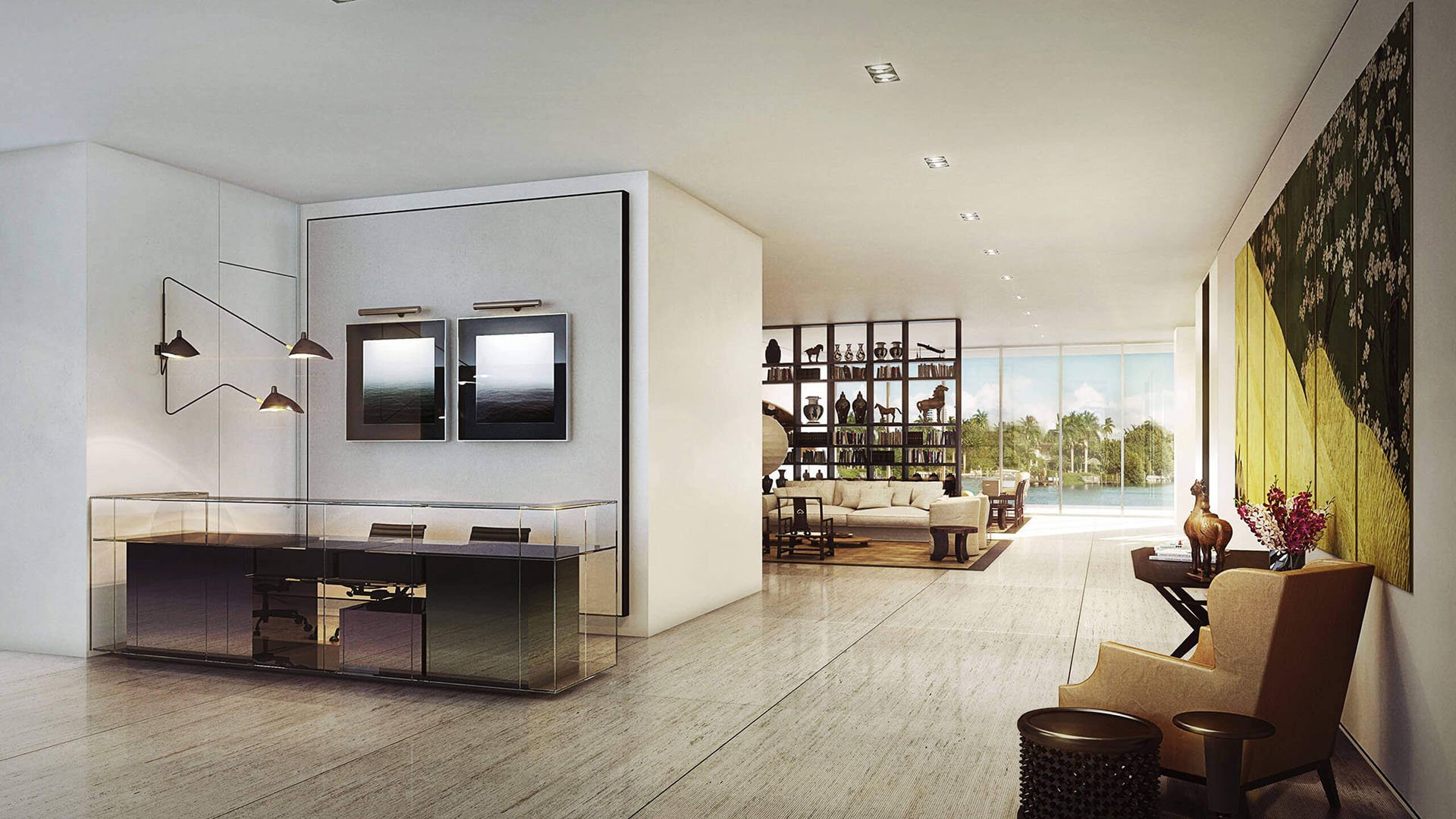
In South Florida luxury real estate, buyers are trained to read the visible signals: waterfront exposure, ceiling height, branded amenity programming, parking, views, terrace depth and interior finish. Yet one of the most consequential features of daily ownership is often hidden behind polished doors. Elevator redundancy can quietly change the real cost of a branded residence because it affects privacy, wait time, service continuity, staffing flow and the long-term perception of ease.
For a buyer comparing Branded Residences in Brickell, Miami Beach or Sunny Isles Beach, the sticker price is only the beginning. The more important question is how the building performs when everyone wants to move at once, when service teams are active, when guests arrive for dinner, when an owner returns from travel with luggage, or when one elevator is out of service. Luxury is not simply the presence of an elevator. It is the confidence that vertical movement will feel calm, private and predictable.
This is where elevator redundancy becomes a pricing lens rather than a mechanical footnote. A residence that appears less expensive on paper may carry a hidden lifestyle cost if its vertical circulation feels strained. A more expensive property may justify part of its premium if the elevator plan supports discretion and reliability.
Elevator redundancy is the ability of a building to maintain reasonable vertical service when one component is unavailable or when demand rises. In a residential setting, that may mean multiple passenger elevators, a dedicated service elevator, separate banks for different portions of the tower, private elevator vestibules, or operational protocols that keep housekeeping, catering, deliveries and residents from competing for the same car.
In the branded residence segment, this matters because service expectations are higher. Owners are not only buying a unit. They are buying a daily operating environment. If a building promises hotel-level attention, wellness programming, private dining, concierge support and elevated arrival, the elevator system has to support those promises. Even the strongest amenity suite loses poise if residents and service traffic repeatedly collide.
The question is not whether a project has elevators. It is whether the elevator strategy matches the sales language. Buyers looking at The Residences at 1428 Brickell or Baccarat Residences Brickell should consider vertical access as part of the same conversation as views, layouts and amenity design. In dense urban settings, the trip from porte cochere to private residence is part of the luxury sequence.
Many buyers think of building systems through the lens of association dues. That view is too narrow. Elevator redundancy can influence the real cost of ownership in several ways that do not always appear as a single line item.
First, there is time. A resident who waits longer than expected each morning is paying a daily inconvenience cost. Second, there is privacy. Shared elevator patterns can reduce the sense of exclusivity, particularly in towers where staff, deliveries and guests rely on the same circulation. Third, there is resilience. If service becomes compromised during maintenance or high demand, owners may feel the building is less refined than its brand suggests.
There is also resale psychology. Sophisticated buyers touring a high-floor residence notice the journey. They notice whether the elevator lobby feels tranquil, whether the car arrives promptly, whether service traffic is discreet and whether the building seems sized for its ambitions. In Pricing & Trends discussions, this is the kind of qualitative factor that can influence confidence, even when it is difficult to isolate in a spreadsheet.
South Florida’s most coveted residential markets have distinctive pressures. Brickell is vertical, urban and arrival-oriented. Miami Beach is image-conscious, hospitality-driven and sensitive to privacy. Sunny Isles Beach is defined by towers where height, view corridors and full-service expectations place intense importance on circulation. In each setting, the elevator experience becomes part of the property’s identity.
At the beach, residents may move between pool decks, wellness areas, residences, parking and private dining spaces throughout the day. At an urban branded tower, residents may expect seamless transitions between valet, lobby, amenity levels and private floors. In a very tall tower, the elevator ride itself becomes part of the ritual of coming home.
Projects such as Shore Club Private Collections Miami Beach and Bentley Residences Sunny Isles speak to different versions of the same buyer expectation: arrival should feel controlled, elegant and personal. Elevator planning is one of the systems that can either protect that feeling or dilute it.
Private elevator access is often marketed as a luxury feature, and it can be valuable. It can create a strong sense of arrival, reduce corridor exposure and make the residence feel more like a vertical estate. But private access and redundancy are not identical.
A private elevator experience may still depend on shared mechanical infrastructure. A dedicated vestibule may feel exclusive, but the building also needs a plan for service movement, maintenance windows and periods of peak use. Buyers should distinguish between the romance of direct elevator entry and the operational question of how many alternatives exist if one path is unavailable.
This is especially relevant in Investment conversations. A beautiful residence with compromised day-to-day access may face buyer hesitation later. Conversely, a building that handles traffic gracefully can feel more durable in its luxury positioning. In high-end ownership, durability is not only physical. It is experiential.
The most useful questions are practical. How many passenger elevators serve the residences? Is there a separate service elevator? Do high-floor residences share the same bank as lower-floor residences? How are deliveries managed? What happens during scheduled maintenance? Are amenity levels served in a way that creates traffic at peak hours? Is the parking arrival integrated smoothly into the vertical journey?
Buyers should also ask how staff movement is handled. In a branded residence, housekeeping, engineering, catering and concierge support can be part of the lifestyle. That service ecosystem needs circulation capacity. If service excellence depends on staff moving invisibly and efficiently, the elevator plan is not secondary. It is infrastructure for hospitality.
For buyers evaluating The Residences at Mandarin Oriental, Miami, the larger lesson applies broadly: brand, architecture and service must be supported by operational design. The most polished lobby cannot compensate for a vertical system that feels undersized for the promise being sold.
When two residences appear similar in price, compare the vertical experience as part of the premium. Walk the arrival path. Study the elevator lobby. Ask how the service elevator works. Consider whether a high-floor position adds prestige but also depends more heavily on efficient lift strategy. Think about guests, children, household staff, pets, deliveries and entertaining.
A buyer should also consider lifestyle rhythm. A seasonal owner may prioritize ease during holiday periods when friends and family visit. A full-time resident may value predictable daily performance more highly. A collector of trophy residences may care about privacy and arrival theater. A long-term holder may care about maintenance resilience and resale perception.
The practical takeaway is simple: the real cost of a South Florida branded residence is not only purchase price, dues and taxes. It is the price of living with the building every day. Elevator redundancy is one of the rare technical subjects that translates directly into comfort.
What is elevator redundancy in a branded residence? It is the ability of a building to maintain smooth vertical service through multiple elevators, service routes or operational backup when demand rises or one car is unavailable.
Why does elevator redundancy affect real cost? It can affect time, privacy, service quality and perceived resale strength, all of which shape the ownership experience even if they do not appear as a single line item.
Is a private elevator the same as redundancy? No. Private access can enhance arrival and privacy, but redundancy depends on the broader elevator system and how the building handles alternatives.
Should buyers ask about service elevators? Yes. Dedicated service movement can help separate residents from deliveries, staff activity and maintenance flow in a high-service building.
Does elevator planning matter more on high floors? Often, yes. High-floor living can heighten the importance of efficient elevator banks, waiting times and backup options.
How does this apply to Brickell? Brickell is a dense vertical market, so arrival flow, lobby sequencing and elevator capacity can meaningfully shape daily convenience.
How does this apply to Miami Beach? Miami Beach buyers often prize discretion and hospitality, making smooth resident and service circulation especially important.
How does this apply to Sunny Isles Beach? Sunny Isles Beach towers place a premium on height, views and full-service living, so elevator performance can influence the luxury experience.
Can elevator redundancy influence resale? It can influence buyer confidence because the tour experience includes how easily and privately someone reaches the residence.
What should a buyer do before committing? Ask specific questions about passenger elevators, service elevators, maintenance procedures and how the building manages peak demand.
For a tailored shortlist and next-step guidance, connect with MILLION.
If branded residences are on your mind — as a home or as an allocation — we would be glad to share what we are seeing, privately.
Begin a quiet conversation