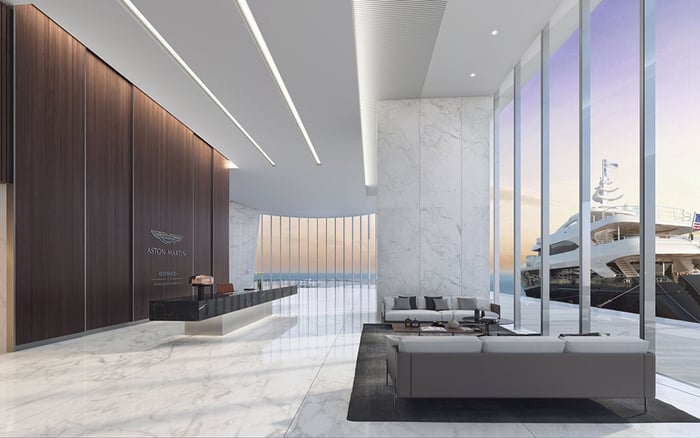
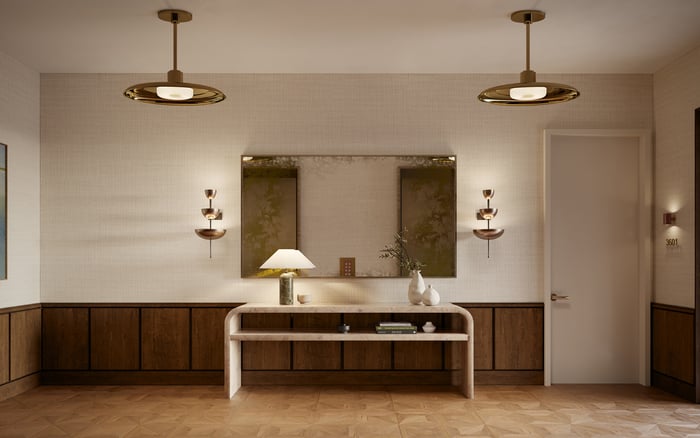
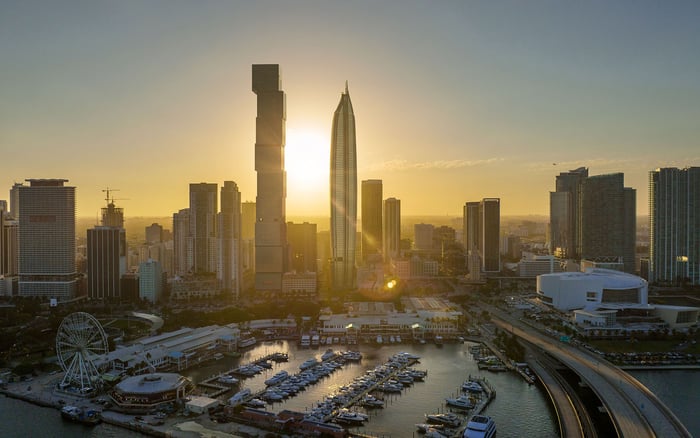
A buyer-focused look at how Miami Design Residences Midtown Miami can appeal to those seeking city access, design proximity, and a calmer residential rhythm.
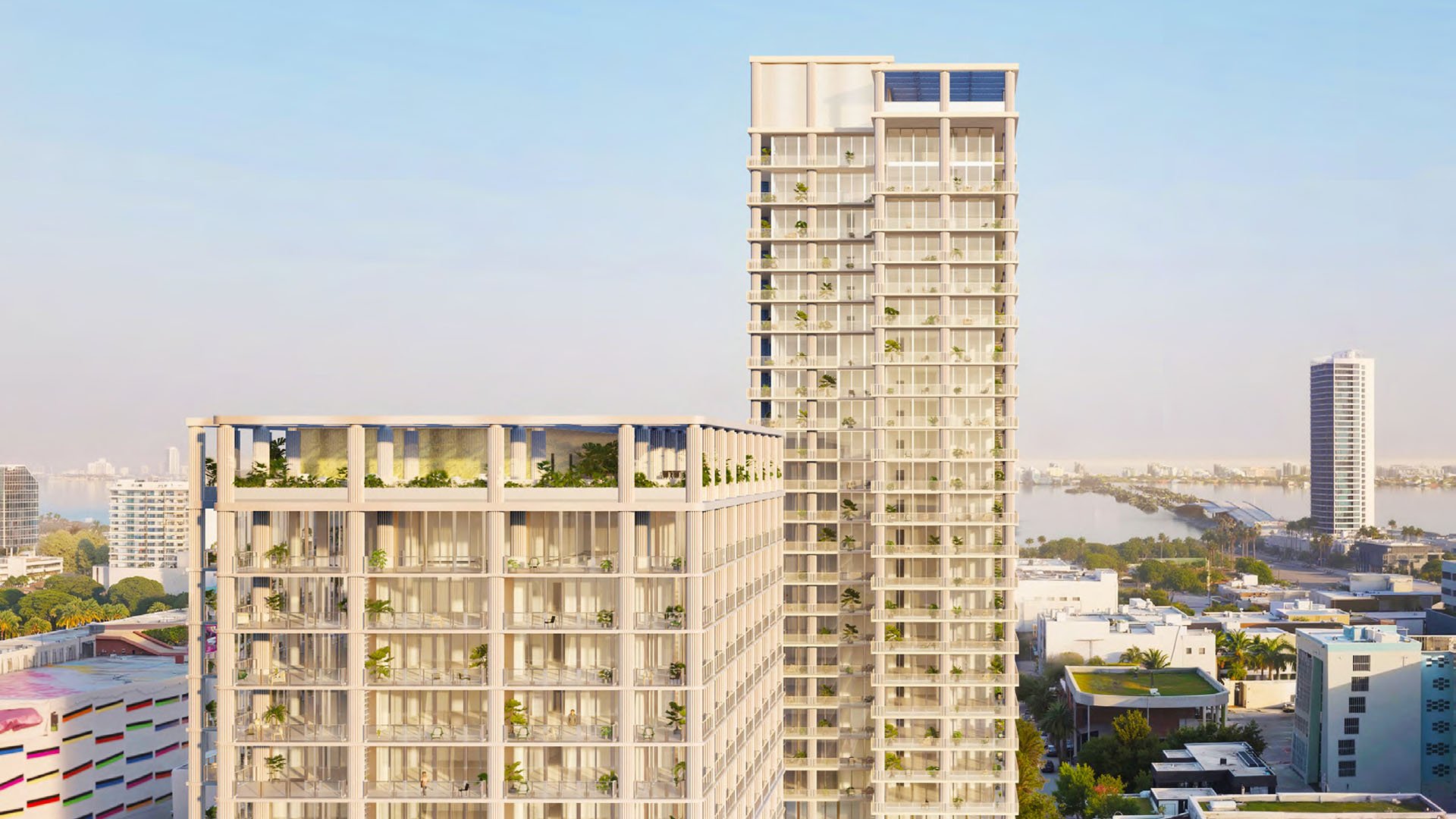
For many South Florida luxury buyers, the most compelling urban address is no longer defined by maximum height, visibility, or spectacle. It is defined by a more disciplined question: can a residence place daily life near the city’s cultural, dining, retail, and business circuits while still preserving a composed private rhythm? That is the premise behind the appeal of Miami Design Residences Midtown Miami.
Midtown Miami occupies a useful psychological position on the city’s luxury map. It is urban, but not as corporate in feel as Brickell. It is creative-adjacent, but not defined solely by nightlife energy. It gives buyers proximity to the Design District and Wynwood without requiring them to live on the most active edges of either neighborhood. For a certain buyer, that distinction matters.
This is not a conversation about retreating from Miami’s momentum. It is about calibrating it. The buyer drawn to Miami Design Residences Midtown Miami is often not trying to disappear from the city. They want the city available on demand, then they want to return to a residence that feels orderly, residential, and privately paced.
The luxury buyer has become more exacting about friction. A beautiful home is not enough if the surrounding routine feels inefficient. At the same time, pure convenience can lose its appeal if the address feels overstimulated. Midtown Miami offers an answer because it sits within reach of multiple Miami identities rather than being confined to one.
From a buyer’s perspective, that flexibility is central. A day may involve design appointments, gallery visits, dining, professional meetings, fitness, errands, and entertaining. The advantage of a Midtown Miami base is not simply that these things are nearby in concept. It is that the address can support a life where the car is not the organizing principle for every decision.
That said, this is still Miami. Buyers should think in terms of practical adjacency rather than a purely pedestrian fantasy. The value proposition is not that every need vanishes into a walkable grid. It is that multiple lifestyle districts are close enough to make spontaneous city living more realistic.
The Design District remains one of Miami’s most important signals for luxury retail, architecture, art, and dining. For some buyers, living directly in or beside that environment is the point. For others, the better move is to remain close enough to participate frequently while keeping the residence itself a step removed.
That is where Miami Design Residences Midtown Miami becomes relevant. It allows buyers to treat the Design District as an extension of daily life rather than as the only note in the composition. Those comparing nearby options may also study Kempinski Residences Miami Design District, especially if their priority is a more explicitly Design District-oriented residential narrative.
The choice between these addresses is less about which location is universally superior and more about personal tempo. Some buyers want the intensity of being closer to the center of the design corridor. Others prefer a residence that feels connected but not consumed by that energy.
Wynwood adds another layer to the Midtown buyer equation. Its cultural and creative identity gives the surrounding area a different kind of magnetism than waterfront or financial districts. For buyers who value restaurants, galleries, studios, and a less formal social rhythm, proximity to Wynwood can be a meaningful daily advantage.
Still, many luxury buyers do not want their residence to feel like a continuation of the most animated streets around them. They want creative adjacency, not permanent immersion. That is why Midtown Miami can feel so practical: it keeps Wynwood accessible while allowing the home environment to feel more settled.
A buyer considering the broader creative corridor may also look at Frida Kahlo Wynwood Residences as a contrasting expression of urban lifestyle. The comparison can be useful. It clarifies whether the buyer wants the residence to sit inside the cultural current, or close enough to enjoy it easily.
Brickell and Downtown Miami serve a different but related buyer. They offer dense vertical living, business proximity, and a more metropolitan skyline sensibility. For those whose lives are centered on finance, professional services, waterfront dining, or high-rise urban formality, projects such as 2200 Brickell and Casa Bella by B&B Italia Downtown Miami may become natural comparisons.
Miami Design Residences Midtown Miami speaks to a buyer who may appreciate those districts, but does not necessarily want to live within their daily intensity. Brickell can feel highly efficient, but also more business-forward. Downtown Miami can feel more civic and vertical. Midtown Miami, by contrast, can appeal to buyers who want city access with a softer residential identity.
This distinction is especially important for second-home buyers, relocating executives, and locals moving from larger single-family properties. They may want to reduce maintenance, simplify routines, and participate in Miami’s urban lifestyle, but they may not want the atmosphere of a central business district at their front door.
Residential composure is not a decorative phrase. It is increasingly one of the deciding factors in premium condominium selection. It refers to the way a home makes a buyer feel after the elevator doors close, after dinner, after travel, after a long workday, or after a weekend of entertaining.
For a Midtown Miami buyer, composure may mean a building experience that feels private rather than performative. It may mean a location that provides options without requiring constant participation. It may mean living near culture and commerce while keeping the home’s emotional temperature quiet.
Rather than centering the analysis on specific unit features, the more useful buyer lens is experiential. The question is not only what a residence contains, but what kind of life it permits. In the new-construction market, this is where discerning buyers often separate novelty from enduring utility.
The best-fit buyer for Miami Design Residences Midtown Miami is likely someone who values design, convenience, and optionality. This buyer may entertain in the city, dine frequently, visit galleries, work across multiple neighborhoods, or split time between Miami and another primary residence. They are less interested in an address as a trophy and more interested in how gracefully it supports their week.
The project also suits buyers who see lifestyle as a form of infrastructure. In that view, proximity to food, culture, retail, wellness, and social energy is not an extra. It is part of the property’s practical value. Yet the same buyer still expects a degree of separation between public Miami and private home life.
That balance is the point. Midtown Miami is not the most secluded luxury setting in South Florida, nor is it trying to be. Its appeal comes from being close to the city’s pulse while offering a more measured residential base from which to engage it.
Buyers considering Miami Design Residences Midtown Miami should begin with lifestyle mapping. Where will they dine most often? Which neighborhoods define their work and social life? How much time will they spend in the Design District, Wynwood, Brickell, or Downtown Miami? Do they want to walk out into immediate activity, or return to a calmer edge after participating in it?
They should also consider how the residence will function over time. A primary residence requires different tolerances than a pied-a-terre. A buyer who spends only selected weeks in Miami may prioritize ease and location over square footage. A full-time resident may focus more carefully on privacy, storage, daily circulation, and the feel of the surrounding blocks at different times of day.
The most successful decision will not come from chasing the loudest luxury signal. It will come from matching the address to a buyer’s actual rhythm. For those who want urban convenience without losing residential composure, Miami Design Residences Midtown Miami belongs in the conversation.
Who is the ideal buyer for Miami Design Residences Midtown Miami? The ideal buyer wants access to Miami’s urban lifestyle while maintaining a quieter residential base. It is especially relevant for those who value proximity to design, dining, culture, and daily convenience.
Is Midtown Miami more comparable to Brickell or Wynwood? It borrows elements from both, but its appeal is different. Midtown Miami can feel more residential than Brickell and more composed than the most active parts of Wynwood.
Why does the Design District matter to this buyer profile? The Design District adds luxury retail, design culture, dining, and architectural energy to the surrounding lifestyle. For many buyers, being near it is more practical than living directly inside its busiest rhythm.
Does this type of address work for a second-home buyer? Yes, if the buyer wants a Miami base that is easy to use and close to multiple neighborhoods. The key is whether the location matches how the buyer actually spends time in the city.
How should buyers compare this with Downtown Miami residences? Downtown Miami may feel more vertical, civic, and central. Midtown Miami may appeal more to buyers who want urban access with a less formal daily atmosphere.
Is this a lifestyle purchase or an investment-minded purchase? It can be evaluated through both lenses, but the strongest case begins with lifestyle fit. A residence that supports real daily use often has the clearest long-term relevance for its owner.
What does residential composure mean in this context? It means the home environment feels calm, private, and orderly despite being close to active urban districts. For many luxury buyers, that balance is a meaningful amenity.
Should buyers prioritize neighborhood energy or building character? Both matter, but the correct balance depends on how the buyer lives. A strong decision aligns the surrounding neighborhood, the building experience, and the buyer’s private routine.
Can Miami Design Residences Midtown Miami suit a full-time resident? It can, provided the buyer values urban convenience and is comfortable with the Midtown Miami setting. Full-time residents should pay close attention to daily patterns, privacy, and ease of routine.
What is the best way to shortlist comparable options for touring? Start with location fit, delivery status, and daily lifestyle priorities, then compare stacks and elevations to validate views and privacy.
When you're ready to tour or underwrite the options, connect with MILLION.
If branded residences are on your mind — as a home or as an allocation — we would be glad to share what we are seeing, privately.
Begin a quiet conversation