A buyer-focused look at why valet capacity, arrival flow, vehicle storage, and peak-hour service should be part of pricing a South Florida trophy penthouse.

In South Florida’s trophy market, the penthouse conversation often begins with horizon lines, ceiling heights, terraces, private pools, and the choreography of sunrise or sunset. Yet one of the most consequential details may be waiting several floors below, at the porte cochère: valet capacity.
For an ultra-premium buyer, valet is not merely a building amenity. It is a daily operating system. It determines how quickly a resident leaves for a flight, how discreetly guests arrive for dinner, how smoothly a driver coordinates school runs, and how comfortably a household manages multiple vehicles during peak season. When it works, it disappears. When it strains, it becomes part of the real cost of ownership.
That cost is not always visible in the purchase price. It can appear as lost time, added staffing, private transportation workarounds, guest friction, and, eventually, a more complicated resale narrative. In a market where buyers compare lifestyle with surgical precision, the parking and valet experience can separate a polished trophy residence from one that merely photographs well.
A trophy penthouse is rarely owned like a conventional apartment. The household may include family members, staff, visiting friends, security personnel, private drivers, chefs, trainers, and service providers. Even when the owner is seasonal, the residence can operate with the rhythm of a private estate.
That makes vehicle movement layered rather than occasional. The owner may have a primary car, a spouse or partner may have another, adult children may visit, and house staff may need coordinated access. Guests may arrive together for dinner, then depart at the same time. In buildings with hotel-like service ambitions, the pressure often reveals itself at the curb before it appears anywhere else.
The issue is not simply whether a penthouse includes assigned spaces. A buyer should ask how those spaces interact with valet operations, guest arrival, delivery routes, loading zones, ride-share activity, and resident privacy. The most elegant plan is one in which none of these functions compete with one another.
In Brickell, where density and vertical living are part of the appeal, buyers considering residences such as The Residences at 1428 Brickell or Baccarat Residences Brickell should think beyond skyline views. The question is how a building will feel at 7:45 on a weekday morning, during a black-tie arrival, or when several residences are hosting on the same evening.
A garage can have spaces and still feel inefficient. Valet performance depends on circulation, staging, staffing, retrieval sequence, elevator access, guest management, and the physical relationship between the arrival court and the tower’s service backbone. A buyer does not need to become an operations consultant, but the right questions matter.
How many vehicles can be staged without blocking the main arrival? Where do guests wait? Is the porte cochère protected from weather? Can a driver pull through, or must vehicles reverse and stack? Is there a separate service entrance for deliveries and vendors? How are peak periods staffed? How does the building handle owners who keep more cars than their assigned allocation comfortably supports?
These questions become especially important for waterfront buildings, where site constraints can be real. A narrow parcel may deliver exquisite views and immediate water presence, yet still require careful vehicle choreography. On Miami Beach, for example, buyers comparing a high-design address such as The Perigon Miami Beach should evaluate the arrival sequence with the same seriousness they bring to floor plan, exposure, and terrace depth.
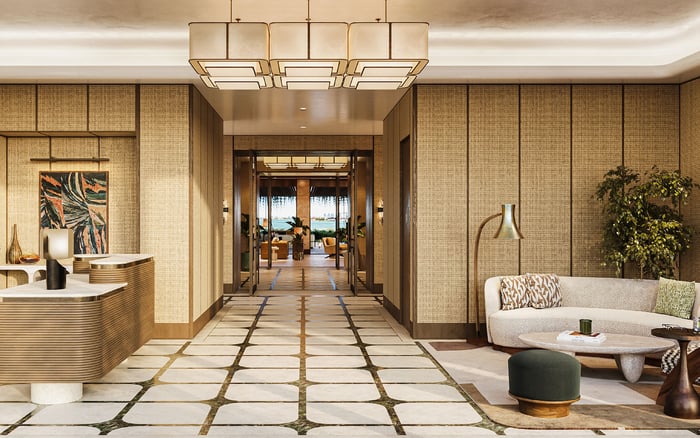
Valet also affects privacy. A trophy owner may not want guests, staff, and delivery personnel sharing the same small waiting zone. The more valuable the residence, the more important the threshold becomes. The arrival is not just functional; it is social architecture.
The real cost of insufficient valet capacity begins with time. A few minutes of waiting may seem trivial until it happens repeatedly, during the busiest weeks of the year, or at the exact moment an owner expects seamless service. Luxury buyers pay for control, and delay is a subtle loss of control.
There can also be household costs. Some owners compensate for friction by retaining a driver more often, using off-site storage for collectible cars, limiting guest parking, or changing how they host. None of those decisions necessarily appears in a pro forma, yet each one shapes the ownership experience.
Then there is the reputational cost. Buildings acquire narratives among residents, brokers, staff, and repeat buyers. A tower known for graceful arrivals can support confidence. A building known for congestion may invite questions, even if the residences themselves are exceptional. In the high-end resale conversation, small operational details can become large psychological ones.
This is where Pricing & Trends analysis should become more nuanced. Price per square foot, view premium, and brand positioning remain important, but they do not capture the full carrying experience. A penthouse with a slightly higher purchase price may prove more rational if its arrival, parking, and staffing systems reduce daily compromise.
Investment logic follows the same principle. The best luxury assets preserve desirability not only through design, but through ease. Future buyers may forgive a design preference. They are less forgiving of repeated inconvenience.
A serious buyer should visit at different times. A quiet mid-morning showing can flatter any building. The better test is during resident movement: school hours, dinner arrivals, weekend departures, holiday weeks, and event nights. If possible, observe the curb without theatrics. Watch whether attendants move with confidence, whether cars stack, and whether guests understand where to go.
Ask for clarity on assigned parking, valet protocols, guest parking rules, electric vehicle accommodations if relevant, loading access, and policies for oversized or specialty vehicles. Review governing documents and building rules with counsel. For new construction or pre-construction, ask how the developer has planned for peak occupancy and staffing, not just the renderings of the arrival court.
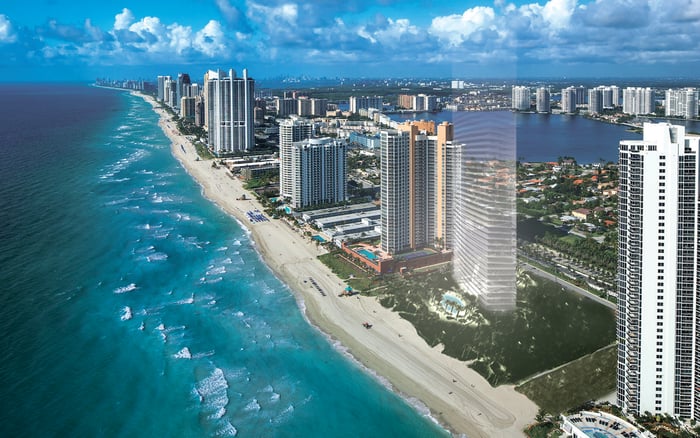
In Sunny Isles Beach, where many buyers are deeply car-oriented, vehicle handling can be central to the lifestyle proposition. A residence such as Bentley Residences Sunny Isles naturally invites buyers to think carefully about the relationship between automotive culture and residential service. In Coconut Grove or Grove Isle, where privacy and approach are often part of the appeal, buyers looking at Vita at Grove Isle may weigh the calm of arrival as part of the overall residential value.
The most useful question is simple: if every owner used the building the way the penthouse owner intends to use it, would the system still feel composed?
Valet capacity is not glamorous in the conventional sense. It does not sparkle in a rendering or sell a terrace at sunset. But in the daily life of a South Florida trophy penthouse, it can be one of the strongest indicators of whether a building has been designed for true luxury or merely styled to suggest it.
The best buildings treat arrival as a ritual. The car is received, guests are guided, staff are coordinated, and the resident moves from city to sanctuary without interruption. The weakest buildings make the owner negotiate that transition again and again.
For buyers, the lesson is direct: evaluate the porte cochère as carefully as the view. The penthouse begins before the elevator opens.
Why does valet capacity matter for a trophy penthouse? It affects daily convenience, privacy, guest flow, and how easily a large household functions during peak demand.
Is an assigned parking space enough? Not always. Assigned spaces matter, but arrival design, valet staffing, staging areas, and guest handling determine the experience.
Should buyers visit during busy hours? Yes. A building can feel flawless during a quiet showing and very different during morning departures or evening arrivals.
Can poor valet flow affect resale? It can influence buyer perception. Operational friction may become part of a building’s reputation over time.
What should a buyer ask before contract? Ask about parking rights, guest policies, staffing plans, loading access, vehicle size rules, and peak-hour procedures.
Does valet matter more in dense areas like Brickell? Often, yes. Dense urban settings place more pressure on arrival courts, curb management, and garage circulation.
Is this only an issue for car collectors? No. Even owners with modest vehicle needs may host guests, use drivers, receive vendors, or travel during peak periods.
Can a smaller boutique building solve the issue? It may help, but site design and staffing still matter. Low residence count alone does not guarantee smooth vehicle flow.
How does valet relate to privacy? A well-run arrival sequence limits unnecessary exposure between owners, guests, vendors, and other residents.
What is the simplest due diligence test? Watch the building during a busy period and ask whether the arrival feels calm, intuitive, and properly staffed.
For a tailored shortlist and next-step guidance, connect with MILLION.
If branded residences are on your mind — as a home or as an allocation — we would be glad to share what we are seeing, privately.
Begin a quiet conversation