A buyer-oriented guide to evaluating South Florida terraces by exposure, comfort, materials, and long-term livability rather than square footage alone.
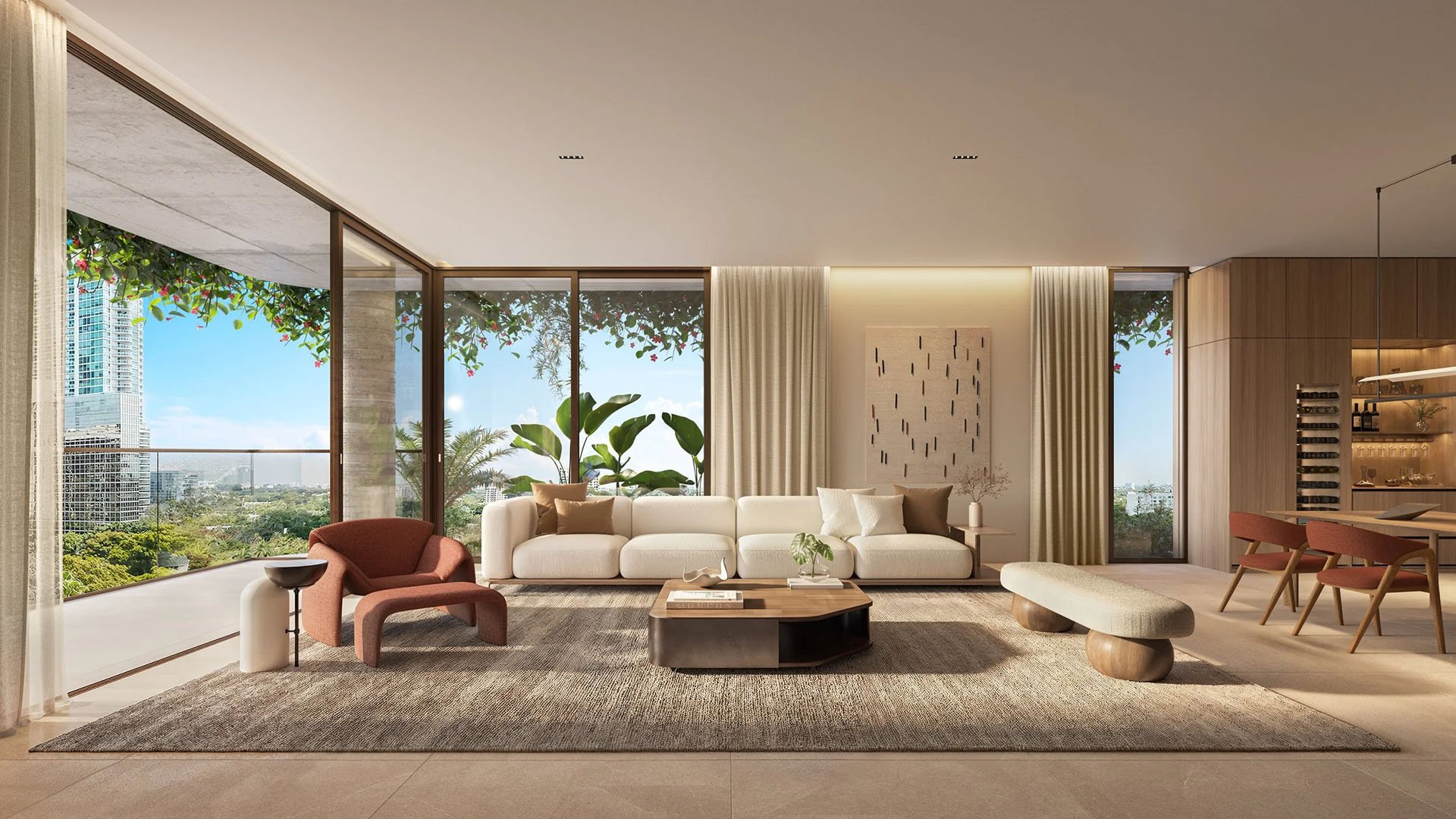
In South Florida, indoor-outdoor living is often sold through square footage, view corridors, and the romance of open glass. Yet the best terrace is not always the largest one. It is the one you use at breakfast, at golden hour, after a passing shower, and through the long humid months when wind, sun, and salt determine whether outdoor space feels effortless or ornamental.
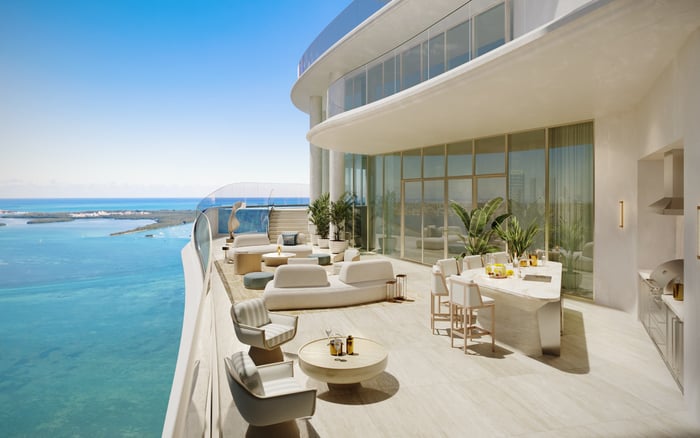
For a luxury buyer, the comparison should begin with exposure. A terrace facing open water may feel cinematic, while a more sheltered balcony can be calmer and easier to furnish. An oceanfront residence can deliver spectacular immediacy, but the same exposure that frames the view also asks more of materials, door systems, railings, fabrics, and maintenance routines. The question is not whether a terrace is beautiful on a listing tour. The question is how it performs as part of daily life.
This is especially important across markets such as Brickell, Surfside, Sunny Isles, Fort Lauderdale, and Palm Beach, where terraces range from protected urban loggias to broad coastal outdoor rooms. New-construction buyers should compare design intent as carefully as finishes, because the best indoor-outdoor plan is a calibrated system, not a decorative appendage.
Wind is the first comfort test because it affects everything: furniture placement, dining, conversation, planters, door operation, and how often the terrace feels usable. On an upper-floor visit, pause before stepping outside. Listen for whistling at the doors, feel whether the air moves evenly or in sharp gusts, and note whether corners amplify the force.
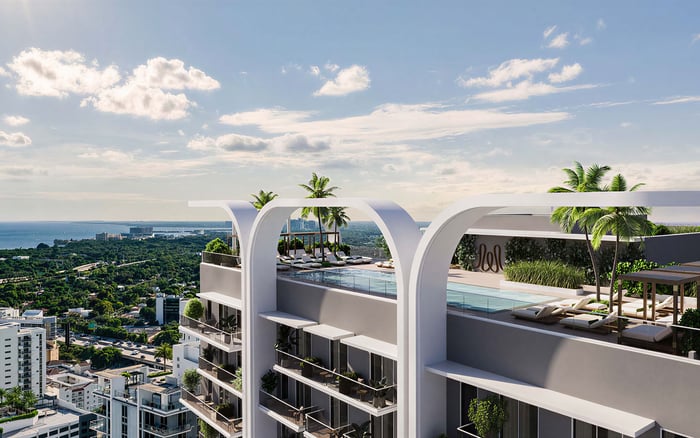
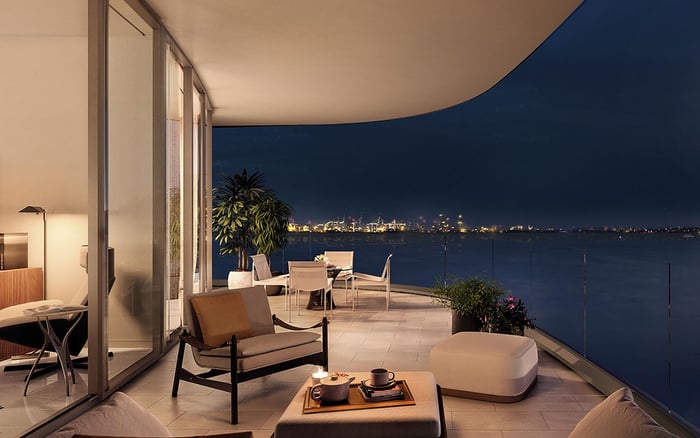
A deep terrace with side walls may feel more protected than a shallow projection. A curved or recessed outdoor room can soften the experience, while an exposed corner may offer drama but require more disciplined furnishing. In towers such as The Residences at 1428 Brickell, buyers should pay close attention to how high-rise elevation, orientation, and surrounding buildings shape the terrace microclimate.
Wind also changes how interiors behave. Large sliding panels can be magnificent when open, but buyers should ask how the doors seal, stack, lock, and drain. A true indoor-outdoor residence should transition gracefully without making the interior feel vulnerable every time the weather shifts.
Sun exposure is not only a lifestyle preference. It influences glare, cooling comfort, furniture longevity, plant selection, and whether a terrace can host lunch rather than only sunset cocktails. A west-facing terrace may have a dramatic evening mood, while a softer exposure can be more forgiving through the day. Neither is automatically superior. The right choice depends on how you live.
During a showing, stand in the main seating zone and imagine a full afternoon. Will the dining table be shaded? Will the primary bedroom receive strong glare through the glass? Are there overhangs, screens, deep soffits, or architectural recesses that make outdoor time more comfortable? Shade is a luxury feature when it is integrated, quiet, and easy to use.
Along Miami Beach, the conversation often becomes more nuanced because water, sand, glass, and pale surfaces can intensify brightness. At The Perigon Miami Beach, for example, the buyer lens should include not only the view, but also the rhythm of shade, privacy, and the way terraces relate to interior living spaces.
Salt air is part of the coastal bargain. It gives waterfront living its atmosphere, but it also tests exposed metals, stone, coatings, hardware, lighting, and outdoor kitchens. The most refined terraces acknowledge this quietly through material selection and maintenance planning.
Look closely at railings, fasteners, drains, thresholds, door tracks, and exterior cabinetry. Ask what finishes are specified for coastal exposure and what the association or project team recommends for cleaning. Outdoor fabrics, cushions, umbrellas, and rugs should be selected for the environment rather than borrowed from a dry-climate design mood board.
In Surfside, where boutique scale and proximity to the water can be central to the appeal, The Delmore Surfside invites a buyer to consider how elegance and coastal durability meet. A terrace should age with composure. If the detailing requires constant correction to look fresh, the luxury proposition weakens.
Terrace square footage is easy to market and often misleading. Depth matters more than raw area. A narrow strip may photograph well but struggle to hold a dining table, lounge seating, circulation, and planters. A deeper terrace can create true outdoor rooms, especially when the door opening is generous and the furniture plan has breathing space.
Privacy is equally important. Study sight lines from neighboring terraces, adjacent towers, amenity decks, and the shoreline. A spectacular view can lose its intimacy if the outdoor space feels observed. Screens, planting, ceiling depth, and side walls can help, but they need to be part of the architecture rather than improvised after closing.
At Bentley Residences Sunny Isles, as with other coastal towers, terrace evaluation should include the relationship between outdoor living and the interior arrival sequence. The best layouts make the terrace feel like an extension of the room, not a separate platform reached through heavy glass.
The details that decide terrace comfort are often the ones a buyer notices last. Drainage should appear intentional. Thresholds should feel secure and graceful. Exterior lighting should flatter the architecture without glaring into the living room. Electrical outlets, hose bibs, ceiling fans where provided, and grill or kitchen allowances should be understood before assuming a lifestyle plan.
Flooring deserves particular attention. Some surfaces retain heat, some become slippery when wet, and some require sealing or careful cleaning. A pale, elegant material may reduce visual heat, while a darker finish can create mood but become less inviting at midday. The right answer depends on the exposure and how often the residence will be occupied.
Also ask how storm preparation is handled. The most satisfying terrace is one that can be secured without turning every seasonal forecast into a logistical exercise. Furniture storage, planter weight, removable accessories, and association rules all matter.
A terrace for morning coffee is different from a terrace for evening entertaining. A terrace for a second home has different maintenance needs than one for a full-time residence. A family that dines outdoors twice a week should judge circulation and shade differently from a collector seeking a serene frame for art-filled interiors.
In West Palm Beach, Alba West Palm Beach offers a useful reminder that waterfront living is not one uniform category. River, bay, intracoastal, and ocean settings each create distinct expectations around wind, brightness, privacy, and maintenance. The most successful purchase aligns the terrace with the owner’s actual rhythm.
The best comparison is therefore experiential. Visit at different times if possible. Sit rather than stand. Open the doors. Notice where your eyes rest, where the breeze gathers, and whether conversation feels natural. A great terrace should not require imagination to feel livable.
When comparing indoor-outdoor living in South Florida, rank each residence by four tests: wind comfort, sun management, salt resilience, and spatial usefulness. The winner is rarely determined by a single heroic view. It is the home where architecture, exposure, and maintenance expectations work together.
For luxury buyers, this approach protects both lifestyle and long-term satisfaction. A terrace that performs well becomes part of the residence’s daily identity. It expands the living room, softens the climate, and turns water, skyline, or garden views into something more meaningful than scenery.
Is a larger terrace always better? No. Depth, shelter, privacy, and furniture usability often matter more than total square footage.
How should I evaluate wind during a showing? Step outside, sit down, and notice whether the breeze feels comfortable or disruptive in the main seating area.
Which exposure is best for sun control? There is no universal best exposure. The right choice depends on your daily schedule, shade preferences, and tolerance for glare.
Why does salt air matter for terrace design? Salt air can be demanding on exposed materials, so finishes, hardware, railings, and furniture should be chosen with coastal conditions in mind.
What terrace shape is most useful? A deeper, more regular shape usually supports dining, lounging, and circulation better than a narrow strip.
Should I ask about drainage? Yes. Drainage, thresholds, and door tracks are essential to comfort and should feel carefully resolved.
Are corner terraces always preferable? Not always. They may offer broader views, but they can also feel more exposed to wind and neighboring sight lines.
What should second-home buyers prioritize? They should focus on easy maintenance, secure furniture planning, durable materials, and clear association rules.
Can shade be added after purchase? Sometimes, but permissions and design limits may apply. Integrated architectural shade is usually more elegant.
What is the simplest comparison framework? Compare wind, sun, salt resilience, and usable layout before giving too much weight to terrace size alone.
If you'd like a private walkthrough and a curated shortlist, connect with MILLION.
If branded residences are on your mind — as a home or as an allocation — we would be glad to share what we are seeing, privately.
Begin a quiet conversation