A discreet, buyer-oriented framework for deciding between building a custom estate or buying an existing $10M+ home in South Florida, with real-world cost, code, and timeline considerations for 2026.
In South Florida, the ultra-luxury market operates by its own rules. For a $10M+ buyer, “build or buy” is rarely a pure design question. It’s a risk-allocation decision across four variables: time to enjoyment, certainty of total cost, regulatory complexity, and the degree of customization you truly require. The right answer can differ even between two waterfront lots on the same street.
Buying an existing luxury home is often the cleanest route to clarity. You can inspect the structure, understand the neighborhood’s rhythm, and move efficiently from contract to occupancy. For families balancing multiple residences, or executives who need a South Florida base now, that immediacy carries real value.
Buying can also define carrying costs sooner. Property taxes vary by county and municipality, and homestead rules can materially reduce taxable value for primary residences. Insurance is also a meaningful line item; requirements and pricing vary by home characteristics, location, and underwriting.
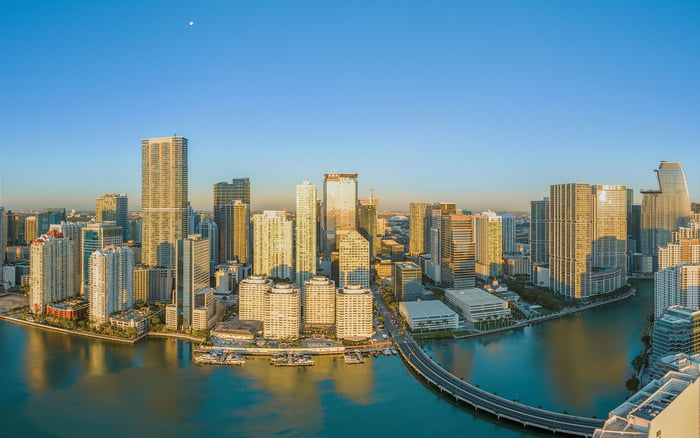
For buyers considering high-rise or branded residential living, “buy” can also mean stepping into an amenity ecosystem with established operations. In Brickell, for example, a finished condominium residence can deliver turnkey waterfront and skyline living with less exposure to construction volatility, while still feeling bespoke through interior design and selective renovations.
Building delivers the rarest commodity in a mature coastal market: precision. The ability to tune sightlines, setback relationships, room proportions, and security layers is difficult to replicate through resale. For second-home buyers who want a home that feels singular-or multi-generational families planning long holds-a custom build can be the most satisfying path.
Cost, however, demands a clear-eyed approach. Build costs vary widely based on design, structure, finishes, and site conditions. Waterfront and high-exposure locations can add complexity to the building envelope and systems selection, and those choices often ripple through the budget.
Another advantage of building is the ability to design directly to the region’s toughest standards. Parts of South Florida fall under High-Velocity Hurricane Zone (HVHZ) requirements, which can influence product selection and installation methods-particularly for openings and roofing. The result isn’t just compliance; it’s the kind of peace of mind that matters when your home is both a primary asset and a refuge.
Sophisticated buyers know the construction bid is only one chapter.
Soft costs-including architecture, engineering, permitting, and other pre-construction professional services-can be significant for custom luxury builds. They’re also where you buy down risk: sharper drawings, tighter coordination, clearer scopes, and fewer change orders.
Sitework can be a major swing factor in South Florida. Water-table conditions, drainage requirements, and subsurface realities can materially affect excavation and preparation budgets. Two lots of similar size can produce very different sitework numbers once conditions are verified.
Even when the design is locked, material and labor inputs can move. Buyers planning to build in 2026 typically fare best with a strategy that anticipates volatility rather than reacting to it: contingencies sized to the property’s complexity, allowance schedules aligned with the intended finish level, and contract structures that clarify how risk is shared.
Land is not simply land in South Florida. Zoning and land-use rules are set locally by city and county, and they control use, density, setbacks, height, and other constraints. A lot can look perfect and still be functionally unsuitable without variances or other approvals.
Water-adjacent sites can add another layer. Projects that affect wetlands, surface waters, or stormwater systems may trigger additional review and permitting. For waterfront or wetland-adjacent parcels, these triggers can influence both timeline and design constraints. Practically, that means a buyer choosing to build should evaluate permitting pathways as early as the architectural concept phase-not after.
This is also where the build vs buy equation often flips. If your target neighborhood has scarce inventory but predictable approvals, building can feel rational. If your dream lot introduces uncertain review outcomes, buying an existing home can be the more elegant solution.
A custom-home timeline commonly includes months for design and permits, followed by a year or more for construction. Complexity, approvals, and bespoke detailing can extend that. Even with a highly organized team, the critical path often runs through approvals, long-lead materials, and the sequencing of trades.
Buying, by contrast, can compress the timeline dramatically. For many $10M+ buyers, that time delta has a dollar value. It can mean an extra season enjoyed on the water, children in school without disruption, or simply less mental bandwidth committed to project management.
A hybrid strategy exists: buy a residence that is already aligned with your standards, then invest in a thoughtful renovation. This can preserve speed while still delivering personal expression-especially when the structure, elevation, and site orientation are already right.
At the $10M+ level, financing is often optional, but it can still be used for flexibility.
Construction lending commonly funds builds through staged draws and may convert to a long-term mortgage at completion, subject to lender terms. For buyers acquiring land first, financing may be structured differently than a completed-home purchase.
The practical takeaway is less about leverage and more about optionality: liquidity management, tax planning coordination, and keeping a portfolio balanced while a home is being built.
When buyers say they want “South Florida,” they often mean very different things.
In Brickell, vertical living can deliver a refined, service-oriented lifestyle with lock-and-leave ease. If your priorities are proximity, a design-forward environment, and an address that supports a global schedule, residences such as 2200 Brickell can illustrate why many buyers choose to buy rather than build in this corridor.
On Miami Beach, the calculus can shift. Ocean-adjacent or bayfront homes offer romance and privacy, but they also bring exposure: wind, salt, and stricter envelope expectations. Buyers who want modern beachfront living without taking on a full custom-home timeline often gravitate to boutique, design-led buildings such as 57 Ocean Miami Beach, where the “buy” option still feels deeply curated.
In Sunny Isles, the market has become a global reference point for new-construction oceanfront towers. If you want panoramic water views, high security, and minimal maintenance, purchasing in a premier building can feel like a rational luxury choice. A residence at Bentley Residences Sunny Isles speaks directly to buyers who value engineering, amenities, and a highly managed living environment.
In the Fort Lauderdale corridor, many buyers seek a balance between coastal energy and a slightly more relaxed rhythm, with easy access to boating and dining. For those who prefer a branded residential experience in a growing luxury node, Andare Residences Fort Lauderdale is the kind of product that can deliver a refined lifestyle with fewer moving parts than a ground-up build.
These choices aren’t simply geographic; they represent different forms of convenience, privacy, and control.
For 2026, the strongest build vs buy decisions tend to follow a quiet, rigorous framework.
First, define your non-negotiables. If the home must have a precise orientation, a specific security perimeter, or a bespoke program (for example: wellness space, gallery walls, or staff circulation), building may be the only true path.
Second, price the risk-not just the square footage. Budget beyond the visible finishes: include soft costs, realistic sitework assumptions, and contingencies that reflect the property’s exposure and complexity.
Third, treat permitting as a primary filter. Zoning constraints, potential variances, and additional environmental or stormwater review can decide feasibility long before interiors are imagined.
Finally, be honest about your timeline tolerance. If you want certainty and immediate enjoyment, buy. If you want singularity and are willing to manage time and complexity, build.
What’s the cleanest way to choose between building and buying at $10M+? Start with timeline tolerance, cost certainty, regulatory complexity, and how much customization you truly need.
When does buying typically outperform building in South Florida? When speed to occupancy and known existing conditions matter more than total architectural control.
When does building a custom home make the most sense? When your requirements for privacy, layout, security, or site-specific views can’t be met by resale inventory.
What are the biggest “hidden” costs when building? Soft costs (design/engineering/permitting), sitework variability, and contingencies for complexity and exposure.
Why can two similar lots produce very different build budgets? Subsurface conditions, drainage needs, and scope triggers tied to proximity to water can change sitework and approvals.
How can zoning impact a build vs buy decision? Setbacks, height, lot coverage, and use constraints can make an attractive lot functionally unbuildable without approvals.
What does HVHZ mean for luxury buyers? It can affect product selection and installation standards (especially openings and roofing), which can influence specs and timelines.
How long should buyers expect for a custom build timeline? Commonly months for design and approvals, plus a year or more for construction, with complexity potentially extending both.
Is renovating after purchase a viable middle path? Yes-buying a well-sited home and renovating can preserve speed while improving finishes and tailoring the layout.
How do I start a discreet search across South Florida’s ultra-luxury options? Begin by clarifying your preferred home type (estate vs condo), neighborhood, and timeline, then align the search and underwriting to those priorities with MILLION Luxury.
If branded residences are on your mind — as a home or as an allocation — we would be glad to share what we are seeing, privately.
Begin a quiet conversation