A buyer-focused look at how discreet walkway lighting can support security, comfort, coastal sensitivity, and architectural value across Palm Beach luxury properties.
In Palm Beach, the strongest security features rarely announce themselves. They are integrated, proportioned, and nearly invisible until needed. Walkway lighting belongs in that category. It guides arrival, defines the edge between landscape and architecture, supports camera performance, and helps residents and guests move through an estate with confidence after dark.
For luxury buyers, the question is no longer whether a path is illuminated. It is how intelligently the light is composed. A front walk, garden passage, pool approach, motor court edge, and beachside path each carry different visual demands. Too little light can create uncertainty. Too much can flatten architecture, irritate neighbors, disturb the mood of a tropical garden, and undermine the discretion that defines the Palm Beach aesthetic.
That is why walkway lighting standards now belong in the same security conversation as gates, access control, and surveillance. A refined system is not simply brighter. It is layered, shielded, durable, and aligned with the property’s architectural language.
The best walkway lighting clarifies movement without making a home feel exposed. That balance is especially important for waterfront and garden-driven properties, where privacy is a premium and exterior spaces are part of daily residential life.
Rather than relying on a single row of bright fixtures, a sophisticated plan typically uses multiple low-profile effects: path-level illumination for footing, subtle grazing on steps or walls, controlled accents at decision points, and restrained light near entries. The result is orientation without the institutional character of overlit security.
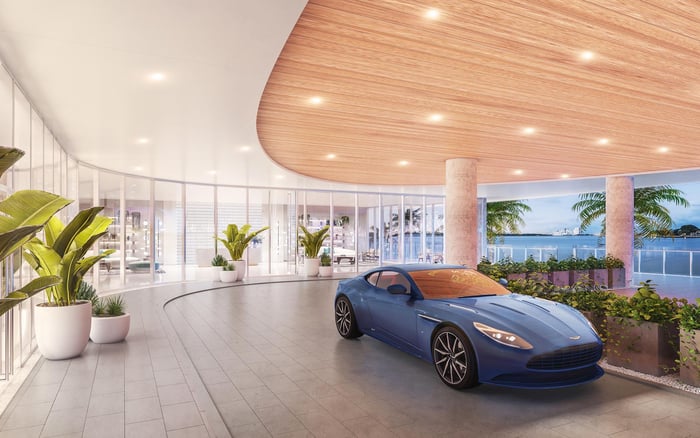
The same thinking applies to condominium and branded residential settings. At Palm Beach Residences, buyers evaluating exterior circulation should look beyond lobby finish palettes and consider how evening arrivals are choreographed from curb to threshold. Lighting is part of that sequence. It shapes first impressions while quietly reinforcing control.
Walkway lighting is most effective when it addresses transitions: changes in grade, steps, turns, garden thresholds, porte cochere approaches, side gates, and paths leading to outdoor living areas. In luxury property security, these moments matter because they are where movement slows and attention shifts.
A well-designed system should make the next step intuitive. It should also avoid deep pockets of darkness directly beside illuminated zones, where contrast can make a landscape feel less secure. The goal is visual continuity, not theatrical brightness.
Camera planning also belongs in the conversation. Walkway lighting that creates heavy glare, strong backlighting, or reflective hot spots can reduce the usefulness of other security components. A refined plan considers fixtures, cameras, landscape material, glass, water, and paving as one nighttime environment. This is especially relevant for estates with reflective pools, polished stone, or large glazed openings.
Palm Beach luxury is inseparable from the coast. That context makes exterior lighting a design responsibility, not only a lifestyle choice. Coastal settings call for control: careful aiming, appropriate shielding, restrained brightness, and fixture locations that respect the broader nighttime environment.
For properties near sensitive shorelines, lighting should avoid spilling outward where it is not needed. A walkway can be safe and elegant without washing an entire dune, lawn, or facade in light. The most effective schemes keep illumination close to the task, lower to the ground, and directed with precision.
This restrained approach also supports design review. Even when a buyer is focused on security, the presentation should show how the lighting preserves neighborhood character, limits glare, and complements architecture. In Palm Beach, discretion is not a cosmetic preference. It is often the difference between a security upgrade that feels native to the property and one that feels imposed.
Across waterfront residences, the appeal of a polished arrival experience rests on subtle transitions between public, semi-private, and private zones. The more refined the lighting, the less it needs to call attention to itself.
Walkway lighting in South Florida must be beautiful at installation and resilient over time. Salt air, humidity, irrigation, heat, landscape growth, and frequent maintenance activity can all affect fixture performance and appearance. For ultra-premium properties, durability is part of design quality.
Buyers should look closely at fixture materials, lens clarity, mounting stability, conduit planning, service access, and compatibility with landscape changes. A fixture that looks elegant in a presentation can disappoint if it corrodes visibly, tilts after routine landscaping, or disappears behind fast-growing planting.
Maintenance planning is also a security issue. If a property depends on exterior lighting for safe circulation, fixtures must remain consistent. Burned-out path lights, mismatched color temperatures, and uneven replacement fixtures can erode both safety and atmosphere. The highest standard is a system that is easy to service without disturbing the landscape composition.
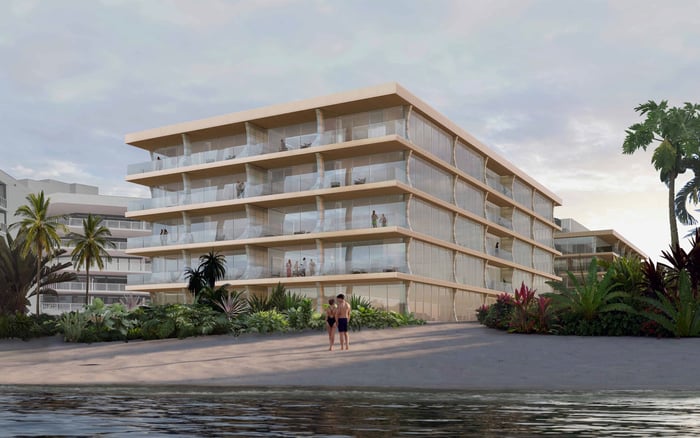
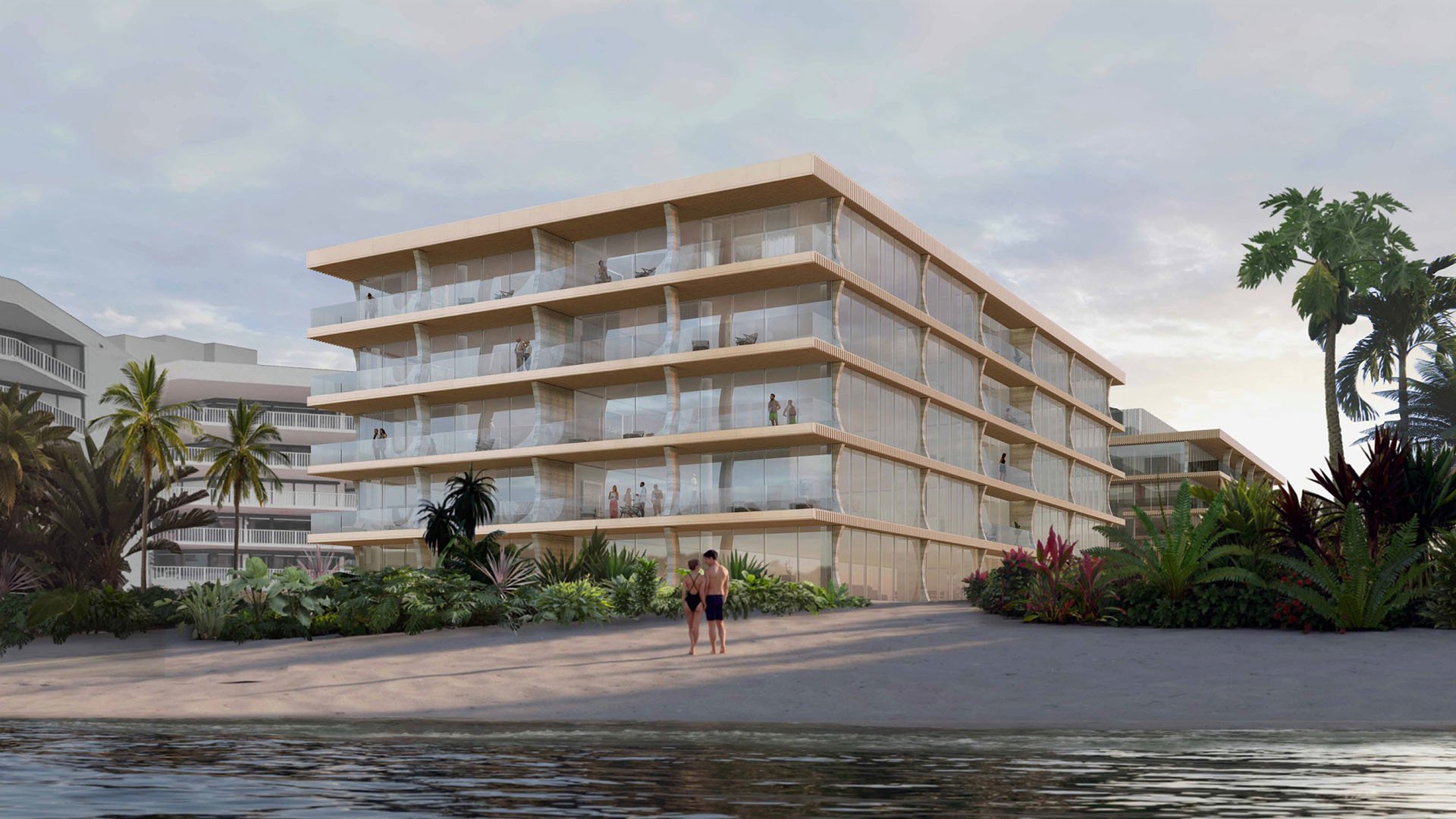
In West Palm Beach, newer residential environments such as Forté on Flagler West Palm Beach invite buyers to evaluate how waterfront arrival, garage access, pedestrian movement, and outdoor amenity paths feel after sunset. The evening experience is part of the property’s value proposition.
For luxury purchasers planning renovations, walkway lighting should be discussed early with the architect, landscape architect, lighting designer, and security consultant. Waiting until the end can lead to visible compromises: exposed conduit, fixtures in the wrong scale, overlit paths, or a security system that fights the architecture.
The better approach begins with a nighttime circulation map. Where do owners arrive? Where do guests pause? Which paths are used daily? Which are ceremonial? Where are the vulnerable transitions between vehicle, garden, entry, terrace, pool, and water? Once these moments are understood, the lighting can support both behavior and beauty.
Buyers should also ask whether the plan can be adjusted seasonally or by scene. A dinner path, late-night arrival, staff route, and security response may not require the same lighting level. Discreet control gives the property range without adding visual clutter.
The vocabulary also matters in search and planning conversations. Palm Beach, West Palm Beach, oceanfront, beach-access, gated-community, and new-construction properties may each require a different exterior lighting strategy, but the buyer’s objective is the same: quiet confidence after dark.
A polished daylight tour can conceal weaknesses that appear only at night. Serious buyers should request an evening walkthrough when possible. The experience should feel composed from the moment the car arrives to the moment the resident reaches the private interior.
Key questions include whether walkways are evenly legible, whether steps and edges read clearly, whether glare appears from seated areas, whether cameras are helped or hindered, and whether fixtures feel proportionate to the architecture. Buyers should also consider whether the system can adapt to future landscaping, security upgrades, or changes in outdoor living patterns.
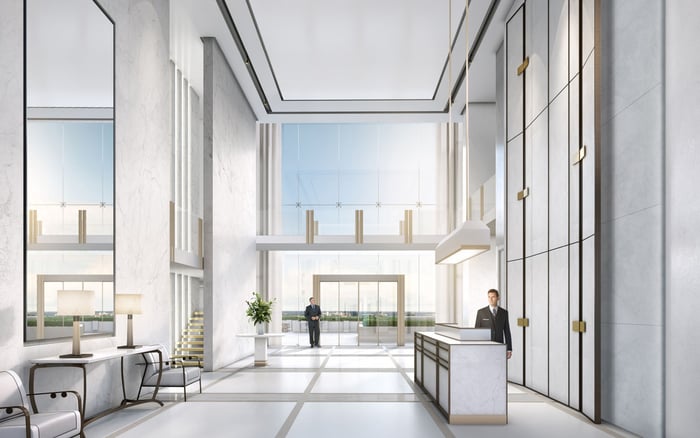
At The Ritz-Carlton Residences® West Palm Beach, as with other luxury residential settings, the distinction is in orchestration. Exterior lighting should support hospitality, privacy, and security in one continuous gesture.
Why does walkway lighting matter for luxury property security? It improves orientation, reduces uncertainty, and supports other security measures without making the property feel overexposed.
Is brighter lighting always safer? No. Excess brightness can create glare, harsh contrast, and visual discomfort. Controlled, layered lighting is usually more refined.
What areas should buyers inspect at night? Focus on entries, steps, garden turns, side paths, motor courts, pool approaches, and any transition between public and private space.
How does coastal location affect walkway lighting? Coastal properties benefit from shielded, directed, and restrained lighting that limits spill while preserving safe circulation.
Should lighting and security cameras be designed together? Yes. Poorly aimed fixtures can create glare or contrast that interferes with camera performance and human visibility.
What fixture qualities matter in Palm Beach? Buyers should prioritize durable materials, stable mounting, service access, consistent color quality, and resistance to coastal wear.
Can walkway lighting improve resale appeal? A refined nighttime arrival can strengthen perceived care, privacy, and architectural quality, all of which influence buyer confidence.
Should estates use visible path lights everywhere? Not necessarily. Some paths are better served by concealed, low-level, or architectural lighting that feels less repetitive.
When should lighting be planned during a renovation? It should be planned early, alongside architecture, landscape, drainage, access control, and exterior electrical infrastructure.
What is the ideal luxury lighting impression? The property should feel calm, legible, private, and secure, with lighting that appears intentional rather than added after the fact.
For a discreet conversation and a curated building-by-building shortlist, connect with MILLION.
If branded residences are on your mind — as a home or as an allocation — we would be glad to share what we are seeing, privately.
Begin a quiet conversation