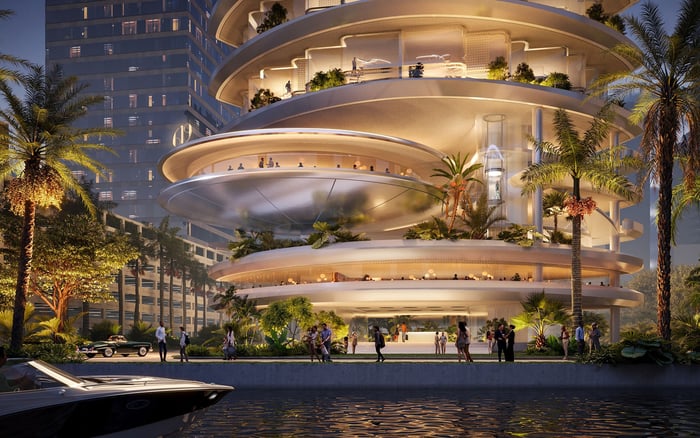
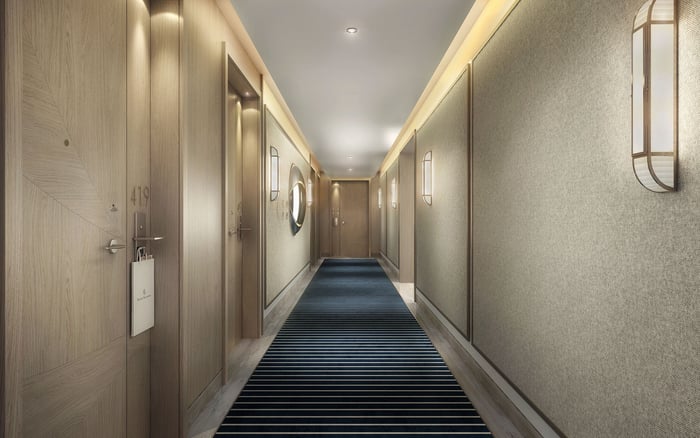
A buyer-focused guide to evaluating 1428 Brickell and comparable Brickell residences amid 2026 coastal construction moratorium concerns, with emphasis on contracts, timelines, diligence, and long-term positioning.
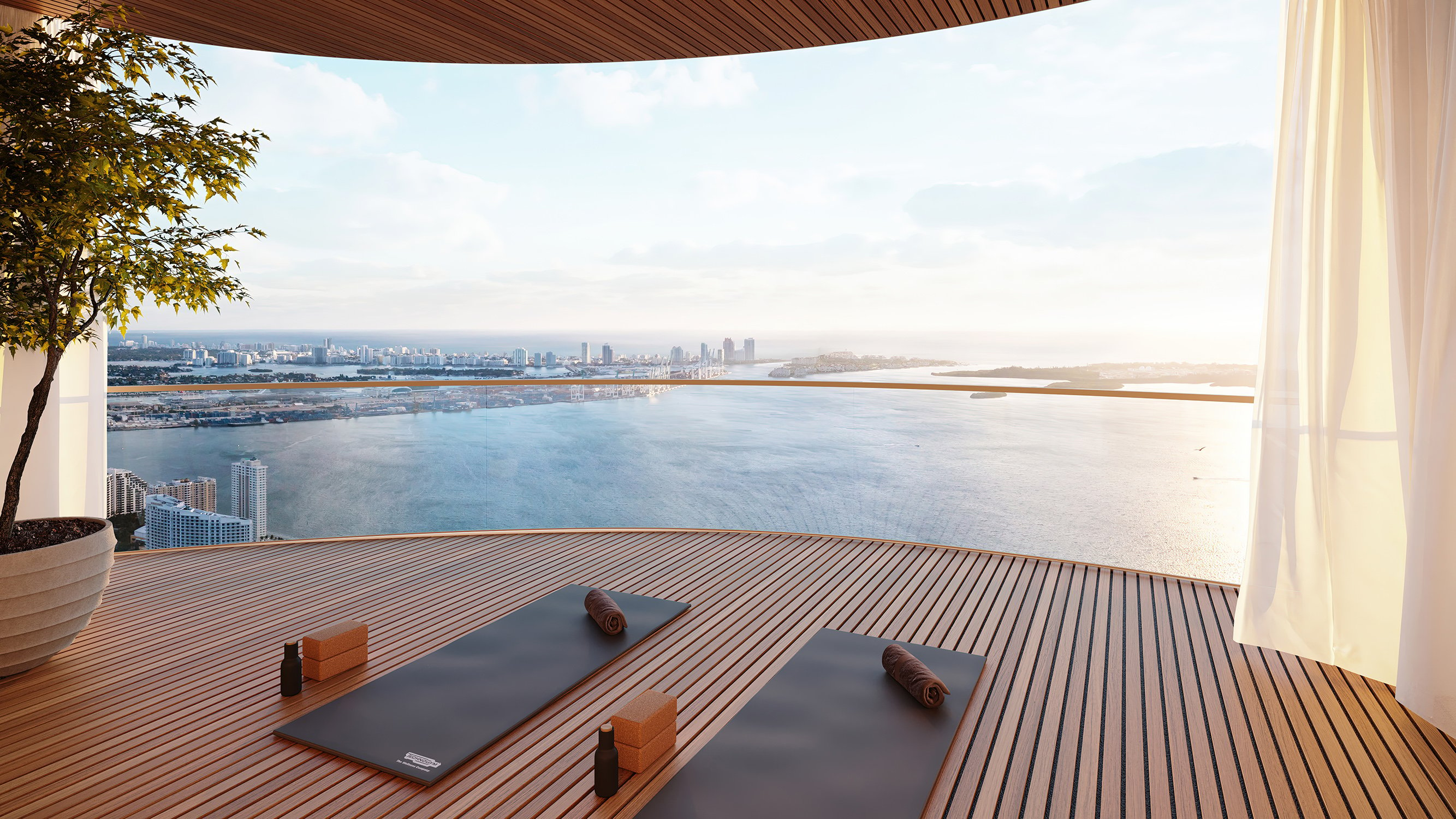
For luxury buyers considering Brickell, the conversation around a 2026 coastal construction moratorium calls for discipline, not drama. The essential question is not whether Brickell remains desirable. It is how a purchaser should assess timing, approvals, contractual protections, and future delivery risk while a project is still moving through the development life cycle.
That distinction matters for buyers studying The Residences at 1428 Brickell, where the address places the purchase decision within one of Miami’s most watched high-rise corridors. The Residences at 1428 Brickell also provides a useful lens for comparing Pre-construction expectations with New-construction certainty across Brickell. In a market where design, privacy, services, and views all command premiums, construction timing has become part of the luxury underwriting conversation.
A sophisticated buyer should not treat the word moratorium as a single, fixed condition. It can describe different limitations depending on the jurisdiction, the activity being restricted, the location of the work, and the project’s permit status. The right response is to ask precise questions, not to assume that every coastal or waterfront-adjacent project carries the same exposure.
In high-value condominium purchases, headline risk and contract risk are rarely identical. A public discussion about construction limits may sound sweeping, while the actual effect on a buyer can depend on whether the relevant work is already permitted, whether the building schedule includes contingencies, and whether the purchase agreement gives the developer defined extension rights.
For a 1428 Brickell buyer, the first step is to identify where the project stands in its entitlement, permitting, financing, and construction sequence. A restriction affecting early-stage demolition is different from one affecting utility work, staging, shoreline activity, or vertical construction. Buyers should seek clarity on the specific phase of work that could be affected, then review how the agreement allocates time risk.
This is where legal review becomes more than a formality. Outside dates, force majeure provisions, deposit treatment, notice requirements, and cancellation remedies can shape the practical outcome of any delay. In the luxury segment, a clear understanding of timing can be as important as a preferred floor plan or a coveted Terrace orientation.
A prudent Brickell purchaser should begin with four questions. First, what permits have been issued or remain pending. Second, what construction milestones are complete or contractually scheduled. Third, what rights does the developer have to extend delivery. Fourth, what remedies does the buyer have if the schedule changes materially.
The same framework applies when comparing nearby residences. Buyers evaluating Cipriani Residences Brickell may be drawn to hospitality-driven living, while those studying St. Regis® Residences Brickell may prioritize branded service and waterfront presence. In each case, however, the timing analysis should be project-specific. A strong brand does not eliminate the need to understand construction status, contract language, and delivery assumptions.
Buyers should also distinguish lifestyle timing from investment timing. A primary resident may focus on when the home can be occupied, how school or office routines can be aligned, and how long interim housing may be needed. An Investment buyer may focus on capital deployment, opportunity cost, resale timing, and whether delayed delivery could affect future liquidity.
Construction constraints can affect perceived scarcity, but they can also complicate buyer confidence. If new supply becomes harder to deliver, completed or farther-along residences may feel more valuable to certain purchasers. At the same time, uncertainty around delivery can make some buyers more selective about deposits, financing flexibility, and developer track record.
That is why comparisons across Brickell should be careful rather than casual. Una Residences Brickell may enter a buyer’s search for its waterfront-oriented profile, while 2200 Brickell may appeal to those seeking a different scale and neighborhood rhythm. These choices are not interchangeable simply because they share a district. Each building has its own status, design proposition, association structure, and timing considerations.
For buyers, the practical approach is to underwrite three scenarios: on-time delivery, a moderate delay, and an extended delay that requires a different living or capital plan. A luxury purchase should still feel composed under all three scenarios.
Before committing to a 1428 Brickell purchase, buyers should request a plain-language explanation of the construction schedule and the events that could modify it. They should ask whether any coastal or municipal restrictions are expected to affect the project, what approvals are already in hand, and how updates will be communicated.
The purchase agreement should then be reviewed in detail. The most important sections often include deposit milestones, developer extension rights, outside closing dates, assignment rules, default provisions, and any clauses addressing government action or construction interruption. A buyer should understand not only the expected delivery, but also the permitted range around that expectation.
Financing and insurance planning should begin early. Even cash buyers benefit from understanding how a delayed closing could affect liquidity, portfolio allocation, and future carrying costs. For financed buyers, rate locks, loan approvals, and appraisal timing require coordination with the project schedule.
The strongest buyers in this environment are not the ones who ignore risk. They are the ones who define it precisely. In Brickell, where international capital, design ambition, and urban waterfront living converge, the difference between anxiety and confidence is usually preparation.
A 2026 moratorium conversation should therefore sharpen the buyer’s process. It should lead to better questions, cleaner contract review, and more thoughtful comparisons among residences. For the right buyer, 1428 Brickell can still be evaluated through the classic luxury criteria of architecture, privacy, service, views, and long-term desirability. The added layer is timing, and timing should be managed with professional care.
Does a coastal construction moratorium automatically stop a Brickell condo purchase? No. A buyer should determine whether any restriction applies to the specific project, work phase, and permit status before drawing conclusions.
What is the first document a 1428 Brickell buyer should review? The purchase agreement is essential because it defines timing rights, extension provisions, deposit obligations, and buyer remedies.
Should buyers avoid Pre-construction during moratorium uncertainty? Not necessarily. Pre-construction can still be appropriate when the buyer understands the schedule, contract protections, and capital timeline.
How can New-construction compare with pre-construction in this setting? New-construction may offer more immediate certainty, while pre-construction may offer earlier selection and a different pricing or design opportunity.
Can a delay affect resale value? It can influence buyer sentiment and timing, but the effect depends on supply, demand, building quality, and broader market conditions.
What should Investment buyers model before signing? They should model on-time delivery, moderate delay, extended delay, liquidity needs, and potential changes in resale or rental timing.
Does Brickell face the same risk as oceanfront neighborhoods? Not automatically. Brickell’s exposure must be evaluated by location, permit status, and the specific type of work involved.
Are branded residences protected from construction timing risk? Brand strength can support confidence, but it does not replace review of permits, construction milestones, and contractual language.
What role does a Terrace play in buyer evaluation? Terrace design can influence lifestyle value, view enjoyment, and resale appeal, but it should be weighed alongside timing and building fundamentals.
How should buyers compare 1428 Brickell with other Brickell projects? They should compare project status, contract terms, services, floor plans, views, association structure, and delivery assumptions.
To compare the best-fit options with clarity, connect with MILLION.
If branded residences are on your mind — as a home or as an allocation — we would be glad to share what we are seeing, privately.
Begin a quiet conversation