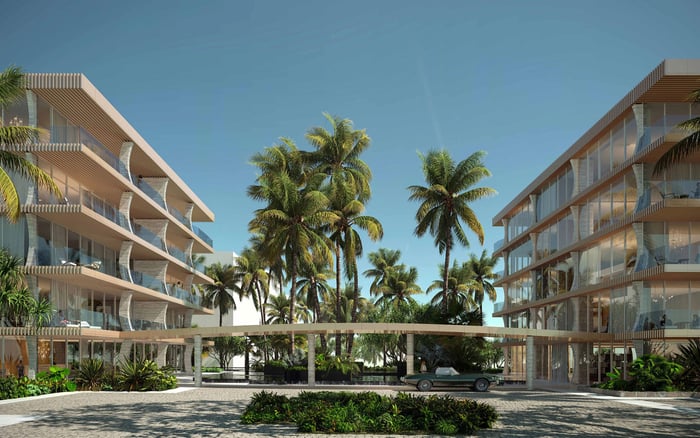
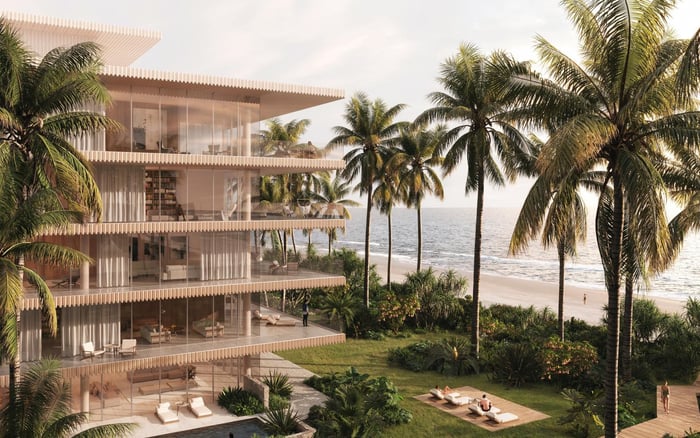
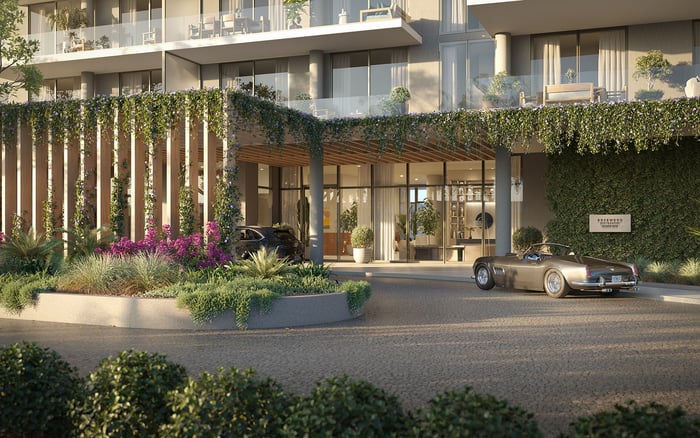
Palm Beach Residences brings emergency-generator fuel planning into the language of quiet luxury, where resilience is measured by comfort, continuity, and discretion during prolonged outages.
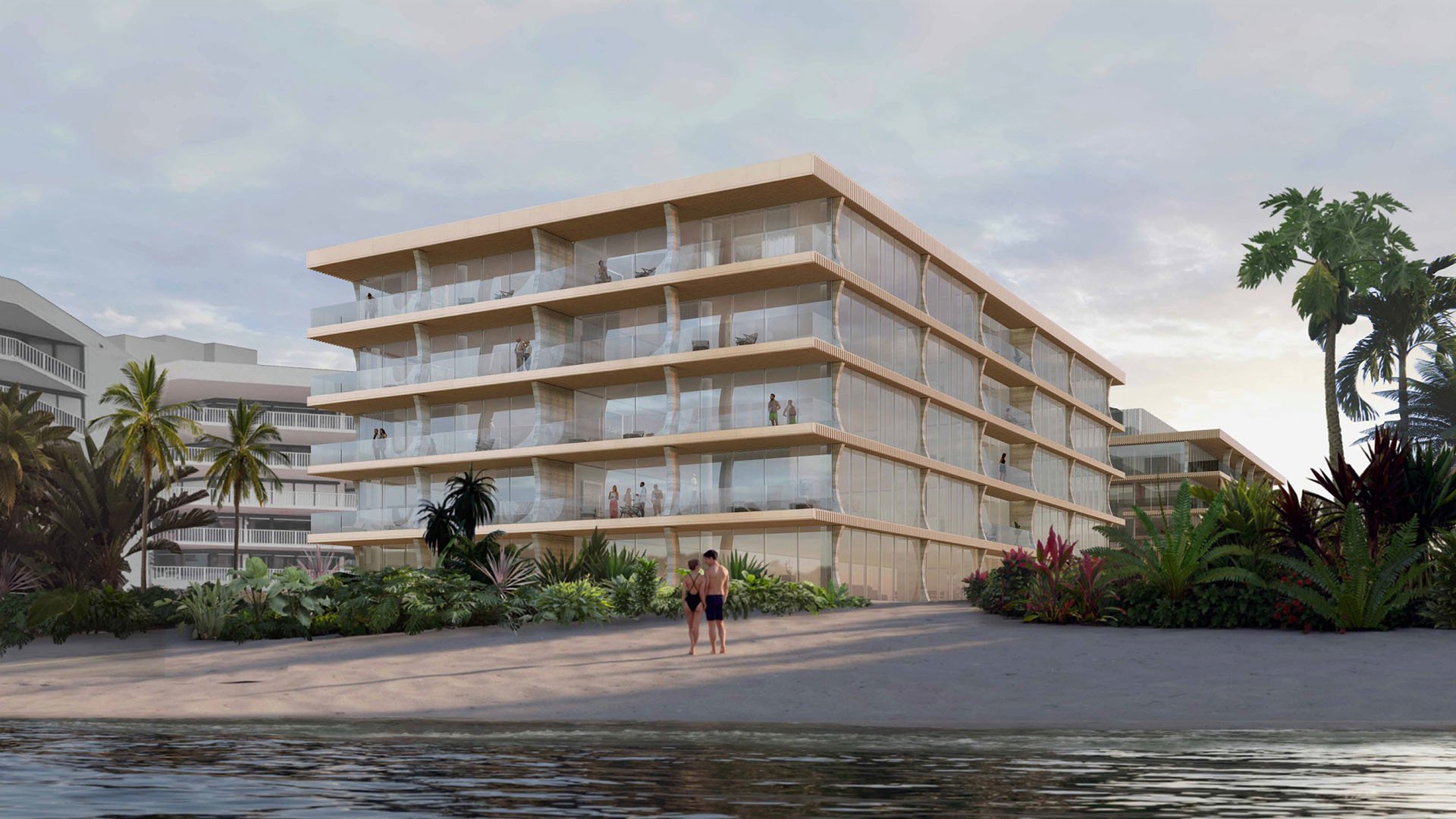
In Palm Beach, luxury is often expressed through what residents never have to consider. The elevator arrives. The air stays cool. Security systems remain alert. Refrigeration, connectivity, lighting, and water pressure feel uninterrupted, even when the wider environment is under stress. That is the essence of quiet luxury in a storm-prone coastal market: the absence of inconvenience.
Palm Beach Residences sits within a South Florida context where climate risk, high-value property, and ultra-high-net-worth expectations converge. For buyers evaluating beachfront condominiums, gated estates, or highly serviced residences, emergency power is no longer a technical footnote. It is part of the living standard.
Yet the generator itself is only the visible emblem of resilience. The more decisive question is fuel. A respected brand, a substantial kW rating, and an elegant equipment room do not guarantee continuity if the usable fuel plan cannot support the property under realistic load. In an extended outage, runtime is not a marketing phrase. It is the difference between managed comfort and rapid compromise.
Generator fuel planning begins with a simple but revealing question: how long can the property keep essential systems operating before usable fuel is depleted? In a luxury environment, essentials may extend well beyond egress lighting and a single elevator. Residents may expect continued air conditioning, chilled water, domestic water pumps, refrigeration, internet access, security systems, access control, and enough vertical circulation to keep daily life orderly.
That gap between technical compliance and lived experience is where resilience conversations become serious. A building can satisfy a minimum emergency-power standard while still falling short of what owners believe they purchased. The issue is not whether a generator exists. The issue is whether the fuel strategy matches the way residents expect to occupy the property during disruption.
For Palm Beach owners, that distinction is especially important because many homes and residences function as sanctuaries, family gathering places, and second-home retreats. If an owner assumes a residence is effectively off-grid capable for several days, the fuel plan must be tested against that assumption. Otherwise, confidence may rest on the wrong metric.
Code-minimum emergency power is designed around life safety and basic building function. Luxury-level resilience asks a broader question: what experience should residents have when the grid is unavailable, deliveries are delayed, and normal service patterns are interrupted?
The risk is that fuel storage and runtime are sized around narrow emergency loads while resident expectations are anchored to comfort loads. A plan that keeps limited lighting active and one elevator available may be fundamentally different from a plan that supports partial cooling, water systems, security, connectivity, and back-of-house operations. Both may involve a generator. Only one may feel like quiet luxury.
This is why scenario-based planning matters. Developers, condo boards, estate managers, and advisors need to model plausible operating conditions, not just idealized load sheets. What happens if multiple comfort systems are engaged at once? Which amenities are intentionally suspended? Which services remain protected? Who has authority to adjust loads as fuel levels change? The most refined buildings answer those questions before the first storm watch appears.
In search language, tags such as Palm-beach, West-palm-beach, Oceanfront, Gated-community, New-construction, and Second-home may seem like lifestyle preferences. In practice, they increasingly point to the same underlying buyer concern: whether the property can remain composed when the surrounding grid does not.
A serious emergency-generator fuel plan should align five elements: system capacity, expected runtime, fuel logistics, sensory control, and operating governance. Capacity determines what the generator can support. Runtime determines how long it can support those systems under real conditions. Logistics determine whether fuel can be replenished when roads, vendors, and access routes are under strain. Sensory control determines whether residents can enjoy resilience without noise, vibration, or odor becoming part of the experience. Governance determines who makes decisions when tradeoffs are unavoidable.
For a condominium board, this may mean reviewing whether the fuel plan reflects current resident expectations rather than original assumptions. For a developer, it may mean presenting emergency power as part of the amenity package with the same care given to spa, arrival, and private-service programming. For an estate manager, it may mean validating fuel condition, supplier relationships, access protocols, and load priorities before peak storm season.
The most valuable planning is often invisible. It sits in contracts, maintenance routines, access diagrams, equipment testing, and resident communication policies. It is not glamorous, but it is precisely the kind of infrastructure that protects glamour from interruption.
Quiet luxury is not only about having power. It is about how that power feels. Generator noise can alter a terrace experience. Vibration can travel through structure. Diesel odors can compromise pool decks, arrival courts, and outdoor rooms. In a refined residential setting, these are not minor details. They shape whether resilience feels seamless or improvised.
The best planning treats acoustics and air movement as part of the resident experience. Location, screening, ventilation, exhaust direction, maintenance condition, and operating protocols all matter. A generator that performs mechanically but disrupts the most desirable spaces still has a luxury problem.
This is especially relevant in coastal properties, where indoor-outdoor living is central to value. Terraces, gardens, cabanas, and pool environments are part of daily life. Emergency infrastructure should protect those spaces, not dominate them. The quietest solution is not necessarily silent equipment. It is a coordinated plan that keeps residents comfortable while keeping the machinery of resilience discreet.
For buyers and advisors, the smartest resilience inquiry is not simply, “Does the building have a generator?” A better question is, “What is the fuel plan under realistic operating assumptions?” From there, the conversation can move to load priorities, anticipated comfort levels, replenishment strategy, maintenance discipline, and governance during an extended outage.
This framing changes emergency power from a checkbox into a measure of operational sophistication. It also helps compare properties more intelligently. Two residences may both advertise emergency power yet deliver very different experiences when roads are difficult, suppliers are constrained, and residents want normalcy.
Palm Beach luxury has always prized discretion. The next expression of that discretion may be infrastructure that works quietly enough to disappear. Emergency-generator fuel planning belongs in that conversation because it translates resilience into daily comfort. In the most considered homes and buildings, the luxury is not the generator. The luxury is never having to negotiate with discomfort.
Why does fuel planning matter more than the generator brand? During a prolonged outage, runtime depends on usable fuel under realistic load, not simply on the nameplate or kW rating.
What should luxury residences expect emergency power to support? Expectations may include elevators, air conditioning, chilled water, potable water systems, refrigeration, security, and connectivity.
Is code-minimum emergency power enough for Palm Beach buyers? It may satisfy basic life-safety needs, but it may not match the comfort and continuity expectations of luxury residents.
What is the main fuel-planning mistake? The common risk is sizing fuel around limited emergency loads while residents expect broader building comfort and operations.
Who should be involved in the planning conversation? Developers, condo boards, estate managers, advisors, and operations teams should align expectations before an outage occurs.
How does quiet luxury relate to generators? Quiet luxury means residents feel continuity, safety, and comfort without seeing or hearing the infrastructure behind it.
Why are acoustics and odors part of resilience planning? Noise, vibration, and diesel smells can compromise terraces, pool decks, and residences even when power remains available.
Should buyers ask about fuel replenishment? Yes. Storage matters, but replenishment logistics can become equally important during extended storms or supply-chain interruptions.
Can a residence be effectively off-grid for several days? That depends on the property’s fuel capacity, operating loads, replenishment plan, and governance during changing conditions.
What is the best way to shortlist comparable options for touring? Start with location fit, delivery status, and daily lifestyle priorities, then compare stacks and elevations to validate views and privacy.
To compare the best-fit options with clarity, connect with MILLION.
If branded residences are on your mind — as a home or as an allocation — we would be glad to share what we are seeing, privately.
Begin a quiet conversation