A buyer-oriented guide to deciding whether walkability or private arrival should lead the search for weekly travelers choosing a South Florida residence.
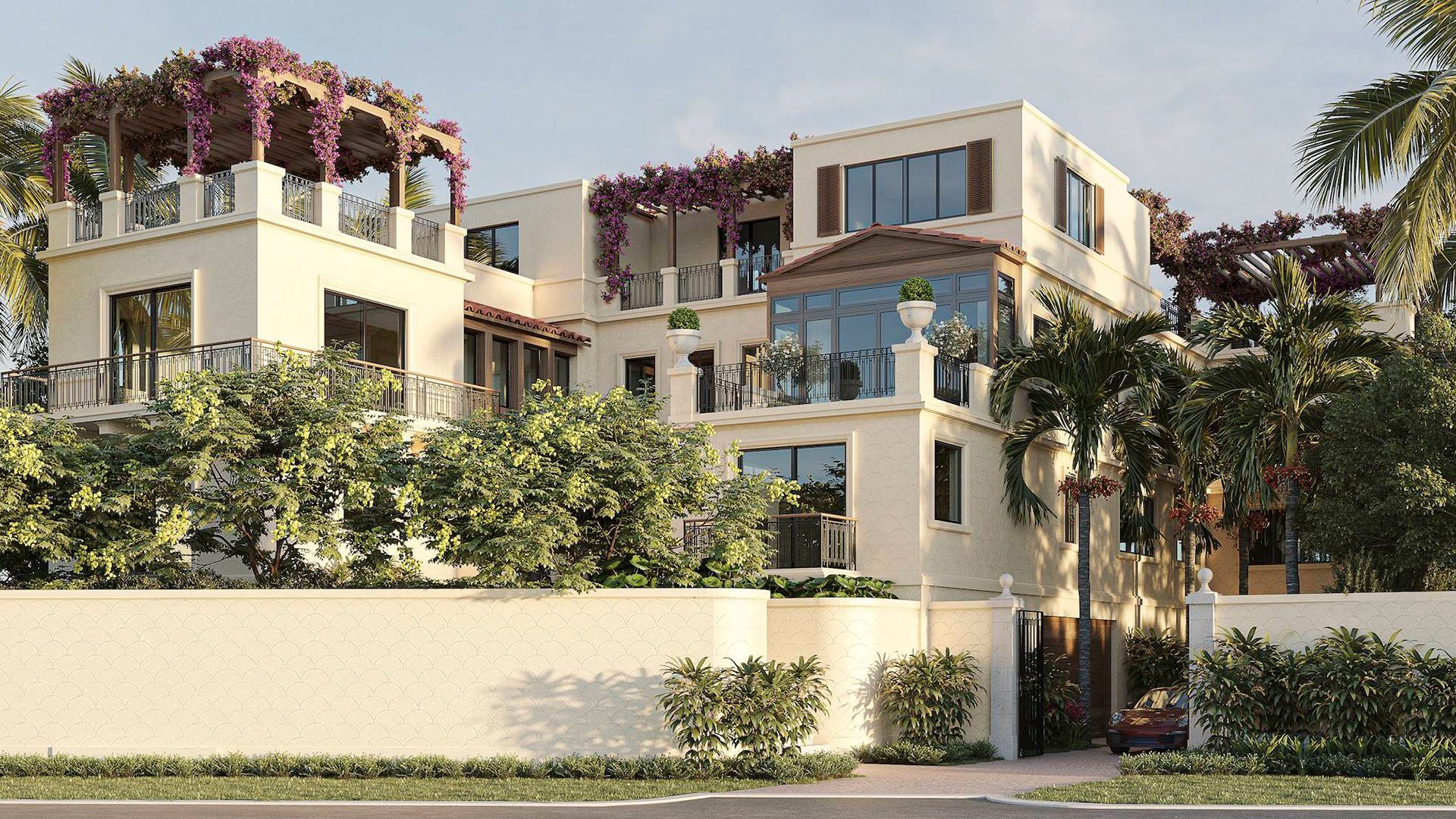
For buyers who travel weekly, the choice between walkability and private arrival is not aesthetic. It is operational. A residence must work on Sunday night after a delayed return, on Monday morning before an early departure, and on Thursday evening when the week has collapsed into one dinner, one workout, one school obligation, and one bag to repack.
That is why the most sophisticated South Florida search often begins with a deceptively simple question: where does friction actually appear? For some buyers, friction is needing to drive for coffee, dinner, grooming, fitness, or a quick meeting. For others, it is the publicness of arriving home, the handoff from car to lobby, and the choreography of luggage, family, pets, staff, and privacy.
The answer is rarely universal. Walkability is a form of freedom. Private arrival is a form of control. The weekly traveler needs to know which one restores more time.
Walkability matters most when the residence is not only a place to sleep, but the anchor for a condensed urban life. If a buyer is in South Florida for three or four nights at a time, the ability to step out without planning can become more valuable than an additional layer of seclusion. A short walk to dinner, wellness, coffee, or a social appointment can make a travel week feel lived in rather than managed.
Brickell is often considered through this lens. A buyer comparing urban convenience may look at 2200 Brickell not simply as a residence, but as a base for a more immediate daily rhythm. The question is not whether the neighborhood is busy. It is whether the buyer wants energy close at hand after a week of airports, offices, and obligations.
Walkability also supports spontaneity. Weekly travelers frequently live by calendar discipline, which makes unscheduled ease feel luxurious. The ability to leave the residence without waiting for a car, coordinating a driver, or committing to a full evening can be meaningful. In this context, lifestyle value comes from optionality: stay in, step out, meet briefly, return quickly.
Private arrival becomes the priority when the buyer’s pain point is exposure, delay, or complexity at the threshold. Some households travel with multiple bags, children, pets, assistants, security considerations, or frequent guests. Others simply do not want the first five minutes at home to feel public.
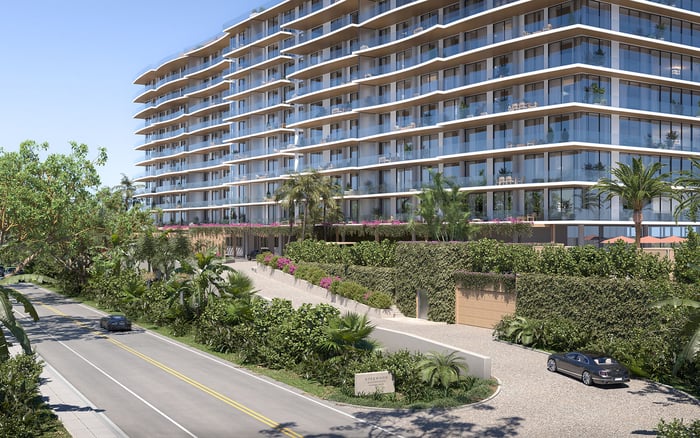
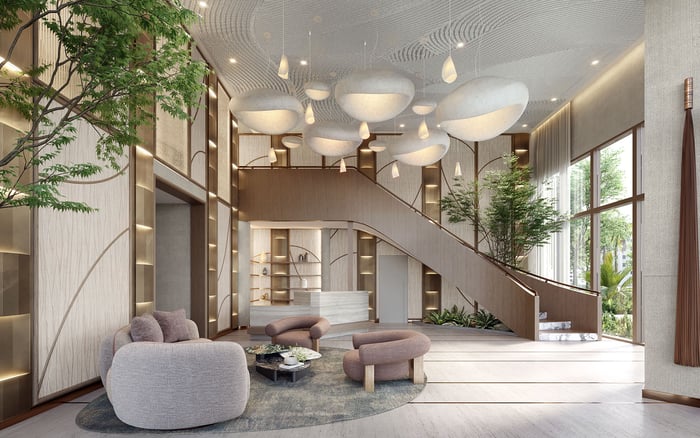
For these buyers, the most important luxury is a seamless transition from vehicle to residence. That may mean evaluating porte cochère design, valet capacity, garage access, elevator routing, lobby scale, service entries, and how easily staff can coordinate the home before the owner arrives. The experience should feel calm, not ceremonial.
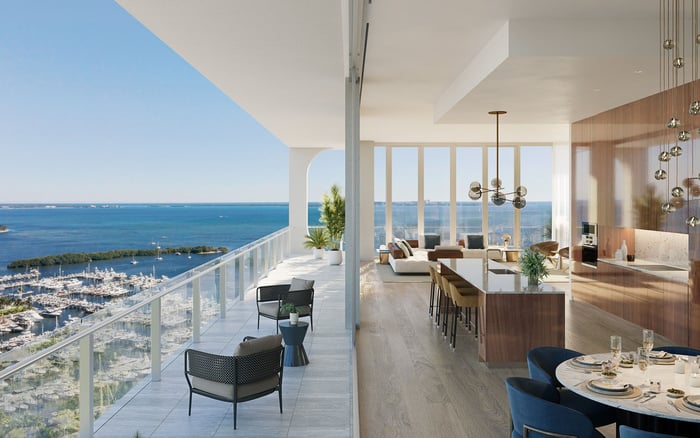
In waterfront or resort-oriented settings, private arrival can outweigh everyday walkability because the property itself becomes the destination. A buyer studying The Perigon Miami Beach may think differently from a buyer focused on an urban walking radius. The decision is less about which address is more prestigious and more about whether the residence should buffer the owner from the world or plug the owner into it.
Many weekly travelers want both, but the stronger brief is usually more precise: walkable enough for the recurring essentials, private enough for the repeated arrivals. The right balance depends on what is used every week, not what sounds attractive in a presentation.
Coconut Grove is a useful way to think about this middle ground. A buyer considering The Well Coconut Grove may be drawn to a neighborhood feel while still asking serious questions about arrival sequence, parking, service flow, and privacy. The most refined purchase decisions often happen in this middle category, where charm and efficiency must coexist.
Fort Lauderdale can invite a similar analysis, especially for buyers who value a marina, beach, or boating-adjacent lifestyle while still needing a polished arrival home. At St. Regis® Residences Bahia Mar Fort Lauderdale, the conversation for a weekly traveler should not stop at brand or address. It should include the owner’s real movement pattern: how they arrive, how often they host, how they store, and how quickly they want to reset.
Start with the travel cadence. If arrivals are predictable, staffed, and calm, walkability may create the greater daily dividend. If arrivals are variable, late, luggage-heavy, or security-sensitive, private arrival may matter more than proximity to restaurants.
Next, separate convenience from romance. Buyers often love the idea of walking everywhere, but may discover that their actual week is built around private appointments, in-residence dining, school runs, club life, or office transfers. Conversely, some buyers overvalue privacy, then find themselves isolated from the small rituals that make a second city feel like home.
Then test the residence at the hours that matter. Morning departures, late returns, weekend turnover, and guest arrivals reveal more than a midday tour. The lobby that feels serene at noon may feel different during peak movement. A location that seems lively during the day may be exactly what a buyer wants at night, or exactly what they want to avoid.
Finally, consider resale language without turning the home into a spreadsheet. Walkability is easy to understand and often easy to communicate. Private arrival is subtler, but powerful when the next buyer shares the same travel profile. The best residences make both ideas legible.
There are buyers for whom walkability is secondary because the entire point of ownership is retreat. Fisher Island represents this category in the imagination of many ultra-private buyers. A residence such as The Residences at Six Fisher Island belongs in a conversation about separation, discretion, and the feeling of crossing into a more controlled environment.
This is not a rejection of convenience. It is a different definition of it. For some weekly travelers, convenience means never having to think about exposure. It means a predictable path home, an arrival that does not require explanation, and a setting where the residence absorbs the stress of movement.
For South Florida buyers who travel weekly, walkability and private arrival are not opposing luxuries. They are two answers to the same question: what makes time feel protected? The buyer who needs social ease should privilege walkability. The buyer who needs silence, discretion, and logistical precision should privilege arrival.
The strongest acquisition brief names the primary friction point, then refuses to compromise on it. A beautiful residence that fails the weekly routine will eventually feel inconvenient. A residence that supports the rhythm of travel becomes more than a home. It becomes the quiet infrastructure of a better life.
Should weekly travelers prioritize walkability or private arrival first? Prioritize the feature that removes the most frequent friction from your week. For some buyers, that is walking convenience; for others, it is a discreet arrival home.
Is walkability more important in Brickell? Brickell often appeals to buyers who want a more urban rhythm. If you expect to dine, meet, and run errands nearby, walkability can be a leading factor.
Does private arrival matter if I use a driver? Yes. The arrival sequence still affects privacy, timing, luggage handling, and guest flow. A driver solves transportation, not necessarily the building threshold.
How should Miami Beach buyers think about this tradeoff? Miami Beach buyers should decide whether they want daily neighborhood access or a more retreat-oriented residence. The right answer depends on how often they expect to leave the property on foot.
Is Coconut Grove better for hybrid buyers? Coconut Grove can suit buyers who want neighborhood character while still valuing calm residential routines. The key is testing the exact building, not assuming the area solves everything.
What should I inspect during a private arrival tour? Look at the motor court, valet pattern, garage access, elevator routing, service entries, and lobby scale. These details determine whether arrival feels effortless.
Can walkability improve the ownership experience for second-home buyers? Yes, especially when visits are short and time is compressed. Being able to step out quickly can make a residence feel more connected and usable.
When is privacy more valuable than proximity? Privacy becomes more valuable when arrivals are frequent, late, luggage-heavy, or security-sensitive. It also matters for households with staff, children, pets, or regular guests.
Should Fort Lauderdale buyers weigh arrival differently? Fort Lauderdale buyers should consider how beach, boating, dining, and travel routines intersect. A polished arrival may matter as much as nearby amenities.
What is the best way to shortlist comparable options for touring? Start with location fit, delivery status, and daily lifestyle priorities, then compare stacks and elevations to validate views and privacy.
For a tailored shortlist and next-step guidance, connect with MILLION.
If branded residences are on your mind — as a home or as an allocation — we would be glad to share what we are seeing, privately.
Begin a quiet conversation