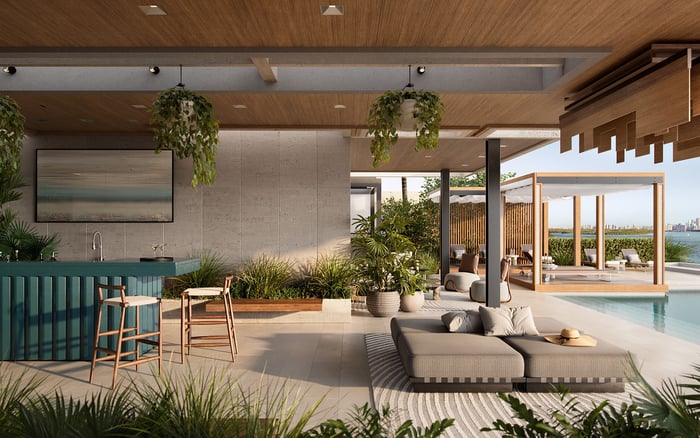
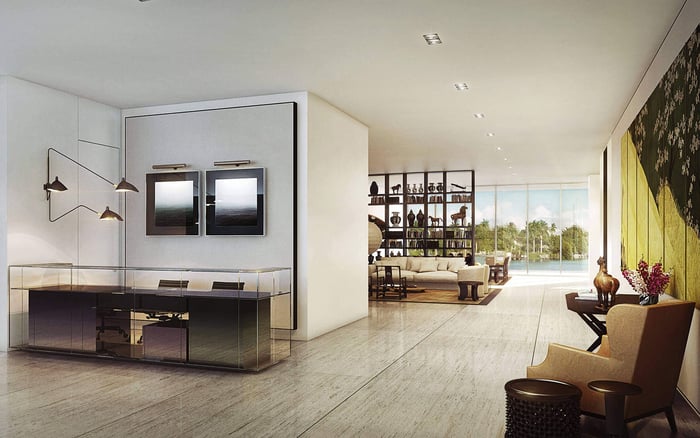
A practical buyer framework for assessing natural light, glare, view depth, and corridor stability at Bay Harbor Towers in Bay Harbor Islands.
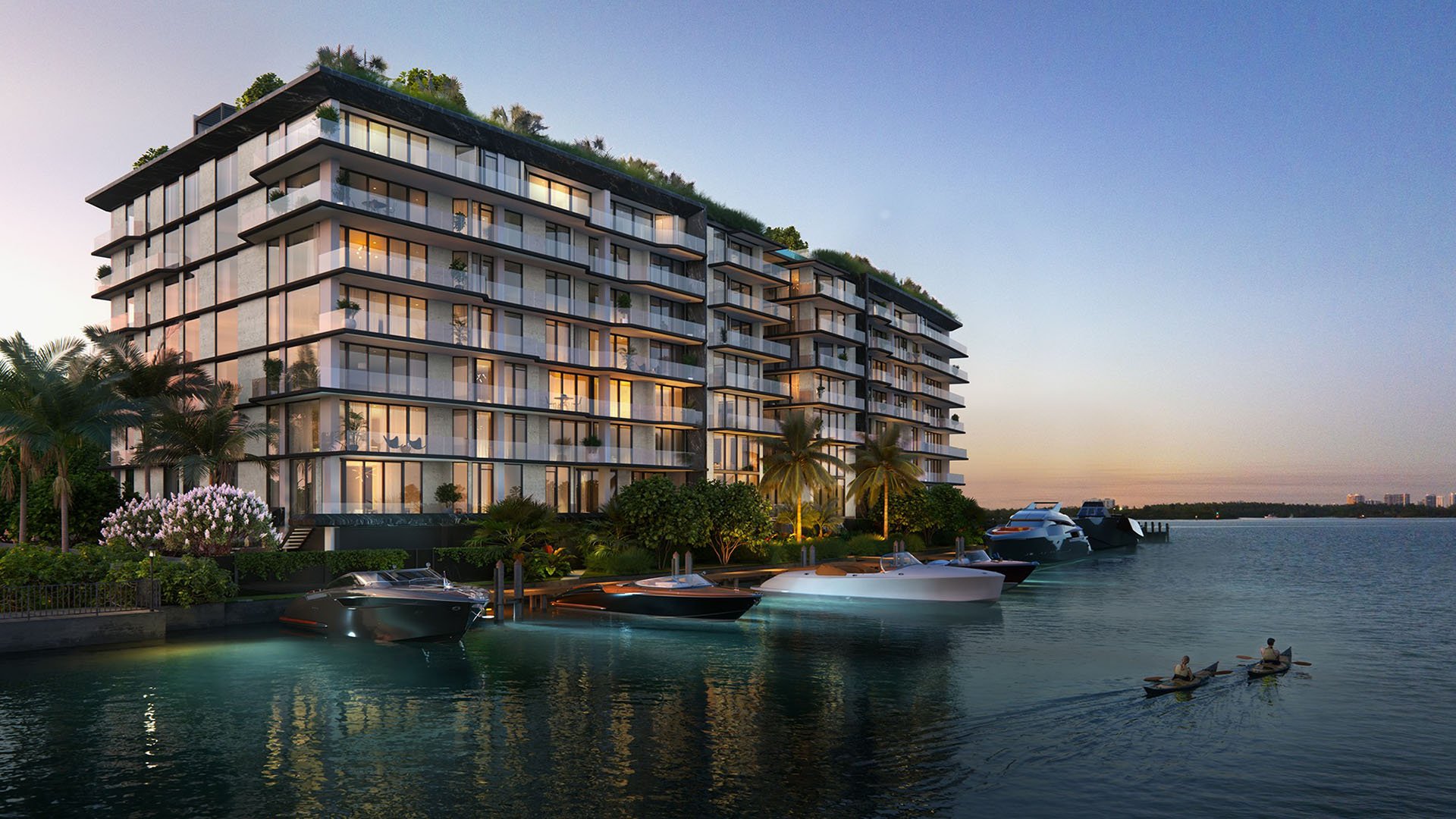
At the top end of the South Florida condominium market, natural light is often described emotionally: bright, airy, cinematic, serene. For a buyer at Bay Harbor Towers, the stronger question is more precise: how does the building’s orientation shape the lived experience of morning, midday, and afternoon light inside the specific residence under consideration?
This is not a decorative detail. Light determines how a living room feels at breakfast, whether a primary suite feels calm or exposed, and whether a terrace is usable at the hour a buyer imagines enjoying it. The most refined residences deliver brightness with comfort, pairing open views with controlled glare and heat.
Bay Harbor Towers sits in a micro-market where water, neighboring buildings, canals, and sky all interact. That makes the evaluation more nuanced than a simple yes-or-no question about whether a unit has a view. The buyer’s task is to understand exposure, reflection, obstruction, and durability before assigning value.
Marketing language can compress very different experiences into the same phrase. “Bay views” may mean a broad, unobstructed panorama, or it may mean a narrower water corridor framed by nearby structures. At Bay Harbor Towers, unit line matters because different stacks can look toward open bay, canals, neighboring buildings, or partial water corridors.
A serious showing should begin at the glass. Stand in the main living area, the primary bedroom, and on the terrace. Ask what the eye sees first, how far it travels, and how much width the panorama offers. View quality depends on both depth and breadth: depth is the distance of the sightline, while breadth is the width of the visual field from the rooms where daily life will actually happen.
This is where waterview value becomes highly specific. A framed canal view can be elegant and calm, while a larger bay outlook may feel more expansive and liquid. Neither should be evaluated by label alone. The exact sightline from the exact floor and unit is the asset.
Floor elevation deserves special attention because higher floors typically improve view depth and reduce obstruction risk from nearby structures. That does not mean every higher residence is automatically superior. It means high-floor homes should be assessed against the actual view plane, the spacing between buildings, and the way the horizon opens or closes from major rooms.
Low- and mid-level residences can offer a pleasing connection to the water, streetscape, or neighboring architecture, but buyers should be clear about the tradeoff. A lower residence may feel more intimate, while a higher one may deliver a longer and more protected visual reach. In either case, the premium should be tied to what is visible, not only to the floor number.
For Bay Harbor buyers comparing nearby options such as Onda Bay Harbor and La Maré Bay Harbor Islands, the same principle applies: the best view analysis is conducted from the residence itself, at eye level, and at the times of day the buyer expects to use the home.
South Florida waterfront residences can experience glare from sunlight reflecting off water, glass façades, and bright exterior surfaces. This is especially important for east- and west-facing exposures, where low-angle sun can create stronger morning or afternoon glare.
The issue is not simply whether sunlight enters the home. It is whether the light remains comfortable. Floor-to-ceiling glass can be one of the great pleasures of a waterfront residence, but buyers should inspect whether it enhances the view without creating excessive heat gain or visual discomfort. The difference between luminous and harsh can affect how often a room is used, how shades are positioned, and whether the interior feels restful or strained.
A disciplined buyer should look for evidence of glare control. Overhangs, balconies, glazing, window treatments, and façade design can all contribute to comfort. A balcony may shade the glass at certain hours, while a deeper terrace can soften the transition between interior and exterior light. These features should be tested in person, not assumed from renderings or photographs.
A residence with a strong exterior view can still underperform if the interior plan fails to distribute daylight well. Walls, deep rooms, and furniture placement can limit how much light reaches usable living zones. The most relevant question is not only what the glass sees, but how the plan carries that light into daily life.
Walk the home slowly. In the living area, consider whether seating can be arranged to enjoy the view without facing glare directly. In the kitchen or dining area, notice whether brightness supports daily use or demands constant shade. In the primary bedroom, look for calm consistency rather than spectacle. On the terrace, assess whether the exposure feels inviting or punishing at the likely hours of use.
This belongs among practical buyer’s guides because it protects against a common luxury-market mistake: overvaluing a view that photographs beautifully but lives unevenly. A home should feel composed at different points in the day.
Waterfront value is strongest when the view feels durable. At Bay Harbor Towers, buyers should review the stability of view corridors in relation to neighboring buildings, waterfront setbacks, and possible future development nearby. Canal width, bay orientation, and spacing between buildings can determine whether a view feels open or constrained.
The most useful exercise is to separate the current view from the likely long-term corridor. A broad bay outlook may offer a more resilient sense of openness. A narrower view between structures may be more vulnerable to changes in the surrounding built environment. This does not make one view categorically better than another, but it does affect pricing, negotiation, and resale confidence.
In the same Bay Harbor Islands context, buyers may also compare how sightlines feel at Alana Bay Harbor Islands and The Well Bay Harbor Islands. The exercise is less about ranking buildings in the abstract and more about understanding which exact residence delivers the clearest combination of openness, privacy, and comfort.
A single showing can be misleading. Visits at different times of day are useful for testing glare, brightness, heat, and shadow patterns before purchase. Morning light may flatter one exposure, while afternoon sun may reveal a harsher condition. Midday can clarify whether the interior is evenly lit or dependent on a narrow angle.
The buyer should also test the experience from seated positions, not only while standing. Sit in the living room. Stand at the kitchen counter. Walk to the primary bedroom windows. Step onto the terrace and look both outward and sideways. Side views often reveal nearby obstructions, reflective surfaces, and the true breadth of the corridor.
Waterfront residences are purchased partly for emotion, but they should be evaluated with precision. Long-term resale appeal is closely tied to whether the unit delivers durable water or skyline views with comfortable, balanced natural light. Waterfront ownership is most rewarding when the view is both beautiful and livable.
Why does orientation matter at Bay Harbor Towers? Orientation affects how morning, midday, and afternoon light enter each residence, shaping both comfort and atmosphere.
Should buyers prioritize a higher floor? Higher floors typically improve view depth and reduce obstruction risk, but the exact unit line and sightline still matter.
Are all bay views equal? No. A broad bay panorama and a narrower framed water corridor can have very different value and daily experience.
How should glare be tested? Visit at different times of day and observe reflections from water, glass façades, and bright exterior surfaces.
Which exposures need the most scrutiny? East- and west-facing exposures deserve careful review because low-angle sun can intensify morning or afternoon glare.
Can floor-to-ceiling glass be a drawback? It can be if the glass produces excessive heat gain or visual discomfort without adequate glare control.
What rooms should be evaluated first? Focus on the main living area, primary bedroom, and terrace because these spaces define daily enjoyment and resale appeal.
Do balconies and overhangs help? They can help soften glare and solar heat, but their effectiveness should be assessed in the specific residence.
Why do view corridors affect resale? Durable water or skyline views with balanced light tend to support stronger long-term appeal than compromised sightlines.
Is a second showing worthwhile? Yes. A second visit at a different hour can reveal glare, heat, shadows, or obstruction patterns missed the first time.
For a confidential assessment and a building-by-building shortlist, connect with MILLION.
If branded residences are on your mind — as a home or as an allocation — we would be glad to share what we are seeing, privately.
Begin a quiet conversation