A practical guide for South Florida full-time owners on evaluating sunset heat, western exposure, glass, terraces, cooling strategy, and daily livability before purchasing a luxury residence.
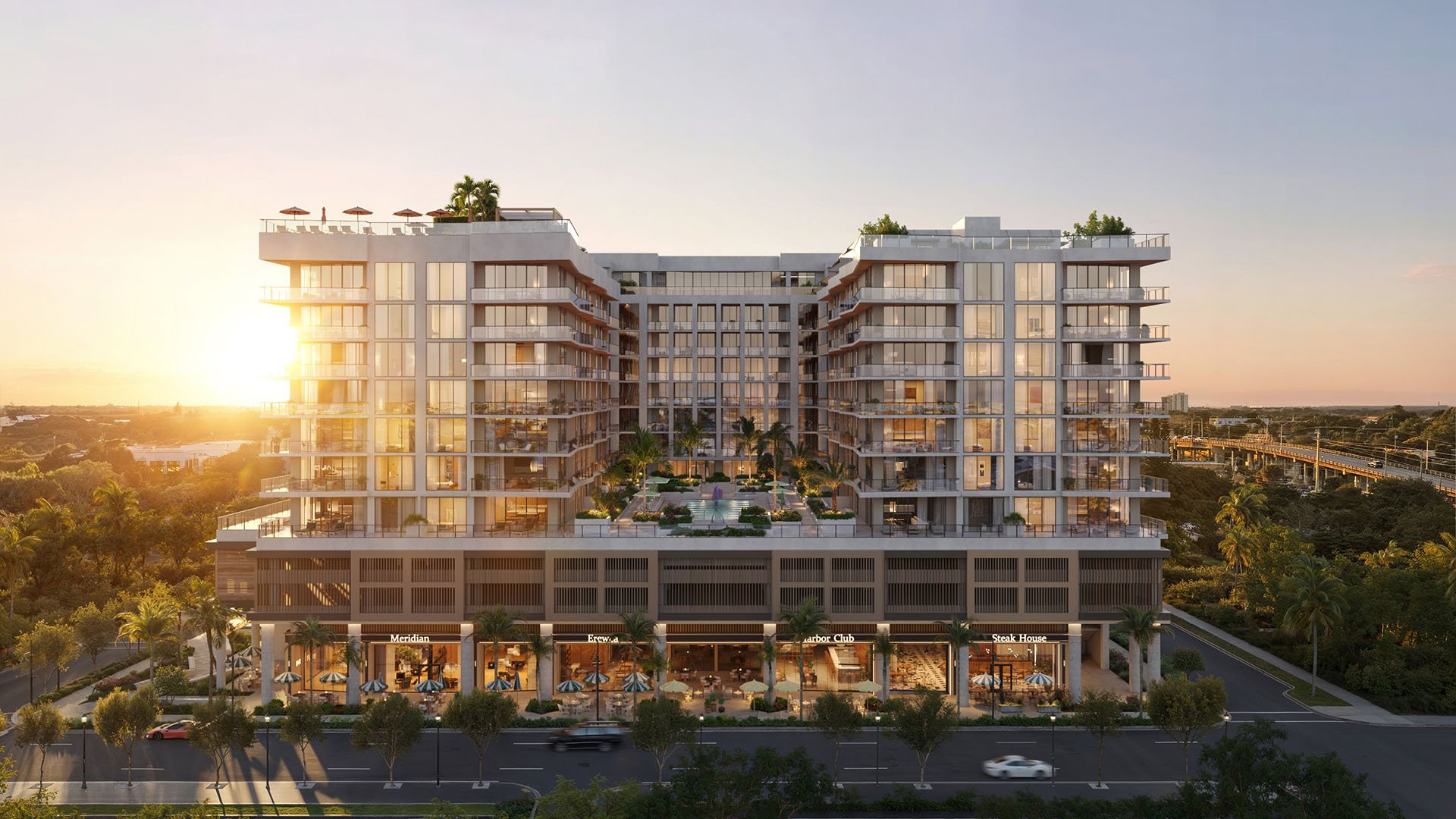
In South Florida, sunset is more than a view. For full-time owners, it is a daily condition that can shape how a residence feels at the very hours when life often slows down: children returning from school, dinner being prepared, guests arriving, and outdoor rooms coming alive again. A glowing western horizon can be magnificent, but it deserves the same scrutiny as ceiling height, privacy, elevator access, and service.
The point is not to avoid western light. In many luxury residences, late-day sun is part of the emotional appeal. The more useful question is whether the home manages that light with elegance. A residence that photographs beautifully at dusk may live very differently at 4:30 in the afternoon. Full-time owners should understand that distinction before choosing a line, floor, terrace depth, or glass exposure.
A sunset view is visual. Sunset heat is experiential. It is the warmth on stone floors, the glare across a dining table, the temperature shift near a glass wall, and the way a terrace feels once the sun drops toward the horizon. These details matter more when a home is occupied every day rather than used occasionally.
For a second-home buyer, a dramatic western exposure may be primarily about arrival moments and weekend entertaining. For a full-time owner, the same exposure becomes part of a daily operating rhythm. The kitchen, family room, primary suite, and work areas all deserve attention. In a glass-forward residence, the clearest decision often comes from walking the space at the time of day when the sun will be most present.
A serious showing should go beyond finishes. Stand near the main glass line and observe whether the room feels balanced or intense. Look at where the sun falls across seating areas. Consider whether automated shades are discreetly integrated, whether manual shades feel practical, and whether the lighting plan can compensate for high-contrast afternoons.
In Brickell, where vertical living and reflective surroundings can intensify the experience of light, buyers evaluating The Residences at 1428 Brickell should think less about a single postcard moment and more about how the principal rooms will behave from late afternoon into evening. The same discipline applies across waterfront, bayfront, and urban residences: view is only one dimension of comfort.
Ask to see the residence with shades both open and lowered. If possible, return at a different time of day. Notice whether the cooling feels even across the home or whether certain rooms behave differently. Pay close attention to the primary bedroom, where privacy, sleep, and temperature expectations are often highest.
In the ultra-premium market, comfort is rarely about one feature. It is the coordination of glass, shade, mechanical systems, interior materials, and owner habits. Large panes of glass may be central to the architecture, but full-time ownership rewards residences that let the owner modulate light without making the home feel closed.
This is where quiet systems matter. Shades should feel like part of the architecture, not an afterthought. Lighting should preserve evening atmosphere after shades come down. Furnishings, rugs, art, and millwork should be considered in relation to sun path and glare. A formal living room that looks serene in the morning may need a different material strategy if it receives strong late-day exposure.
At The Perigon Miami Beach, as with any design-led coastal residence, buyers should study the relationship between architecture and daily control. The most refined homes allow owners to choose drama when they want it and softness when they need it.
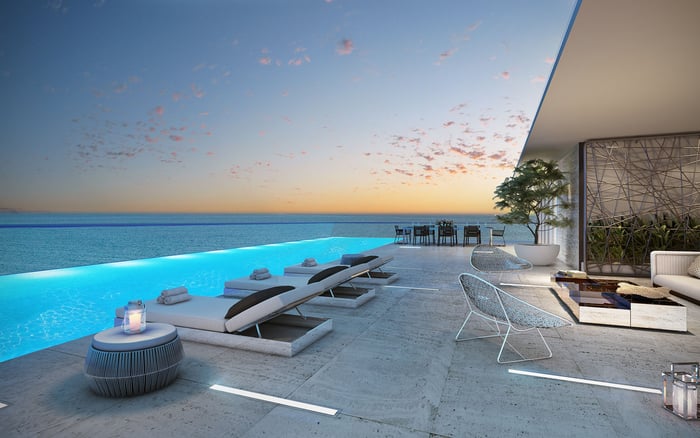
The terrace is often where sunset becomes most seductive. It can also be where the difference between occasional use and daily use becomes obvious. A deep outdoor room may offer more flexibility than a narrow ledge. Overhangs, adjacent walls, floor finish, exposure, and furniture placement all influence whether a terrace remains comfortable during the late afternoon.
For oceanfront residences, the view may carry the decision emotionally, but the outdoor room still deserves practical scrutiny. Where will dining take place? Where will loungers sit? Is there a shaded zone that can be used before the sun fully sets? Does the terrace invite morning coffee, an evening drink, or both?
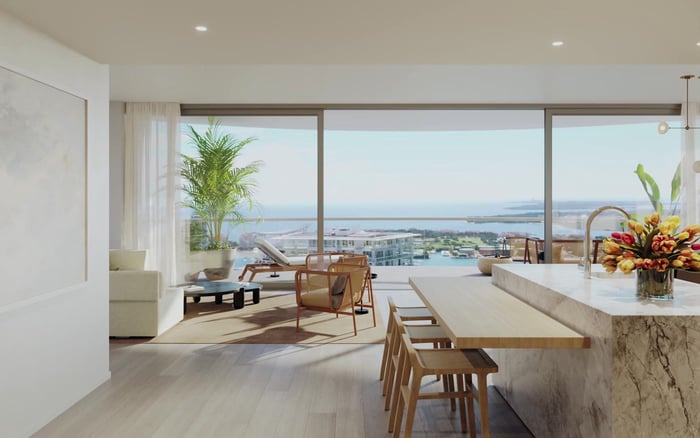
Full-time owners should also consider how the terrace interacts with the interior. If the exterior surface absorbs warmth, that sensation may carry through when doors open. If the sun reaches deep into the living area, interior selections should be chosen accordingly. Beautiful outdoor living requires choreography, not simply square footage.
High-floor residences can feel airy, private, and cinematic, but they should still be assessed through the lens of daily comfort. Height may change the sensation of light, wind, and openness. A higher residence can deliver spectacular atmosphere, yet the owner should still ask how the home performs during the most exposed hours.
In Sunny Isles, buyers considering Bentley Residences Sunny Isles can use the same framework: study the plan, the direction of principal rooms, and the relationship between indoor and outdoor living. The best high-rise choice is not always the one with the most dramatic sunset. It is the one where the sunset enhances daily life without dominating it.
Corner residences deserve particular attention because they may combine exposures. That can create wonderful cross-light and expansive views, but it also means different rooms may behave very differently throughout the day. A library, nursery, gym, or home office may require more caution than an entertaining space.
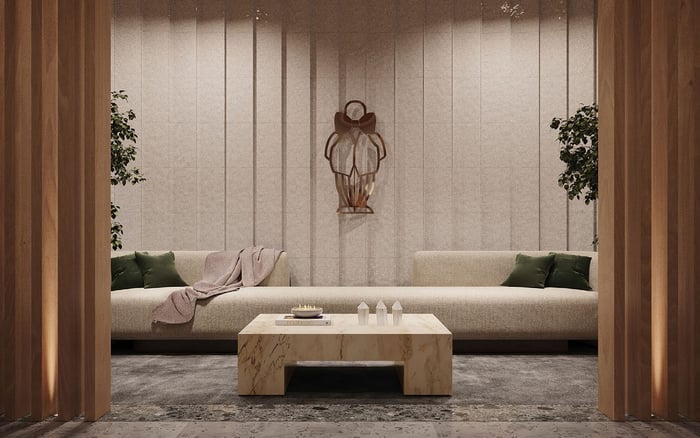
Once exposure is understood, interior planning becomes more precise. Upholstery, art placement, wood tones, stone selection, and window treatments should be chosen with light in mind. A room that receives warm late-day sun can be beautiful with the right palette, but delicate materials may need careful placement.
Owners who work from home should test screen visibility and seating orientation. Glare can make an otherwise ideal office difficult to use during key hours. Families should consider where children gather after school. Hosts should think about dining comfort before sunset, not only after dark.
In West Palm Beach, evaluating a residence such as Alba West Palm Beach should include this lifestyle mapping. The question is not merely whether the home is beautiful. It is whether its beauty remains effortless on an ordinary Tuesday.
Full-time owners tend to notice operational details sooner than seasonal residents. Shade programming, thermostat habits, terrace furniture covers, cleaning schedules, and maintenance access all become part of the home’s rhythm. A residence with strong sunset exposure may be entirely appropriate if the owner understands how it will be lived in and maintained.
This is especially relevant for buyers moving from a single-family home into a staffed condominium environment, or from a northern market into South Florida’s light conditions. The residence should support a lifestyle that feels intuitive. If the owner must fight the sun every afternoon, the home may begin to feel less luxurious, regardless of its address.
The best purchase decision comes from aligning architecture with routine. Sunset can be a privilege, but only when the residence gives the owner command over it.
Is sunset exposure always a negative for full-time owners? No. Sunset exposure can be highly desirable when the residence offers thoughtful shade, cooling, layout, and material choices.
Should I avoid west-facing residences in South Florida? Not necessarily. The better approach is to evaluate how the specific home manages late-day light and warmth.
What room matters most when evaluating sunset heat? Focus first on the rooms used daily in the late afternoon, especially living areas, kitchens, offices, and primary suites.
Are terraces more affected than interiors? They can be, because outdoor rooms receive direct exposure and depend heavily on depth, shade, orientation, and furniture placement.
Can window treatments solve the issue completely? They can help significantly, but comfort usually depends on the combined performance of glass, shading, cooling, and layout.
Is a higher floor better for sunset exposure? Not automatically. A higher floor may offer broader views, but the quality of daily comfort still depends on the residence itself.
Should I schedule a showing near sunset? Yes, if possible. Seeing the home during the relevant hours can reveal glare, warmth, shade patterns, and room usability.
Do full-time owners evaluate light differently than seasonal buyers? Usually, yes. Full-time owners experience the same exposure every day, so small comfort issues become more important.
Can interior design reduce the impact of sunset heat? Yes. Materials, furniture placement, rugs, art locations, and shade integration can all make late-day living more comfortable.
What is the best way to shortlist comparable options for touring? Start with location fit, delivery status, and daily lifestyle priorities, then compare stacks and elevations to validate views and privacy.
If you'd like a private walkthrough and a curated shortlist, connect with MILLION.
If branded residences are on your mind — as a home or as an allocation — we would be glad to share what we are seeing, privately.
Begin a quiet conversation