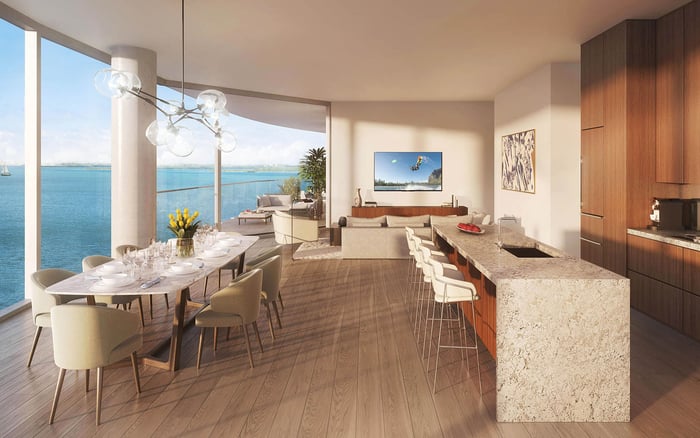
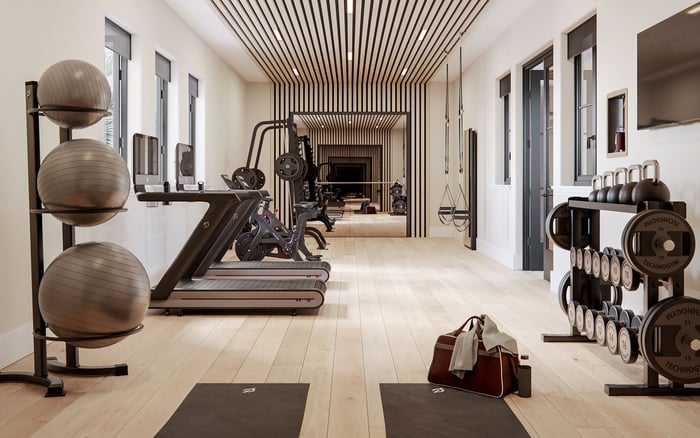
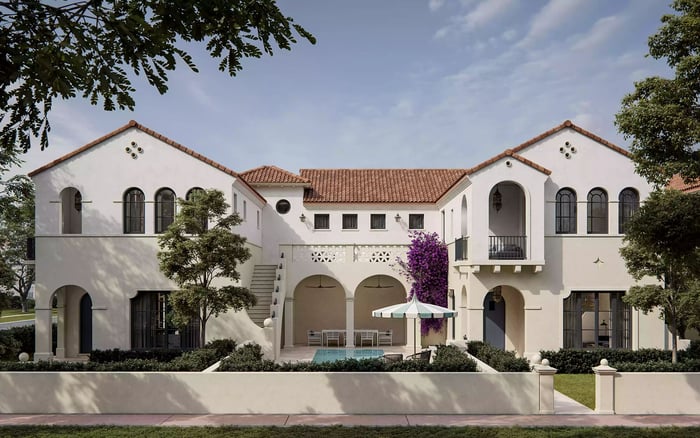
Miami’s luxury conversation is widening beyond the most iconic vistas. For a growing share of affluent buyers, daily atmosphere now matters as much as trophy perspective: walkable streets, mature trees, independent restaurants, cultural texture, and a more intimate sense of place. That does not diminish waterfront prestige. It simply means neighborhoods with calmer rhythms and stronger identity are commanding more attention than they once did.
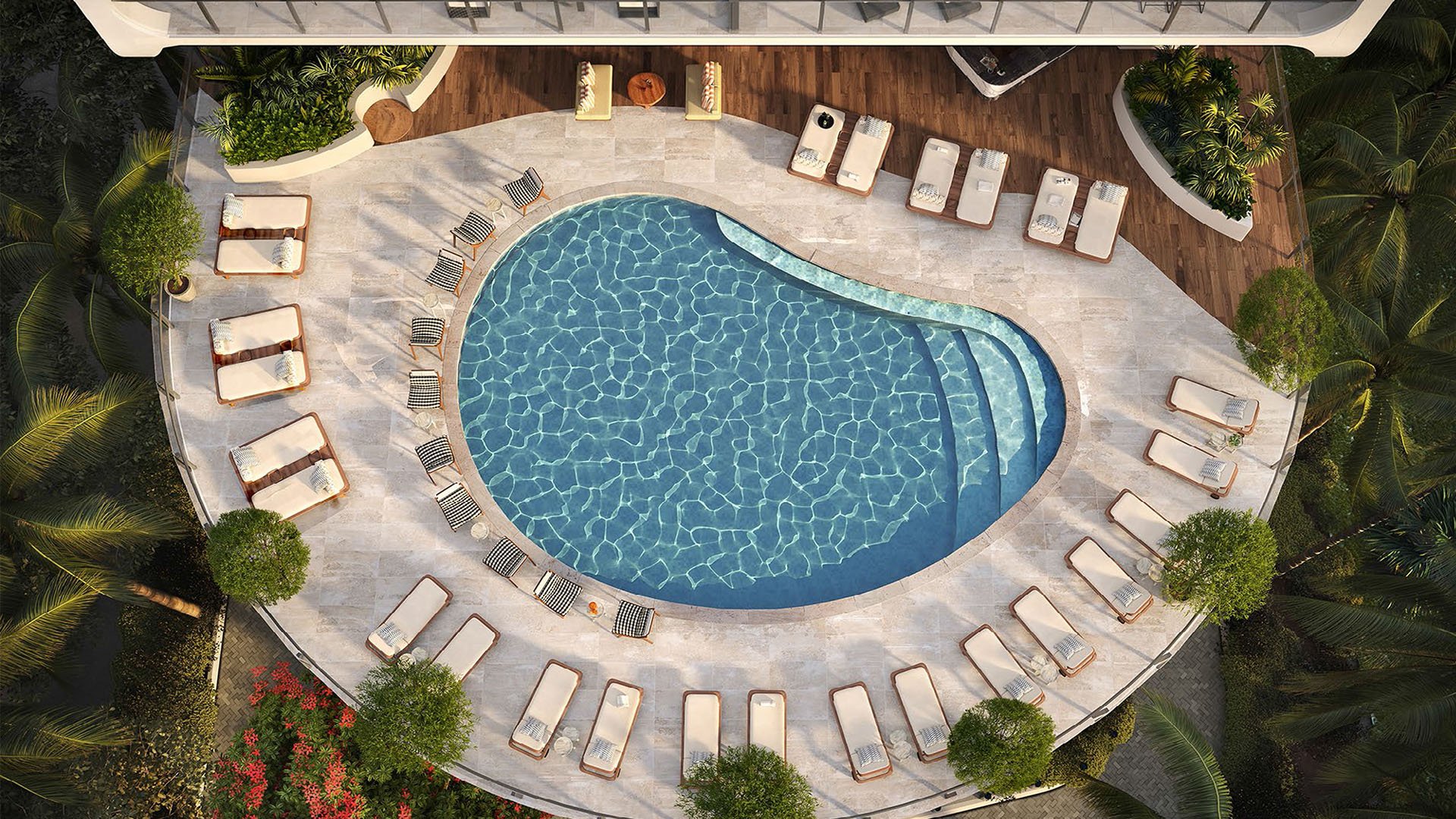
For years, Miami’s most coveted residential shorthand was easy to define: a high floor, broad water exposure, a dramatic sunset line, and unmistakable skyline presence. That formula still holds real power. Yet within the upper tier of the market, another preference has come into clearer view. Some buyers are choosing what many in the city casually describe as softer energy.
In practical terms, the phrase has less to do with any formal market metric than with daily experience. Buyers are responding to walkable blocks, lower-density surroundings, mature landscaping, independent dining, cultural texture, and a neighborhood rhythm that feels composed rather than performative. The appeal is not anti-luxury. It is simply a more edited expression of it.
This is especially relevant among younger high-net-worth households, internationally minded buyers, and families less interested in treating the home as a viewing platform alone. Flexible work has also changed the equation. If the office is no longer the fixed center of the week, proximity to parks, cafés, galleries, and familiar streets can begin to matter as much as the spectacle outside the glass.
In Miami, softer energy usually signals authenticity, calm, greenery, and human-scale convenience. It points to a place where the luxury experience begins on the sidewalk, not only in the lobby. The strongest examples are neighborhoods where residents can leave home and move easily through the day without every outing feeling choreographed.
That is one reason Coconut Grove continues to resonate so strongly with affluent buyers. The area offers historic charm, canopy streets, bay adjacency, and a lived-in feel that differs from the intensity of the urban core. Projects such as Arbor Coconut Grove and The Well Coconut Grove fit naturally into that conversation because the neighborhood itself is part of the luxury proposition.
A similar dynamic supports Coral Gables. Its enduring appeal rests on architectural consistency, tree-lined streets, and a sense of long-established community fabric that many buyers find reassuring. In this context, residences like Ponce Park Coral Gables feel compelling not because they compete with the skyline, but because they offer access to a refined, coherent urban setting.
The shift should not be read as a rejection of Brickell, Downtown, or waterfront high-rise living. Those districts remain central to Miami’s prestige economy and continue to attract buyers who want service, visibility, and immediate access to the city’s commercial and social core. Brickell, in particular, still offers one of the most recognizable luxury addresses in South Florida.
What has changed is that inventory growth and a more mature buyer conversation have given some purchasers permission to look beyond the obvious choice. For a portion of the market, the question is no longer whether a residence has an extraordinary view. It is whether daily life around that residence feels grounded and elegant.
That nuance matters. A buyer comparing a polished tower in Brickell with a more intimate setting may not be downgrading aspiration. They may simply be redefining it. Even within Brickell, newer projects increasingly lean into neighborhood integration and placemaking rather than relying solely on finishes and altitude. Residences such as 2200 Brickell and ORA by Casa Tua Brickell illustrate how the district itself is evolving to answer a more lifestyle-driven brief.
Several Miami areas are especially well positioned for this recalibration.
The Design District has become a luxury residential draw not simply because of its design credentials, but because buyers can pair high-end housing with dense retail, dining, and cultural activity at street level. It offers a version of luxury that feels active and social without relying on the traditional waterfront script.
Wynwood, by contrast, appeals through creative identity. Its arts presence, restaurant scene, and neighborhood energy have pushed it into the high-end conversation in a way that would have seemed unlikely in an earlier cycle. The interest is less about resort-style living and more about cultural immediacy, especially for buyers who want a residence within a neighborhood that feels in motion. In that setting, Frida Kahlo Wynwood Residences aligns with the broader appeal of Wynwood.
Buena Vista and adjacent pockets near established luxury districts are also drawing attention for a simpler reason: they feel intimate. Lower density, calmer streets, and a more personal neighborhood scale can appeal to buyers who no longer see value in maximalism for its own sake.
Areas near Coral Gables and Vizcaya share a similar advantage. Mature landscaping, lower-density housing forms, and walkable commercial corridors create an everyday luxury that does not depend on commanding top-tier waterfront premiums.
For families, softer energy often translates into predictability and ease. Tree cover, neighborhood continuity, less transient surroundings, and smaller-scale residential formats can feel more suitable for long-term living than mega-tower environments. This helps explain why single-family homes, townhomes, and smaller condominium buildings have become more attractive to buyers seeking privacy without isolation.
International buyers are contributing to this preference as well. Not every global purchaser is seeking the biggest possible vista or the most conspicuous tower address. Some are drawn instead to neighborhoods with Mediterranean or European-style street life, where architecture, walkability, and local commerce create a stronger sense of belonging.
That is part of the reason Coconut Grove and Coral Gables continue to hold their position so convincingly. They offer beauty, but also emotional legibility. Buyers understand them quickly. The streets tell a coherent story.
Developers have noticed that the market now rewards more than spectacle. New luxury projects are increasingly presented through the lens of neighborhood connection, street-level experience, and everyday use. That means walkable access, café culture, local retail, and a sense that a building participates in its surroundings rather than standing apart from them.
In Edgewater, for example, waterfront appeal remains strong, yet the conversation has broadened to include how a residence sits within the city and supports daily movement. Projects such as EDITION Edgewater reflect how even traditionally view-driven locations are now being framed through lifestyle and integration, not only panorama.
The practical lesson is simple: trophy views still sell, but they are no longer the only language of luxury. A growing number of buyers are willing to accept less iconic sightlines if the trade-off is stronger day-to-day livability and neighborhood identity.
Miami is not abandoning its celebrated skyline. It is becoming more nuanced about what prestige looks like. For one buyer, luxury remains a dramatic bayfront perch with hotel-caliber services. For another, it is the ability to walk to dinner under mature trees, return home to a quieter street, and feel connected to a neighborhood with distinct character.
That distinction is subtle but meaningful. It suggests the city’s most sophisticated buyers are evaluating not just what a residence overlooks, but what it belongs to. In many cases, softer energy is simply another way of describing confidence: the confidence to choose atmosphere over display, texture over spectacle, and a richer daily rhythm over the most obvious postcard angle.
What does softer neighborhood energy mean in Miami luxury real estate? It usually refers to calm, walkability, greenery, local character, and a more intimate daily atmosphere rather than pure skyline drama.
Are buyers losing interest in waterfront condos? No. Waterfront luxury remains strong, but character-rich non-waterfront neighborhoods are capturing more high-end attention than before.
Why is Coconut Grove often part of this conversation? Buyers are drawn to its historic charm, leafy streets, and lived-in neighborhood feel, which offer a different kind of prestige.
Why does Coral Gables appeal to affluent buyers? Its tree-lined streets, architectural consistency, and established community fabric create a durable and reassuring luxury setting.
Is Brickell still a premier luxury market? Yes. Brickell remains a major prestige district, even as some buyers look elsewhere for a more grounded neighborhood experience.
What role has flexible work played in this shift? With fewer buyers tied to office cores every day, proximity to restaurants, parks, and culture has become more valuable.
Are lower-density homes benefiting from this trend? Yes. Single-family homes, townhomes, and smaller condo buildings appeal to buyers who want privacy and less intensity.
Why are neighborhoods like Wynwood entering the luxury discussion? Their cultural identity, restaurant scene, and creative energy appeal to buyers who value atmosphere over traditional resort-style living.
Does this trend affect only local buyers? No. Many international buyers also favor neighborhoods with stronger street life, architecture, and a sense of place.
What should buyers focus on when comparing neighborhoods? Beyond views and amenities, consider walkability, street character, daily convenience, and whether the area feels right for long-term living.
For a discreet conversation and a curated building-by-building shortlist, connect with MILLION.
If branded residences are on your mind — as a home or as an allocation — we would be glad to share what we are seeing, privately.
Begin a quiet conversation