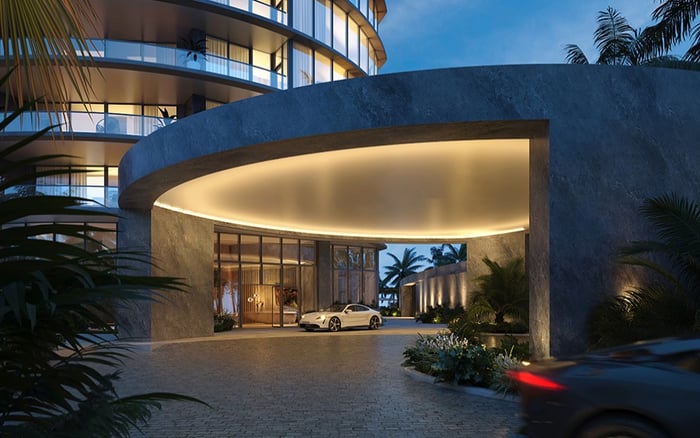
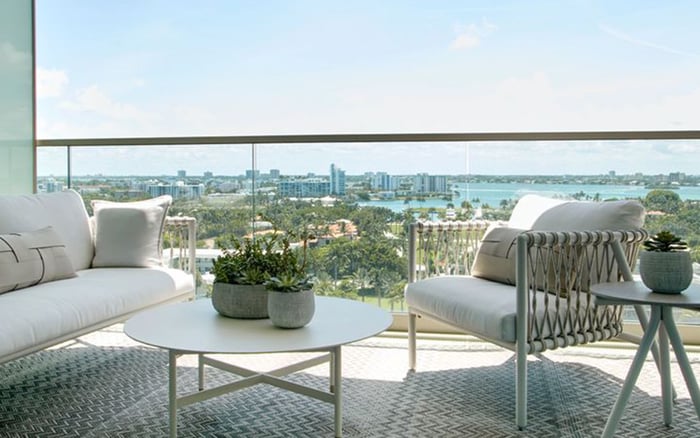
A buyer-focused comparison of Shore Club Private Collections Miami Beach and Oceana Bal Harbour, examining how building culture, governance, deposit exposure, and sponsor credibility influence confidence in ultra-luxury South Florida condominiums.
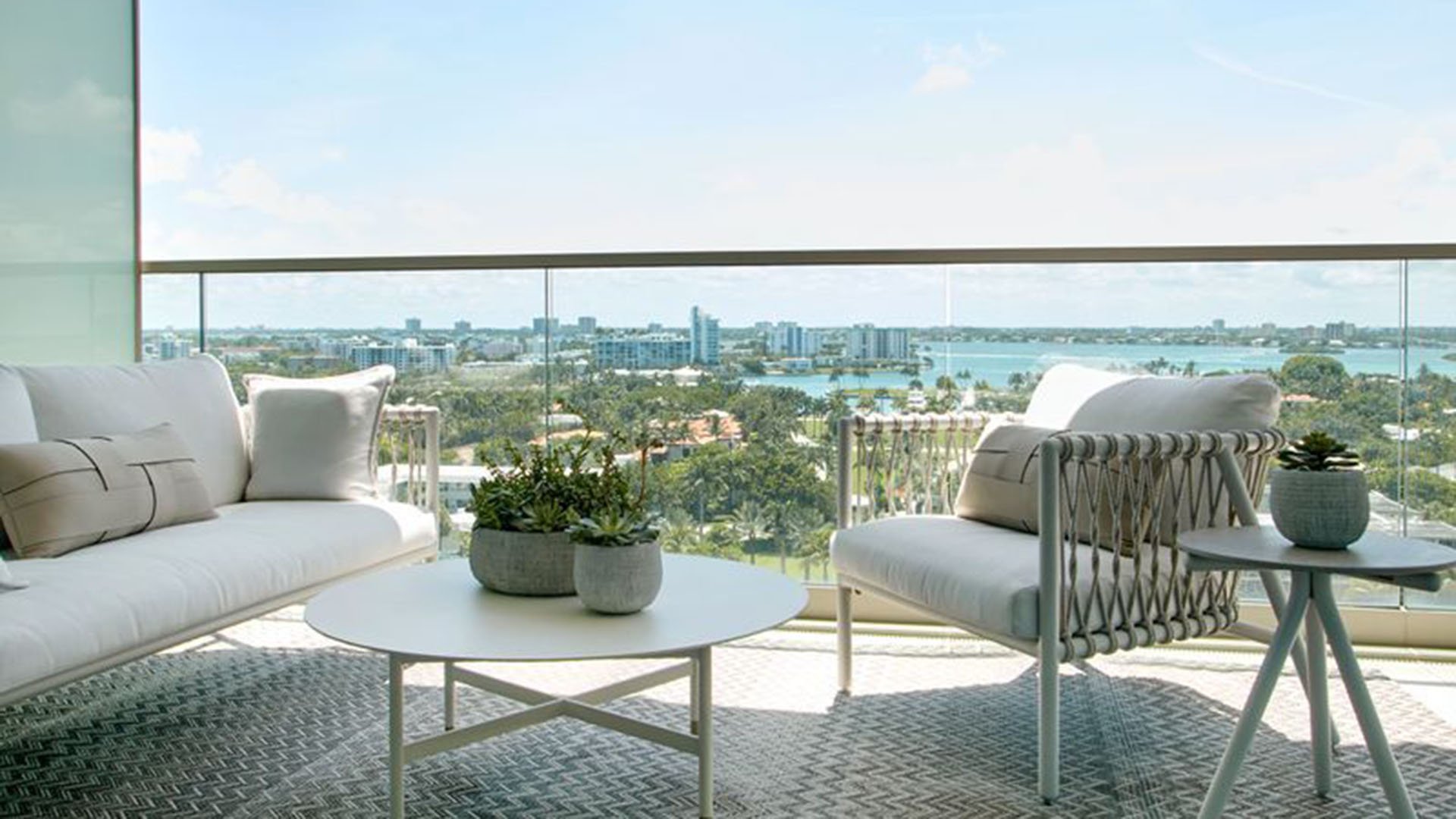
For sophisticated South Florida condominium buyers, luxury is no longer defined only by architecture, ocean views, or amenity depth. The more revealing question is culture: who lives in the building, how it is governed, how service is delivered, and whether the daily rhythm supports long-term desirability. That question becomes sharper when the choice is between a pre-construction commitment and a completed, operating condominium.
Shore Club Private Collections Miami Beach and Oceana Bal Harbour offer a useful contrast. Shore Club Private Collections Miami Beach is the Miami Beach pre-construction reference point, where confidence is necessarily forward-looking. Oceana Bal Harbour is the completed Bal Harbour reference point, where confidence benefits from a building culture already visible in operation.
The comparison is not about declaring one building better. It is about how a buyer should think. Pre-construction, new-construction, investment, and oceanfront are not merely category labels in the ultra-luxury market. They are risk filters. Each forces a buyer to ask whether price is supported by tangible evidence, credible execution, and a lifestyle thesis that can endure beyond launch momentum.
In a pre-construction setting, the buyer commits capital before the completed building culture can be observed. That changes the evidence stack. At Shore Club, the confidence case is framed around developer reputation, execution credibility, the hotel and operator relationship, design quality, and overall luxury positioning. The buyer is not only evaluating floor plans and finishes. The buyer is evaluating whether the promised culture can actually be delivered.
This is why deposit structure matters. A deposit is not merely a payment schedule; it is a statement of trust. The larger the commitment before delivery, the more important it becomes to understand sponsor quality, design discipline, and the resale logic that may support the residence after the first wave of interest passes. In this context, Shore Club represents a forward-looking bet on service standards, governance expectations, and the ability of a team to translate a luxury idea into a lived environment.
That does not make pre-construction inherently speculative in a careless sense. It means the underwriting must be more exacting. A buyer considering Shore Club should assess whether the development team’s credibility is strong enough to compensate for the absence of a fully operating building. The promise may be compelling, but disciplined diligence treats promise and proof as distinct categories.
Oceana Bal Harbour offers the opposite type of confidence. It is a completed and operational oceanfront luxury condominium, allowing buyers to evaluate more than renderings, branding, or projected service philosophy. They can assess the atmosphere of the building as it exists: operations, governance, resident standards, and the way the property has settled into its ultra-luxury role.
That matters because culture is easier to judge after residents arrive. Elevators, lobbies, amenity spaces, valet sequences, staff consistency, and board-level priorities all become part of the value proposition. Oceana’s appeal is therefore tied not only to real estate fundamentals, but also to the lived experience of the building. For an end user, that can reduce uncertainty. For an investor, it can clarify the character of demand the building attracts.
Bal Harbour also has a particular psychology for high-net-worth and ultra-high-net-worth buyers: discretion matters. Oceana Bal Harbour becomes a case study in how an established resident culture can support confidence because the buyer is no longer imagining the future community. The community is already present.
Deposit exposure in pre-construction is often discussed mechanically, but for ultra-luxury buyers it should also be discussed culturally. The capital is committed before the buyer can verify the eventual resident mix, board priorities, service cadence, and resale personality of the building. That makes developer track record and sponsor credibility central.
With Shore Club, the buyer’s diligence should ask whether the development story is supported by enough reputational capital to justify confidence before completion. Is the luxury positioning coherent? Does the design team support the intended standard? Is the hotel or operator component likely to reinforce the private residential experience rather than dilute it? These are not cosmetic questions. They shape how a building may function once it becomes a community.
With Oceana, the questions shift. A buyer can examine how the building already operates, how the culture feels, and whether governance appears aligned with long-term quality. The risk is not eliminated, but it is different. Instead of underwriting a future culture, the buyer is judging an existing one.
Miami Beach and Bal Harbour both sit within the upper tier of South Florida luxury, but they often express confidence differently. Miami Beach pre-construction can lean heavily on vision: design, hospitality, identity, and the belief that a new building will create a refined private world. In that universe, The Perigon Miami Beach is another example of how buyers may evaluate new residential concepts through architecture, positioning, and future lifestyle promise.
Bal Harbour, by contrast, often rewards proof of calm execution and resident continuity. Completed buildings allow buyers to test the intangible details that renderings cannot capture. In the same broader Bal Harbour conversation, Rivage Bal Harbour belongs to the set of projects that prompts similar questions about how luxury positioning, privacy, and long-term desirability will interact.
The practical distinction is simple. A Miami Beach pre-construction buyer may be underwriting what a building intends to become. A Bal Harbour resale or completed-building buyer may be underwriting what a building has already proven itself to be. Neither path is automatically superior. Each demands a different tolerance for uncertainty.
The most disciplined comparison begins with governance. In a completed building, governance can be observed through policies, maintenance priorities, and the consistency of the resident experience. In pre-construction, governance must be inferred from the sponsor’s philosophy, the planned operating structure, and the seriousness of the brand promise.
Next comes service. Luxury service is not simply staffing; it is the habit of precision. A building can have a beautiful lobby and still lack a coherent culture. Conversely, a building with an established operating rhythm may offer confidence that cannot be replicated in a sales gallery.
Then comes resale logic. A buyer at Shore Club should ask whether the future building culture will be distinctive enough to support long-term desirability. A buyer at Oceana should ask whether the existing culture continues to align with personal expectations and market perception. In both cases, architecture matters, but culture is what keeps a building from becoming interchangeable.
Finally, the buyer should evaluate personal risk tolerance. The pre-construction buyer may gain access to a future lifestyle vision at an early stage, but accepts greater reliance on execution trust. The completed-building buyer may accept less novelty, but receives more immediate evidence. Ultra-luxury decisions are rarely just financial. They are emotional, social, and operational.
Shore Club Private Collections Miami Beach and Oceana Bal Harbour clarify one of the most important distinctions in South Florida real estate: projected luxury culture versus observable luxury culture. Shore Club asks buyers to believe in the team, the concept, and the future building standard. Oceana allows buyers to judge a building already functioning as a community.
For some buyers, the allure of pre-construction is precisely that it offers participation in the creation of a new address. For others, the reassurance of an operating condominium is more valuable than early positioning. The best choice depends on how the buyer weighs deposit exposure, developer track record, governance expectations, and the importance of seeing culture before committing.
In the ultra-premium segment, confidence is built in layers. The first layer is the real estate. The second is the sponsor. The third is the building culture. The fourth is time. Shore Club and Oceana sit on opposite sides of that timeline, which is why comparing them is so instructive.
Why is building culture important in ultra-luxury condominiums? Building culture affects daily service, privacy, governance, resident standards, and long-term desirability.
How does Shore Club Private Collections Miami Beach differ from Oceana Bal Harbour? Shore Club is a pre-construction confidence case, while Oceana is a completed and operating building case.
Why does deposit structure matter more in pre-construction? Buyers commit capital before they can observe the finished building culture, service rhythm, or governance in practice.
What should buyers examine before committing to Shore Club? They should focus on sponsor credibility, design quality, service vision, and the logic for future resale demand.
What makes Oceana Bal Harbour useful as a benchmark? Oceana allows buyers to evaluate an established building culture, including operations and resident standards.
Is a completed building always safer than pre-construction? Not always, but it usually offers more observable evidence and less reliance on future execution.
Can pre-construction still be attractive to conservative buyers? Yes, if the sponsor, design team, positioning, and deposit exposure align with the buyer’s risk tolerance.
What role does governance play in long-term value? Governance shapes maintenance quality, resident expectations, amenity discipline, and the overall tone of the building.
Should investors evaluate culture differently from end users? Investors may emphasize resale and demand depth, while end users may prioritize privacy, service, and daily comfort.
What is the central lesson from this comparison? Shore Club and Oceana show that luxury confidence depends as much on execution and culture as on design.
When you're ready to tour or underwrite the options, connect with MILLION.
If branded residences are on your mind — as a home or as an allocation — we would be glad to share what we are seeing, privately.
Begin a quiet conversation