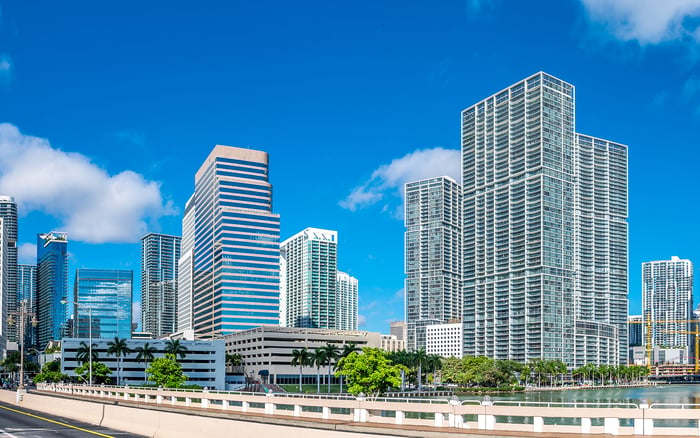
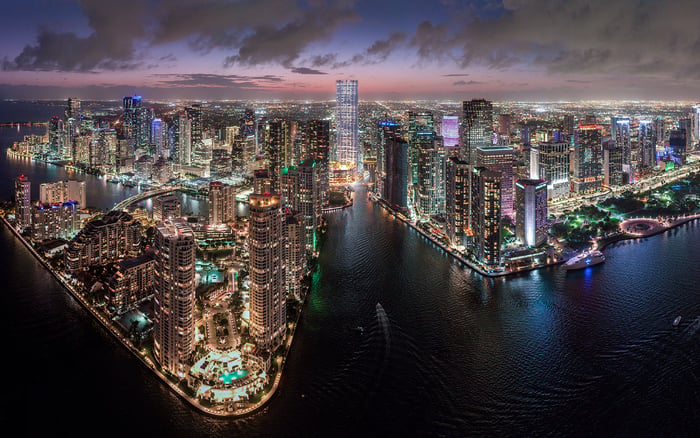
A discreet comparison of Viceroy Brickell and Park Grove Coconut Grove, focused on the buyer-level implications of scarcity, operating complexity, and resale depth.
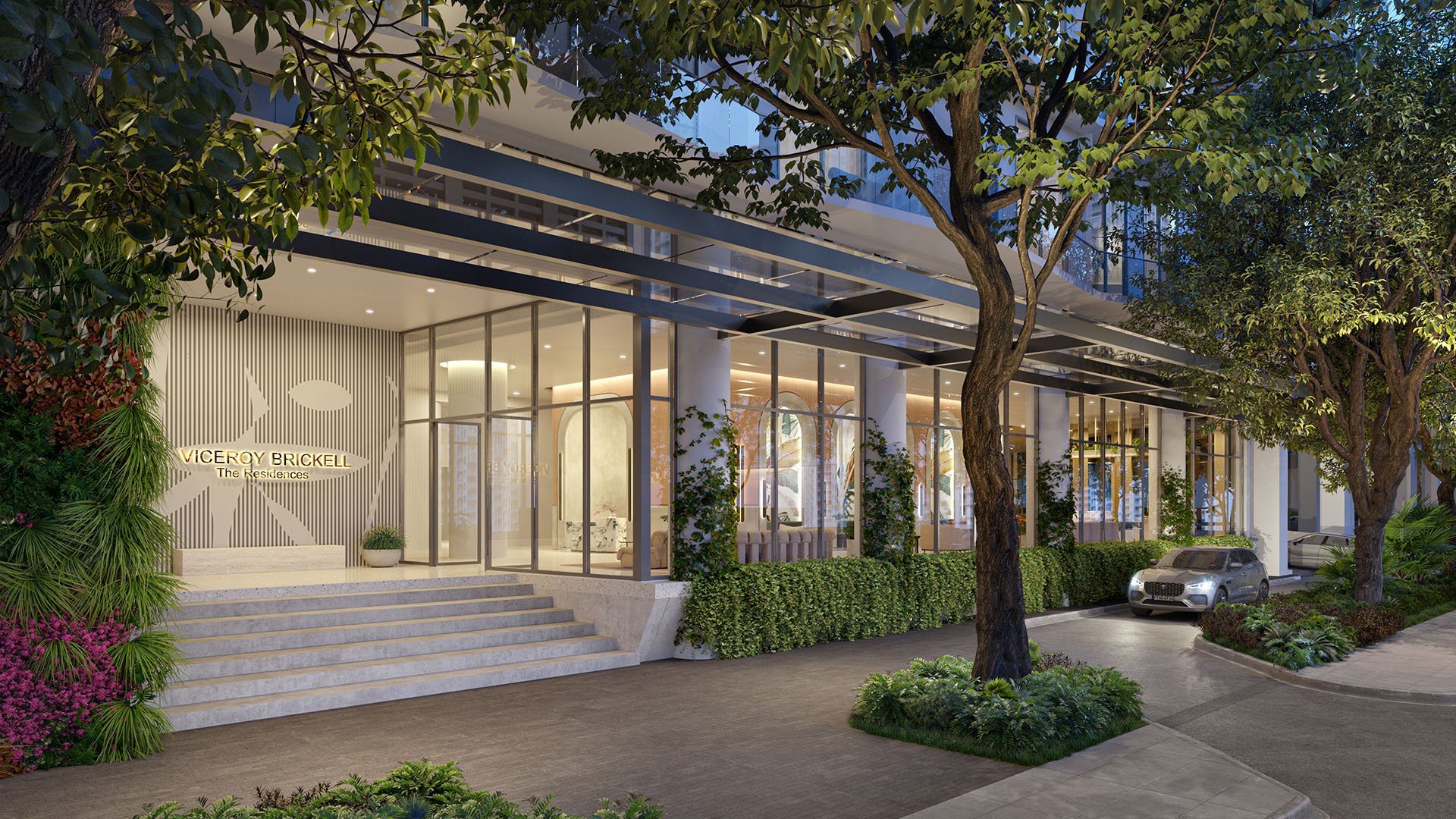
At the top of Miami’s condominium market, the most consequential decisions are often the quietest. A buyer may be choosing between skyline energy and residential calm, between brand theater and neighborhood permanence, between a trophy address that announces itself and one whose value is embedded in place. That is the essential tension behind Viceroy Brickell versus Park Grove Coconut Grove.
This is not a surface-level comparison of amenities. The more important question is how each ownership thesis behaves over time. Viceroy Brickell sits inside the broader Brickell conversation, where high-rise luxury, branded living, and hospitality-oriented residential concepts are familiar to many global buyers. Park Grove Coconut Grove occupies a different lane: a residentially focused Coconut Grove reference point, tied less to a transient brand cycle and more to neighborhood identity.
For an ultra-premium buyer, the trade-off is not which address sounds more fashionable today. It is which structure will feel more legible, more durable, and more liquid to the next buyer.
Scarcity is often misunderstood in Miami. A famous name can create immediate attention, but it is not the only form of rarity. In Brickell, trophy scarcity is frequently shaped through architecture, branding, service language, and skyline positioning. That can be powerful, especially for buyers who want an urban Miami lifestyle with global recognition.
Coconut Grove scarcity works differently. Park Grove’s appeal is rooted in neighborhood identity and the perception that comparable luxury residential opportunities in the Grove are not endlessly interchangeable. The buyer is not simply evaluating a residence within a building. The buyer is evaluating whether the surrounding neighborhood fabric supports the long-term ownership thesis.
That distinction matters because scarcity tied to place may age differently than scarcity tied primarily to a brand wrapper. This does not make one inherently superior. It means the buyer must decide whether the premium is being paid for identity in the marketplace or scarcity in the neighborhood fabric.
The first brochure-level impression of luxury is rarely the full ownership story. Operating costs, governance, service obligations, and use patterns can shape the long-term experience more than the initial emotional pull.
Park Grove is best understood in this comparison as the more residentially straightforward side of the decision. That can make the ownership conversation cleaner for buyers who value full-service condominium living but prefer to avoid unnecessary ambiguity around operating obligations.
The branded-residence question is especially relevant for anyone comparing Brickell branded residences with established residential communities. A hospitality-style proposition may carry appeal for certain buyers, particularly those who like service intensity and brand association. But it can also require deeper due diligence around budgets, declarations, rental rules, shared facilities, and the separation between resident priorities and service programming.
In this sense, the quiet advantage of a more traditional residential framework is simplicity. Not minimalism, but clarity. Luxury buyers who have owned multiple properties often recognize that clarity has its own premium.
Brickell remains one of Miami’s most internationally legible condominium markets. It has density, high-rise living, restaurants, waterfront adjacency, and a steady stream of buyers who understand vertical urban luxury. That buyer depth is real. It is also shared across a large and competitive field of luxury offerings.
A buyer considering Viceroy Brickell will naturally compare it with other Brickell names and formats, including Cipriani Residences Brickell and The Residences at 1428 Brickell. That comparison set can be a strength because it validates the district. It can also become a challenge at resale if buyers have multiple branded, high-service, or new-construction alternatives to consider at the same moment.
Future buyer depth in Brickell may therefore depend less on whether there are buyers and more on how clearly a specific residence differentiates itself. Brand alone is rarely enough. The strongest resale story must explain why the unit, building, view, service model, and cost structure remain compelling against adjacent options.
Coconut Grove does not operate like Brickell. It is not trying to be the region’s financial skyline or its most vertical expression of urban luxury. Its appeal is quieter: residential rhythm, neighborhood character, and a sense of permanence that differs from the energy of the core urban corridor.
Park Grove benefits from that setting as a Coconut Grove luxury reference point. Its buyer pool may be more selective than Brickell’s, but Grove buyers are often highly intentional. They are not simply shopping Miami. They are shopping a particular way of living in Miami.
This is why neighboring luxury conversations, such as Four Seasons Residences Coconut Grove, matter to the broader Grove narrative. They reinforce that Coconut Grove is not merely an alternative to Brickell. It is its own luxury language, with value tied to neighborhood prestige and limited perceived substitutability.
Resale is not only a pricing event. It is a comprehension test. The easier it is for a future buyer to understand the ownership structure, operating obligations, and long-term value proposition, the larger the pool may become.
Park Grove’s more residentially straightforward framework may be easier for future buyers to absorb. The argument is direct: Coconut Grove location, luxury residential living, neighborhood-based scarcity, and fewer perceived governance variables than a more hospitality-inflected structure.
Viceroy Brickell’s future performance should be evaluated through a different lens. If the branded proposition creates durable demand, and if the operating structure remains attractive relative to comparable Brickell product, it can appeal to buyers who want a more service-forward lifestyle. But the investment case should not rest on branding alone. It should be tested against carrying costs, buyer use, rental assumptions if relevant, and the number of comparable offerings competing for attention.
The best choice is therefore not universal. It is personal, financial, and structural. Choose Viceroy Brickell if the desired ownership experience is urban, branded, and service-forward, and if the operating documents support that decision. Choose Park Grove if the priority is residential clarity, Coconut Grove scarcity, and a value proposition grounded in neighborhood permanence.
Is this a simple Brickell versus Coconut Grove decision? No. The more important question is how each ownership thesis handles scarcity, operating complexity, and future resale clarity.
Why does scarcity matter in this comparison? Scarcity affects how a property is understood by future buyers. In this case, the contrast is between brand-led visibility and neighborhood-led permanence.
How should a buyer think about Viceroy Brickell? Viceroy Brickell should be evaluated as an urban, branded, service-forward ownership proposition within a competitive Brickell luxury set.
How should a buyer think about Park Grove Coconut Grove? Park Grove should be evaluated through the lens of Coconut Grove residential identity, clarity, and long-term neighborhood appeal.
Why do operating costs matter so much? Operating costs influence daily ownership, carrying obligations, and resale perception. Buyers should understand what services, governance, and shared obligations are attached to the residence.
Is Brickell automatically more liquid than Coconut Grove? Not automatically. Brickell has broad buyer recognition, but it also has more competing high-rise luxury options.
Why compare Viceroy with other Brickell projects? Projects such as Cipriani Residences Brickell and The Residences at 1428 Brickell help define the competitive set that future buyers may also consider.
Does Coconut Grove compete directly with Brickell? Only partly. Coconut Grove appeals to buyers seeking a different residential rhythm, while Brickell appeals to buyers who prioritize urban vertical living.
What should buyers review before choosing? Buyers should review budgets, declarations, rental rules, service obligations, and the specific resale logic of the residence they are considering.
What is the best way to shortlist comparable options for touring? Start with location fit, delivery status, and daily lifestyle priorities, then compare stacks and elevations to validate views and privacy.
For a confidential assessment and a building-by-building shortlist, connect with MILLION.
If branded residences are on your mind — as a home or as an allocation — we would be glad to share what we are seeing, privately.
Begin a quiet conversation