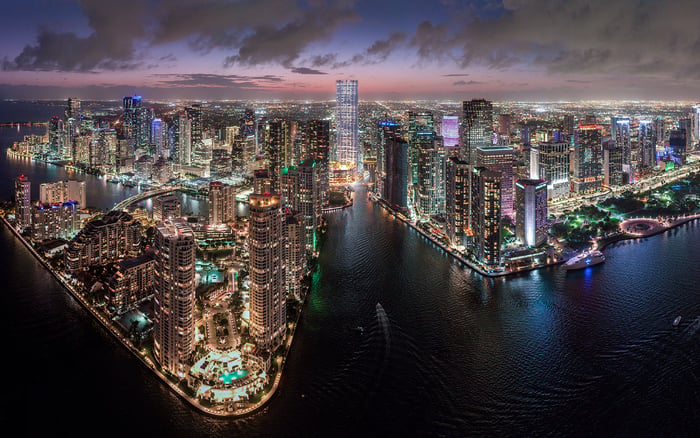
A discreet buyer’s guide to evaluating a design-and-hospitality residential collaboration, with practical questions on architecture, service, governance, fees, and resale.
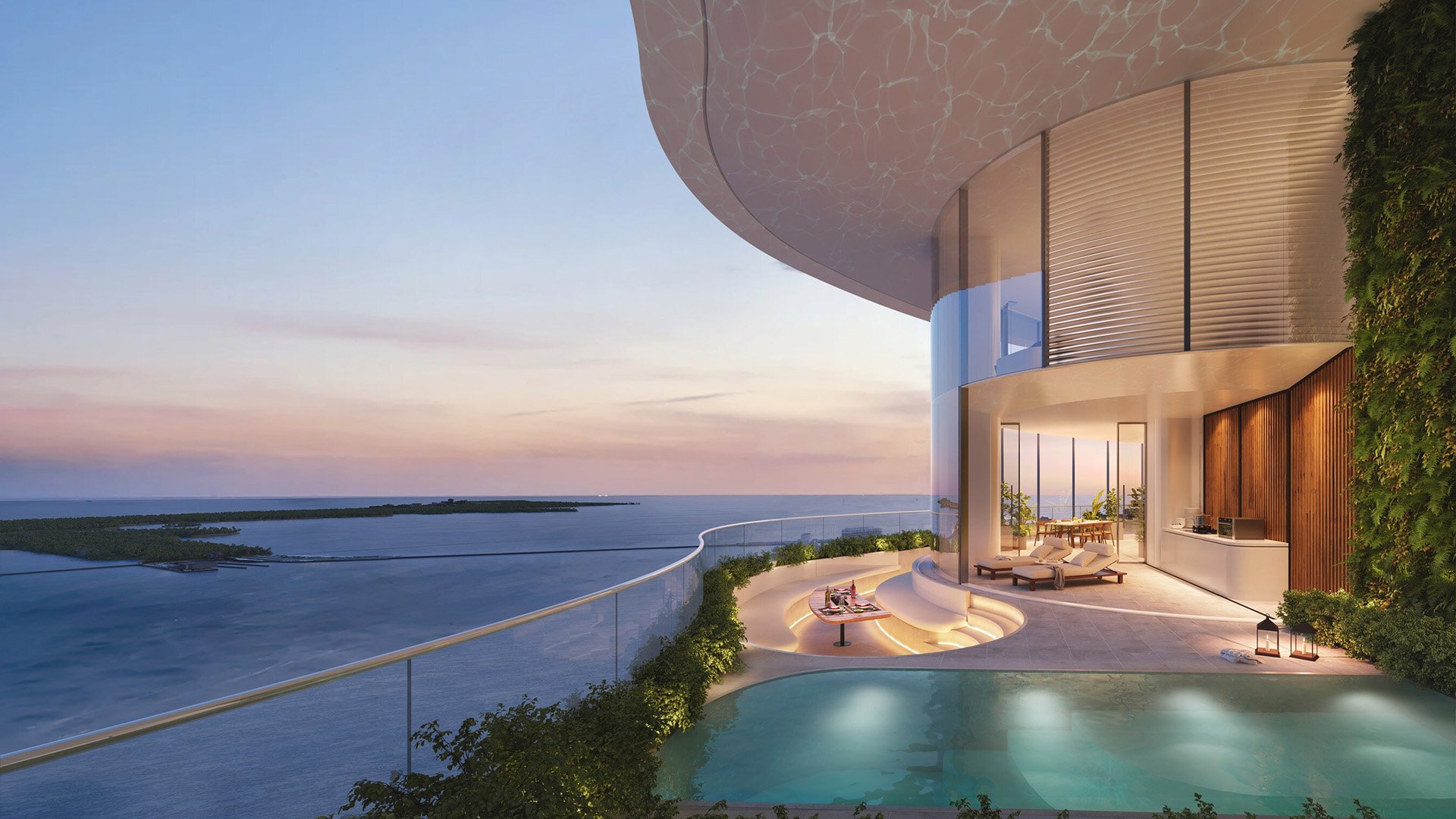
A design-and-hospitality collaboration can be among the most seductive propositions in luxury real estate. It promises architectural authorship, service culture, private-world refinement, and a daily experience that feels more considered than a conventional condominium. The more polished the presentation, the more disciplined the buyer’s questions should be.
For 619 Residences by Foster + Partners + Nobu Hospitality, the headline frames the essential issue: architecture and hospitality are not the same asset. One shapes the building. The other shapes the experience. A sophisticated purchaser should understand where those roles begin, where they end, and which obligations survive long after the sales gallery closes.
In Brickell, where branded and design-led residences often compete for the same global buyer, that distinction matters. The right inquiry is not whether the names are compelling. It is whether the legal structure, service model, and ownership economics support the lifestyle being presented.
The most important questions are rarely about the most photogenic spaces. Buyers should ask who sets service standards, who employs or supervises staff, who can change operating procedures, and whether any hospitality partner has a continuing role after turnover to the association.
This is especially relevant when a project combines architectural identity with hospitality language. Design can be delivered in concrete, glass, stone, millwork, and proportion. Service is delivered daily through training, staffing levels, budgets, rules, and accountability. A residence can be beautifully designed and still feel inconsistent if the operating structure is vague.
Ask whether standards are contractual or aspirational. Ask whether brand guidelines are enforceable. Ask whether the association, developer, management company, or hospitality partner has the final voice when owners want more service, fewer expenses, or different access policies.
A Foster + Partners association signals a design conversation. A Nobu Hospitality association signals an experience conversation. Both may influence desirability, but buyers should evaluate them separately.
On the design side, focus on the permanence of the architecture: floor plans, ceiling heights, light, arrival sequence, privacy, elevator experience, parking logic, acoustic separation, outdoor space, and the way amenities are integrated rather than merely displayed. Architecture should make ownership easier, calmer, and more elegant over time.
On the hospitality side, focus on repeatable execution. What services are included? Which are à la carte? Which can be reduced if budgets tighten? What is reserved for residents only, and what may be shared with guests, members, hotel users, or the public if applicable? If a condo-hotel concept, rental program, or shared-use element appears in any offering documents, buyers should understand how it affects privacy, insurance, financing, noise, access, and association control.
A buyer considering 619 should not evaluate it in isolation. Brickell has become a laboratory for global design, culinary, fashion, and hospitality affiliations. The useful comparison is not which name is most famous, but which structure best fits the way the owner intends to live.
For example, 888 Brickell by Dolce & Gabbana speaks to a different design narrative than a hospitality-led concept. Cipriani Residences Brickell invites questions about service culture and residential form through another lens. The Residences at 1428 Brickell can be part of the same buyer comparison when the priority is a refined new-construction environment with a strong identity.
The point is not to rank names. It is to understand how each building translates a brand promise into ownership documents, recurring costs, access rules, and resale positioning. A serious investment decision should rest on the durability of the proposition, not the drama of the launch.
Pre-construction buyers often experience a project as a guest first: curated appointments, elegant renderings, well-rehearsed narratives, and carefully staged materials. That introduction has value, but it is incomplete. Before signing, the buyer should read like an owner.
Key questions include: What can the developer change? What is the estimated budget, and what assumptions support it? Are there minimum staffing commitments? Are brand or management fees fixed, variable, or subject to escalation? Can the brand relationship be terminated, replaced, or modified? What rights does the association have if service quality declines?
Buyers should also ask how reserves, insurance, maintenance, valet, security, food and beverage, spa programming, private dining, and events are treated. A hospitality atmosphere can be valuable, but it is not free. The best version is transparent, properly funded, and aligned with residents who want privacy as much as polish.
The strongest branded residences have a clear answer to a simple resale question: why will the next buyer care? Sometimes the answer is architecture. Sometimes it is location. Sometimes it is service. Sometimes it is scarcity, privacy, views, or a deeply consistent lifestyle ecosystem. Ideally, several of these forces work together.
For a design-and-hospitality collaboration, resale strength may depend on whether the building still feels fresh after the initial branding cycle has passed. Ask whether the interiors are timeless or highly thematic. Ask whether service standards are likely to age well. Ask whether monthly costs will feel justified to future buyers.
A comparison with St. Regis® Residences Brickell may help frame the question: is the buyer prioritizing legacy hospitality, architectural authorship, culinary association, privacy, or a particular lifestyle rhythm? There is no universal answer. There is only the right match between structure, taste, and long-term ownership goals.
Before buying into a collaboration of this kind, ask for clarity in five areas. First, authorship: what exactly is being designed, curated, managed, or licensed by each named participant? Second, control: who governs the experience after closing? Third, cost: what recurring fees support the lifestyle, and what can change? Fourth, access: who may use the amenities, services, and branded spaces? Fifth, exit: what will matter to a future buyer when the residence returns to the market?
A polished brand can open the door. Documents, governance, and operating discipline determine whether the promise lives well.
Is a design-and-hospitality residence different from a standard luxury condo? Yes. The distinction is usually in the combination of architectural authorship, service programming, brand standards, and operating structure.
What should I ask first about 619 Residences by Foster + Partners + Nobu Hospitality? Ask what each collaborator is contractually responsible for, and whether those responsibilities continue after closing.
Why does governance matter so much in a branded residence? Governance determines who controls budgets, service levels, staffing, access rules, and future changes to the resident experience.
Are hospitality services always included in monthly fees? Not always. Some services may be included, while others may be optional, usage-based, or subject to separate charges.
How should I evaluate a pre-construction purchase? Review the offering documents, estimated budgets, change rights, management agreements, and timelines before relying on presentation materials.
Can a brand relationship change after a building is completed? It can depend on the governing agreements. Buyers should ask whether the brand can be terminated, replaced, limited, or renewed.
Does a famous design name guarantee resale value? No. Resale depends on execution, location, condition, costs, market timing, governance, and whether future buyers value the same attributes.
What does a condo-hotel structure mean for owners? It can affect privacy, rental activity, financing, insurance, shared amenities, and the feel of daily residential life.
Is Brickell still appealing for branded luxury residences? Brickell remains a major comparison set for buyers who want urban convenience, high-rise living, and globally recognized residential concepts.
What is the most overlooked question before buying? Ask who pays to maintain the promised lifestyle, and who has authority if owners later want to change it.
For a confidential assessment and a building-by-building shortlist, connect with MILLION.
If branded residences are on your mind — as a home or as an allocation — we would be glad to share what we are seeing, privately.
Begin a quiet conversation
.jpg&width=700&height=438&fit=cover)