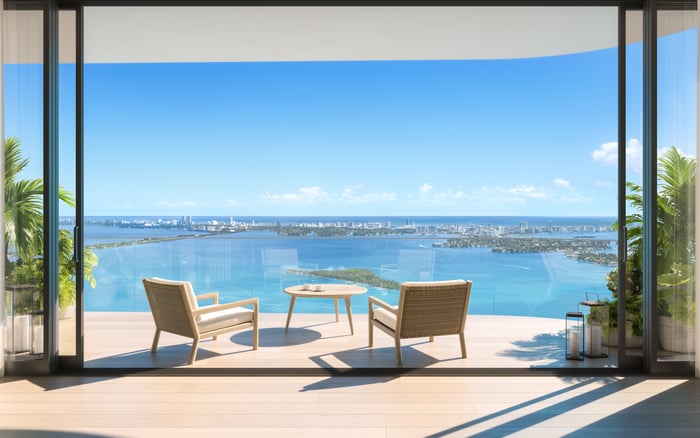
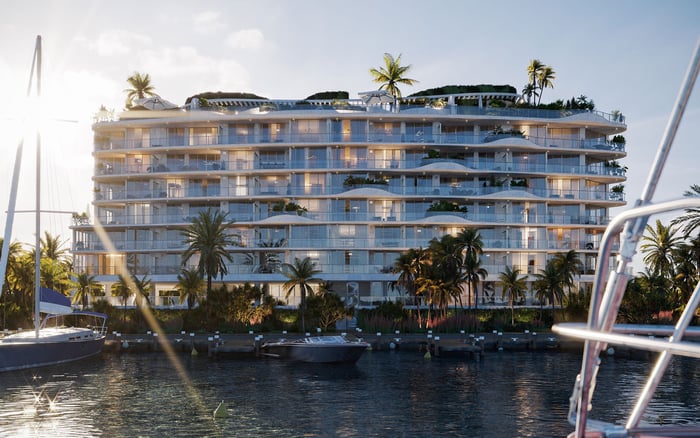
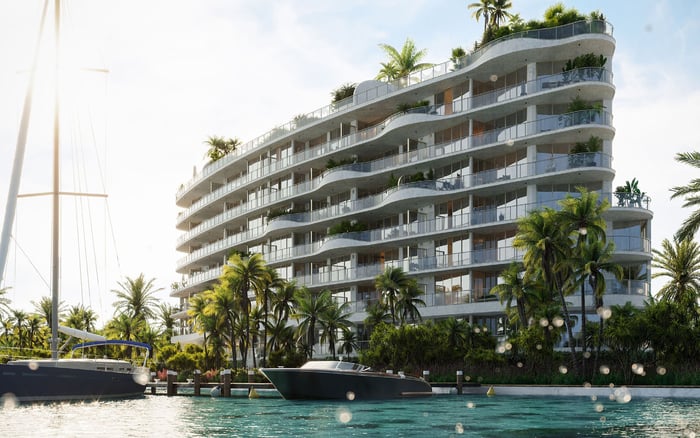
A buyer-focused comparison of EDITION Edgewater and Mila Bay Harbor Islands through amenity density, elevator diligence, and governance control.
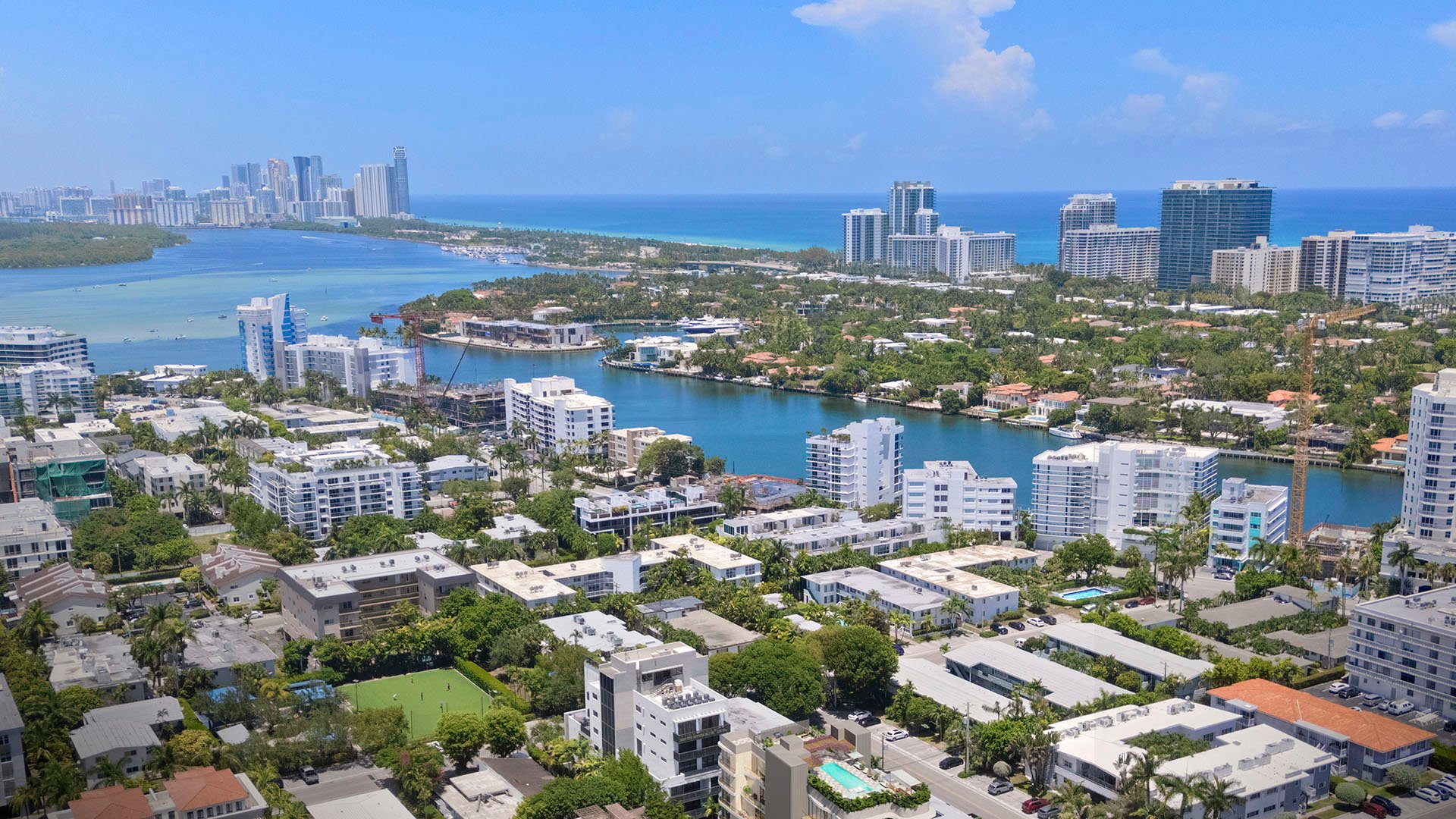
For buyers comparing EDITION Edgewater with Mila Bay Harbor Islands, the decision is less about which address sounds more glamorous and more about which daily tempo will still feel right after the closing dinner is over.
EDITION Edgewater belongs to a more vertical Miami vocabulary. Its appeal is tied to height, views, a branded-residence sensibility, and the convenience of a concentrated residential tower environment. Mila Bay Harbor Islands sits on the other side of the lifestyle equation. It is framed for buyers who want the quieter cadence of Bay Harbor Islands, where lower-rise neighborhood rhythm may matter more than skyline drama.
That distinction is crucial. At the ultra-premium level, buyers are rarely choosing between good and bad. They are choosing between two forms of control: the control that comes from a full-service, high-amenity tower and the control that comes from a calmer, more residential daily pattern.
Amenity density is not simply the number of rooms, lounges, pools, or wellness spaces a project offers. It is the relationship between those spaces, the number of residents using them, and the circulation patterns that shape daily life.
EDITION Edgewater’s amenity logic is more centralized. Amenities and resident movement are concentrated within a primary tower environment, which can create a richer, more immediately accessible lifestyle. For buyers who want a branded-residence experience with a sense of arrival, vertical energy, and a broad amenity stack, that model can feel compelling. It is the same broader Edgewater conversation that has made projects such as Aria Reserve Miami relevant to buyers who accept tower living in exchange for views, services, and a larger residential ecosystem.
Mila Bay Harbor Islands points in a different direction. Its appeal is tied to a quieter, lower-rise island setting, where the residential mood feels more neighborhood-scaled. This does not mean less luxury. It means less intensity. For a buyer who values boutique sensibility, easier comings and goings, and a softer transition between private residence and surrounding streetscape, the Bay Harbor Islands model may feel more personal.
The key question is not, “Which building has more amenities?” It is, “How often will those amenities feel effortless?” A spectacular amenity program can lose some of its grace if every visit feels like peak-hour circulation. A smaller-scale environment can feel more luxurious when access feels calm, familiar, and uncrowded.
No verified, project-published elevator wait-time data is available for either comparison point. Buyers should avoid casual assumptions and move directly to diligence.
At EDITION Edgewater, the vertical format makes elevator performance a more important daily-life variable. Buyers should request elevator counts, car speeds, service-elevator separation, and any peak-hour modeling available. They should also ask how deliveries, staff movement, move-ins, move-outs, and amenity access are handled. In a tower, elevator design is not a minor convenience. It is part of the architecture of privacy.
At Mila Bay Harbor Islands, elevator wait-time risk is less central to the lifestyle thesis because the project is associated with a lower-rise Bay Harbor Islands residential pattern. Still, buyers should request elevator counts per building, units served by each elevator bank, and policies for service moves and deliveries. Lower-rise does not eliminate friction. It simply changes the scale of the risk.
For buyers who have lived in New York, London, or high-season Miami towers, this issue is familiar. The residence can be serene, the lobby beautiful, and the views cinematic, yet daily satisfaction can still be shaped by three minutes at 8:30 a.m. or a delayed service car during a holiday weekend.
Owner control is where luxury buyers should be most disciplined. Verified condominium-governance documents are needed before drawing any definitive conclusion on voting power, developer-retained rights, association turnover, branded-management limitations, rental rules, reserves, or alteration approvals.
For EDITION Edgewater, the diligence file should include condominium declarations, branded-residence agreements, rental rules, association turnover terms, and any management provisions that affect owner discretion. Branded residences can offer polish, consistency, and service culture, but buyers should understand where brand standards end and owner autonomy begins.
For Mila Bay Harbor Islands, the owner-control review should focus on declaration rights, board turnover timing, leasing limits, reserve obligations, and alteration rules. A quieter building can still contain governance restrictions that matter deeply to a buyer planning renovations, long-term family use, or flexible ownership.
This is also where Bay Harbor buyers should compare neighboring inventory carefully. Projects such as Onda Bay Harbor and The Well Bay Harbor Islands show how much variation can exist within the same island market, even before one studies the governing documents.
EDITION Edgewater is the cleaner fit for buyers who want a tower-oriented Miami life: height, views, branded atmosphere, and a centralized amenity experience. It suits the owner who expects the building to function as a vertical private club and accepts that elevator performance, peak-hour flow, and shared amenity demand are essential parts of the ownership analysis.
Mila Bay Harbor Islands is better aligned with buyers who want low-rise rhythm, quieter surroundings, and a less theatrical daily setting. It suits the owner who cares about discretion, neighborhood scale, and a residential pace that feels removed from the full intensity of Miami’s skyline culture.
The tradeoff is clear. EDITION Edgewater likely offers the richer branded amenity proposition. Mila Bay Harbor Islands likely offers the calmer everyday cadence. Neither can be judged responsibly on aesthetics alone. The correct choice depends on how a buyer weights amenity abundance, circulation risk, and governance control.
For a primary residence, that calculus may favor calm. For a second residence, it may favor service and spectacle. For investment-minded buyers, the question becomes how future occupants will value the same balance between amenities, access, and rules.
Is EDITION Edgewater more tower-oriented than Mila Bay Harbor Islands? Yes. EDITION Edgewater is framed as the more vertical option, while Mila Bay Harbor Islands is positioned around a lower-rise island context.
Does Mila Bay Harbor Islands better suit buyers seeking a quieter rhythm? Yes. Its appeal is tied to Bay Harbor Islands’ calmer residential pattern and lower-rise neighborhood feel.
Are exact elevator wait times available for either project? No verified project-published elevator wait-time data is available, so buyers should request technical details during diligence.
What should buyers ask about elevators at EDITION Edgewater? Ask for elevator counts, car speeds, service-elevator separation, and peak-hour modeling for residents, guests, staff, and deliveries.
What should buyers ask about elevators at Mila Bay Harbor Islands? Ask how many elevators serve each building or bank, how many residences share them, and how service moves are scheduled.
Is amenity density likely higher at EDITION Edgewater? Yes. Its centralized tower environment suggests a higher-intensity amenity and circulation experience.
Does lower-rise automatically mean better owner control? No. Owner control depends on the condominium documents, board turnover, voting thresholds, leasing limits, and alteration rules.
Do branded residences require extra governance review? Yes. Buyers should understand brand standards, management rights, rental rules, and any limits on owner discretion.
Which project is better for buyers who dislike congestion? Mila Bay Harbor Islands is the more natural fit for buyers prioritizing calm over vertical amenity intensity.
Can either project be fully assessed without condo documents? No. A final owner-control view requires review of declarations, turnover terms, rules, reserves, and management agreements.
When you're ready to tour or underwrite the options, connect with MILLION.
If branded residences are on your mind — as a home or as an allocation — we would be glad to share what we are seeing, privately.
Begin a quiet conversation