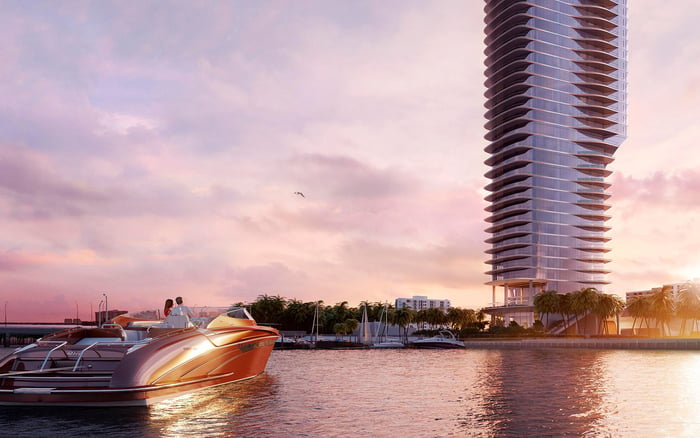
A disciplined waterfront buying guide for South Florida purchasers who want year-round boating without letting insurance, association costs, access rules, and daily-use friction distort the real economics of ownership.
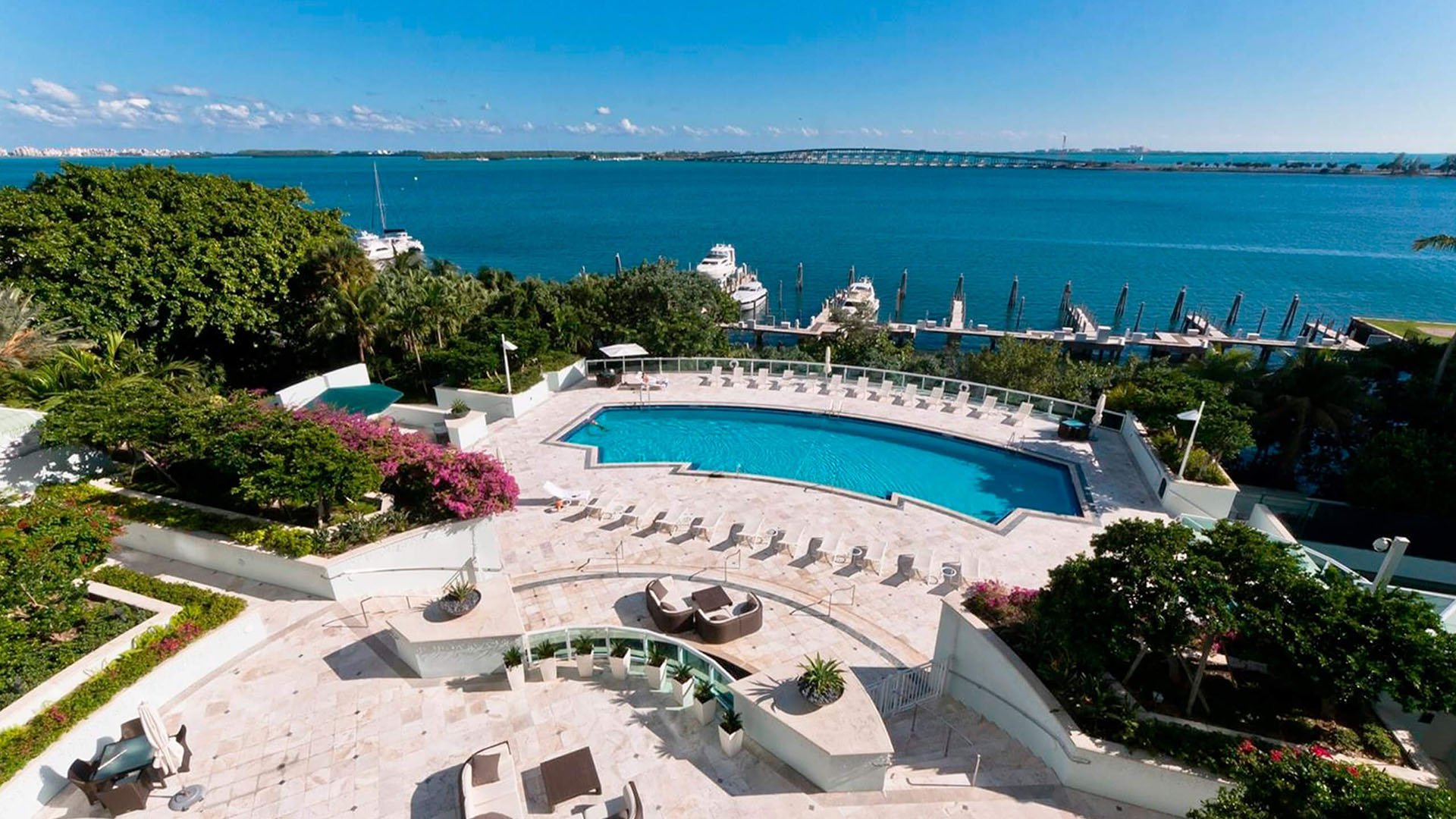
In South Florida, waterfront living is often sold as an image: morning light on the canal, a tender waiting below, dinner by water instead of by road. For a serious buyer, that image is only the beginning. The more important question is whether the residence, vessel, insurance profile, association structure, and owner’s daily rhythm can coexist without avoidable friction.
The right approach is not to treat boating as an amenity. Treat it as an operating system. A waterfront home or condominium may feel ideal during a showing, yet the true test lies in the recurring obligations attached to using the water year-round. Insurance, HOA fees, marina access, boat-slip terms, crew logistics, hurricane planning, parking, storage, guest use, maintenance coordination, and everyday convenience all belong in the same underwriting conversation.
That is especially true for buyers comparing different types of addresses, from a vertical lifestyle in Brickell to quieter waterfront pockets near Bay Harbor, Coconut Grove, Fort Lauderdale, Pompano Beach, Surfside, or Aventura. A residence can be extraordinary and still be mismatched to the way an owner actually boats.
The first underwriting question is not the vessel’s length. It is the household’s behavior. How often will the boat be used? Who initiates the outings? Are departures spontaneous or scheduled? Is the boat for family afternoons, fishing, island lunches, business entertaining, sunset cruising, or seasonal hosting? A buyer expecting effortless weekday use needs a very different setup from one who boards only on long weekends.
This is where luxury buyers should be unsentimental. A residence that requires multiple handoffs before the boat can leave may work beautifully for occasional use. It may feel burdensome for someone who wants to be on the water three or four times a week. Conversely, a dedicated boating address may be unnecessary if the owner prefers concierge-managed outings over constant self-directed use.
For example, a buyer considering Una Residences Brickell should think beyond skyline views and ask how boating fits with the household’s preferred pattern of movement, storage, staff, and scheduling. The address may satisfy one lifestyle beautifully, while another buyer may require a more marina-centered routine elsewhere.
Insurance should not be reviewed after the contract is emotionally decided. It belongs in the early buying model, because the marine side and the residential side can affect the owner’s total carrying cost, documentation burden, and comfort with risk.
A prudent buyer should seek insurance guidance before assuming that the vessel, the home, and the desired use pattern will be simple to cover. The vessel’s size, age, operating area, hurricane plan, storage arrangement, captain or owner-operation profile, and claims history may all become relevant in the underwriting process. On the residential side, the building structure, association requirements, and waterfront exposure can also affect how a buyer evaluates risk.
This is not a reason to avoid boating. It is a reason to price the dream correctly. The most sophisticated purchasers do not ask, “Can I afford the boat?” They ask, “Does the entire waterfront plan still make sense after risk, time, and recurring obligations are included?”
For condominium buyers, association documents can be as important as the floor plan. A boating buyer should review restrictions, application procedures, use rules, guest policies, leasing limitations, storage conditions, and any separate marina or dock agreements before assuming daily access will be intuitive.
The key is to separate ownership rights from convenience. A buyer may have a beautiful residence near the water but still face rules that shape when, how, and by whom the vessel can be accessed. Slip assignment, transferability, waitlists, guest privileges, service access, security procedures, and repair protocols may all affect the lived experience.
This is why properties near boating corridors should be evaluated in context. Around Bay Harbor, a buyer studying Onda Bay Harbor may want to compare not only the residence itself but also the practical choreography of water access, driver arrival, provisions, crew communication, and return-home routines.
The cleanest underwriting tool is a twelve-month worksheet that treats boating as a recurring lifestyle expense. The worksheet should include the residence carrying cost, association dues, any marina or boat-slip cost, vessel insurance, residential insurance, routine maintenance, cleaning, fuel, captain or crew support if applicable, detailing, storage, hurricane preparation, service calls, and transportation between home and vessel if they are not in the same place.
Do not rely on a best-case month. Use an annual view. Some months may be quiet, while others may require concentrated spending or coordination. The point is not to make the numbers feel heavy. The point is to reveal whether the buyer will enjoy the lifestyle freely or begin rationing use because the setup feels inefficient.
For investment-minded owners, the same discipline matters even more. A waterfront asset may hold emotional value, but its ownership logic should still be clear. If the boating program is central to the purchase, it deserves the same attention as views, finishes, service, privacy, and resale positioning.
In ultra-premium real estate, the decisive luxury is often not the largest amenity. It is the absence of friction. Can the family leave quickly? Can guests find the right entrance? Can provisions be loaded gracefully? Is there shaded waiting space? Is there convenient parking for the person who actually uses the vessel? Can service providers access what they need without disrupting the household?
A Fort Lauderdale buyer considering Riva Residenze Fort Lauderdale may have a different boating calculus than a buyer focused on Miami Beach, Surfside, or Pompano Beach. The question is not which address is more glamorous. The question is which address best matches the owner’s daily pattern.
Similarly, a buyer evaluating The Ritz-Carlton Residences® Pompano Beach should think about how often the water will be used, who will manage the vessel, and whether the overall ownership rhythm feels calm rather than complicated.
Some buyers choose the boat first, then search for real estate that can accommodate it. Others choose the residence first and adapt the vessel plan later. Neither is wrong, but the sequence must be deliberate.
If the vessel is central to the buyer’s identity, the property search should be filtered through that requirement from the beginning. If the residence is the priority, the boating plan should remain flexible. In both cases, the buyer should avoid forcing an incompatible pairing. The most expensive mistake is not a high recurring cost. It is paying for a lifestyle that remains inconvenient.
This is where advisory discipline matters. Waterfront ownership is not simply about proximity to water. It is about the relationship between access, governance, risk, privacy, service, and routine. A beautiful residence becomes more valuable to its owner when the boating life attached to it feels natural.
Should insurance be reviewed before making an offer? Yes. Early insurance guidance helps clarify whether the residence, vessel, and intended use pattern are financially and practically aligned.
Are HOA fees enough to understand the full cost of boating? No. HOA fees are only one line item; marina costs, boat-slip terms, insurance, maintenance, and service logistics should be modeled separately.
What is the biggest daily-use mistake buyers make? They focus on the romance of waterfront access and underestimate the time, coordination, and rules involved in frequent boat use.
Does every waterfront buyer need a private slip? Not necessarily. Some owners value direct access, while others prefer managed boating arrangements or nearby marina options.
How should a buyer compare Brickell with quieter waterfront areas? Compare the lifestyle pattern first: commute, privacy, boarding routine, service access, guest flow, and how often the boat will be used.
Is a larger vessel always better for year-round use? No. The better vessel is the one that fits the property, the owner’s schedule, the operating plan, and the insurance profile.
Should buyers review association rules with counsel? Yes. Legal review can help interpret use rights, restrictions, transferability, guest policies, and obligations before closing.
Can boating costs affect resale thinking? Yes. Buyers often respond to clarity; a well-understood boating setup can make ownership feel more rational and easier to evaluate.
What should seasonal owners underwrite differently? Seasonal owners should pay special attention to oversight, storm preparation, maintenance scheduling, and who manages the vessel when absent.
What makes a boating residence feel truly luxurious? A seamless match between the home, the water access, the vessel, the rules, and the owner’s daily rhythm.
For a confidential assessment and a building-by-building shortlist, connect with MILLION.
If branded residences are on your mind — as a home or as an allocation — we would be glad to share what we are seeing, privately.
Begin a quiet conversation