Luxury buyers looking ahead to 2026 are less focused on hype and more focused on repeatable signals: scarcity, lifestyle friction, and the quality of incoming residential product. This guide lays out a disciplined way to evaluate “up-and-coming” neighborhoods across Miami-Dade, Broward, and Palm Beach without leaning on fragile anecdotes. You will find a ranking framework, a touring checklist built for privacy and efficiency, and a practical approach to underwriting New-construction opportunities with an Investment mindset.
In South Florida, “up-and-coming” is often used as a shortcut for trend. In luxury real estate, it usually means something more consequential: a neighborhood is moving into a new tier of livability, product quality, and pricing power. The buyer experience gets easier. The residential inventory becomes more aligned with how high net worth owners actually live, host, and protect their time.
If you are deciding where to place capital or establish a second home in 2026, the work is not chasing noise. It is separating durable change from temporary attention. The most reliable signals are structural and repeatable: how residents arrive and depart, how predictable the street environment feels across different hours, how strong the incoming residential offerings are, and whether the neighborhood supports a high-quality daily rhythm.
This guide is designed for readers who want discretion and clarity, not theatrics. Rather than leaning on anecdotes, it gives you a rigorous lens you can apply across Miami-Dade, Broward, and Palm Beach. Use it to compare neighborhoods that often enter the same conversation, including Brickell, Edgewater, and Wynwood, while staying grounded in what you can actually tour and underwrite.
In ultra-premium markets, momentum is not only appreciation. It is the shift from “interesting option” to “default choice” for specific buyer profiles. That shift happens when the neighborhood begins to deliver predictability in lifestyle, service, and resale demand.
Start with scarcity. In luxury, scarcity can come from limited buildable sites, protected view corridors, a true waterfront orientation, or simply a small inventory of residences that feel turnkey at a high standard. Scarcity is what allows a neighborhood to absorb new supply without eroding price expectations.
Next is lifestyle friction. Affluent buyers pay for time and calm. If daily living requires constant workarounds, whether that is parking, noise, or logistics, the neighborhood can remain a niche even if it has cultural energy. The best-performing luxury districts remove friction in ways that are obvious once you live there.
Then comes product fit. Many buyers in 2026 conversations want residences that feel designed, not merely updated. That often points to New-construction, or resale inventory that has already been renovated to a level that reads architectural, coherent, and current.
Finally, identity must hold. True luxury districts do not require a long explanation. They are coherent in look, service culture, and buyer expectations, and that coherence tends to persist across market cycles.
A “top five” list is only useful if it is built from the same criteria every time. If you want a method that works across South Florida, score each neighborhood with a consistent framework, then compare the results without romanticizing any one storyline.
Arrival and exit. How effortless does it feel to enter and leave at peak hours and late hours. Privacy-sensitive buyers also care about whether arrivals can be discreet, whether ride share patterns feel orderly, and whether guest access is simple.
Street-level experience. Luxury districts succeed when the ground plane feels cared for. That can mean clean sidewalks, well-lit streets, and retail that looks intentional rather than temporary.
Residential quality and coherence. A neighborhood can have iconic homes and still underperform if the broader streetscape reads as inconsistent. Cohesion matters because it protects the buyer’s sense of permanence.
Lifestyle adjacency. The most resilient neighborhoods are close to what luxury owners use regularly, including fitness, dining, waterfront recreation, and high-touch personal services.
Exit liquidity. In practice, that means how easily a property can be resold without having to find a “one buyer” match. Liquidity is not only about price. It is about whether there are enough qualified buyers who already want the neighborhood.
This is the discipline that keeps an Investment thesis grounded even when the headlines are loud. It also keeps your touring time efficient, because you know exactly what you are testing on each visit.
A ranked list is tempting because it feels decisive. In luxury, it is more valuable as a final output than a starting point. The right question is not “what is hottest,” but “what is improving in ways that will still matter after the next cycle of attention.”
Use the scoring approach above to build your shortlist before you get emotionally attached to a narrative. In South Florida, small differences in daily convenience, privacy, and building quality can outweigh broad market commentary. Sometimes two streets apart is the difference between calm residential consistency and a scene you will outgrow quickly.
If you are comparing urban options, you may naturally look at areas that are discussed together, including Brickell and Edgewater. The deciding factor is rarely the neighborhood name. It is the micro-location, the building, the exposure, and the everyday logistics.
If you are considering a more creative, walkable evening atmosphere, Wynwood may enter the conversation. Here, the right fit depends on how you define quiet, security, and long-term comfort, especially for owners who prioritize privacy and predictability.
A serious luxury buyer insists on specific, named residential targets inside each neighborhood so the “top five” reflects actual inventory you can buy, not a general vibe.
A luxury neighborhood ranking should ultimately be anchored to concrete, named items you can evaluate in person: a specific building, a specific pocket of single-family streets, or a specific residential project that clearly signals where the buyer experience is headed.
This section is intentionally disciplined. Rather than offering a fragile, fixed list based on broad labels, the goal is to keep your process verifiable. In practice, your “top five” should emerge only after you identify best-in-class product within each candidate neighborhood.
When you assemble a 2026 shortlist, stay grounded in what you can physically tour and underwrite. Start with the neighborhood candidate, then find the strongest residential options within it. Only after that step should the neighborhood earn a slot on your personal list.
For buyers who prioritize architectural coherence and lock-and-leave ease, the neighborhood’s case often hinges on a small set of residences that deliver consistent service, controlled access, and a predictable ownership experience.
For buyers who prioritize land value and customization, the best blocks matter more than the neighborhood label. The market will reward the streets that feel stable, cared for, and insulated from daily volatility.
Momentum in luxury real estate often shows up in subtle shifts that have nothing to do with social buzz. One clear indicator is when buyers stop negotiating aggressively because they fear missing the best unit type, the best exposure, or the best line in a building. Another is when premium pricing starts to hold outside peak season because lifestyle demand is consistent.
In practical terms, focus on three improvement categories that tend to be durable.
First, quality of new residential offerings. New-construction can reset expectations for design, amenities, and owner experience. When a neighborhood attracts incoming high-end product, it often becomes easier to explain and easier to sell, especially to out-of-town buyers who want something internationally legible and turnkey.
Second, service ecosystem. Luxury districts mature when day-to-day services become effortless. Think high-quality grocery, personal training, wellness, tailoring, and dining that feels consistent. Even if you spend most of your time at home, the surrounding service culture becomes part of what you are buying.
Third, the “return home” feeling. Neighborhoods that win long-term tend to feel pleasant at the end of the day, not just exciting at midday. Noise patterns, lighting, and the sense of being insulated from chaos are difficult to quantify, but easy to feel on a second visit.
The discipline is simple: if the neighborhood’s improvements make your life easier and the best inventory is increasingly competed for, momentum may be real. If the “improvement” is mostly conversation, be cautious about paying for it.
Many South Florida luxury decisions in 2026 will still reduce to one core question: do you want urban immediacy, or residential calm.
In an urban-core lifestyle, buyers accept more activity in exchange for proximity to offices, restaurants, and a sense of being central. If you are drawn to that profile, Brickell tends to appear on shortlists because it is widely recognized and straightforward to explain to guests and future buyers.
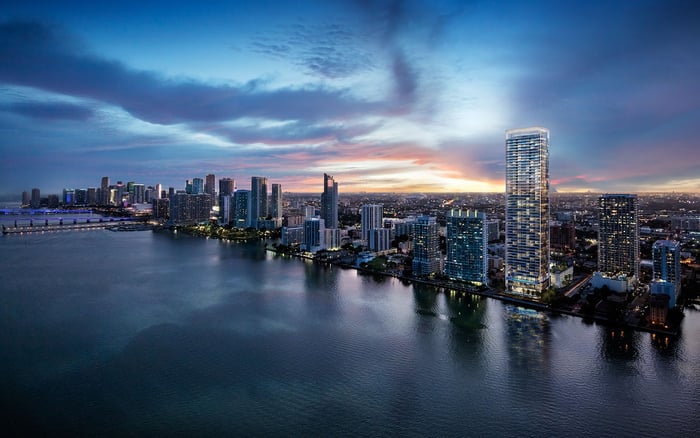
If you want a slightly more residential cadence while staying close to major nodes, Edgewater may come into focus. The appeal is often the balance: skyline energy, a more neighborhood-like rhythm in the right pockets, and access that can feel easier depending on the exact building and approach routes.
If your lifestyle is more creative and social, Wynwood may be discussed as an option for buyers who want a different texture than a traditional waterfront or CBD narrative. The key is defining your threshold for late-night activity, your comfort with parking patterns, and how much you want to rely on a car.
This is where sophisticated buyers stop relying on general reputations and start testing micro-locations. In ultra-luxury, the best experience is often concentrated in a few blocks, and the difference between “ideal” and “fatiguing” can be surprisingly small.
If you want to decide with confidence, tour like an institutional buyer, not like a tourist. Your goal is not to be entertained. Your goal is to reduce uncertainty.
Begin with two time windows. Visit once in daylight and once after dark. Luxury is not a daytime-only story. If you are evaluating privacy, you need to see how streets feel when restaurants are busy and when traffic is light.
Next, simulate daily life. Identify where you would get coffee, where you would do a quick workout, and where you would send a guest for an effortless dinner. If those options require constant planning or feel inconvenient, the residence can turn into a weekend-only asset even if you believe you will use it frequently.
Then, drive the boundary streets. Neighborhood edges often reveal the truth about noise, cut-through traffic, and how quickly the environment changes. Many buyers are not looking for the center of activity. They are looking for the calm pocket that still has access to the neighborhood’s best energy.
Finally, tour competitive inventory. Even if you love a specific home or condo, see what else is available nearby. Luxury decisions improve when you understand your alternatives. It also strengthens your negotiating position because you can credibly walk away, and that credibility matters.
New-construction can be compelling in South Florida because it offers a chance to buy into a neighborhood’s next chapter with a product that feels current. That said, the underwriting should be conservative. The most common mistake is paying a premium for newness while overlooking fundamentals that will still matter when the next wave of inventory arrives.
Start with non-negotiables: privacy, views, ceiling height feel, layout efficiency, and whether the arrival experience aligns with your standards. If those are weak, future neighborhood momentum rarely compensates. True luxury is experienced in daily use, not in a brochure.
Then evaluate timeline flexibility. A buyer planning to use the residence in a specific season should confirm scheduling expectations directly with the sales team and in the contract documents. Do not rely on casual conversations, and do not assume best-case delivery.
Also consider resale positioning. In many markets, a new building competes first with other new buildings, then with the best renovated resales. Choose a unit type that will remain desirable when the next supply comes online. In practical terms, prioritize features that stay valuable, rather than features that are trendy for one launch cycle.
Finally, align your hold period with your lifestyle, not just projections. Luxury real estate tends to perform best for owners who genuinely use the asset. When you enjoy the residence, your decision-making stays rational even when the market changes.
When you are comparing neighborhoods, it helps to calibrate your standard of “current luxury product” using one clear reference point. Pick a high-end residential offering, review its design and buyer experience, then pressure-test other options against that baseline.
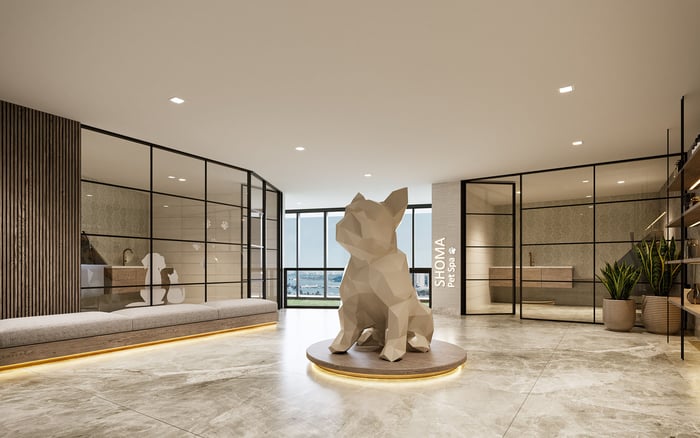
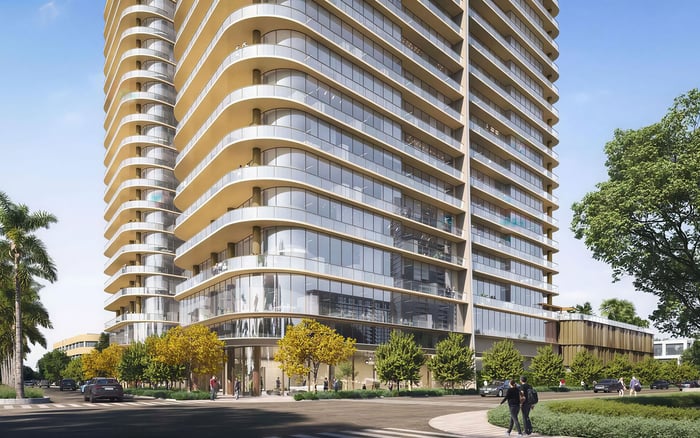
For that purpose, explore Aria Reserve Miami as a neutral reference point while you map what matters most to your 2026 purchase. Use it to clarify preferences such as whether you prioritize a resort-like amenity environment, a quieter residential tone, or a more intimate boutique feel.
From there, apply a simple test to each neighborhood: does the best available inventory here match the standard I want, and will it still feel current in five years. If the answer is only “maybe,” refine the search to a tighter micro-location or a stronger product class.
Luxury buyers win by being consistent. When your standard is clear, the decision becomes less emotional and more precise.
How should I define “up-and-coming” for my own purchase? Define it in terms of repeatable signals, not conversation. Start with scarcity, lifestyle friction, product quality, and neighborhood coherence. If the area is becoming easier to live in, and the best inventory is increasingly competitive, that is a stronger indicator than trend coverage.
What should I look for when comparing Brickell to Edgewater for daily livability? Compare them through arrival and exit, street-level experience, and your preferred daily rhythm. Brickell can favor buyers who want an urban-core feel that is easy to explain and easy to access. Edgewater may appeal when you want a slightly more residential cadence, but the outcome depends heavily on the exact building and micro-location.
Is New-construction worth the premium if I plan to hold long-term? It can be, but only if the fundamentals are strong: privacy, views, layout efficiency, and a high-quality arrival experience. Underwrite conservatively, verify timeline details in writing, and choose a unit type you expect to remain desirable when newer projects arrive.
How do I judge whether a neighborhood like Wynwood will match my privacy needs? Tour twice, including after dark, and pay close attention to noise patterns, parking behavior, and how quickly the environment changes at the edges. In privacy-sensitive purchases, comfort is often determined by a few blocks, not by the headline neighborhood name.
For discreet guidance on acquisitions across South Florida, connect with MILLION Luxury.
If branded residences are on your mind — as a home or as an allocation — we would be glad to share what we are seeing, privately.
Begin a quiet conversation