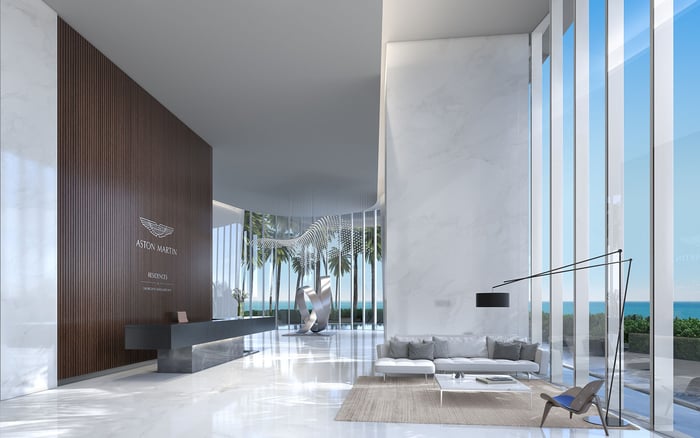
In South Florida’s ultra-luxury condo market, the choice between a turnkey residence and a custom-finish delivery is less about taste and more about control, time, and risk. Turnkey units can streamline a move-in or a near-term lifestyle plan, while custom paths can elevate long-term satisfaction and differentiation, if you manage timelines, approvals, and budget discipline. This guide frames the decision through the realities of Pre-construction and New-construction buying, with a focus on Brickell priorities and Investment-minded outcomes.
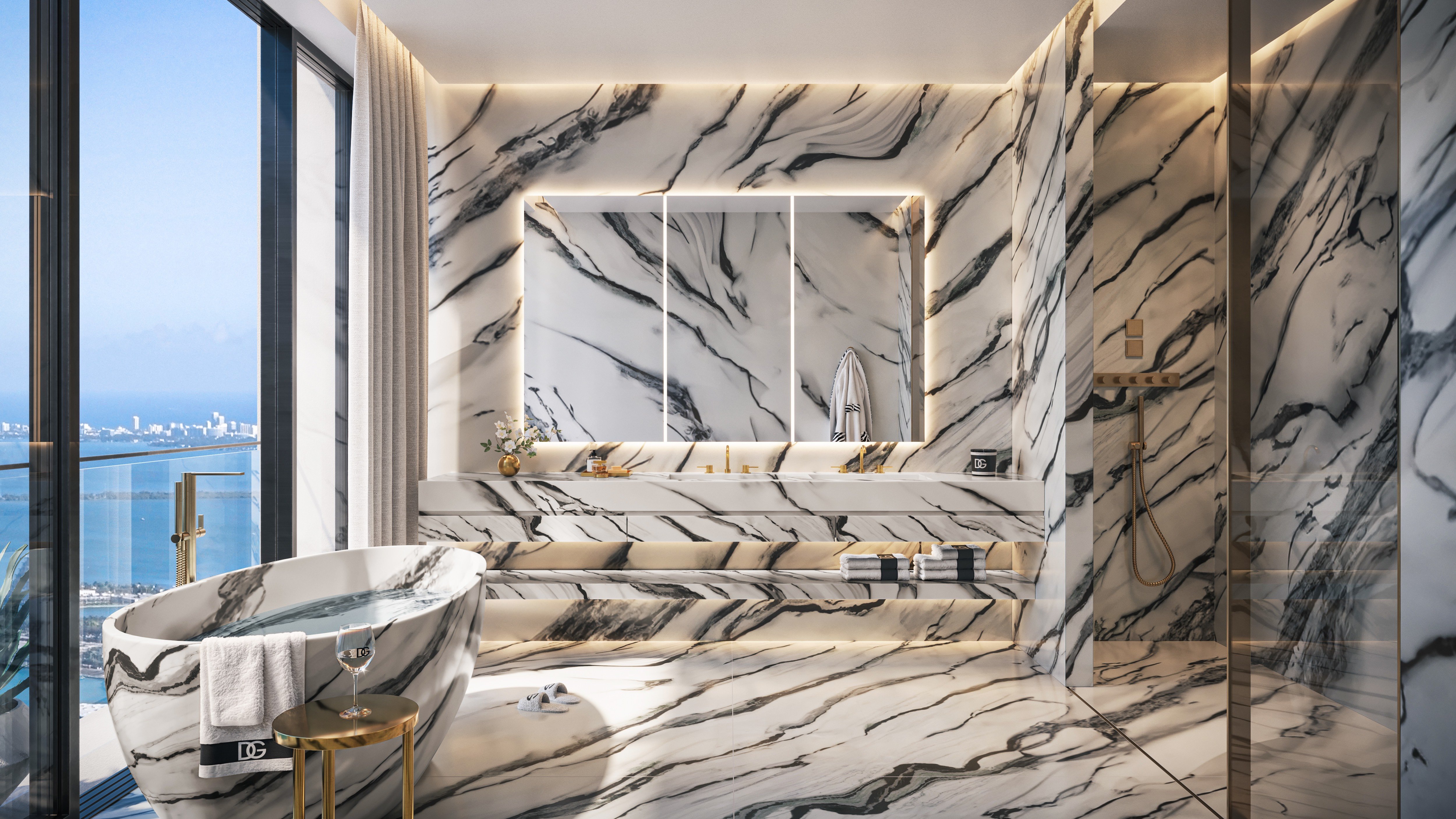
Pre-construction buying in South Florida is often marketed as a choice between two luxuries: the ease of a turnkey residence and the allure of a fully curated interior. In reality, the decision is less emotional and more strategic. A turnkey delivery prioritizes predictability, fewer decisions, and a cleaner path to occupancy. A custom finish, whether through developer upgrade options or an owner-led build-out, can produce a residence that feels truly one-of-one, but it also introduces more dependencies on approvals, sequencing, and execution.
For buyers focused on Brickell and other high-demand Miami corridors, the question is not what looks best on a mood board. It is which delivery method fits your time horizon, how much oversight you want, and how comfortable you are with uncertainty as the building approaches completion.
As a neutral reference point for the kind of ultra-premium branding that can influence finish expectations, explore 888 Brickell by Dolce & Gabbana. The larger takeaway applies across New-construction: the interior you receive is the outcome of contract language, construction sequencing, and a long chain of approvals.
In high-end South Florida condominiums, “turnkey” typically means the residence is delivered with a completed interior selected and executed under the developer’s scope, sometimes in coordination with a brand or design partner. The appeal is simple: the primary finishes, appliances, and fixtures are already coordinated and installed, so your role shifts from designing to verifying.
Turnkey tends to fit best when:
Even with a unit marketed as turnkey, treat the finish scope as something to confirm, not something to assume. “Turnkey” can vary by product tier, and specification sheets and allowances deserve the same scrutiny you give views, exposure, and floor plan efficiency.
Custom finish is not a single path. In South Florida Pre-construction, it is more accurate to think of it as a spectrum.
On one end are developer upgrades: curated options, upgraded appliance packages, or enhanced millwork selections that remain within an approved menu. This route can provide a level of personalization while preserving a degree of predictability.
On the other end is a true owner-led build-out: a purchase that closes with a baseline interior or limited scope, followed by design, permitting, and construction managed by your team. The results can be extraordinary. The process can also become a project in every sense.
The appeal of “custom” is easy to understand. A residence tailored to your art, lighting preferences, storage requirements, and entertaining style can feel less like a condo and more like a private home in the sky. The practical question is whether you want to take responsibility for getting there.
Luxury buyers often underestimate how quickly a finish choice becomes a scheduling decision.
If your goal is to close and live, turnkey is usually the most direct path. You are acquiring a finished vision, not managing a construction calendar.
If your plan is to close and travel, a custom route can work, but only if you are comfortable with the residence operating as a project while you are out of town. That can be feasible with the right team, but it requires high trust, clear documentation, and disciplined scope control.
If you are buying around a seasonal rhythm, custom timelines can be difficult to synchronize. Delays can come from supply constraints, inspections, elevator reservations, or building rules that restrict work hours.
If you plan to furnish immediately, turnkey’s advantage extends beyond construction. It allows you to move faster into furniture, window treatments, art installation, and day-to-day setup without coordinating around contractors.
If your lifestyle prioritizes minimal disruption, remember that a custom build-out is still a construction site, even when the work is refined. Noise management, protective coverings, delivery coordination, and access rules become part of your ongoing relationship with the building.
Turnkey moves design responsibility to the developer. Custom moves it to you.
That distinction is obvious in theory, but material in practice. With turnkey, your primary design decision is selection. You are assessing whether the developer’s palette aligns with your preferences and whether the execution standard matches the marketing.
With custom, you become accountable for the full chain of decisions that creates a luxury interior. That includes choosing a designer, selecting a contractor, and ensuring those parties can work within the condominium’s management structure and rules.
Ask yourself:
There is no moral “right” answer. The right answer is operational.
In ultra-luxury real estate, customization can become the most expensive line item precisely because it widens what is possible.
With turnkey, the cost structure often feels clearer because much of the interior pricing is embedded in the offering. You may still invest heavily in furniture and art, but the core architectural decisions are already made.
With custom finish, budget risk tends to appear in three consistent places.
First is scope creep. A flooring change can cascade into baseboards, door undercuts, and transition details. A lighting plan can lead to ceiling modifications, dimming systems, and millwork designed to conceal drivers and hardware.
Second is the premium for timing. Expedited fabrication, compressed work windows, and rush deliveries can elevate costs. Even when you are not in a hurry, building operations can limit available work time and compress schedules.
Third is the premium for coordination. Luxury interiors are won in the details, and details require alignment between trades. The more bespoke the design, the more time and cost typically goes into supervision, mockups, and quality control.
Buyers with an Investment mindset often benefit from making custom choices that are visible and durable, while resisting over-personalization that is expensive but difficult for the next buyer to value.
The central truth of Pre-construction is that your rights are defined by documents, not conversations.
If you are considering anything beyond the standard turnkey delivery, treat finish rights as a contractual issue. What modifications are allowed, when they can occur, and who approves them can vary widely by building. Rules may be shaped by condominium documents, the developer’s construction sequencing, and the building’s long-term operating plan.
For a custom finish path, the most important early questions are practical:
These questions are not glamorous, but they are the difference between a refined custom vision and a drawn-out, stressful process.
South Florida luxury resales can reward both turnkey and custom, but in different ways.
A polished turnkey residence can be easier to position because it presents a coherent narrative. Buyers can walk in and immediately understand the lifestyle without mentally editing an unfinished interior. In faster-moving segments, that immediacy matters.
A high-quality custom residence can command attention when it expresses craftsmanship and restraint. It can also narrow the buyer pool when choices are highly specific, particularly with intense colors, highly stylized built-ins, or unconventional layout moves.
When you evaluate resale implications, focus on fundamentals that tend to read as luxury across tastes:
The objective is not to design for a hypothetical future buyer. It is to avoid decisions that are expensive to reverse.
Not every buyer intends to rent, but nearly every buyer benefits from understanding how finish strategy affects flexibility.
Turnkey can make a residence usable sooner, whether for personal occupancy or as part of a broader holding plan. Once the interior is complete, furnishing tends to become a linear, controllable process.
Custom finish can delay any form of use, including the simple ability to stage, enjoy, or hold the property with minimal friction. If you anticipate the possibility of leasing, even later, a conservative palette and a durable, easy-to-maintain interior can preserve optionality.
For Investment-oriented buyers, it helps to think in layers: the building, the view, and the location are the long-term assets, while the interior is the most adjustable. A custom interior should elevate the asset, not confine it to an overly narrow aesthetic.
Luxury is sensorial, but it is also technical. Miami and South Florida conditions can be demanding on materials and detailing.
Turnkey interiors are often specified with local realities in mind, though it is not guaranteed. Custom interiors can be optimized for your comfort, but they require discipline in material selection and assembly.
Consider how finishes perform under:
A custom finish is an opportunity to choose better, not just different. Prioritize materials and detailing that feel exceptional while remaining stable over time.
Clients often describe what they want using the same words: quality, beauty, uniqueness. The differences appear when those words are translated into priorities.
Choose turnkey when your luxury priority is certainty.
Choose custom finish when your luxury priority is authorship.
If you are undecided, a hybrid approach often works. Many buyers select a premium turnkey baseline and then customize the layers that are easiest to change later, such as lighting, paint, wallcoverings, closets, and furnishing.
Whether you choose turnkey or custom, disciplined due diligence improves outcomes.
For turnkey:
For custom:
In both cases, your strongest leverage is early clarity. Many of the most expensive surprises start as assumptions made at the beginning.
Brickell attracts buyers who value proximity, skyline energy, and a lifestyle that can pivot quickly between business and leisure. That rhythm often favors turnkey because it supports speed, simplicity, and an efficient transition from closing to living.
At the same time, Brickell also attracts discerning global buyers who want a residence that feels personal rather than generic. For them, a custom finish is a way to translate a cosmopolitan standard into a true home base.
If Brickell is your target, treat the decision as a match between your calendar and your tolerance for oversight. The neighborhood’s appeal is efficiency. Your finish strategy should either protect that efficiency or deliver a level of personalization that is worth the added complexity.
Is a turnkey condo always “move-in ready” at closing? Not always. “Turnkey” can describe a wide range of finish completeness. Confirm what is included, what is optional, and what may still require post-closing work such as closets, window treatments, or technology integration.
Can I customize a Pre-construction unit after I sign the contract? It depends on the project documents and the developer’s policies, which can vary by building and by phase. If customization matters, have your rights and timelines stated clearly in writing before you commit.
What is the biggest risk of choosing a custom finish in New-construction? The biggest risk is compounding variables: approvals, scheduling, and scope creep. A clear scope, experienced condo-focused vendors, and realistic timeline planning are essential.
How do I protect resale value if I go custom? Aim for timeless architecture and durable materials, then express personality through layers that are easier to change. Avoid highly specific built-ins and extreme finishes that are costly to reverse.
For a discreet, buyer-first strategy on South Florida luxury condos, connect with MILLION Luxury.
If branded residences are on your mind — as a home or as an allocation — we would be glad to share what we are seeing, privately.
Begin a quiet conversation