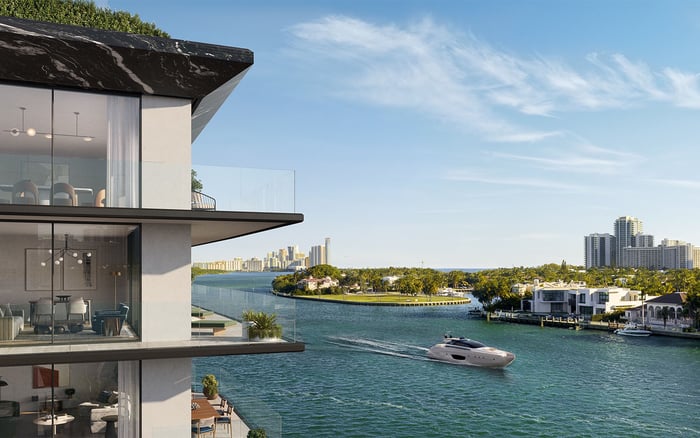
In South Florida, the view is not a backdrop, it is a daily lived experience that shapes light, privacy, noise, resale appeal, and even how you furnish a residence. Beach views tend to feel expansive and cinematic, while bay views can read as layered and intimate, often with more visual activity. This guide compares both perspectives using the same decision framework, from orientation and sightlines to wind exposure, boating traffic, and nighttime ambience. Use it to tour confidently and choose the waterfront that matches your lifestyle, not just your first impression.

A waterfront address in Miami-Dade, Broward, or Palm Beach can deliver two very different daily narratives. A beach-facing outlook is often horizon-first: an open sweep of sky and water where weather, light, and color shift dramatically throughout the day. A bay-facing outlook is more composition-first: layered shorelines, passing boats, bridges, and city silhouettes that create a scene with depth and constant visual detail.
That nuance matters because luxury value is rarely just the presence of water. It is the quality of the water view from the rooms you actually use, the way daylight moves across your finishes, and the degree of ease and privacy you feel when you are barefoot at the glass. The right perspective also changes how you live outdoors, including whether your balcony becomes a true extension of the living room or a quick stop that looks great in photos but does not support daily life.
In South Florida, buyers can tour multiple waterfront neighborhoods in a single weekend, moving from Miami Beach to Coconut Grove and beyond. The common mistake is treating all water as interchangeable and ranking homes only by height, square footage, or interior styling. The smarter approach is to evaluate beach and bay views against the same decision framework, then choose the set of tradeoffs that fits your routines and your tolerance for activity.
A beach view generally emphasizes distance and openness. When the sightline is clean and the glazing is generous, the scene reads as expansive and cinematic. For many owners, the value is psychological as much as visual: a sense of space and escape that arrives the moment you look up from a desk, walk into the main living area, or step into the primary suite.
A bay view generally emphasizes depth and detail. You may see water, but you are also likely to see shoreline, marina lights, bridges, and the rhythm of a working waterway. That can feel energetic and connected to the city, even when you are inside and the doors are closed. It also means the view often remains visually active at night, when reflections and movement add texture.
Neither perspective is automatically superior. The best view is the one that still feels right after the novelty fades and after your furniture is in place. In ultra-premium South Florida, evaluate the view in three modes: daytime light, twilight mood, and nighttime livability. Each mode reveals something different about glare, privacy, and how the scene reads when the home is in real use.
Start with a simple rule: compare the same rooms, the same times of day, and the same sightlines, whether you are touring beach-facing or bay-facing properties. If you only tour at midday, you may miss glare, reflections, and nighttime lighting that can materially change how a residence feels.
First, map the view corridors. Stand at the entry, then the main living area, then the primary suite, then the primary bath if it has glazing. Ask where you will actually spend time and where you will naturally pause. A breathtaking panorama that only appears from a single corner of the living room is less valuable if the kitchen island blocks it during daily routines. Likewise, a water view from the bed can matter more than a wider vista from the dining table, depending on how you live.
Second, assess foreground, midground, and horizon. Beach views often prioritize horizon, which can be extraordinary when unobstructed. Bay views often deliver a stronger foreground, which can be equally luxurious when the composition feels intentional and balanced. The question is whether the foreground improves the scene or interrupts it. Look for visual clutter that may not register in listing photos, such as service docks, mechanical rooftops, or awkward rooflines.
Third, check reflection and glare. In glass-forward interiors, water can act like a mirror and intensify brightness. Bring sunglasses on tours and look at the view from seated height, not only standing height. Pay attention to how the sun hits polished floors, stone surfaces, and high-gloss cabinetry. If you are sensitive to brightness, you want a view that feels luminous without turning the home into a lightbox.
Fourth, measure privacy as a lived feeling, not a promise. A beach-facing residence can feel private if elevation, angle, and distance reduce direct sightlines. A bay-facing residence can feel private if the view opens to water rather than into neighboring windows. Identify who can see you, from where, and at what hours. Step onto the balcony and look back toward your own unit as if you were in the adjacent tower or out on a boat.
Fifth, listen with intention. Close the sliding doors, then open them. Repeat the test twice so you notice what changes and what stays constant. With beach views, the soundtrack can be wind and surf, but it varies by exposure and by the building envelope. With bay views, the soundtrack can include boating activity and city ambience. Decide what you find calming versus distracting, and remember that your tolerance can change over time.
Sixth, test night conditions. Night can elevate a view or erase it. A bay scene can glow with reflections and skyline sparkle. A beach scene can turn into a dark horizon with distant points of light. Neither is wrong. What matters is whether you enjoy the mood after dinner, and whether exterior lighting from neighboring buildings introduces glare into bedrooms.
Beach views often suit buyers who want the home to feel like a retreat. If your ideal day includes early mornings, wellness routines, and a quieter visual field, the ocean-facing experience can read as restorative. Many owners describe it as the easiest setting for mental quiet because the scene is simple, vast, and less visually crowded.
Bay views often suit buyers who want the home to feel connected and dynamic. If you host often, enjoy watching the city come alive at dusk, or like to feel the pulse of the waterway, the bay-side perspective can be compelling. The view becomes an ever-changing tableau, with weather, traffic patterns, and shifting light creating variation even on ordinary weekdays.
Also consider how you use the home. A second-home owner visiting in shorter bursts may prioritize instant impact and drama, which either view can provide. A primary resident tends to prioritize comfort across thousands of small moments, which requires a more practical lens. Ask which view you will still love on a Monday at 8:00 a.m. when you are answering emails and making coffee.
Finally, be honest about outdoor living. Some owners treat a balcony as an all-day room with dining and lounging zones. Others want an outdoor moment that feels protected and intimate. Exposure and wind can change that dramatically, so treat the outdoor area as a core room during evaluation, not an accessory.
Luxury waterfront living is a collaboration between architecture and view. The same water can feel entirely different depending on glazing, proportions, and layout.
Start with window geometry and mullion placement. A wide, clean span of glass can make any water view feel more valuable because the scene reads as art. Conversely, heavy framing can chop up an otherwise exceptional outlook. During a tour, take a photo from your seated position on the sofa, not from the standing “marketing” angle, and see how much frame you are actually looking through.
Next, examine ceiling height and balcony depth. Higher ceilings can make the view feel taller and more cinematic. A deeper balcony can increase usability and reduce the sense of being on display. It can also affect how you perceive wind and sound. Without making assumptions about any single building, you can still assess these proportions on site and ask management or your agent to confirm what can be modified.
Then consider interior finishes and palette. Beach-facing light can be crisp and revealing. It often flatters natural materials and soft neutrals, but it can also highlight every reflective surface and every imperfection in a high-gloss finish. Bay-facing light can feel more layered, especially around twilight, which can complement warmer metals and richer tones. These are tendencies, not rules, but they influence furnishing choices and renovation plans.
Finally, think about bedroom placement. Some residences place secondary bedrooms on the water side and the primary suite on a quieter exposure. Others reverse it. Decide which room deserves the best view for your life, not for marketing photos. If you value morning calm, a primary suite with the most serene outlook may matter more than a dramatic water view from a guest room.
In ultra-prime South Florida, it is easy to focus on the emotional punch of the view. Due diligence protects that value long-term.
Confirm the permanence of the sightline. Ask what sits between you and the water, and what could change. That includes nearby parcels, public rights-of-way, and future construction risk. You are not looking for guarantees in casual conversation. You are looking for enough clarity to direct your legal review and your planning.
Understand the role of orientation. The same beach or bay can feel completely different depending on whether you face morning light, afternoon light, or an angle across the water that changes glare patterns. Tour at more than one time of day whenever possible, or return for a second showing. If that is not feasible, ask for time-stamped video from multiple windows so you can evaluate brightness, reflections, and how the view reads with interior lights on.
Ask about balcony rules and glazing changes. Even in luxury buildings, what you can add or modify varies. If your enjoyment depends on a particular outdoor setup, wind screen, or shade system, confirm what is allowed before you commit.
Evaluate building envelope performance as it relates to comfort. Waterfront exposure can challenge windows, doors, and seals over time. During inspection and document review, look for clarity on maintenance history, reserve posture, and how the building manages salt air and wind-driven rain. This is not a reason to avoid waterfront. It is a reason to be precise.
Scrutinize nighttime conditions for sleep. Stand in the primary bedroom with the lights off during twilight if you can. Look for glare from neighboring buildings, marina lighting, and roadway reflections that could reach the glass. Ask what window treatments are installed and whether you can upgrade them.
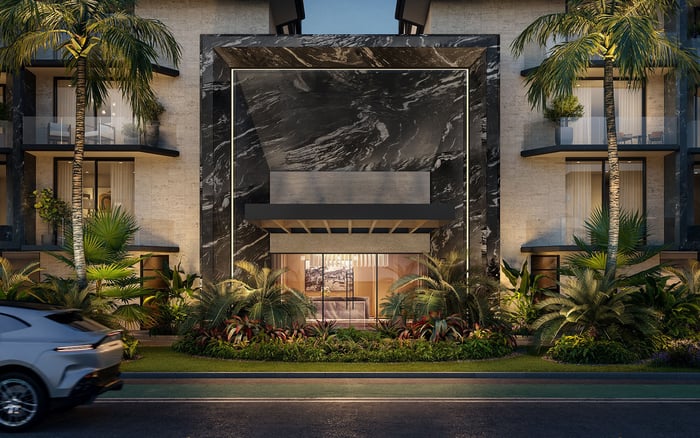
Finally, consider arrival experience and privacy beyond the unit. Some waterfront settings feel secluded and residential. Others feel social and active. Both can be luxurious, but they attract different buyers and can influence resale audiences.
If you are undecided between beach and bay, structure your tours so the contrast becomes clear.
Tour one ocean-oriented property and one bay-oriented property back-to-back, ideally within the same day. Keep notes consistent: light quality, privacy, noise with doors open and closed, and how the view performs from the kitchen and the primary suite. Consistency turns preference into a decision rather than a mood.
Return at dusk. Dusk is the truth serum for waterfront views because it reveals whether the scene gains romance or loses definition. It also shows whether your home reads like a lantern from outside, which can feel glamorous or intrusive depending on your priorities.
Take a balcony-first approach. Before you fall in love with interior styling, step outside and decide whether you would genuinely spend an hour there. If you would not, the view may become a background image rather than a lifestyle feature.
For a neutral reference point while you calibrate your preferences, explore Park Grove Coconut Grove and apply the same checklist you would use for any waterfront residence.
Beyond the headline view, several quieter factors often separate a merely pretty outlook from a truly investment-grade one.
One is view width and angle. A narrow slice of water can be attractive, but a wider span tends to feel more luxurious and often photographs better over time. Another is the relationship between water and sky. Some views feel heavy because nearby buildings dominate the frame, while others feel balanced because the sky remains a major component.
Another driver is how the view performs in different weather. Some buyers love dramatic cloud movement and the energy of storms rolling across open water. Others find that intensity unsettling and prefer calmer, more sheltered scenes. Neither preference is wrong, but it is worth naming early so you choose a view you will enjoy in all conditions.
Then there is the inside-out experience. A water view that aligns with natural circulation, from entry to living room to outdoor space, feels effortless and premium. A water view that requires you to walk around furniture or stand in one perfect spot is less valuable in daily life, even if the photo is spectacular.
Finally, remember that resale audiences vary by neighborhood and building style. In some settings, oceanfront positioning is the clearest luxury signal. In others, a sophisticated water view of the bay and skyline reads as the more modern choice. The market can reward both, but it rewards clarity of narrative most. The goal is to buy a view that matches the life you intend to live, and to be able to articulate that choice with precision.
How can I compare beach and bay views if I can only tour once? Use a consistent checklist inside the same visit: map sightlines from entry, living area, kitchen, and primary suite; evaluate glare from seated height; test noise with doors open and closed; and step onto the balcony to assess privacy. If you cannot return at dusk, request time-stamped video from multiple windows to review later.
What should I photograph or video during a showing to evaluate the view later? Capture the view from real living positions: seated on the sofa, seated at the kitchen island, standing at the primary bed location, and from the balcony looking outward and back toward the building. Include a few short clips with interior lights on and off so you can judge reflections and nighttime glare.
Which matters more for long-term satisfaction: the horizon or the activity in the foreground? It depends on what relaxes you. Horizon-driven views typically feel simpler and more meditative, while foreground activity can feel engaging and connected. The right answer is the scene you will still enjoy on ordinary days, not the one that only impresses on first impression.
How do I decide whether my balcony will be usable year-round? Treat the balcony like a primary room during the tour. Spend time outside, notice wind and sound, and picture how you would actually furnish the space. Then confirm building rules for shade systems or other modifications that would make the outdoor area more comfortable.
For a discreet, buyer-first tour plan across Miami Beach, Coconut Grove, and beyond, connect with MILLION Luxury.
If branded residences are on your mind — as a home or as an allocation — we would be glad to share what we are seeing, privately.
Begin a quiet conversation