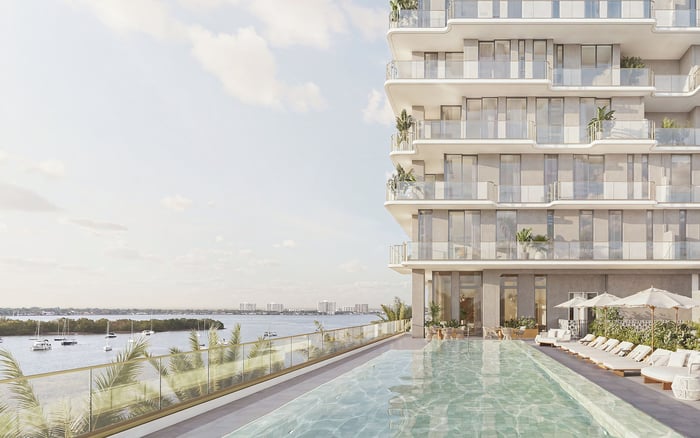
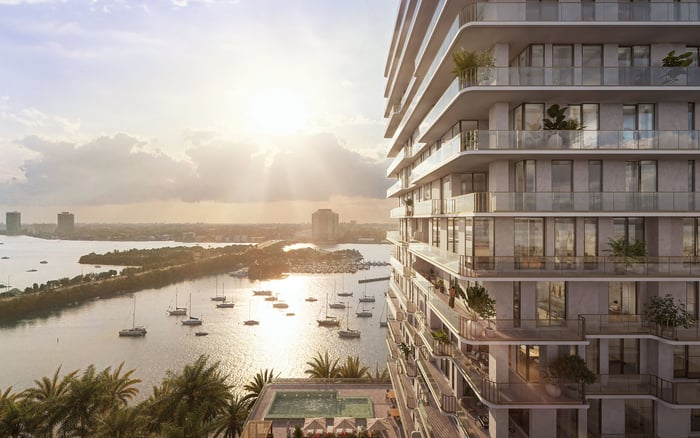
A discreet buyer’s guide to evaluating Tula Residences North Bay Village through the practical lens of lock-and-leave living, morning light, privacy, service, storage, and second-home ease.
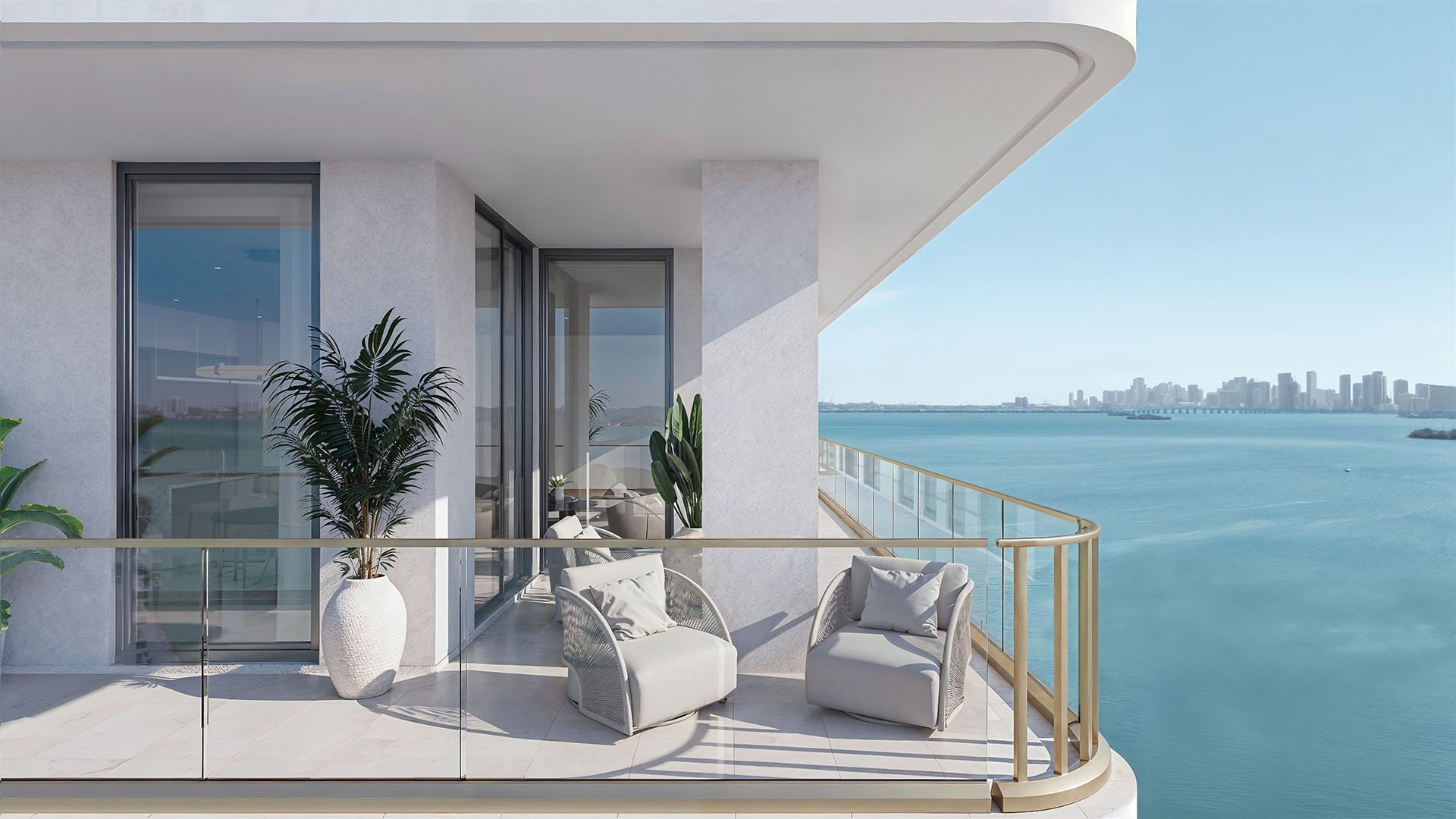
Tula Residences North Bay Village invites a more nuanced question than the standard luxury checklist. For the South Florida buyer moving between homes, boats, airports, offices, family calendars, and seasonal rhythms, the essential test is not only whether a residence impresses on arrival. It is whether it can be left easily, returned to gracefully, and lived in beautifully at the quietest hour of the day.
That is where breakfast-room light becomes more than a poetic detail. Morning light reveals proportion, orientation, privacy, glare, reflection, and the emotional character of a room before the day accelerates. It shows whether a plan is merely photogenic or genuinely composed. In a lock-and-leave residence, those early minutes matter because they are often the most honest: coffee before calls, children before school, guests before the beach, or a solitary return after time away.
For many buyers, the category may be filed under North-bay-village, Boutique, New-construction, Second-home, Waterview, or Balcony. Yet the more sophisticated lens is simpler: does the home support an elegant life with minimal friction?
Lock-and-leave is often reduced to a slogan, but at the upper end of the market it is a demanding operational standard. It asks whether a residence can remain composed during absence and feel immediately ready upon return. That includes arrival sequence, package handling, maintenance coordination, mechanical reliability, access control, climate management, and the ability to host without requiring a day of recovery before guests arrive.
The best version of lock-and-leave living does not feel coldly automated. It feels considered. Owners should be able to depart for a long weekend, a month in another market, or a transatlantic itinerary without turning the residence into a project. On return, the apartment should offer continuity: no stale sense of closure, no storage compromises, no awkward re-entry into daily life.
At Tula Residences North Bay Village, the buyer should therefore study the invisible choreography. Where do luggage, golf bags, paddleboards, pet items, and owner closets fit? How does a housekeeper move through the home? Can groceries arrive before the owner does? Is there a logical place to set down keys, bags, and flowers? These are not minor questions. They distinguish a beautiful property from a genuinely usable one.
A breakfast room, or the breakfast zone within an open living plan, is one of the most revealing spaces in a South Florida residence. Afternoon drama can be staged. Evening lighting can be designed. Morning light is harder to flatter. It exposes ceiling heights, window placement, view corridors, and whether the home wakes gently or sharply.
Buyers should observe how the space handles brightness. A room can be luminous without being harsh. It can frame water without turning breakfast into an exercise in glare. It can feel private even when the shades are open. The question is not simply whether there is light, but whether the light is usable.
In a lock-and-leave home, this is especially important because owners often arrive at irregular hours. The first full morning back should feel restorative. A breakfast setting should support a newspaper, a laptop, a child’s cereal bowl, or a quiet conversation without demanding rearrangement. It should be close enough to the kitchen to feel natural, but not so absorbed into the work zone that every meal feels transitional.
North Bay Village occupies a particular psychological place in the Miami residential imagination. It suggests water, movement, and proximity without the constant performance of more overtly theatrical addresses. For buyers who value discretion, that balance can be compelling. The point is not withdrawal from the city, but selective participation in it.
That selectivity matters for second-home use. A residence that is too removed can feel inconvenient after the first season. A residence that is too exposed can feel tiring after the first month. The lock-and-leave buyer is often searching for the middle register: a home that can open to friends and family, then close into privacy without drama.
For Tula Residences North Bay Village, the practical evaluation should include daily routes as much as views. How does arrival feel at different times of day? Is the building experience calm when returning from dinner, the airport, or school events? Can the owner move from car to residence without feeling overprocessed? The most successful luxury buildings make security, service, and privacy feel natural rather than ceremonial.
A residence intended for intermittent use must work harder than a primary home in subtle ways. It must be forgiving. It must store seasonal wardrobes, entertaining pieces, luggage, wine, linens, and technology without visually crowding the living spaces. It must allow guests to feel accommodated without making the owner feel displaced.
Buyers should look for separation between public and private zones. A breakfast area that sits within the morning life of the home should not compromise the calm of the bedrooms. Guest circulation should feel intuitive. Service access, if present in the plan, should simplify life rather than create dead space. If a residence includes outdoor areas, the transition from interior to exterior should feel effortless enough for daily use, not merely impressive during a showing.
The kitchen also deserves a more rigorous reading. A lock-and-leave kitchen is not just about finishes. It is about ventilation, pantry logic, appliance placement, counter depth, and whether the room supports both catered evenings and unceremonious mornings. The breakfast-room question returns here: can the day begin without activating the entire formal living area?
Luxury buyers are increasingly fluent in design language, but the real premium is ease. Ease is what remains after the marble, millwork, glass, and view have made their first impression. It is the feeling that a home anticipates the owner’s patterns rather than asking the owner to adapt.
At Tula Residences North Bay Village, the strongest buyer evaluation is therefore both practical and sensory. Walk the arrival. Stand where breakfast would happen. Imagine leaving for three weeks. Imagine returning at night. Imagine hosting two friends, then four family members, then no one at all. A true lock-and-leave residence should not be optimized only for entertaining or only for solitude. It should allow both without strain.
This is where restraint becomes valuable. A residence does not need to announce every feature to feel luxurious. It needs to reduce decisions, protect time, and preserve the rituals that make ownership feel personal. Morning light is one of those rituals. If the breakfast room feels right, the larger residence often begins to make sense.
What is the central buyer question at Tula Residences North Bay Village? The key question is whether the residence can function beautifully as a lock-and-leave home while still feeling warm, personal, and ready for daily rituals.
Why does breakfast-room light matter so much? Morning light reveals how a home truly lives, including glare, privacy, proportion, and the emotional tone of the day’s first hour.
What should second-home buyers prioritize first? They should prioritize arrival ease, storage, service coordination, climate comfort, and whether the home feels ready immediately after time away.
Is lock-and-leave only about security? No. Security is important, but lock-and-leave also includes maintenance, access, organization, service flow, and the ability to return without friction.
How should buyers evaluate a breakfast area during a visit? Stand in the space during the morning if possible, then assess brightness, privacy, seating comfort, kitchen adjacency, and view quality.
What makes a floor plan better for intermittent use? Clear storage, intuitive circulation, guest separation, practical kitchen planning, and flexible living areas all support intermittent ownership.
Why is North Bay Village relevant to this discussion? Its appeal is tied to a balance of water-oriented calm, urban access, and a more discreet residential rhythm within the Miami area.
Should buyers focus more on amenities or the residence itself? Amenities matter, but the residence itself should first satisfy daily comfort, privacy, storage, and the owner’s most repeated routines.
What is an overlooked lock-and-leave detail? The re-entry moment is often overlooked: where bags go, how groceries arrive, and whether the home feels composed immediately.
How can a buyer make a confident decision? Evaluate the residence through real scenarios: leaving, returning, hosting, working, waking up, and spending a quiet morning at home.
For a confidential assessment and a building-by-building shortlist, connect with MILLION.
If branded residences are on your mind — as a home or as an allocation — we would be glad to share what we are seeing, privately.
Begin a quiet conversation