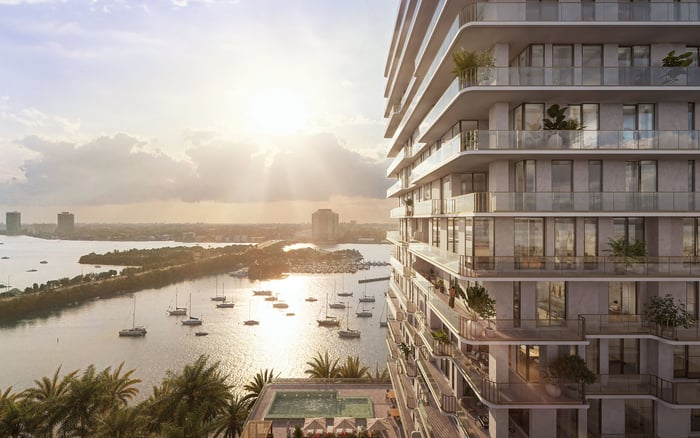
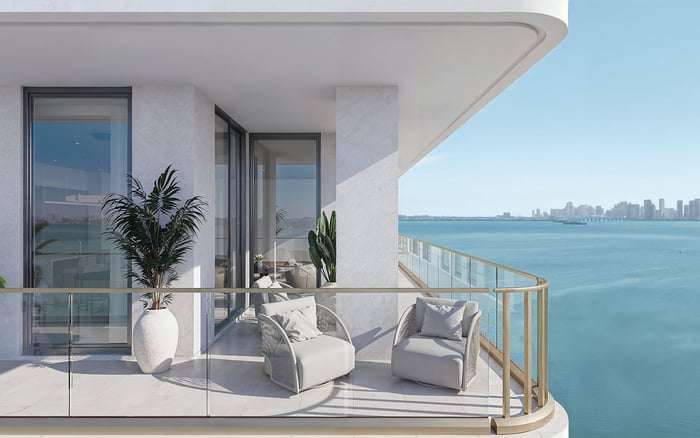
A discreet buyer’s guide to evaluating cold-plunge access, wellness routines, seasonal ownership logistics, and resale context at Tula Residences North Bay Village.
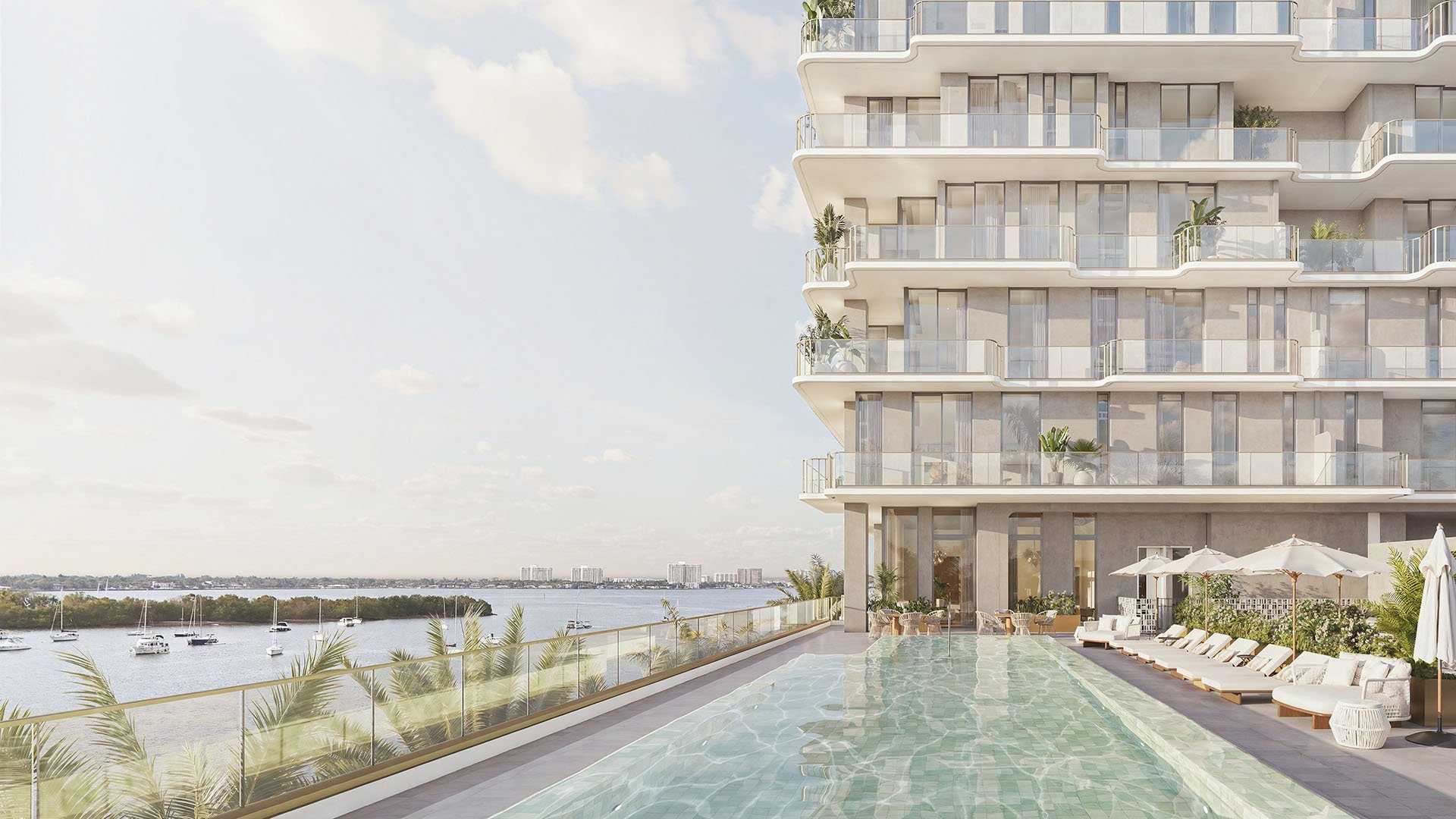
For a seasonal buyer, a residence is not judged only by its view, finish palette, or arrival sequence. It is judged by how quickly it restores a private rhythm after a flight, a late dinner, a morning on the bay, or a long stretch away from South Florida. That is why the conversation around Tula Residences North Bay Village and cold-plunge access deserves more scrutiny than a simple amenity checklist.
Cold plunge has entered the modern luxury wellness vocabulary, but its value changes meaningfully depending on how it is accessed, maintained, scheduled, and integrated into the broader residential experience. For a year-round owner, the question may be routine. For a seasonal owner, it is sharper: will the amenity be available, intuitive, and private during the exact windows when the home is most used?
This is a practical ownership issue. Seasonal buyers should look beyond the presence of a cold-plunge feature and focus on how it will actually function within the building’s culture, operations, and peak-season patterns.
Seasonal ownership compresses usage. A buyer may use the residence intensively during winter, long weekends, holidays, or spontaneous visits, then leave it idle for extended periods. In that pattern, wellness amenities are judged by reliability rather than novelty.
A cold plunge can support a larger recovery routine that includes swimming, sauna, fitness, stretching, and quiet outdoor space. Yet the amenity only delivers value if it is convenient when the owner arrives. If access requires advance booking, limited hours, or shared circulation through a busy amenity deck, the experience may feel less private than expected.
This is especially relevant in a bayfront setting where buyers often imagine a calmer pace than denser urban districts. North Bay Village can appeal to owners seeking water, proximity, and a residential mood, but the quality of a seasonal experience still depends on day-to-day building management. The most sophisticated buyers will ask how amenity use feels at 7 a.m. in January, not how it reads in a rendering.
Cold-plunge access should be treated as a defined ownership term, not an assumption. Buyers should ask whether access is resident-only, whether guests may use it, whether age or health-related restrictions apply, and whether the amenity is supervised or self-directed. They should also ask where it sits within the property: near the pool, within a spa zone, adjacent to fitness, or inside a more private wellness area.
Hours matter. Seasonal buyers frequently use amenities early in the morning or after late returns. If the cold plunge is connected to a spa suite with controlled operating hours, that creates a different experience than a plunge integrated into a broader pool or wellness deck.
Maintenance is equally important. Cold-plunge amenities require disciplined temperature control, water quality standards, cleaning protocols, and downtime planning. A buyer does not need to become an engineer, but should understand who manages the system, how often it is serviced, and whether temporary closures are communicated in advance.
The word access also requires precision. Access may mean a dedicated cold plunge, a shared hydrotherapy circuit, a wellness suite component, or a feature subject to reservation. Each model can be compelling, but each creates a different ownership experience.
Luxury wellness is not only about equipment. It is about atmosphere. A cold plunge located in a visible, high-traffic area may be less appealing to a buyer who values discretion. A plunge embedded within a quiet wellness zone may better match the expectations of a second-home owner seeking restorative privacy rather than a social scene.
Guest policies can also shape the experience. Seasonal buyers often host family, friends, or visiting adult children. If guests can use the plunge, the owner may see broader lifestyle value. If guest use is limited, the amenity remains more personal but less flexible for entertaining.
Peak-season etiquette should not be overlooked. The strongest amenity programs feel orderly without feeling restrictive. Clear posted rules, defined occupancy, towel service, and staff oversight can preserve the calm that luxury buyers expect. Ambiguity tends to create friction, especially when a building is most occupied.
For buyers comparing North Bay Village with Miami Beach, Surfside, Bay Harbor, or Brickell, the differentiator is not simply whether wellness exists. It is whether the wellness program is scaled to the building and managed with restraint.
A cold plunge is strongest when it belongs to a coherent wellness sequence. Buyers should consider whether the amenity is supported by a proper transition from exercise to recovery: fitness, stretching, showers, lockers, towels, hydration, and quiet seating. The more complete the sequence, the more likely the plunge becomes part of daily life rather than an occasional novelty.
The adjacent pool experience matters as well. If the plunge is near the pool deck, its value may be tied to sun exposure, traffic flow, and service standards. If it is separated, it may feel more serene but less spontaneous. Neither is inherently better; the right answer depends on the owner’s habits.
For seasonal buyers, the best wellness amenities reduce friction. They should not require complex planning. They should support a morning routine before calls, a post-flight reset, or a quiet recovery moment after boating or tennis elsewhere in the city.
The decision sits at the intersection of North Bay Village, second-home, pool, new-construction, waterview, and boutique expectations. A cold plunge is one detail, but it can reveal how carefully the entire residential experience has been considered.
Part-time owners should consider how cold-plunge access interacts with arrival planning. If the building offers concierge or resident services, ask whether they can clarify amenity availability before a visit. If a seasonal stay coincides with building maintenance, holiday periods, or high occupancy, the owner should know whether alternate wellness options exist within the property.
Insurance, liability, and association rules may also influence access. Some buildings impose stricter rules around hydrotherapy, alcohol use, minors, or unsupervised guests. These rules can feel minor during contract review but meaningful during actual ownership.
Buyers should also think about resale. Wellness amenities have become more visible in buyer conversations, yet they are rarely valuable in isolation. Their contribution is strongest when paired with architecture, service, views, outdoor space, and a clear sense of place. A cold plunge can add texture to the lifestyle story, but it should not carry the purchase decision alone.
For a seasonal buyer, the core question is simple: does this amenity make the residence easier to enjoy every time you return?
North Bay Village occupies a distinctive psychological position in the Miami luxury map. It can feel connected without being immersed in the intensity of the mainland or the beach. That balance is part of the appeal for buyers who want water-oriented living with access to Miami’s dining, culture, and airport corridors.
Within that context, wellness amenities carry particular weight. A buyer choosing this setting may be prioritizing reset, ease, and views as much as nightlife or walkability. A waterview residence with a considered wellness program can support a quieter form of luxury, one that is less performative and more personal.
That said, buyers should resist broad assumptions. Every building has its own operating personality. The same amenity can feel elevated in one property and underwhelming in another. The difference is often found in staffing, rules, design placement, and the number of residents sharing the feature.
Before assigning value to cold-plunge access, seasonal buyers should request a clear explanation of the amenity program. Confirm whether the plunge is planned, completed, private, shared, indoor, outdoor, reservable, or open during set hours. Ask how many users it can accommodate and whether any health or safety protocols apply.
Review the association documents when available. Amenity language in governing documents may differ from marketing language, and the governing language will matter most after closing. Buyers should also ask about operating costs, since specialized wellness features may influence ongoing maintenance budgets.
Finally, test the lifestyle logic. Imagine arriving in season, opening the residence, scheduling dinner, welcoming guests, and rebuilding your morning routine. If cold-plunge access supports that rhythm with ease, it may be a meaningful lifestyle advantage. If it introduces scheduling uncertainty or privacy concerns, its value should be adjusted accordingly.
The most elegant purchase decisions are not driven by a single amenity. They are shaped by alignment: the building, the service, the view, the neighborhood, and the way a home performs when life is actually being lived.
Does Tula Residences North Bay Village have cold-plunge access? Buyers should verify the current amenity offering directly in the project materials and purchase documents before relying on it.
Why is cold-plunge access important for seasonal buyers? Seasonal owners use their residence in concentrated periods, so reliability, privacy, and convenient hours become especially important.
Should I ask whether the cold plunge is private or shared? Yes. A private, reservable, or shared amenity can create very different expectations for comfort and availability.
Do guest rules matter for cold-plunge access? They matter if you expect family or visitors to share your wellness routine during seasonal stays.
Can cold-plunge access affect resale value? It may support the lifestyle narrative, but resale strength depends on the full property, including design, service, views, and location.
What operating details should I review? Ask about hours, maintenance protocols, cleaning standards, capacity, supervision, and temporary closure procedures.
Is cold plunge more valuable when paired with a pool or fitness area? Often, yes. The amenity feels more useful when it fits naturally into a complete wellness sequence.
Should this amenity drive the purchase decision? It should inform the decision, but it should not outweigh fundamentals such as residence quality, governance, and long-term usability.
What documents should a buyer examine? Review available condominium documents, amenity rules, purchase materials, and any disclosures that define resident access.
How should a seasonal buyer approach Tula overall? Evaluate the residence as a second home: convenience, service, privacy, wellness access, and ease of return should all align.
For a confidential assessment and a building-by-building shortlist, connect with MILLION.
If branded residences are on your mind — as a home or as an allocation — we would be glad to share what we are seeing, privately.
Begin a quiet conversation