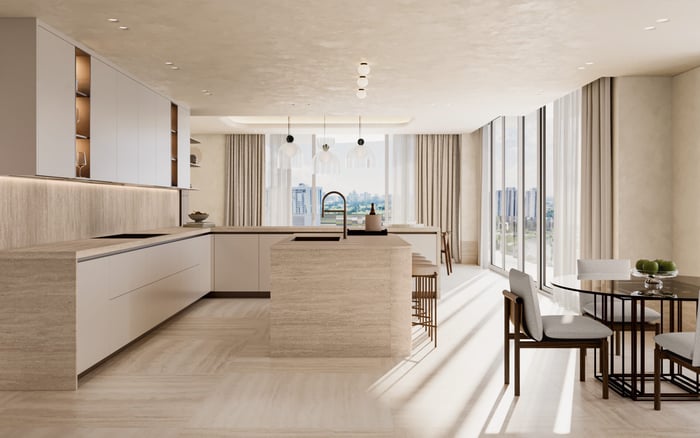
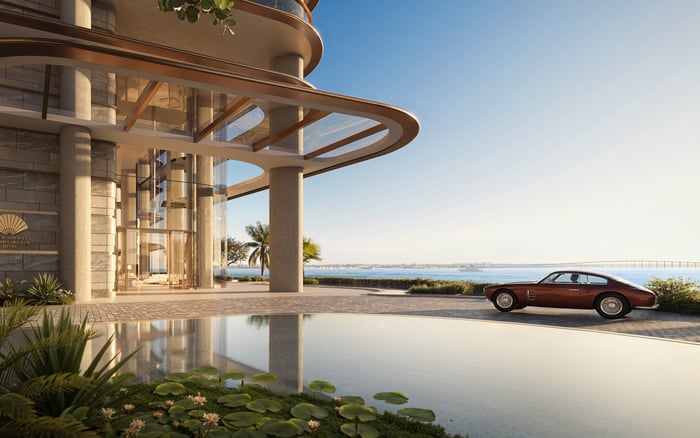
A buyer-focused comparison of Alina Residences Boca Raton and Avenia Aventura, framing smart-home readiness, privacy, and service culture as essential due diligence rather than assumed building features.
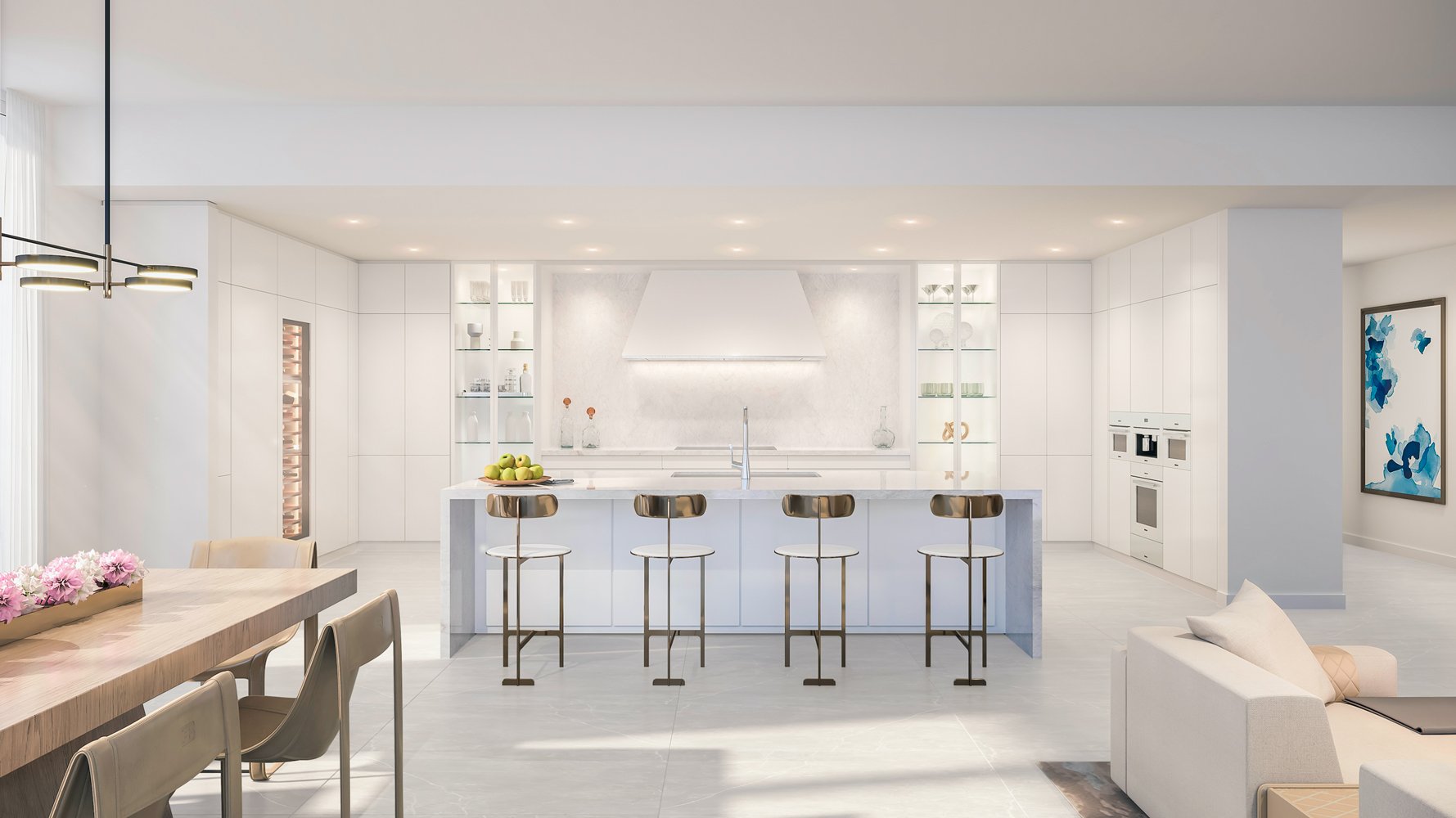
For South Florida’s most discerning buyers, the conversation around a residence no longer stops at architecture, finishes, views, and amenity programming. The next layer is quieter, more technical, and often more revealing: how a building approaches technology, privacy, and response. That is the lens through which buyers are increasingly comparing Alina Residences Boca Raton and Avenia Aventura.
Alina Residences Boca Raton is framed as an ultra-luxury residential development in Boca Raton. Avenia Aventura represents the Aventura side of this comparison. Both sit within markets where affluent buyers expect refinement, convenience, discretion, and a high degree of operational polish. Yet the central point for purchasers is simple: a polished sales experience should not be mistaken for answers to the operational questions that matter after closing.
Smart-home readiness is not merely whether a residence can support connected lighting, thermostats, entry systems, shades, or entertainment controls. Data privacy is not merely a line in a policy document. Service responsiveness is not simply a concierge smile at the front desk. Together, these elements define building culture, and building culture is what residents live with every day.
A luxury buyer may be tempted to ask whether a residence is “smart.” The sharper question is whether the building is prepared to accommodate technology in a durable, resident-controlled, and future-flexible way. That distinction matters at Alina Residences Boca Raton and Avenia Aventura because the available project-level information does not support definitive claims about specific resident apps, smart locks, thermostats, access-control systems, cameras, or in-unit automation at either building.
That makes the buyer interview more important, not less. Prospective residents should ask whether in-unit systems are proprietary or open to multiple vendors. They should ask who can configure them, who can troubleshoot them, and what happens when a preferred platform changes. If a building promotes connected convenience, the next question is whether that convenience remains optional, upgradable, and understandable to the resident.
In practical terms, the conversation sits at the intersection of Aventura, Boca Raton, new-construction, and ultra-modern expectations. The language may sound contemporary, but the substance is practical. A building that is truly ready for modern living should be able to explain how technology is documented, maintained, replaced, and governed.
At the ultra-premium level, privacy is not limited to elevator access, private terraces, or controlled arrivals. It also includes the digital traces created by everyday residential life. Entry logs, package notifications, guest permissions, maintenance requests, amenity bookings, license-plate recognition, camera systems, and connected devices can all create data trails.
The available information does not establish data-retention policies, vendor data-sharing practices, cybersecurity protocols, or resident consent controls for either Alina Residences Boca Raton or Avenia Aventura. Buyers should not infer that one is more privacy-conscious than the other. Instead, they should ask precise questions before signing, particularly if the purchase is intended as a primary residence, a second home, or a low-profile retreat.
The most useful privacy questions are direct. Who owns the data generated by resident-facing systems? Which vendors can access it? Can residents opt out of certain connected features without losing essential building services? How are guests, domestic staff, drivers, and vendors entered into the system? How long are digital records kept? Who approves access to historical logs?
For sophisticated buyers, the tone of the answer can matter as much as the answer itself. A mature building culture will not treat these questions as adversarial. It will recognize them as normal for purchasers who value discretion.
Service is often described in emotional terms: attentive, seamless, gracious, discreet. Those qualities matter. But in a residential tower or estate-style condominium, service quality depends on systems. The available information does not provide maintenance response times, concierge staffing levels, ticketing workflows, or escalation procedures for Alina Residences Boca Raton or Avenia Aventura. Buyers should therefore resist broad claims that one building is more responsive than the other.
Instead, evaluate the service architecture. How are maintenance requests submitted? Is there a formal ticketing system? Can residents track open items? Are emergencies distinguished from routine matters? Who has authority to escalate an unresolved issue? Are after-hours procedures written, staffed, and tested?
A building culture that values responsiveness will be able to describe the pathway from request to resolution. It will also understand where responsibility changes hands: developer, association, property manager, concierge, engineer, outside vendor, or in-unit contractor. That clarity becomes especially important when a residence includes sophisticated finishes or technology that may require specialized service.
The most refined comparison between Alina Residences Boca Raton and Avenia Aventura is not a verdict. It is a framework. Boca Raton and Aventura each appeal to buyers with different lifestyle rhythms, but the operational questions remain remarkably similar. The smart buyer asks how the building is structured to serve residents after the first impression fades.
For Alina Residences Boca Raton, the ultra-luxury positioning makes operational consistency a central due-diligence category. For Avenia Aventura, the same is true in a market where buyers often prioritize access, convenience, and contemporary residential design. In both cases, the right inquiry is not “which is smarter?” It is “which can clearly explain how resident technology, privacy, and service are managed?”
That shift protects the buyer from marketing shorthand. It also aligns the purchase with daily life. Luxury is not only the view from the living room. It is the confidence that a guest credential is handled correctly, a service request does not disappear, a connected system remains controllable, and private information is not casually distributed across vendors.
Before committing, ask each sales or management team for written clarity on three categories.
First, technology readiness. Request a plain-language description of resident-facing systems, optional upgrades, compatibility requirements, service providers, and handoff procedures. Ask what is included, what is optional, and what remains the owner’s responsibility.
Second, privacy governance. Ask for the policy framework around data collection, retention, vendor access, guest registration, cameras, entry logs, and opt-out choices. A luxury building should be able to discuss digital discretion with the same seriousness it brings to physical security.
Third, response culture. Ask how requests are logged, monitored, closed, and escalated. Ask who is accountable when a technology issue affects access, comfort, or daily living. The best answers are not vague promises. They are specific processes.
The lesson for buyers comparing Alina Residences Boca Raton and Avenia Aventura is clear: building culture is the hidden amenity. It determines whether connected-home convenience remains convenient, whether privacy feels protected, and whether service feels dependable long after the closing dinner.
Is Alina Residences Boca Raton confirmed to have specific smart-home systems? The available information does not support specific claims about resident apps, smart locks, thermostats, cameras, or in-unit automation.
Is Avenia Aventura confirmed to be more smart-home-ready than Alina? No definitive comparison can be made from the available information. Buyers should ask both teams for written details on technology infrastructure and controls.
What should buyers ask first about smart-home readiness? Ask what systems are included, what is optional, who services them, and whether residents can use preferred vendors or platforms.
Why does data privacy matter in a luxury residence? Connected residential systems can create records tied to access, guests, service requests, amenities, and daily routines. Discreet buyers should understand who can see and retain that information.
Can buyers assume a new building has stronger cybersecurity? No. New construction can feel technologically current, but cybersecurity depends on policies, vendors, configuration, and ongoing management.
What is the best way to evaluate service responsiveness? Ask how requests are submitted, tracked, escalated, and closed. A clear workflow is more meaningful than a general promise of attentive service.
Should privacy questions be directed to sales or management? Start with the sales team, then request confirmation from the party that will manage operations after occupancy. Written answers are preferable.
Does ultra-modern design guarantee better technology culture? No. Design language and operational discipline are separate matters, and buyers should evaluate each on its own merits.
How should Aventura buyers think about Avenia Aventura? They should assess it through lifestyle fit, building governance, technology flexibility, privacy practices, and service procedures rather than assumptions.
How should Boca Raton buyers think about Alina Residences Boca Raton? They should pair its ultra-luxury positioning with careful questions about how the building will manage daily service, resident data, and connected-home expectations.
For a tailored shortlist and next-step guidance, connect with MILLION.
If branded residences are on your mind — as a home or as an allocation — we would be glad to share what we are seeing, privately.
Begin a quiet conversation