In South Florida’s highest tier, landscaped acreage and walkable greenspace have become a defining differentiator, not decorative filler. Buyers increasingly value a daily route: shaded paths for morning movement, calm gardens for decompression, and thoughtfully planted courtyards that read as a private park rather than a lobby amenity. The most compelling communities treat landscape architecture as an organizing principle. Paths are aligned to minimize conflict with vehicles, planting is layered for privacy and cooling, and garden rooms are composed to feel intentional across seasons. Below, MILLION Luxury outlines what discerning buyers should look for, then presents a ranked selection of developments that best capture the master-planned botanical garden and walking-path lifestyle.
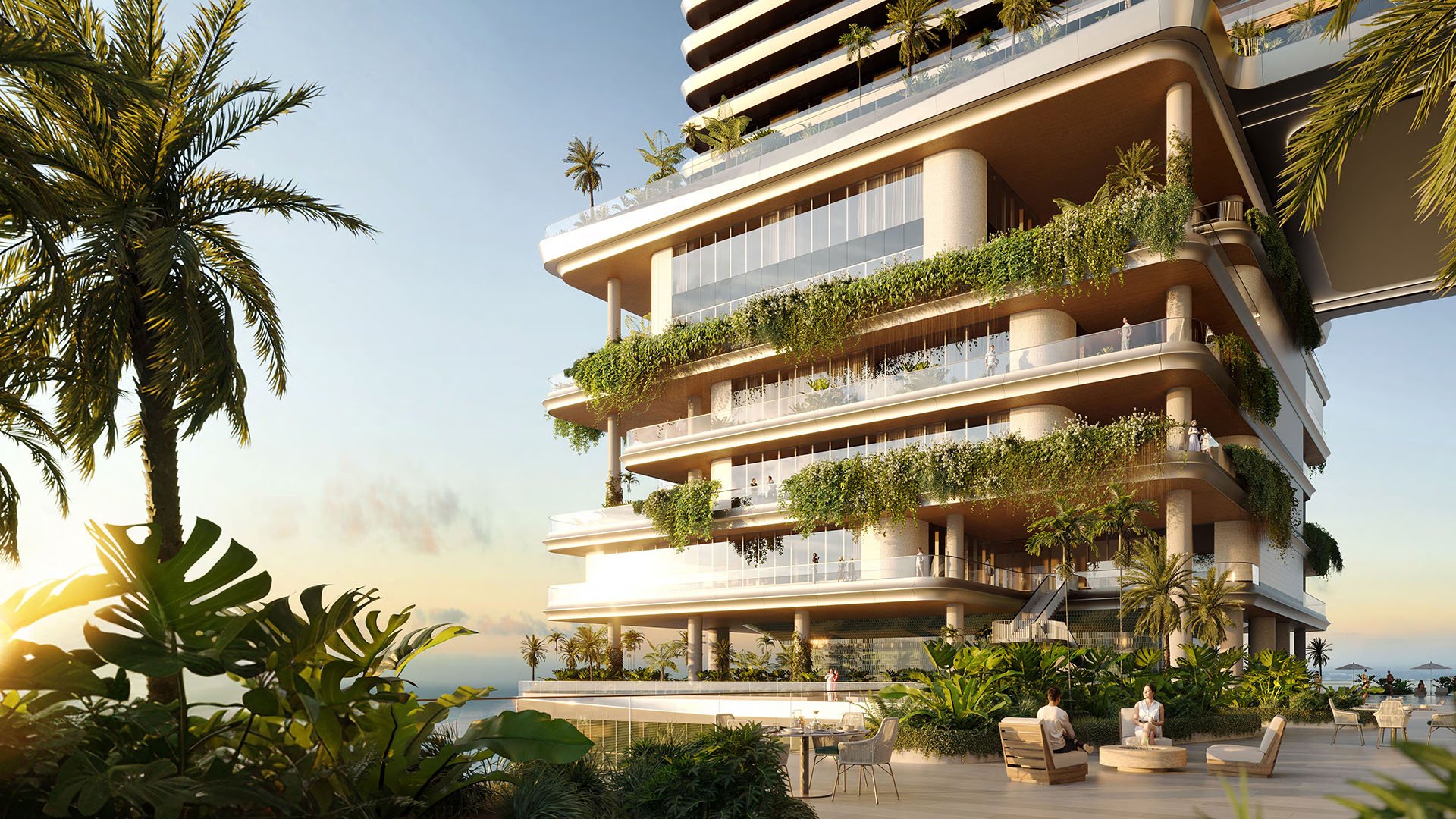
In a market defined by views, privacy, and service, one of the most understated signals of true luxury is outdoors: a garden that feels curated, and a walking path designed for real life. Not a token strip of turf, but a landscape plan with intention, continuity, and a clear sense of procession from arrival to residence.
For today’s South Florida buyer, master-planned botanical gardens do more than beautify-they shape how a property lives. A shaded loop becomes a morning ritual. A courtyard becomes the natural meeting point before dinner. Planting quietly does triple duty as acoustic control, visual privacy, and microclimate management.
The developments that execute this best tend to share a few traits. They treat landscape architecture as a primary design discipline, not an afterthought. They embed the pedestrian experience into the site plan, with clean separations from drive aisles. And they compose outdoor rooms with restraint and clarity: layered plant palettes, framed vistas, and lighting that makes nighttime strolls feel safe-and cinematic.
Before you buy into the promise of “gardens,” look for evidence in the plan.
First, seek continuity. The best walking paths aren’t a single dramatic moment; they read as a sequence. Think shaded edges, transitions from sun to canopy, and pauses that feel organic rather than staged.
Second, prioritize separation. A path that shares space with vehicle circulation rarely feels like a refuge. True walkability is defined by calm, not just distance.
Third, evaluate privacy and scale. Botanical gardens should soften sightlines between neighbors, especially around pool decks and ground-level terraces. A mature feel is usually created through layered heights-not a single hedge line.
Finally, consider durability. In South Florida, the strongest landscapes anticipate heat, rain events, and salt air where applicable. A garden that still reads refined after years is one of the clearest indicators of long-term planning.
1. Master-planned garden community - campus-style walkability
A true master plan reads like a private resort, with the outdoors serving as connective tissue. The strongest examples deliver a continuous pedestrian experience that feels intentional from the first step-paths designed for daily use, not occasional photo opportunities.
What sets this category apart is coherence. Arrival landscapes, internal promenades, and planted buffers feel like expressions of one idea, not disconnected phases.
2. Waterfront promenade living - daily strolls built into the address
When a development is positioned along water, the walking path becomes more than a loop-it becomes a daily ritual. The finest waterfront concepts treat the edge as a designed experience, where landscaping frames views while preserving privacy and comfort.
The best promenades create a sense of linear discovery, with planting that tempers wind and sun and delivers a refined transition between building and bay or ocean.
3. Wellness-forward landscape design - gardens as an extension of the amenity suite
A botanical plan can operate as a wellness amenity in its own right. In these developments, outdoor spaces are designed to support movement, recovery, and calm. Think quiet garden rooms, shaded connectors, and a sense that nature isn’t adjacent to the lifestyle-it’s central to it.
If your priority is daily rhythm and a restorative setting, this is where the garden becomes the most valuable square footage you don’t own, but enjoy.
4. Urban oasis tower - a planted counterpoint to the city
In dense neighborhoods, a decisive luxury move is to build a private garden world at ground and podium levels. When executed well, an urban oasis can make a central address feel insulated without feeling isolated.
Buyers should look for outdoor areas that feel protected from traffic energy and designed for lingering. In Brickell, for example, the most coveted buildings increasingly pair city convenience with a calmer landscape sensibility, as seen around 2200 Brickell.
5. Coastal garden residence - dunes, courtyards, and walkable calm
Along the barrier islands, gardens take on a different job: mediating between architecture and an ocean climate. The best coastal developments use planting to soften exposure and create moments of enclosure, even when views remain expansive.
Miami Beach buyers often gravitate toward residences that feel quiet in circulation and lush at arrival, a sensibility that aligns with the appeal around 57 Ocean Miami Beach.
6. Park-adjacent lifestyle - walking paths that connect beyond the property
A master-planned garden is impactful, but the most livable addresses often connect to a broader walkable context. When a development sits near parks, promenades, or established residential streets, the path network extends your daily options.
For Coconut Grove buyers who value neighborhood cadence, landscaped environments that complement the Grove’s outdoor culture can be part of the draw, including newer residential options such as Arbor Coconut Grove.
7. Palm Beach and Boca refinement - cultivated gardens with a quieter tempo
In Palm Beach County, the botanical ideal often reads more cultivated: composed plantings, clean edges, and a quieter tempo that supports year-round living. Walking paths here are less about spectacle and more about ease, privacy, and daily consistency.
For buyers who want a residential experience that feels tailored and calm, West Palm Beach offerings like Alba West Palm Beach can align with a lifestyle where outdoor space is part of the everyday routine.
Marketing language can be poetic; your walkthrough should be practical.
Start at arrival. Ask yourself whether you’d genuinely enjoy walking from the drop-off to the front desk, from the lobby to the amenities, and back again at night. A great garden plan guides you intuitively-without relying on signage to do the work.
Then assess shade and comfort. In South Florida, a path without canopy or breezeways may photograph beautifully and still go underused. Look for covered transitions, tree placement that anticipates sun angles, and seating that appears deliberately positioned, not left over.
Finally, study the edges. Some of the most valuable landscaping is effectively invisible: planted buffers that protect privacy, soften mechanical noise, and create separation between ground-floor residences and shared circulation.
A strong landscape plan functions as quiet insurance. It elevates first impressions, supports resident satisfaction, and helps a development age with grace. While interior trends can date quickly, mature planting and well-proportioned outdoor rooms often improve over time.
In the ultra-premium segment, resale is shaped by emotion as much as metrics. A buyer’s memory of a serene garden arrival or a daily walking loop can be the intangible detail that closes the decision.
Not every “botanical” address fits every buyer. If you entertain often, prioritize outdoor rooms that support guests: shade, seating clusters, and circulation that keeps private areas private.
If wellness is your north star, look for a path you can use daily without negotiating cars or crowded bottlenecks. If you travel frequently, choose a garden environment that feels effortless and maintained, with a clear design language that remains elegant even in quieter seasons.
The best outcome is alignment: a landscape you will actually use, at the pace you live.
What qualifies as a master-planned botanical garden in a residential development? It is a coordinated landscape design with layered planting, defined outdoor rooms, and a cohesive circulation plan rather than a single decorative courtyard.
Are walking paths meaningful if I already have a gym? Yes. A shaded loop supports daily movement, recovery walks, and a calmer routine that indoor fitness cannot replicate.
What is the most important feature of a walkable internal path network? Separation from vehicle circulation and a continuous, intuitive route that feels safe and comfortable day and night.
Do gardens typically increase monthly costs? Premium landscaping can raise maintenance needs, but it often also elevates resident experience and long-term desirability.
How can I tell if the landscape will age well? Look for layered planting, durable hardscape materials, and a plan that feels cohesive rather than reliant on seasonal color.
Is waterfront landscaping harder to maintain? Often yes, especially with salt air exposure, so careful plant selection and ongoing stewardship become more important.
Do towers in dense areas really deliver a garden experience? The strongest ones do, by creating sheltered courtyards and podium landscapes that feel removed from street energy.
Should I prioritize private terraces over shared gardens? Ideally you want both: a private outdoor extension and a shared landscape that provides scale, greenery, and walkable relief.
What should I look for during a site visit? Walk the routes you would use daily and note shade, noise, privacy, and whether the garden feels like a destination or a pass-through.
Can a strong landscape plan influence resale appeal? Yes. A memorable arrival sequence and a daily walking environment can be decisive in buyer perception at resale.
For a tailored shortlist and next-step guidance, connect with MILLION Luxury.
If branded residences are on your mind — as a home or as an allocation — we would be glad to share what we are seeing, privately.
Begin a quiet conversation