A buyer-oriented, amenity-first comparison of two North Bay Village towers, focusing on how each project’s shared spaces may shape daily life, privacy, and long-term desirability.
In ultra-premium condo living, “amenities” aren’t a checklist-they’re an operating system. The amenity footprint is the full, lived experience of shared spaces: how you arrive, where you decompress, how you host, where you work privately, and how seamlessly the building supports waterfront life. In North-bay-village, that footprint carries extra weight because the lifestyle is inherently in motion, with quick access to Miami Beach, the Design District, and mainland Miami-without surrendering the feeling of being removed from the noise.
This comparison looks at Shoma Bay North Bay Village and Continuum Club & Residences North Bay Village through a buyer’s lens. The goal isn’t to crown a winner; it’s to clarify what “better” means based on how you actually live-early mornings, remote work, wellness cadence, guest behavior, and weekends that begin on the bay.
In practice, most luxury towers fall into one of two emotional categories.
First is the lifestyle resort model, where amenities are designed to be visibly active. Think generous lounge zones, multiple social nodes, and an atmosphere that encourages residents to use the building as an extension of their social life. The upside is energy and variety. The tradeoff is that peak hours can feel public, even when the resident mix is highly curated.
Second is the private club model, where the amenity plan is built around separation, control, and a “members-only” calm. The upside is privacy, predictability, and a quieter visual field. The tradeoff is that the building’s social texture can be subtler, and the amenity mix may read as more purposeful than abundant.
Shoma Bay and Continuum Club & Residences North Bay Village are often discussed in these terms. The right decision typically comes down to whether you want your building to function as a social venue-or a protected retreat that still delivers social moments.
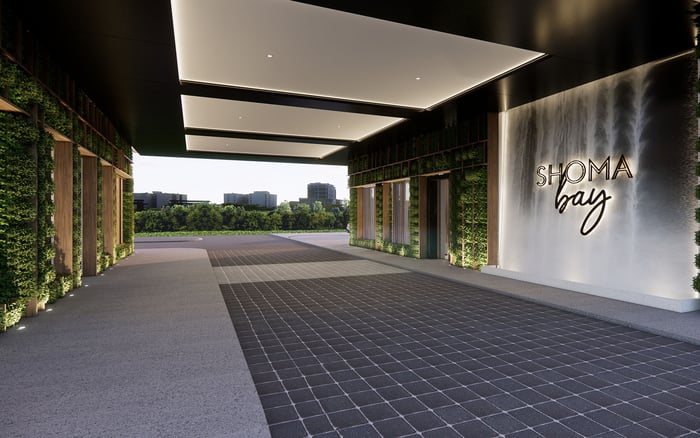
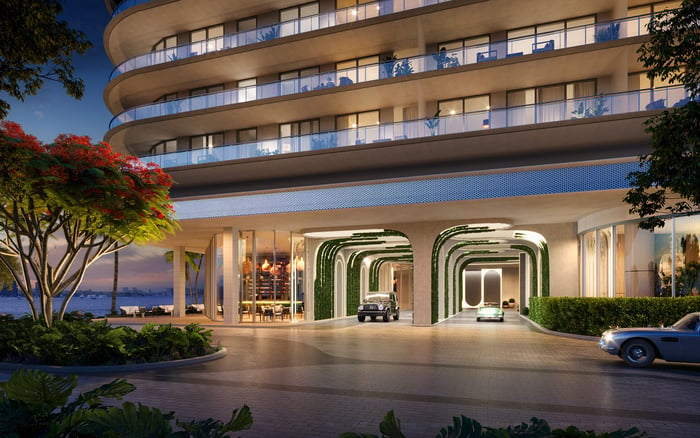
The most-used amenity isn’t the pool-it’s the arrival sequence. A well-composed entry experience reduces friction and protects privacy: resident drop-off that doesn’t collide with deliveries, guest routing that feels polished, and lobby seating that supports a five-minute conversation without turning into a waiting room.
When you tour either project, focus on three questions:
Can a driver arrive and depart without creating a scene? This matters for residents who keep a discreet rhythm, and for families managing school runs and weekend travel.
How are service and deliveries handled? In true luxury, the building’s “backstage” is designed, not improvised.
Is there a genuine sense of threshold-the moment you transition from the city to your private world? In North-bay-village, that threshold should feel calmer than Miami Beach, not like an extension of it.
Wellness amenities are now judged by their ability to support a routine-not a resolution. Buyers should think in terms of cadence: where you stretch, where you train, where you recover, and how often you’ll realistically use each space.
A sophisticated wellness footprint has three traits.
First, it separates intensity from recovery. If cardio and strength are effectively adjacent to quiet recovery, the recovery side often fails because the atmosphere is wrong. When recovery is spatially protected, it becomes a habit.
Second, it prioritizes air, light, and acoustics. In a tower environment, sensory detail is the luxury.
Third, it supports privacy. Many high-net-worth buyers don’t want to work out “in public,” even among neighbors. Design solutions can include smaller training rooms, bookable spaces, or circulation that avoids crossing the most social lounges.
If Continuum’s proposition leans club-like, you’ll often be evaluating whether the wellness experience feels curated and calm rather than expansive. If Shoma Bay leans lifestyle-forward, you’ll likely be evaluating whether there’s enough spatial diversity to keep wellness from feeling crowded at peak times.
Modern amenity programs quietly assume residents will work from the building, at least part-time. That changes the premium calculus. A business lounge that’s beautiful but noisy isn’t an amenity-it’s décor.
A high-performing work footprint includes multiple seating postures (not just long communal tables), genuine privacy options for calls, and adjacency to coffee or service that doesn’t disrupt focus. Also consider how residents and guests are separated. In a building that feels like a Boutique club, the boundary between resident zones and public-facing energy can be the defining luxury.
In this context, you can benchmark your expectations against other South Florida addresses where the amenity narrative is central to value, such as 2200 Brickell in Brickell or the design-led lifestyle positioning at Five Park Miami Beach in Miami-beach. The point isn’t to copy; it’s to understand the standard of quiet functionality today’s buyers expect.
North Bay Village is ultimately a waterfront proposition. Even when interiors are impeccable, the long-term emotional value often comes down to how frequently you use the outdoor amenity zones.
Evaluate the outdoor footprint as if you live there every weekend:
Shade strategy: Are there multiple shaded zones, or only a few cabanas that become contested?
Circulation: Can you move from residence to deck without crossing a social bottleneck?
Seating variety: Does the deck support sun, conversation, reading, and quiet decompression at the same time?
This is where amenity design either protects privacy or erodes it. A deck that funnels everyone into one glamorous axis can photograph spectacularly, but it can also feel exposed. A deck with multiple smaller “rooms” typically wears better for full-time residents.
Waterfront buyers also tend to ask about Marina adjacency and boating life. Even when details aren’t identical between projects, the key question is whether the waterfront experience is merely scenic-or operationally supportive of time on the water.
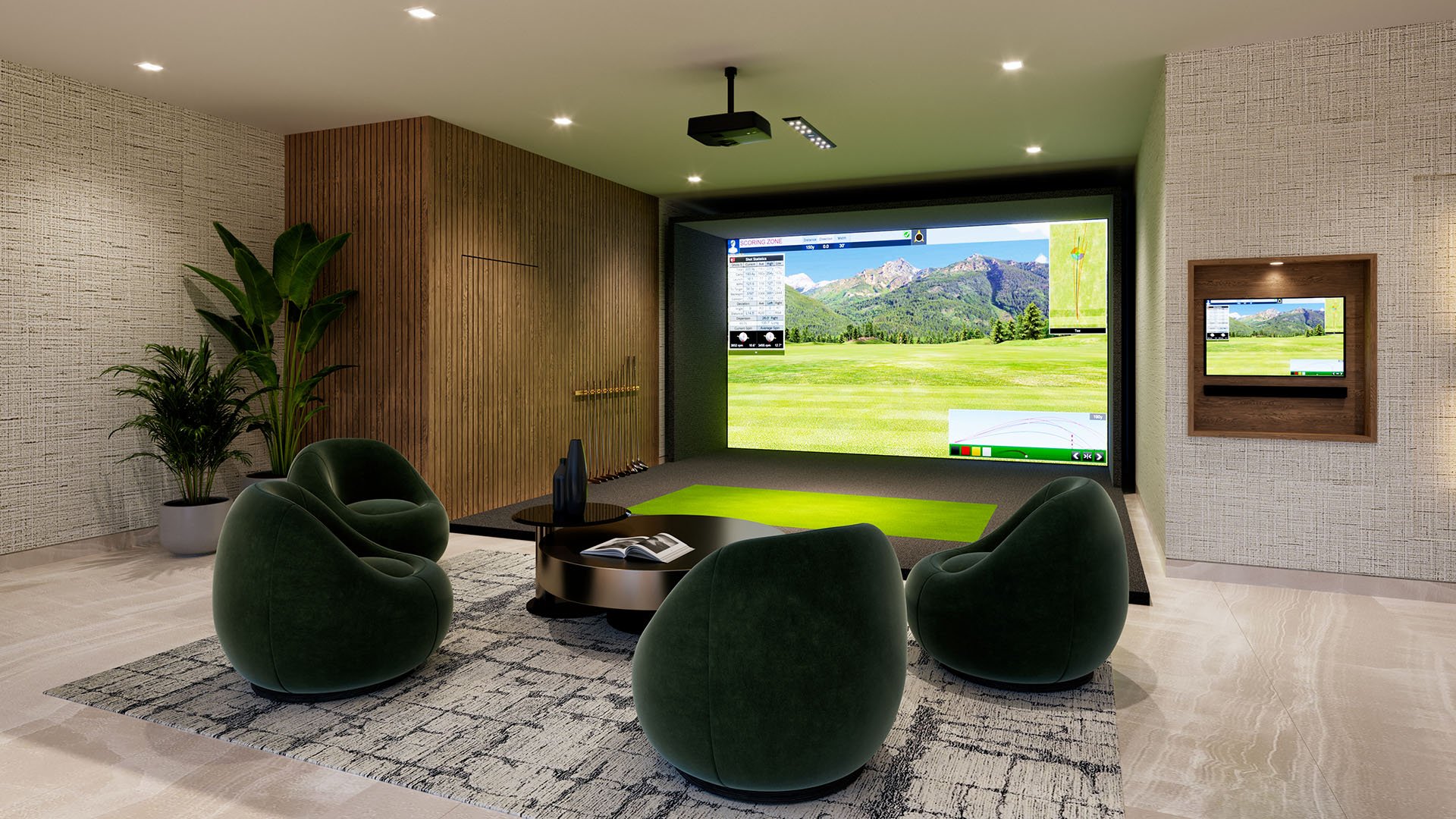
Entertaining is where amenity programs either deliver-or feel performative. Private dining rooms, lounges, and event-capable terraces aren’t about hosting a crowd every week. They’re about having the option to host with control.
When you compare Shoma Bay to Continuum Club & Residences, look for:
Acoustical separation between entertainment spaces and quiet resident areas
A catering-friendly layout that doesn’t turn the lobby into a service corridor
A guest experience that feels elevated but doesn’t compromise resident privacy
If you host often, a lifestyle-resort amenity plan can be advantageous because it offers multiple “settings.” If you prioritize discretion, a club-forward plan can be stronger because it keeps entertaining polished and contained.
Even for buyers without children, buildings that solve “everyday” needs tend to retain value because they broaden the buyer pool. The same logic applies to pets.
Ask how the amenity footprint supports real life: stroller-friendly circulation, intuitive elevator access, and spaces where children can stay engaged without overtaking the adult environment. For pets, the question isn’t only whether there’s a Dog-park concept, but whether it’s placed in a way that’s convenient, hygienic, and discreet.
These details are rarely glamorous, but they’re the difference between a building that photographs well and one that lives well.
Two buildings can offer “similar” amenities and feel completely different because of density and scheduling. Amenity density is the ratio of residents to usable amenity time, plus the layout efficiency that determines whether spaces are truly accessible.
To compare footprints intelligently:
Visit at peak times if possible. Early evening and weekend midday reveal the truth.
Observe whether residents have multiple viable spaces or only one primary lounge.
Consider whether any amenity areas are effectively “claimed” by a subset of residents.
In South Florida, the most consistently premium experiences tend to come from projects that treat shared spaces as layered and optional-not singular and theatrical. If you want a reference point for layered amenity programming in an oceanfront context, 57 Ocean Miami Beach provides a useful mental benchmark for how privacy and resort energy can coexist within the same address.
The long-term appeal of North-bay-village is that it offers a water-anchored lifestyle with faster access to multiple Miami nodes than many purely residential pockets. For buyers comparing Shoma Bay and Continuum Club & Residences, the neighborhood becomes part of the amenity footprint: causeway convenience, dining and errands within reach, and the ability to pivot between Miami Beach energy and a calmer home base.
If your lifestyle regularly toggles between mainland business, Miami Beach social life, and waterfront recovery time, the building that best supports your personal transitions will feel like the stronger “amenity plan”-regardless of how long the brochure is.
For buyers also surveying the broader corridor, it can be instructive to compare the North Bay Village proposition against nearby ultra-luxury peers like Pagani North Bay Village, especially if brand, design authorship, and “club” framing are high priorities.
Rather than debating which project has “more,” decide which one has the right kind of more.
Choose the amenity footprint that aligns with your daily operating style:
If you want visible lifestyle energy, multiple social settings, and a sense that the building is a destination, you may gravitate toward Shoma Bay’s positioning.
If you want a more controlled, membership-like atmosphere where shared spaces are designed to feel protected and intentional, Continuum Club & Residences North Bay Village may fit the brief.
In both cases, insist on clarity around resident-only boundaries, guest protocols, and the flow between indoor and outdoor spaces. At this level, luxury isn’t volume. It’s choreography.
Is the amenity footprint the same as the amenity list? No. Footprint includes layout, privacy, flow, and how often you will truly use it.
Which matters more: wellness or entertaining amenities? It depends on your routine, but wellness tends to drive daily satisfaction and value.
How do I evaluate privacy in shared spaces? Look for layered zones, discreet circulation, and separation between loud and quiet uses.
Does a bigger amenity deck always mean a better building? Not necessarily. Usability, shade, and multiple “rooms” often matter more than size.
What is amenity density and why should I care? It is how crowded amenities feel in real life, based on residents, layout, and peak times.
Are coworking areas actually valuable in luxury towers? Yes, if they provide acoustic privacy, call-friendly spaces, and comfortable seating variety.
How important is a marina-adjacent lifestyle in North Bay Village? For waterfront buyers, it can meaningfully shape weekends and long-term enjoyment.
Should I prioritize resident-only club spaces over guest-friendly lounges? Prioritize the balance that matches your life: discretion-focused owners often prefer club-like.
Can amenities influence resale and rental demand? Yes. Buildings that “live well” tend to stay competitive as buyer expectations rise.
What is the best next step after narrowing to two projects? Tour at peak hours and test the arrival, elevator flow, and outdoor deck comfort.
For a tailored shortlist and next-step guidance, connect with MILLION Luxury.
If branded residences are on your mind — as a home or as an allocation — we would be glad to share what we are seeing, privately.
Begin a quiet conversation