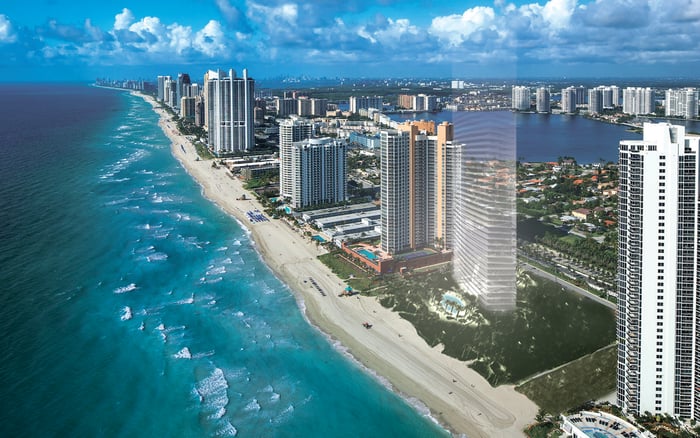
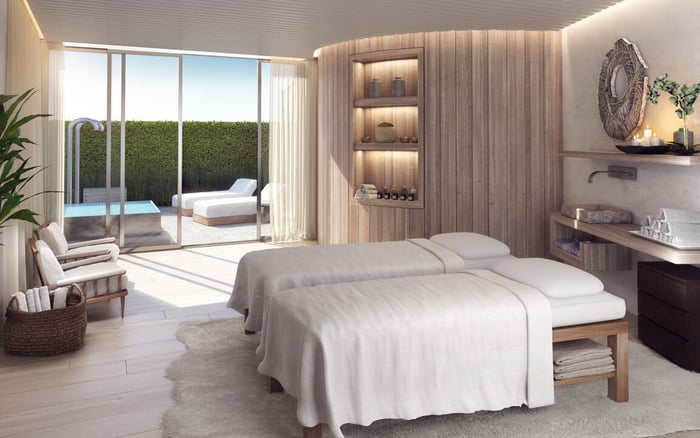
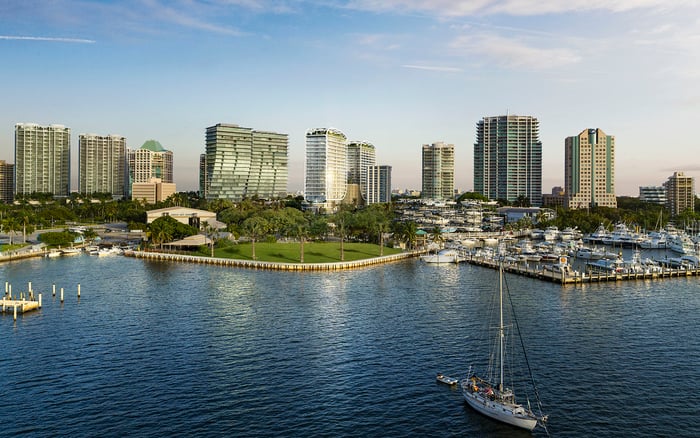
Construction noise can alter the lived value, negotiation strategy, and exit profile of an oceanfront residence. For South Florida buyers, the issue is less about inconvenience than about timing, exposure, building context, and disciplined due diligence before committing to a premium address.
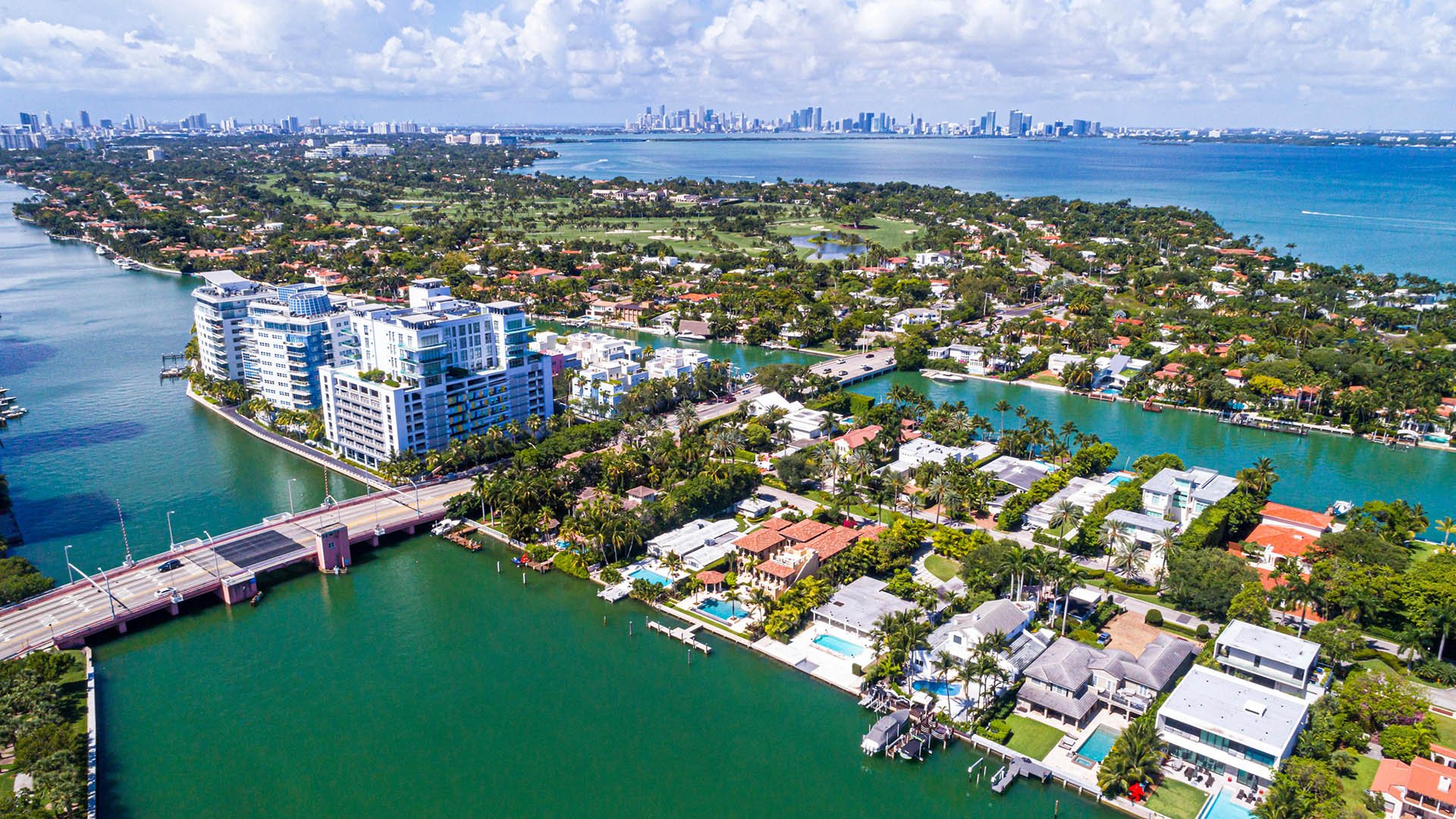
In South Florida, the price of an oceanfront residence is rarely measured by square footage alone. Buyers pay for the daily ritual of light, air, horizon, privacy, and a measure of insulation from the friction of the city. Construction noise can interrupt that promise, and when it does, the true cost of ownership begins to move beyond the contract price.
The issue is not simply whether a crane is visible from the balcony. It is whether the sound profile changes how the residence is used. Morning pile work, truck movements, concrete pours, equipment alarms, and street staging can affect breakfast on a terrace, calls from a home office, an infant’s nap, or the calm expected from a second home. In the ultra-premium segment, small frictions become meaningful because the purchase is often justified by ease.
For buyers comparing Miami Beach, Sunny Isles Beach, Surfside, Fort Lauderdale Beach, and other waterfront corridors, noise exposure should be treated as a valuation variable. It belongs beside view protection, building services, reserve strength, parking flow, and the quality of the arrival sequence.
A buyer in the top tier is not only acquiring shelter. They are acquiring discretion, control, and time. Construction noise challenges all three. It can reduce the utility of a terrace during the months when South Florida outdoor living is most valuable. It can affect the perceived calm of a primary suite. It can also shape how guests experience the property, especially in residences intended for entertaining or extended family stays.
That is why the same disturbance can have different financial consequences from one building to another. A large residence with deep setbacks, substantial glazing, and a protected exposure may absorb the issue better than a smaller home facing directly into an active site. A high floor may gain distance from street-level activity, yet still receive mechanical and impact noise across open air. A low floor may be more affected by staging, delivery routes, and gate activity.
In pricing and trend conversations, the quiet premium is often implicit. The cleanest oceanfront lines, the most private terraces, and the best-insulated interiors tend to command attention because they preserve the reason a buyer came to the coast in the first place.
Construction-noise due diligence begins with a physical visit, but it should not end there. A buyer should walk the surrounding blocks at different times of day, including early morning and late afternoon. The goal is to understand not only what is happening now, but where activity is likely to concentrate as nearby projects advance.
The most important questions are practical. Is there an active site next door or across the street? Where are trucks entering and exiting? Are sidewalks narrowed? Is the residence oriented toward the activity or away from it? Does the balcony face a staging area, a service lane, or an open corridor where sound can travel? How does the interior feel with all doors closed, and how does it feel when the terrace is in use?
Buyers should also review nearby vacant parcels, older low-rise properties, and underutilized sites that may change over time. In coastal neighborhoods with limited land, redevelopment pressure can be part of the ownership horizon. A residence that feels serene today may deserve a closer look if adjacent parcels are obvious candidates for future work.
The real cost of construction noise can appear in several places. The first is lifestyle cost. If a terrace becomes less inviting for a season, the buyer loses part of the amenity they paid to own. The second is flexibility cost. A residence may be less suitable for remote work, visiting relatives, or seasonal living if disruptive activity is concentrated during the owner’s preferred months.
The third is negotiation cost. If noise exposure is visible, audible, or likely, it can become part of the price conversation before contract. A disciplined buyer may seek a valuation that reflects temporary inconvenience, reduced enjoyment, or potential resale objections. The fourth is exit cost. Future buyers will ask the same questions, and if the construction horizon remains unclear, the issue may narrow the pool of prospects.
None of this means a buyer should automatically avoid a property near construction. In many cases, the right residence remains compelling because the architecture, services, view, and long-term location outweigh temporary disruption. The key is to price the inconvenience before it becomes personal.
In Miami Beach, buyers often weigh architectural pedigree, beach access, and the rhythm of surrounding streets. A comparison involving The Perigon Miami Beach may lead to different questions than a comparison in a denser urban waterfront setting because sound sources, street geometry, and daily access patterns can differ meaningfully.
In Sunny Isles Beach, the vertical nature of the skyline makes stack selection especially important. Buyers considering addresses such as St. Regis® Residences Sunny Isles should think about height, orientation, and how open-air sound travels along the oceanfront. A sweeping view does not always guarantee acoustic separation.
In Surfside, discretion and scale can be central to the buyer’s expectation. A residence near The Delmore Surfside invites a close reading of neighboring parcels, access routes, and the relationship between private arrival and nearby activity.
In Fort Lauderdale Beach, buyers often balance boating culture, beach proximity, and resort-style living. When evaluating Four Seasons Hotel & Private Residences Fort Lauderdale, or other coastal residences, the question is how the property performs during a normal weekday, not only during a polished showing.
Farther south and north along the shoreline, properties such as 2000 Ocean Hallandale Beach show why the broader coastal context matters. The best due diligence considers both the residence itself and the evolving edge around it.
The most effective questions are direct. What can be seen from the primary living areas? What can be heard from the terrace? Are any nearby projects in early, middle, or finishing stages? Does the building have impact-rated glazing that performs well when closed? Are bedrooms oriented toward the ocean, the city, or a neighboring site? Is the service entrance exposed to truck routes?
A buyer should request a showing during a working hour, not only at sunset. If possible, they should spend time in silence inside the residence. Turn off music, close the doors, open them again, and stand in each room. The human ear is often the best instrument for determining whether a sound is background texture or a daily irritation.
Buyer’s guides tend to focus on view, amenities, and price per square foot. For oceanfront decisions today, acoustic comfort deserves the same seriousness. It is part of the lived asset.
Construction noise is most useful in negotiation when it is specific. Vague complaints rarely move a sophisticated seller. A stronger position identifies the exposure, explains how it affects use, and connects that concern to price, terms, or timing.
A buyer may prefer a cleaner price, a longer inspection window, or flexibility around closing if nearby activity is material. In some cases, the better move is not a discount but a different stack, higher floor, alternate exposure, or building with a more protected site condition. The aim is not to win an argument. It is to avoid paying a serenity premium for a residence that cannot currently deliver serenity.
For sellers, the lesson is equally clear. If nearby work is temporary, disclose the practical reality and show how the home performs when closed. If the residence is well insulated or oriented away from activity, demonstrate that advantage. In a luxury market, confidence is created through clarity.
Does construction noise always reduce the value of an oceanfront residence? Not always. The effect depends on duration, proximity, orientation, interior performance, and how much the buyer values quiet use of outdoor space.
Is a higher floor always better for avoiding construction noise? No. Height can help with street-level disturbance, but sound can travel through open air, especially when a residence directly faces an active site.
Should I visit a property during active construction hours? Yes. A weekday visit can reveal sound, traffic, staging, and access issues that may not appear during a quiet evening showing.
Can impact-rated windows solve the problem? They can improve interior comfort when closed, but they do not protect terrace use or eliminate every type of vibration and low-frequency sound.
What nearby sites deserve extra attention? Vacant parcels, older low-rise buildings, surface parking, and underused waterfront lots may warrant closer review before committing.
How should construction exposure affect an offer? It should be translated into a practical adjustment, such as price, timing, inspection flexibility, or choosing a better-protected residence.
Is temporary noise less important for a long-term owner? It may be, but temporary inconvenience still affects enjoyment, guest use, and potential resale timing during the ownership period.
Does oceanfront wind or surf mask construction noise? Sometimes, but buyers should not assume natural sound will offset equipment, alarms, trucks, or impact work.
What room should I test most carefully? Test the primary suite, main living area, home office, and terrace, since these spaces define daily comfort and perceived value.
Can construction noise become a resale issue? Yes. If future buyers can hear or anticipate disruption, they may discount the home or choose a quieter alternative.
For a confidential assessment and a building-by-building shortlist, connect with MILLION.
If branded residences are on your mind — as a home or as an allocation — we would be glad to share what we are seeing, privately.
Begin a quiet conversation