A buyer-focused guide to weighing Pompano Beach and Fort Lauderdale when view preservation, waterfront orientation, and long-term livability are central to the purchase decision.
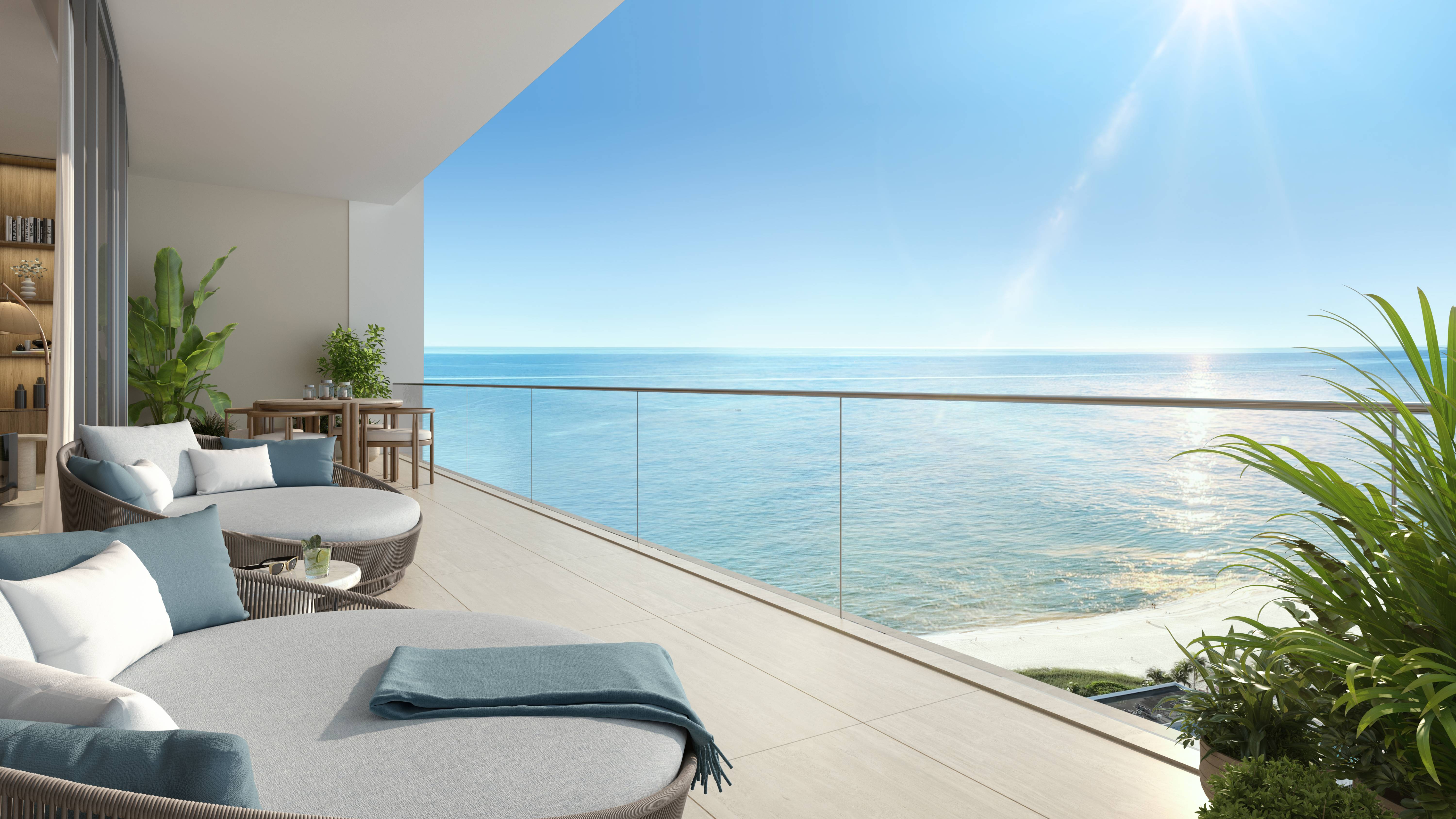
For a luxury buyer comparing Pompano Beach and Fort Lauderdale, the decision is rarely only about which coastline feels more beautiful. It is whether the view creating the emotional pull today has a credible chance of feeling just as compelling years from now. That is where protected view corridors become central.
A protected view corridor is not a decorative phrase. It should refer to some form of constraint, entitlement pattern, ownership condition, planning framework, setback, easement, public-space alignment, or site condition that helps preserve a line of sight. The key word is helps. In South Florida, where water, height, and redevelopment pressure often converge on narrow coastal parcels, buyers should distinguish a desirable view from a defensible one.
Pompano Beach and Fort Lauderdale both offer sophisticated coastal living, but they reward different kinds of buyer discipline. Pompano Beach often appeals to those who want a more residential, beach-forward rhythm, with new luxury projects reshaping expectations along the oceanfront. Fort Lauderdale offers a deeper urban mix, where Fort Lauderdale Beach, marinas, boating culture, hotels, restaurants, and Intracoastal corridors create a more layered visual environment.
The most important exercise is simple: stand inside the actual residence and break the view into segments. What is ocean? What is Intracoastal? What is sky? What is neighboring roofline, pool deck, public park, marina, street end, or open space? A broad water view can feel magnificent at first impression, yet its long-term value depends on which portion is protected, which portion is merely open today, and which portion relies on a neighboring site remaining unchanged.
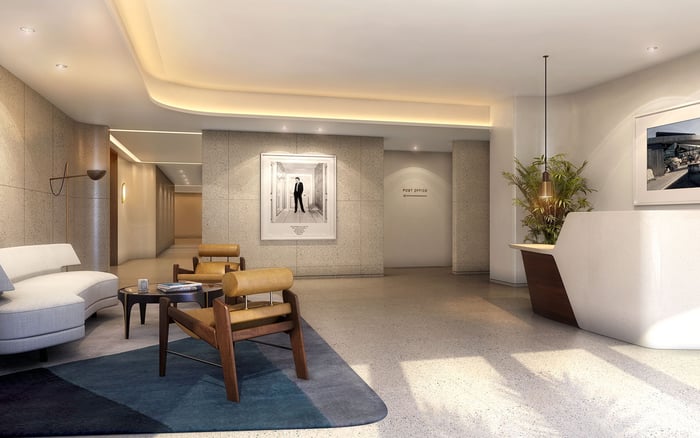
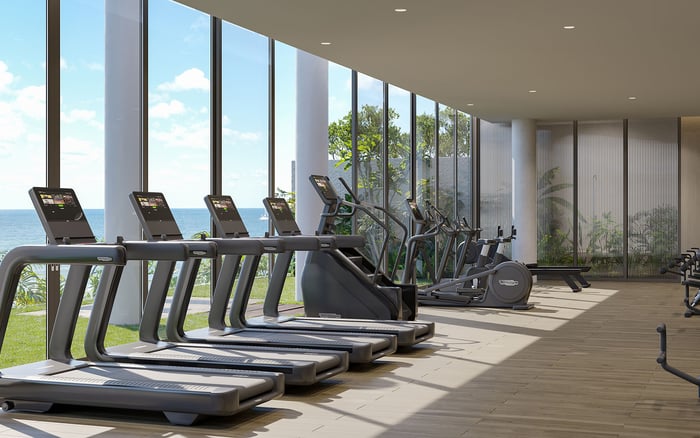
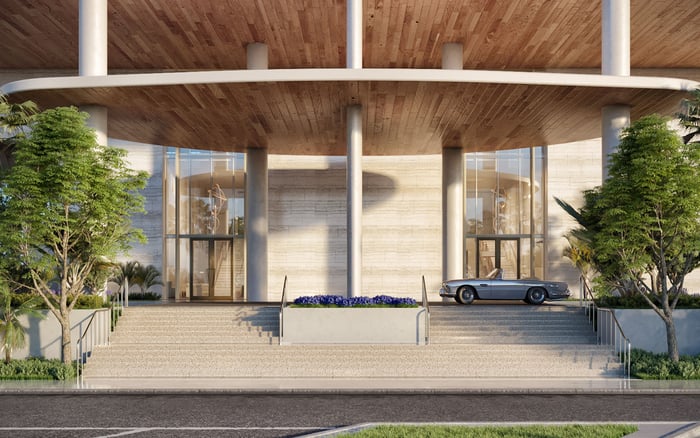
In Pompano Beach, a buyer considering Armani Casa Residences Pompano Beach or The Ritz-Carlton Residences® Pompano Beach should evaluate the view from the private residence, not only from renderings, amenity levels, or sales-gallery imagery. Elevation, stack orientation, balcony depth, glass line, and neighboring parcels can materially change the lived experience.
In Fort Lauderdale, the same principle applies. A residence near the beach may capture the Atlantic, the Intracoastal, city lights, marina movement, or a combination of all four. At Four Seasons Hotel & Private Residences Fort Lauderdale, for example, a buyer should consider the composition of the view as carefully as the presence of the water itself.
Pompano Beach can be particularly attractive for buyers who want oceanfront living without the constant intensity of a larger resort district. The mood can feel more residential, with a sense of openness highly prized by second-home buyers and full-time residents who want sunrise, sand, and a calmer daily cadence.
That quieter impression should not lead to casual underwriting. A protected view corridor in Pompano Beach still deserves the same scrutiny it would in any dense coastal market. Ask what is across the street, what is beside the site, what the parcel geometry suggests, and whether the protected portion of the view is horizontal, vertical, diagonal, or only partial. A direct ocean view from one room and an oblique view from another are not economically identical.
Projects such as W Pompano Beach Hotel & Residences reflect the city’s growing appeal to buyers who want service, architecture, and beach access in a less saturated setting. The tradeoff is that early confidence in a district should be paired with careful review of surrounding land conditions. The more a neighborhood is still maturing, the more valuable it becomes to understand what can realistically change.
Fort Lauderdale offers a different equation. The city’s luxury market is not only about beachfront exposure. It is also about waterfront living along canals, proximity to boating and dining, hotels, and the visual drama of a skyline meeting the water. For many buyers, the appeal is not a single uninterrupted horizon, but a cinematic sequence: ocean in the morning, boats in the afternoon, city lights at night.
That complexity can be an asset. It can also make view analysis more nuanced. In Fort Lauderdale, one residence may have a view that feels protected because it looks across water. Another may feel protected because it looks over a public realm, a low-scale frontage, or an established corridor. A third may offer a magnificent view today that depends more on nearby private parcels than the buyer initially realizes.
For buyers who want the energy of Fort Lauderdale Beach, Auberge Beach Residences & Spa Fort Lauderdale represents the kind of address where the daily value of the view is tied to both coastal exposure and resort-level living. For those drawn to marina adjacency and a more yacht-club sensibility, St. Regis® Residences Bahia Mar Fort Lauderdale places view evaluation in a different frame, where boats, water, skyline, and public movement all contribute to the premium.
A buyer choosing between Pompano Beach and Fort Lauderdale should first decide what kind of view they want to own emotionally. If the goal is purity, quiet, and a beach-first identity, Pompano Beach may feel more aligned. If the goal is variety, marina culture, dining proximity, and a more urban coastal rhythm, Fort Lauderdale may justify a more complex view composition.
Next, decide what kind of risk feels acceptable. A view across the ocean is different from a view between buildings. A view over water is different from a view over a low-rise parcel. A high-floor residence can reduce some visual risk, but height does not replace diligence. Protected corridors should be reviewed through documents and site context, not assumed from elevation alone.
Finally, think about resale language. Future buyers will not only ask whether the residence has a view. They will ask what kind of view, from which rooms, how much of it is protected, and whether the premium is obvious the moment they enter. The best purchases make the answer easy.
Before signing, ask for a view study or comparable visual material when available. Review the site plan, neighboring parcels, balcony orientation, window placement, and the difference between primary and secondary exposures. Walk the surrounding blocks at different times of day. If construction or redevelopment is visible nearby, understand how it may change the sense of openness.
Do not rely only on floor number. A lower residence with a clean protected corridor can outperform a higher residence with a compromised angle. Do not rely only on brand. A superbly serviced building still needs a specific residence with the right sightline. And do not rely only on the phrase protected view. Ask what protects it, where the protection begins and ends, and whether the most valuable part of the outlook is included.
The most elegant purchase is the one where architecture, geography, and legal reality quietly agree.
What is a protected view corridor? It is a line of sight with some credible basis for preservation, such as site conditions, planning constraints, easements, setbacks, or public-realm alignment.
Is an ocean view automatically protected? No. The ocean itself is permanent, but the path between a residence and the ocean may still depend on neighboring land, height, and orientation.
Is Pompano Beach better for protected views than Fort Lauderdale? Not universally. Pompano Beach may feel quieter and more beach-forward, while Fort Lauderdale offers more varied water, marina, and skyline exposures.
What should I ask before paying a view premium? Ask which part of the view is protected, what could change nearby, and whether the view is strongest from the main living areas.
Do higher floors always solve view risk? Higher floors can help, but they do not guarantee permanence. Angle, neighboring parcels, and future development potential still matter.
Are Intracoastal views as valuable as ocean views? They can be, especially for buyers who value boating activity, sunsets, city lights, and a more dynamic waterfront setting.
Should I compare views in person? Yes. A view should be tested from the actual residence, balcony, primary bedroom, and main living space whenever possible.
Can renderings prove a protected view? Renderings are useful for orientation, but they should not replace document review, site analysis, and direct visual inspection.
Which city is better for a second home? Pompano Beach may suit quieter beach use, while Fort Lauderdale may suit buyers who want restaurants, boating, and more urban energy.
What is the best way to shortlist comparable options for touring? Start with location fit, delivery status, and daily lifestyle priorities, then compare stacks and elevations to validate views and privacy.
For a discreet conversation and a curated building-by-building shortlist, connect with MILLION.
If branded residences are on your mind — as a home or as an allocation — we would be glad to share what we are seeing, privately.
Begin a quiet conversation