A discreet guide for San Francisco sellers considering Fisher Island, focused on capital gains planning, advisor coordination, purchase timing and preserving flexibility before a South Florida closing.
For a San Francisco seller looking toward Fisher Island, the purchase decision is rarely just about floor plans, views or club access. It is often part of a larger transition: liquidity from a long-held asset, a possible lifestyle change, and a new balance among privacy, tax planning and legacy.
Capital gains planning belongs at the beginning of that conversation, not after a contract is signed. The cleanest transactions are typically choreographed before a listing goes live, before proceeds are received and before a buyer commits to a specific South Florida residence. That does not mean the home search should wait. It means the advisory team should move in parallel with the residential team, allowing the buyer to act decisively without losing control of the broader plan.
This is especially true on Fisher Island, where inventory, access and personal fit matter as much as price. A buyer considering The Residences at Six Fisher Island may be weighing not only the residence itself, but also how the acquisition fits into cash flow, entity structure, estate intentions and future resale flexibility.
The most common mistake is treating capital gains as an accounting item that appears after closing. For affluent sellers, it is better understood as a planning variable that can influence timing, reserve levels and the acceptable pace of reinvestment.
Before a San Francisco asset is marketed, a buyer should have a private conversation with tax counsel about adjusted basis, expected net proceeds, the treatment of improvements, prior ownership structure and any planning tools that may or may not apply. The goal is not to force a tax answer into a real estate decision. It is to avoid discovering constraints after the ideal Fisher Island residence has already been identified.
Liquidity also deserves close attention. A trophy purchase can require meaningful deposits, closing costs, post-closing design work and ongoing carrying costs. If sale proceeds are expected to fund the acquisition, the buyer should understand how much capital is truly available after taxes, debt repayment and reserves. That figure is often more important than the headline sale price.
Buyer guides for South Florida often focus on neighborhoods and buildings, but a relocation from San Francisco raises a more personal question: where is the buyer's real center of life? Domicile and residency analysis is highly fact-specific, and luxury buyers should treat it with the same seriousness as title, financing and insurance.
The documentary trail can matter. Advisors may review where the buyer spends time, where business is conducted, where important records are kept, how vehicles and memberships are handled, and how family routines are organized. A real move should be supported by real behavior, not merely by a preferred mailing address.
That is why the residential selection matters. A buyer who expects Fisher Island to become the primary base may approach the search differently from someone planning a second-home strategy. The distinction can influence storage, service needs, staff accommodations, guest patterns and the comfort of staying for longer stretches.
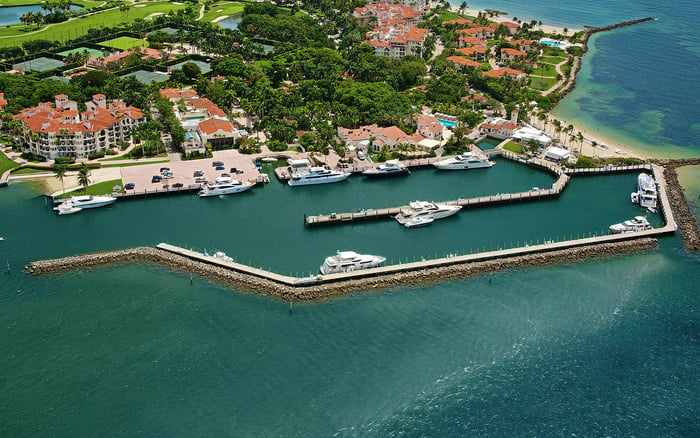
Fisher Island appeals to buyers who want privacy, water, security and a sense of separation from the city without leaving Miami's orbit. For capital gains planning, that sense of permanence can be useful, but buyers should still preserve optionality.
A residence that fits today should also make sense if family needs shift, if a business sale changes liquidity, or if the buyer later decides to hold the property in a different structure. Waterfront preferences, renovation appetite, view orientation and household staffing should be evaluated alongside tax and estate objectives. The right purchase is not merely beautiful. It is administratively durable.
That is one reason some buyers compare new residential offerings with established Fisher Island addresses. The Links Estates at Fisher Island may enter the conversation for buyers seeking an estate-minded lens, while Palazzo del Sol and Palazzo della Luna may be part of a discussion about refined condominium living on the island. The best answer depends on how the property will be used, who will own it and how long the buyer expects to hold it.
Investment is part of the conversation, but it should not overwhelm the lifestyle thesis. Fisher Island buyers are often drawn to scarcity, privacy and long-term personal utility rather than a quick trade. Capital gains planning should reflect that mindset.
If the acquisition is intended as a long hold, the buyer may emphasize basis records, ownership continuity, estate planning and future liquidity for heirs. If the buyer expects flexibility, the advisory team may focus more closely on potential resale timing, rental restrictions, entity implications and the tax consequences of changing plans. None of these decisions should be made casually after closing.
For some buyers, a comparison set outside Fisher Island is useful. A San Francisco seller may study Miami Beach, South of Fifth or Brickell to determine whether island privacy is essential or whether a more urban residence better supports business and travel patterns. In that context, Apogee South Beach can represent a different kind of Miami Beach ownership experience, closer to the urban and coastal rhythm of the city.
The strongest purchases are usually quiet, organized and well sequenced. The buyer's real estate advisor, tax counsel, estate counsel, lender, insurance advisor and family office team should be working from the same timeline. If one party is relying on an old assumption, the entire plan can drift.
A practical sequence begins with the sale-side estimate, then moves to after-tax liquidity, purchase capacity, preferred ownership structure and closing mechanics. From there, the search becomes more disciplined. The buyer is not simply asking, What can I afford? The better question is, Which residence supports the plan I have already built?
That discipline is particularly valuable when a rare property appears. Fisher Island opportunities can move through private conversations, relationship networks and short windows of decision. A prepared buyer can respond quickly without improvising the capital gains strategy in the background.
When should a San Francisco seller begin capital gains planning? Before the existing property is listed. Early planning helps align sale timing, purchase capacity and liquidity reserves.
Should tax planning happen before choosing a Fisher Island residence? Yes, at least at a preliminary level. The buyer should know the likely after-tax capital available before committing to a purchase strategy.
Does moving to Fisher Island automatically resolve tax questions? No. Residency, domicile and tax treatment are fact-specific and should be reviewed by qualified advisors.
Why does ownership structure matter? The way a residence is owned can affect financing, estate planning, privacy, administration and future disposition.
Is a primary residence strategy different from a second-home strategy? Yes. Use pattern, documentation, household setup and long-term planning may differ substantially.
Can capital gains planning influence the purchase budget? Yes. A realistic budget should be based on after-tax liquidity, reserves and the full cost of ownership.
Should buyers compare Fisher Island with Miami Beach or Brickell? Often, yes. Comparing locations helps clarify whether privacy, urban access, waterfront living or services matter most.
What records should sellers organize before a sale? Advisors may request basis documentation, improvement records, debt information and ownership history.
Can a buyer act quickly and still plan carefully? Yes, if the advisory team is assembled early and the purchase framework is already defined.
Who should coordinate the planning process? A trusted lead advisor should keep tax, estate, lending and real estate professionals aligned around one timeline.
For a confidential assessment and a building-by-building shortlist, connect with MILLION.
If branded residences are on your mind — as a home or as an allocation — we would be glad to share what we are seeing, privately.
Begin a quiet conversation