From South Beach Art Deco icons to Coral Gables grandeur, South Florida’s most storied hotels are being preserved, refreshed, and reinterpreted for a new era of luxury living.
In South Florida, the most enduring luxury is rarely the newest. It is the kind that has been lived in, protected, and thoughtfully renewed. Historic hotels act as cultural anchors, concentrating walkability, dining energy, beachfront ritual, and a sense of place that fresh construction alone rarely replicates. For buyers and second-home owners, these hotels do more than host visitors. They set the neighborhood tempo. They shape what the streets feel like at dusk, how a lobby smells after a rain, and what “going out” can mean without leaving your zip code. In Miami Beach, that influence is amplified by the Art Deco Historic District, widely recognized as the world’s largest collection of Art Deco architecture with more than 800 preserved buildings. The result is a living design ecosystem where restoration is not an aesthetic phase, but a daily standard. Coral Gables offers a parallel, more formal expression of heritage. Its identity is tied to a curated landscape of historic buildings that reinforces consistent civic elegance. For homeowners, this translates into a market where architecture is part of the promise, not an afterthought.
1. The Biltmore Hotel 1926 Coral Gables landmark
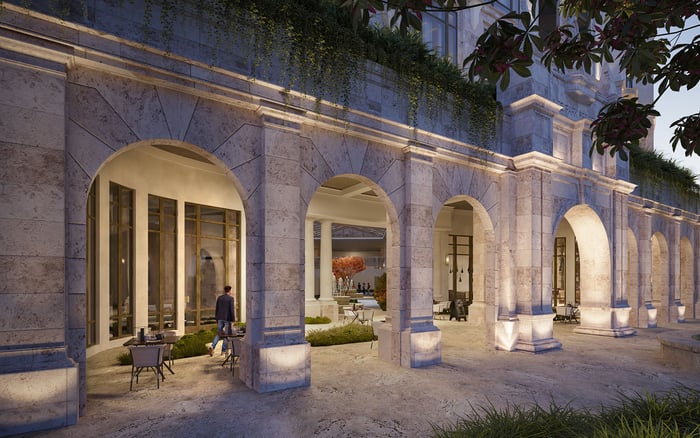
Opened in 1926, The Biltmore remains a defining symbol of Coral Gables prestige and continuity. Its relevance today is not nostalgia, but proof that stewardship can be both active and ambitious. A reported $35 million design refresh updated key social spaces, including the Granada and Alhambra ballrooms and the main lobby, with design work informed by original hotel blueprints preserved in city archives. In luxury, that distinction matters. Authenticity is not a mood board; it is an operational discipline that protects what cannot be recreated once it is “updated” into anonymity. The property is also known for a 600,000 gallon swimming pool and an 18 hole golf course designed by Donald Ross, a pairing that continues to define the Gables rhythm of weekend rituals and multi-generational hosting.
2. Delano Miami Beach slated March 2026 reopening
The Delano is undergoing a major renovation, with reopening targeted for March 2026. In Miami Beach, timing reads as intent, and this return signals more than a routine refresh. Restoration plans include reinstating signature elements like terrazzo flooring and restoring the lobby’s hexagonal columns and branding details. The renovated hotel is planned to include 171 guestrooms and suites, alongside four restaurant and bar concepts, including a reimagined Rose Bar. For the surrounding neighborhood, a reopened Delano is not just a hospitality headline. It is an atmosphere reset that can recalibrate nearby dining gravity, street traffic patterns, and the definition of “iconic” for a new cohort of residents.
3. Casa Faena built 1928 now a Faena District boutique
Casa Faena traces its building history to 1928, originally built as El Paraiso Apartments and designed by architect Martin L. Hampton. Its past includes a period when it was leased by the U.S. Army Air Forces during World War II, underscoring how Miami Beach glamour has always been layered with broader storylines. Today, it operates as a boutique hotel positioned as part of the Faena District. For buyers, the draw is a neighborhood that feels curated without feeling sealed off. A boutique property like this often signals a more residential cadence: smaller scale, design-forward, and tied to a district identity that prioritizes culture and craft.
4. The National Hotel historic designation with a signature long pool
The National Hotel is recognized by Historic Hotels of America, a useful marker for buyers who want verified heritage rather than loosely applied “classic” branding. The lived experience, however, reads as contemporary: adults-focused positioning and a beachfront setting organized around a long, memorable pool. In Miami Beach, pools are not just amenities. They function as social architecture. A signature pool becomes visual shorthand, and that kind of recognizable design can carry beyond the hotel line, shaping expectations for nearby residences and renovations.
5. Miami Beach Art Deco Historic District the design ecosystem behind the icons
Some of Miami Beach’s most valuable luxury traits are not single buildings, but the density of protected character around them. The Art Deco Historic District is promoted as having more than 800 preserved buildings, creating a rare condition: a large-scale, cohesive environment where small details matter. For residents, this is what makes certain blocks feel irreplaceable. The streetscape becomes part of your home’s value proposition, even if you never step into a hotel. In practical terms, it often delivers a more consistent visual identity, a stronger sense of arrival for guests, and a premium placed on thoughtful renovation.
Not every restoration signals the same caliber. For buyers weighing a pied a terre near an icon, or considering a renovation of their own, look for cues that indicate discipline rather than decoration.
Design intent that reinstates original materials or patterns instead of substituting look-alikes
Public spaces treated as architectural assets, not just backdrops for food and beverage
A clear reason a place feels the way it does, whether it is geometry, proportion, or light
Neighborhood coherence, where adjacent buildings support the same design language
In Miami Beach, that coherence is often what separates “close to the beach” from “in the story.” Owning near a restored icon can feel like living inside a protected film set, with real-world convenience.
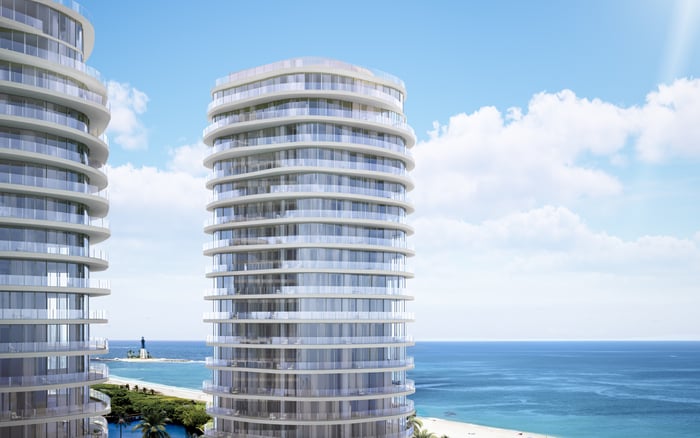
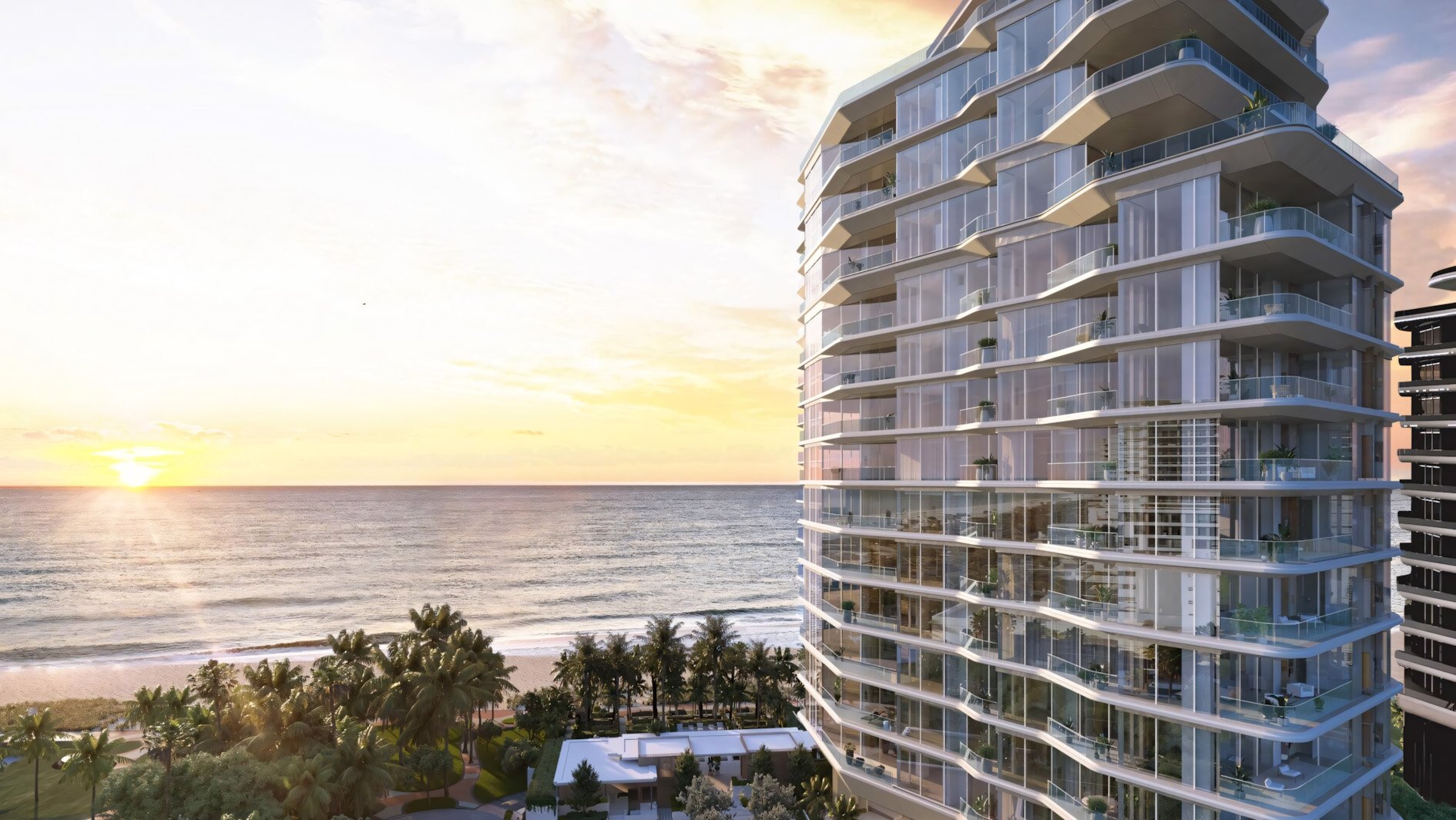
For many ultra-premium buyers, the question is not whether to be near the energy, but how to calibrate proximity. Miami Beach lets you choose your relationship to nightlife, beach access, and walkability with block-by-block precision. If you want a modern counterpoint to historic surroundings, Five Park Miami Beach offers a newer residential option that still benefits from the city’s heritage gravity. For a quieter oceanfront posture aligned with the elegance of restored classics, 57 Ocean Miami Beach appeals to buyers who prefer discretion over spectacle. A related consideration is service culture. Hotels like the Delano and The National help normalize elevated hospitality expectations in the immediate area, which can influence how residents evaluate concierge standards, arrival experiences, and building programming. To keep the conversation grounded, remember: “historic adjacency” is not only about aesthetics. It can shape sound patterns, traffic flow, and event calendars. The goal is to choose a residence whose daily rhythm matches the neighborhood’s most active hours.
Coral Gables often reads like a design thesis with a long timeline. The Biltmore’s presence reinforces that continuity: a grand civic resort identity tied to golf, formal gatherings, and an architectural vocabulary that rewards restraint. If you want to live within that same ethos, consider residences that echo the Gables preference for walkability and enduring materials. Ponce Park Coral Gables and Cora Merrick Park align with buyers who value a polished, neighborhood-forward lifestyle where architecture is part of everyday routine. In practical terms, Coral Gables also tends to appeal to households that want a defined center of gravity. The city’s curated historic environment supports a sense of permanence, a meaningful counterbalance to the faster churn of trend-driven design.
Luxury markets can overproduce “new.” They cannot overproduce genuine provenance. Historic districts and landmark properties create a type of scarcity that behaves differently than simple supply constraints.
Provenance creates emotional pricing power, especially for second-home buyers
Cohesive streetscapes reduce the risk of aesthetic whiplash next door
Restoration cycles can lift an entire micro-market, not just one building
The point is not to romanticize. A historic environment can also bring stricter oversight, slower approval cycles, and higher expectations for craftsmanship. For many high-net-worth owners, those constraints are not burdens. They are quality control.
Which area feels more “historic luxury,” Miami Beach or Coral Gables? Miami Beach leans toward resort-era glamour and Art Deco density, while Coral Gables reads as formal, legacy-oriented elegance.
How significant is the Miami Beach Art Deco Historic District? It is promoted as the world’s largest Art Deco collection, with more than 800 preserved buildings shaping neighborhood character.
When is the Delano Miami Beach expected to reopen? The reopening is targeted for March 2026 following a major renovation.
What restoration details are planned for the Delano? Plans include reinstating terrazzo flooring and restoring the lobby’s hexagonal columns and branding details.
How many rooms are planned at the renovated Delano? The renovated property is planned to include 171 guestrooms and suites.
Why is The Biltmore considered a landmark experience? It opened in 1926 and is known for its iconic pool and an 18 hole Donald Ross golf course.
What was included in The Biltmore’s reported refresh? A reported $35 million update included the main lobby and key ballrooms, informed by original blueprints.
What makes Casa Faena historically notable? It was built in 1928 as El Paraiso Apartments by architect Martin L. Hampton and has a layered past.
Is The National Hotel recognized as historic? Yes, it is listed by Historic Hotels of America and remains a design-forward beachfront property.
How should a buyer use historic hotels when choosing a residence? Treat them as neighborhood anchors that influence walkability, dining energy, and long-term prestige. For bespoke guidance on South Florida lifestyle and real estate near these icons, connect with MILLION Luxury
If branded residences are on your mind — as a home or as an allocation — we would be glad to share what we are seeing, privately.
Begin a quiet conversation