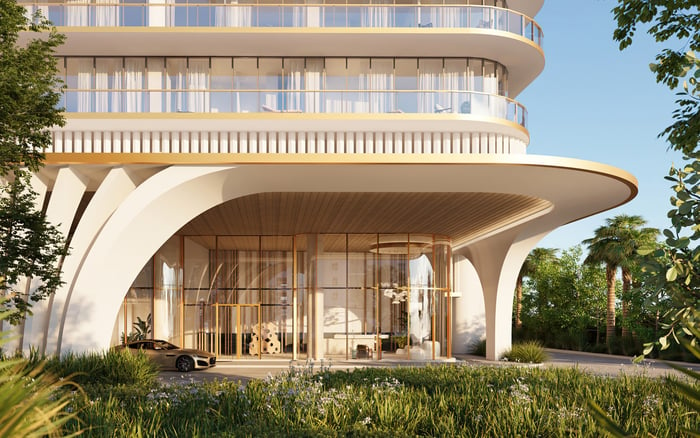
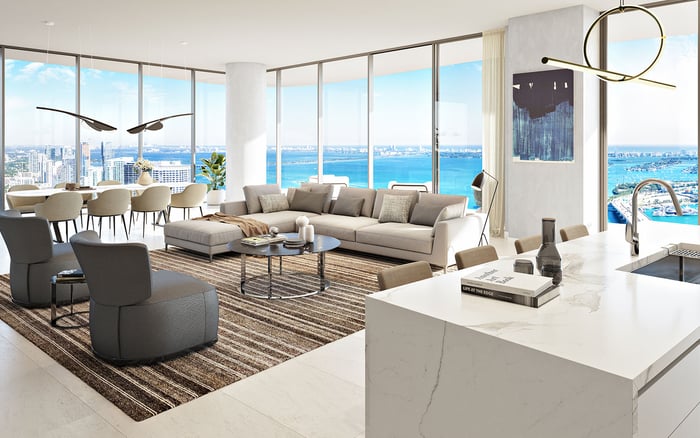
Downtown Miami is entering a new chapter where the skyline is no longer a backdrop, but a product. A surge of branded residential towers, district-scale mixed-use investment, and waterfront public-realm improvements is reshaping how affluent buyers evaluate value, lifestyle, and long-term resilience in the urban core. At the same time, softer pricing signals in the broader resale market and a “flight to quality” dynamic in offices point to a more selective moment: buyers are rewarding best-in-class buildings, locations, and execution. For MILLION Luxury clients, the opportunity is not simply to pick a view. It is to understand which parts of Downtown are becoming truly walkable, which corridors are layering culture and hospitality into daily life, and which projects signal the next three to five years of momentum.
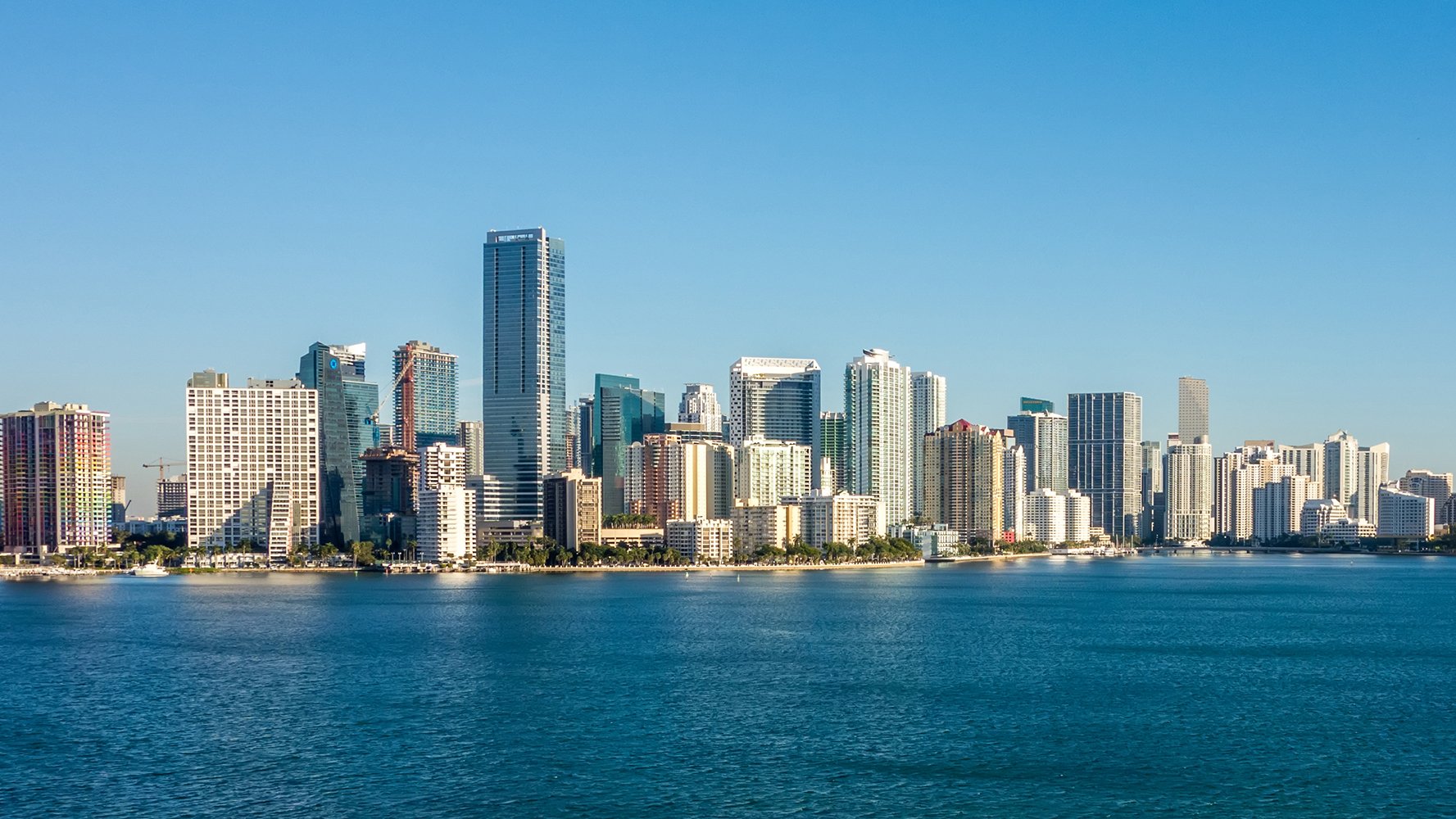
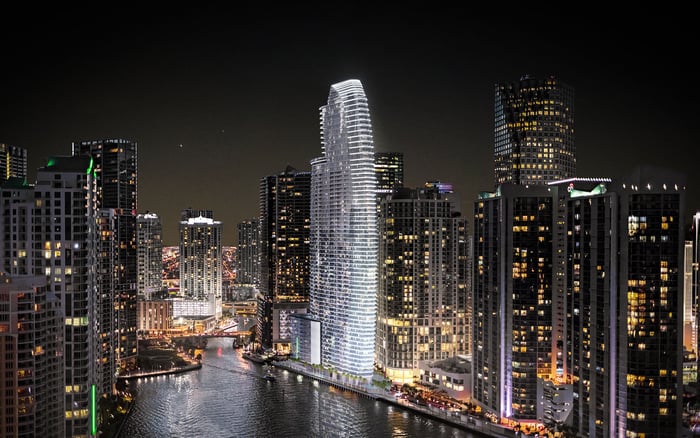
Downtown Miami has long been Miami’s civic core, but its luxury identity is now being defined by glass, brand signatures, and curated daily convenience. The shift shows up in the scale of new residential product and in the way entire districts are being planned around public space, retail, and hospitality. At the top of the narrative sits Waldorf Astoria Residences Downtown Miami, a branded supertall concept widely marketed at 1,049 feet, combining a condominium component with a 205-key hotel and retail. Publicly circulated marketing describes 360 luxury condos with pricing that has been cited from about $3.2 million up to $50 million for penthouses. Whether a buyer is drawn to cachet, the service ecosystem, or the long-term scarcity of trophy inventory, the project signals something broader: Downtown is now competing for the same global luxury buyer who might previously have defaulted to waterfront neighborhoods. Design-forward living is also moving from niche to expectation. Casa Bella by B&B Italia Downtown Miami, a 56-story tower in the Arts and Cultural District, is credited to Arquitectonica with interiors by Piero Lissoni. It topped off in July 2025 and was reported at that time to have over 90% of its 319 units under contract. In practice, that level of absorption at a major milestone reinforces a core Downtown truth: well-positioned, design-led inventory tends to find its buyer, even as the broader market becomes more price-sensitive.
Luxury buyers rarely purchase a neighborhood in the abstract. They buy the experience of stepping outside and immediately having the right options for fitness, dining, culture, and impromptu meetings. Downtown’s current cycle is defined by district-scale projects that compress lifestyle into a walkable radius. A defining example is Miami Worldcenter, which held its grand opening in May 2025 as a 27-acre, roughly $6 billion mixed-use development in the heart of Downtown. Plans disclosed for the district include 16 residential towers, more than 11,000 planned residential units, over 1,000 hotel rooms, and about 300,000 square feet of retail and lifestyle space. The project has also described roughly $100 million in privately built infrastructure and 100,000 square feet of new public space, and it reported 8,957 jobs created as of December 2024. For the ultra-premium buyer, those numbers translate into something immediate: a thicker everyday layer that supports a residence as a primary home, not just a weekend address. The deeper the neighborhood’s amenity stack, the more resilient it tends to be across cycles. This is where Downtown starts to read less like a collection of towers and more like an ecosystem. If your lifestyle leans toward a true urban waterfront address, Aston Martin Residences Downtown Miami is often discussed in the same breath as Downtown’s broader repositioning, because branded living is reshaping expectations around arrival, service, and identity.
1. Waldorf Astoria Miami supertall concept - branded trophy scale Downtown’s most ambitious branded entry is being marketed at 1,049 feet with a condo offering plus a 205-key hotel and retail. Public pricing ranges have been cited from about $3.2 million to $50 million for penthouses, placing it firmly in the global-trophy conversation. For buyers, the takeaway is less about headline height and more about the long-term logic of service-backed, brand-driven assets in a maturing urban core.
2. Miami Worldcenter - district-making walkability
The Downtown thesis strengthens when the neighborhood is not dependent on one lobby. Miami Worldcenter’s disclosed plan includes 16 residential towers, more than 11,000 planned units, over 1,000 hotel rooms, and about 300,000 square feet of retail and lifestyle space. It also describes major infrastructure and new public space, which tends to matter to affluent end-users who want city energy without sacrificing comfort and ease.
3. Casa Bella Residences by B&B Italia - design-led absorption signal
In the Arts and Cultural District, Casa Bella is a 56-story, Arquitectonica-designed tower with interiors by Piero Lissoni. It topped off in July 2025 and was reported at that milestone to have over 90% of its 319 units under contract. That pace supports a Downtown pattern: design pedigree and a strong neighborhood context can outperform general market softness.
4. Riverside Wharf - riverfront activation plus resilience elements
Downtown’s next lifestyle frontier is not only vertical. Riverside Wharf broke ground in December 2025 as an approximately $350 million waterfront mixed-use project scheduled for completion in fall 2028. Plans call for a 9-story, 200,000-plus square foot destination including a 167-key hotel and significant food, beverage, and entertainment uses, alongside a new public riverwalk and a new seawall with sea-level-rise mitigation elements.
5. The hotel-plus-residences model - flexible ownership narrative
Downtown’s hospitality DNA is increasingly blending with residential. The Gale Miami Hotel and Residences is positioned as a hotel-plus-residences concept, reinforcing a broader direction: buyers want optionality, service, and a sense of always-on neighborhood energy. The model can be especially compelling for part-time residents who value turnkey ease while still prioritizing ownership and a real address.
Downtown is not a monolithic market, and recent signals show why sophisticated buyers are leaning on micro-location and building quality. In a broad snapshot of Downtown’s housing market as of December 2025, the median sale price was around $600,000, average time on market was about 152 days, and homes were selling for roughly 6% below list price. That combination points to a more negotiable environment than the peak frenzy years. But the luxury segment inside Greater Downtown reads differently. For Q2 2025, luxury condo statistics for Greater Downtown Miami cited a median sales price of $1.5 million, up 11.1% year over year, with $882 per square foot. Within that same framing, Downtown was described as the lowest price per square foot among Downtown, Brickell, and Edgewater at about $754 per square foot, up 5.1% year over year. What to do with this? Downtown can still present as value relative to neighboring luxury submarkets while delivering a true high-rise lifestyle. For buyers, that creates a productive decision point:
If you want to minimize regret, prioritize best-in-class execution and daily convenience.
If you want to maximize upside, look for corridors where public realm and retail are thickening.
Downtown’s identity is also shaped by how people work. Countywide office vacancy has been cited at 14.8% with full-service asking rents around $59.91 per square foot. Within Greater Downtown, Downtown office inventory has been described at 4,090,609 square feet with 15.1% vacancy, while Brickell Avenue inventory has been described at 4,720,487 square feet with 20.1% vacancy. The story is not uniform decline. A flight-to-quality logic shows up in rent gaps between top-tier and older assets, influencing where employers choose to anchor. There have also been highly visible consolidations, including a major bank that reportedly reduced its Downtown footprint dramatically and gave up naming and signage rights at its former tower. For residential buyers, the implication is subtle but important: the Downtown you buy into will increasingly be defined by the neighborhoods that win the quality contest, because that is where daytime energy, hospitality, and new retail tend to concentrate.
Downtown’s luxury acceleration is not only about buildings. It is about a resident base that can sustain restaurants on a Tuesday, galleries year-round, and wellness studios that feel like part of the routine. Public demographic snapshots describe a median household income of $102,609, with a strong skew toward ages 25 to 34 and 35 to 44. That age profile aligns with a lifestyle that values proximity, design, and experience. Cultural anchors are a second lever. PAMM is a major institution in and adjacent to Downtown, reinforcing a kind of neighborhood legitimacy that premium buyers care about, even if they visit only occasionally. Culture acts like infrastructure: it is slow to replicate, and it supports long-term desirability. If your preference leans toward museum access and a waterfront-adjacent rhythm, One Thousand Museum Downtown Miami remains a relevant reference point in the Downtown conversation because it speaks to architectural distinction and an established luxury address within the core.
Water has always been the premium variable in South Florida, and Downtown is expanding its relationship with it. Riverside Wharf’s planned riverwalk and seawall improvements underscore a larger theme: resilience elements are increasingly being integrated into lifestyle destinations, not treated as separate infrastructure. For luxury buyers, resilience is not a checkbox. It is part of the long-term enjoyment of a waterfront neighborhood, the continuity of public spaces, and the durability of the value proposition.
Buying Downtown at the ultra-premium tier is a matter of intent.
If you are a primary resident, prioritize walkability to daily needs, building service, and noise management.
If you are a second-home buyer, prioritize turnkey operations, arrival experience, and proximity to culture.
If you are investing, focus on supply quality, future district improvements, and the scarcity of truly differentiated product.
Downtown’s best opportunities tend to sit at the intersection of brand, design, and neighborhood momentum. The skyline is getting taller, but the real story is that the ground plane is finally catching up.
Is Downtown Miami luxury real estate still growing, or has it peaked? It is still evolving, with new branded and design-led projects reshaping the top end even as the broader resale market offers more negotiation.
What is driving the amenity wave in Downtown? District-scale mixed-use development is adding retail, hospitality, and public space that make daily life feel more complete.
Are branded residences changing buyer expectations? Yes, they often raise the bar for service, identity, and the overall ownership experience.
How should buyers interpret mixed pricing signals in Downtown? Treat Downtown as a set of micro-markets where building quality and location can outperform broader averages.
Is walkability actually improving in Greater Downtown? Yes, major projects are intentionally layering retail, public space, and infrastructure to support a more pedestrian lifestyle.
Does office vacancy matter to residential buyers? Indirectly, because winning submarkets tend to attract stronger retail, hospitality, and public-realm investment.
What parts of Downtown feel most lifestyle-forward today? Areas near major cultural anchors and large mixed-use districts tend to deliver the most complete day-to-night rhythm.
Why is the riverfront becoming more important? New projects are activating the water’s edge while integrating riverwalk improvements and resilience elements.
Are new towers the only story in Downtown? No, public space, infrastructure, and hospitality concepts increasingly shape value just as much as height.
What is the simplest way to choose the right Downtown building? Start with your daily routine and then match it to a building with proven execution, service, and a strong neighborhood context.
To explore Downtown opportunities with discretion and precision, connect with MILLION Luxury
If branded residences are on your mind — as a home or as an allocation — we would be glad to share what we are seeing, privately.
Begin a quiet conversation