Post Surfside reforms, tighter insurance, and lender scrutiny have changed what “safe” and “simple” means in Florida condo buying. This buyer oriented guide ranks the 10 checks that protect your deposit, your financing, and your long term carrying costs, with a practical lens for South Florida’s premium waterfront market.
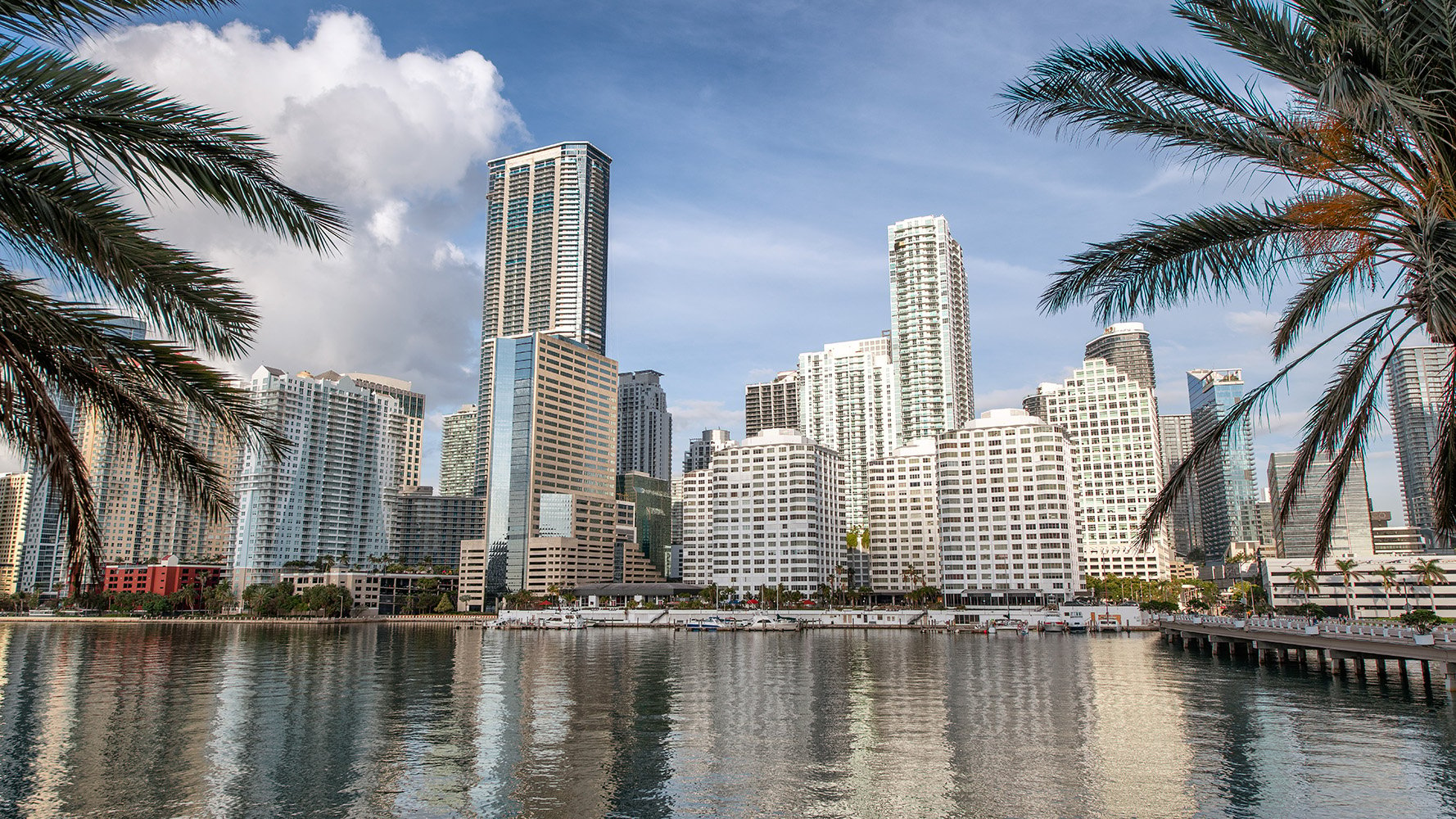
South Florida’s luxury condo market still prizes light, water, and privacy. In 2026, however, the most decisive differentiators are often the ones you cannot see during a tour: governance, reserve strength, inspection compliance, and financing readiness. Buyers who once focused mainly on views, finishes, and a building’s name now review budgets, reserve schedules, and insurance summaries with the same discipline they apply to a floor plan.
In Miami Beach, the premium for “turnkey” remains, but the definition has broadened. Turnkey now includes a building with clean records, realistic reserves, and an insurer and lender posture that does not create friction days before closing.
For buyers evaluating New-construction or Pre-construction, the story is different but not simpler. A new building can reduce certain condition risks, but it does not remove contract risk. Disclosure timing, deposit handling, and documentation quality still determine how protected you are.
In practice, low risk comes down to three outcomes.
First, your downside is controlled. That begins with knowing your cancellation rights in developer sales and how deposits are held and released. Second, ownership boundaries are clear, especially where failures are expensive: windows, balconies, waterproofing, and core mechanical systems. Third, the building is financeable and insurable without surprises, because warrantability and master insurance costs can reshape your monthly carry and your resale liquidity.
When touring branded or serviced environments such as Setai Residences Miami Beach or Casa Cipriani Miami Beach, it is easy to assume the operational side is automatically handled. Often it is well managed, but sophisticated buyers still verify the documentation rather than relying on reputation.
Below is the ranked sequence MILLION Luxury sees as most protective for a 2026 Florida condo buyer. Treat it as an order of operations. The earlier you identify a weakness, the more leverage you preserve.
1. Review the declaration, bylaws, and rules - boundaries and control The governing documents define where your ownership begins and ends. They clarify what you maintain, what the association maintains, and what is classified as a common element or limited common element.
In luxury buildings, material dollars often live in the fine print: window and door responsibility, balcony waterproofing, alteration approvals, and the process for enforcement. This is also where voting thresholds and amendment mechanics sit, which matters when the building later debates rental limits, capital projects, or rule changes.
2. Confirm rescission rights and deposit handling - protect your optionality Florida developer sale disclosure law can provide a 15 day cancellation window after signing and receiving required documents. That window is not a formality. It is your highest leverage moment to confirm what has been delivered, align the disclosures with your expectations, and exit if they do not.
Treat the rescission period as a structured diligence sprint with counsel, not administrative time.
3. Scrutinize the proposed budget and reserves - dues that are too low are a signal A recurring red flag is a budget that makes carrying costs look attractive by underfunding reserves or assuming optimistic operating expenses. Underfunding is one of the most common precursors to special assessments.
For an Investment scenario, the difference between a disciplined reserve plan and a thin one can change net assumptions well before you account for insurance increases.
4. Obtain and read the Structural Integrity Reserve Study (SIRS) - the new baseline Florida now requires a Structural Integrity Reserve Study for condo and co op buildings that are three or more stories, with an initial deadline generally tied to late 2025. For buyers, the SIRS is not just a compliance document. It is a forward looking model of replacement timing and cost for major components tied to structural integrity.
When you review it, focus on what components are included, the projected timing, and whether the funding approach feels consistent with the building’s condition and coastal environment.
5. Request Milestone Inspection records - know what was found and what follows Milestone Inspections generally trigger at 30 years, or 25 years if a local agency requires earlier due to conditions such as coastal exposure, and repeat every 10 years. They begin with a Phase 1 visual evaluation.
If Phase 1 indicates substantial structural deterioration, a Phase 2 inspection may be required and can involve more invasive testing. For a buyer, the central issue is not only what was identified, but what remediation timeline and funding plan follows.
6. Hire an independent condo savvy inspector - even if it is new Municipal inspections are designed to confirm code compliance. They do not necessarily surface finish quality, water intrusion pathways, or unit level performance issues.
A buyer oriented inspection typically focuses on HVAC function, electrical and GFCIs, plumbing leaks and drainage, window and door operation, and visible moisture intrusion. In humid coastal markets, this is often where you catch problems early, before they become lifestyle disruptions or recurring maintenance.
7. Check rules that shape daily life and exit strategy - rentals, pets, parking, renovations Rules are not a footnote in luxury buildings. They can determine whether a second home feels effortless, whether renovation plans are workable, and whether your future buyer pool is wide or narrow.
Rental regulation can materially affect flexibility. Pet policies matter in daily life, and pet rules must still be navigated alongside fair housing requirements for accommodations. Parking also deserves document level confirmation because spaces can be defined in different legal ways, which can affect transferability and use.
8. Verify insurance responsibilities and gaps - master policy vs HO 6 reality Association master insurance generally covers the building and common elements, while unit owners typically need HO 6 coverage for interior elements, personal property, and liability.
This division is where buyers are often surprised after closing. Ask what the master policy covers, what the unit owner must insure, and how deductibles are structured. Deductibles are frequently where the real exposure sits.
9. Confirm lender warrantability early - financing is now a due diligence item Lenders increasingly scrutinize reserves, inspections, delinquency levels, litigation, and the presence of special assessments. If a building is deemed non warrantable, buyers may face larger down payments or alternative financing requirements.
Even cash buyers should care because warrantability affects resale liquidity. Make the questionnaire and lender review part of the early timeline, not a late step.
10. Plan your document review window around evolving disclosure rules - keep leverage Florida’s post Surfside reforms continue to change disclosure expectations, including how certain documents are delivered and how rescission timelines can be triggered. The practical lesson is straightforward: align your review calendar to what is actually delivered, confirm receipt in writing, and avoid waiving time you intended to use for diligence.
Luxury buyers often start with the published monthly dues. In 2026, the better question is whether the dues are structurally sufficient.
Begin with reserve lines. Do they reflect coastal wear, waterproofing cycles, and mechanical replacement, or do they read like placeholders? Then review meeting minutes for tone and cadence. Minutes can signal whether the board is proactive or reactive, and whether special assessments are being discussed as near term reality.
Florida condo boards must follow statutory procedures for special assessments, including notice and meeting process. For buyers, that procedural framework matters because it influences how quickly costs can be imposed and how predictable the timeline may be.
In Miami Beach, particularly for oceanfront assets such as 57 Ocean Miami Beach, buyers often balance the lifestyle premium of exposure with the importance of disciplined reserves. Coastal proximity can be a lifestyle dividend, but it tends to reward buildings that budget honestly.
A refined purchase process in South Florida should feel controlled, not reactive.
Request the association budget, financial statements, insurance summary, rules, and recent meeting minutes early in the process. If the building’s age implicates Milestone Inspections, ask what has been completed, what was found, and what remains pending. If the building is three or more stories, request the SIRS and read it as a capital plan, not a document to file and forget.
For unit level diligence, schedule your independent inspection with room for follow up. If you want contractors to evaluate upgrades, confirm alteration rules first so you do not design a renovation the building will not approve.
In branded environments like The Ritz-Carlton Residences® Miami Beach, operational polish can be exceptional. Buyers still benefit from verifying the practical pillars: insurance posture, reserves, and the rules that will govern day to day living.
What is the most important document to read before buying a condo? The declaration, bylaws, and rules, because they define ownership boundaries, maintenance responsibility, and use restrictions.
How long do I have to cancel a developer condo contract in Florida? Developer sale disclosures can provide a 15 day cancellation window after signing and receiving required documents.
What is a SIRS and why does it matter to buyers? A Structural Integrity Reserve Study evaluates reserve funding needs for major structural components and helps predict future dues pressure.
When is a Milestone Inspection required? It generally triggers at 30 years, or 25 years if a local agency requires earlier due to conditions such as coastal exposure, and repeats every 10 years.
What is the difference between Phase 1 and Phase 2 in a Milestone Inspection? Phase 1 is a visual evaluation; Phase 2 involves more invasive testing if substantial structural deterioration is indicated.
Why do special assessments happen in luxury buildings? They often follow reserve underfunding or unexpected capital needs, so budgets and reserves should be stress tested before purchase.
Should I still get an inspection in a new condo? Yes. Independent inspections can identify unit level workmanship and performance issues that code focused inspections may not emphasize.
What insurance should a condo owner expect to carry? Owners typically carry HO 6 coverage for interior elements, personal property, and liability, while the association carries a master policy for the building.
What does non warrantable mean for a condo buyer? It can limit mortgage options and lead to higher down payments or alternative financing, and it may affect future resale liquidity.
Where can I explore curated South Florida luxury buildings and guidance? Explore the latest guidance and listings at MILLION Luxury.
If branded residences are on your mind — as a home or as an allocation — we would be glad to share what we are seeing, privately.
Begin a quiet conversation