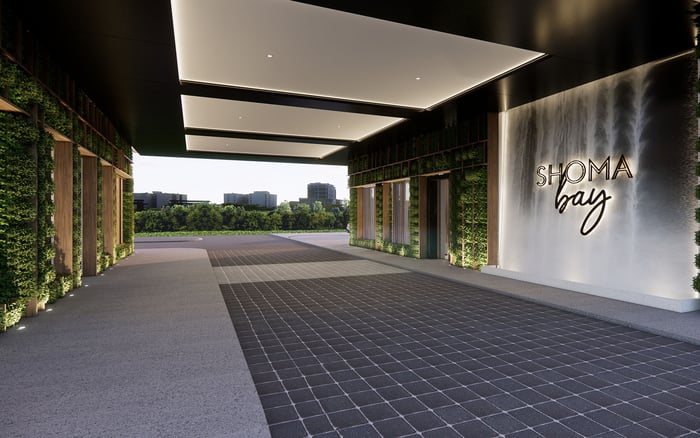
A discreet, buyer-oriented framework for using a pre-construction condominium purchase at Shoma Bay in North Bay Village to support long-horizon family planning, liquidity, and governance.
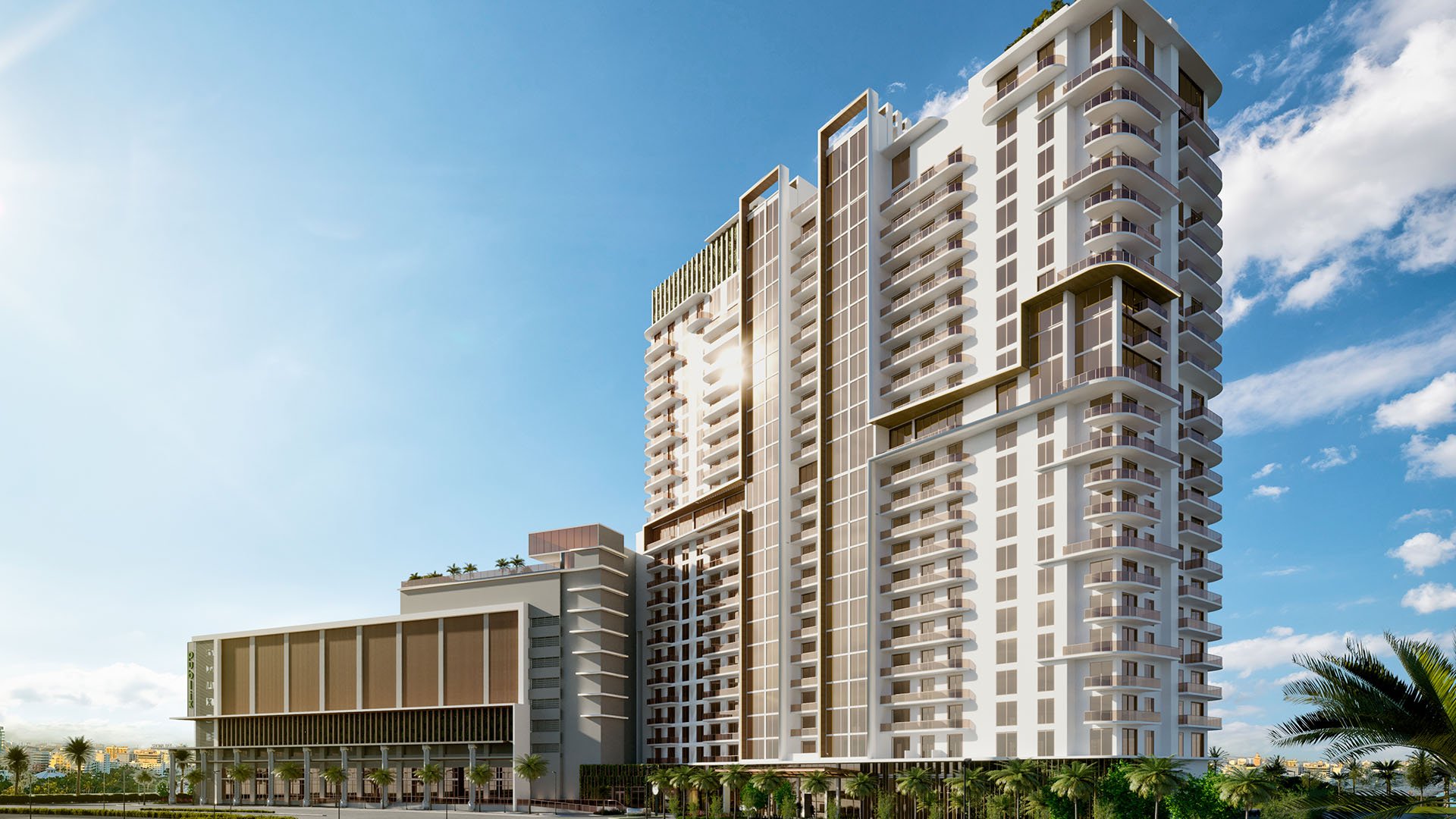
In South Florida’s ultra-premium market, pre-construction is often framed as a tactical move: securing a preferred stack, controlling a future waterfront address, and potentially capturing appreciation between contract and delivery. For families planning in decades, the more useful question is this: how does a pre-construction residence support generational wealth transfer when the priorities are stewardship, governance, and optionality-not short-term yield?
At Shoma Bay North Bay Village, the strategy starts with timing. A pre-construction contract creates a planning runway: you can align title, succession documents, and family decision rules before the asset is delivered and before lifestyle use becomes emotionally anchored. The aim is not simply to “buy early,” but to engineer a future-proof ownership structure while the residence is still on paper.
That runway matters because transferring real estate is rarely only a financial event-it’s an operational one. Who covers carrying costs? Who authorizes renovations? Who uses the home? What happens if a beneficiary needs liquidity? Pre-construction gives you the time to answer those questions in advance, in writing, with less friction.
Generational transfer strategies tend to favor assets that are scarce, legible, and straightforward to administer. A well-positioned new-construction condominium can check those boxes when selected with discipline.
Scarcity isn’t limited to water views or a recognizable address. It also shows up in product type. Newer buildings typically deliver contemporary floor plans, current amenity expectations, and building systems that can be easier to maintain over the long run. For a family-office mindset, the asset’s long-term operability becomes part of the value.
The second advantage is term certainty. A pre-construction purchase usually involves a staged equity commitment rather than a single, immediate cash outlay. For some families, that cadence can better align with liquidity management, philanthropic commitments, and portfolio rebalancing. The objective is to fund the purchase without forcing other assets to be sold at an inconvenient time.
The third advantage is choice architecture. Buying pre-construction often means selecting within a curated set of exposures-elevation, view corridor, layout, and sometimes finish palettes. Even without leaning on building-specific details, the principle is consistent: future resale and rental optionality is heavily influenced by decisions made at contract.
The most common misstep in “legacy condo” planning is treating title as a secondary detail. For generational wealth transfer, ownership architecture is the strategy.
Start with intent. Is this primarily a future primary residence for an heir, a family pied-à-terre, or an investment held within a broader allocation? Each use-case demands a different governance approach.
Then evaluate the ownership vehicle. Many families consider holding through an entity for administrative continuity and privacy. Others prefer direct ownership for simplicity. The right solution depends on your tax and estate plan, but the non-negotiable is operational rules: who can use the home, how costs are shared, and how disputes are resolved.
A practical framework:
Define control. Specify who can approve leasing, capital improvements, and furnishings.
Define liquidity. Decide whether an heir can force a sale, and under what valuation method.
Define funding. Assign who covers assessments, reserves, and owner expenses.
If your family wants a second asset to diversify how different generations use real estate, a paired strategy can reduce friction: one residence optimized for lifestyle and one optimized for pure store-of-value. For example, some buyers balance a North Bay Village position with a Brickell-oriented, globally recognized tower such as 888 Brickell by Dolce & Gabbana, where the narrative is often corporate-access convenience and high-visibility prestige. The point isn’t that one is “better,” but that distinct use-cases can lower the odds of future conflict.
Pre-construction unfolds over time, which allows families to set planning milestones rather than scrambling at delivery.
During the contract phase, determine who will be the contractual purchaser and whether assignment rights matter for optionality. Treat assignment not as an “exit plan,” but as a risk-management tool in case family circumstances change.
During the build period, establish the operational playbook: insurance approach, furnishing strategy, and whether the residence is intended for occasional leasing. If leasing is likely, pre-plan a conservative positioning that respects luxury standards-professional management, consistent maintenance, and a clear guest policy.
As delivery approaches, align financing and liquidity. Even all-cash families benefit from deciding in advance whether leverage will be used for portfolio reasons, rather than as a last-minute reaction to market conditions.
Heirs inherit not only value, but also constraints. The most transferable residences are typically the ones that speak to multiple buyer archetypes.
Prioritize “resale gravity” features that remain legible across cycles: view exposure, efficient layouts, and a sense of arrival. Avoid over-customization that narrows the future buyer pool. The goal is a home that can be held, enjoyed, rented, or sold with equal dignity.
Also weigh generational livability. A legacy residence should work across ages and routines-whether it’s a young professional commuting to Brickell, a family managing school schedules, or a retiree prioritizing ease of access.
If your broader plan includes Miami Beach usage, pairing a North Bay Village residence with a calmer, design-forward beachfront alternative can diversify lifestyle options. 57 Ocean Miami Beach is an example of the kind of Miami Beach positioning families sometimes use for a distinct oceanfront chapter of their South Florida footprint.
North Bay Village often functions as a bridge between Miami Beach energy and mainland convenience. In wealth-transfer planning, that “bridge” quality carries a quiet advantage: it helps keep the residence relevant to multiple generations with different routines.
A founder generation may value privacy and water adjacency. The next generation may care more about proximity to entertainment, restaurants, and professional corridors. A well-chosen North Bay Village address can serve both, without forcing the family to adopt a single lifestyle identity.
This is also why some families benchmark North Bay Village offerings against other nearby, water-oriented new-construction choices. For instance, Continuum Club & Residences North Bay Village is frequently part of the same conversation when buyers are underwriting the area’s long-term prestige and amenity expectations. Viewing the neighborhood comparatively helps you avoid selecting a unit that only works for one very specific buyer profile.
Pre-construction carries distinct risks: timeline uncertainty, market shifts between contract and delivery, and the practical reality of carrying costs once the residence is complete. A generational strategy doesn’t ignore those risks-it plans around them.
Key mitigations include:
Liquidity discipline. Maintain reserves so completion doesn’t force a distressed decision.
Flexibility. Preserve multiple outcomes: hold, rent, sell, or transfer to an heir.
Governance. Put family rules in place while everyone is aligned and calm.
Sophisticated families also separate “paper value” from “lived value.” Even if the market is temporarily choppy at delivery, a well-located residence can still perform as a high-utility family asset. That utility has real economic meaning, particularly when it replaces fragmented hotel stays and consolidates lifestyle spending into a single, appreciating hard asset.
Generational transfer is rarely a single transaction. It’s a sequence.
Some families prefer staged gifting over time, not only for tax planning but for behavioral alignment. Ownership can be matched with responsibilities, such as funding reserves or maintaining the property. The residence becomes a practical training ground for stewardship.
The “family story” matters as well. A legacy asset is easier to preserve when it has a clear narrative: why it was acquired, what it represents, and how it should be used. With pre-construction, you can set that narrative from day one-positioning the home as part of a broader continuity plan rather than a discretionary purchase.
At Shoma Bay, the most durable strategy is to treat the purchase as a long-duration project: secure the right exposure, build the ownership structure early, and define the operating rules before the keys are ever in hand. Pre-construction is not merely an entry point into new-construction; it is a planning window.
Executed well, the result is a residence that can move through life stages: a second home today, an heir’s launchpad tomorrow, and a family-held asset that can be monetized or preserved without urgency.
Is pre-construction appropriate for generational wealth transfer? Yes. The timeline supports deliberate ownership and governance planning before delivery.
What makes a condo “transfer-friendly” to heirs? Broad appeal, efficient livability, and an ownership structure with clear decision rules.
Should the buyer hold title personally or through an entity? It depends on your estate plan, but continuity and administrative clarity are key.
Does pre-construction automatically mean higher returns? No. It can improve entry terms and selection, but outcomes still depend on execution.
How early should a family set governance rules for the property? As early as possible-ideally soon after contract-while decisions are unemotional.
Can this type of residence be used as a family pied-à-terre? Yes, and defining scheduling and cost-sharing rules up front reduces friction later.
What is the role of resale optionality in a legacy plan? Optionality protects heirs who may want liquidity without forcing a distressed sale.
How do families plan for carrying costs after completion? By reserving liquidity and assigning responsibility in advance for ongoing expenses.
Is North Bay Village suitable for multi-generation usage? Often, because it can balance access to Miami Beach and mainland convenience.
Should a family pair North Bay Village with another South Florida location? Sometimes. A second residence can diversify lifestyle use and reduce family conflict.
For a tailored shortlist and next-step guidance, connect with MILLION Luxury.
If branded residences are on your mind — as a home or as an allocation — we would be glad to share what we are seeing, privately.
Begin a quiet conversation