A refined buyer’s guide to evaluating West Palm Beach residences through the lens of wellness, privacy, light, service, amenity programming, and long-term livability.
For the wellness-focused buyer, West Palm Beach is less about a checklist of indulgences than the quality of everyday life. The most discerning purchasers are no longer asking only whether a building has a spa, gym, or pool. They are asking how a residence supports sleep, recovery, movement, sunlight, privacy, social ease, and calm transitions between work and rest.
That distinction matters. A beautiful home can still be poorly suited to wellness if it is noisy at the wrong hours, difficult to move through, overly exposed, or dependent on amenities that feel crowded rather than restorative. The strongest purchase brief begins with personal rhythm: when you wake, how you train, whether you entertain, where you take calls, how much staff access you expect, and how much separation you want from the public realm.
For West Palm Beach wellness buyers, the most compelling choice is rarely the flashiest one. It is the home that makes a healthy day feel intuitive.
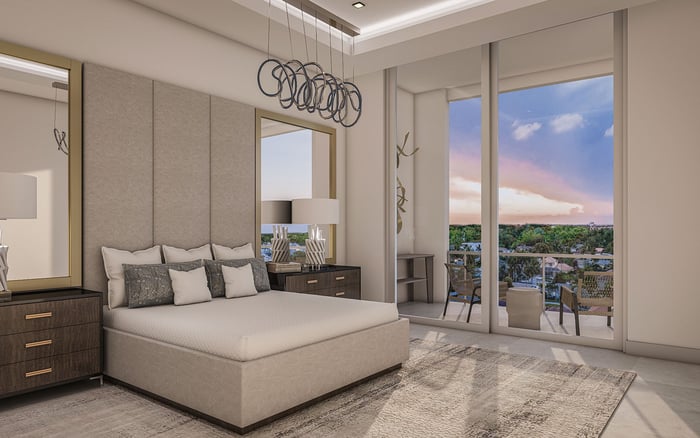
Wellness begins inside the residence. Before considering branded services or amenity decks, study the plan as a daily instrument. Bedrooms should feel protected. Primary baths should allow unhurried rituals. Kitchens should support both private routines and hosted evenings. Terraces, where applicable, should be evaluated for privacy, usability, and how naturally they extend the living room rather than simply decorate the floor plan.
Light deserves close attention. Not all bright homes feel serene, and not all shaded homes feel compromised. A wellness buyer should consider glare, heat gain, morning mood, and the relationship between natural light and the rooms used most often. Quiet is equally important. Elevator adjacency, service corridors, mechanical areas, traffic patterns, and neighboring common spaces can matter as much as views.
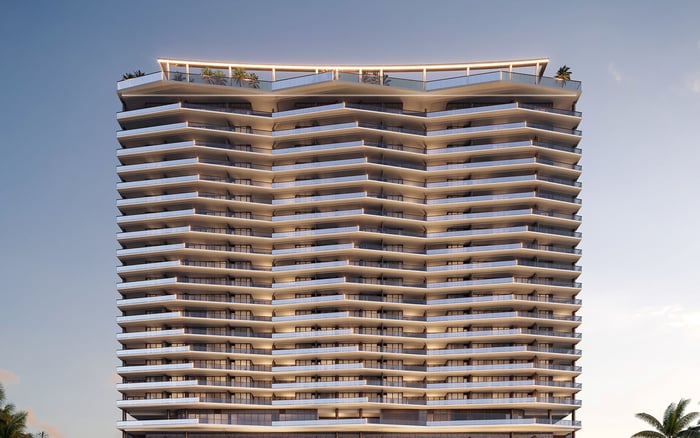
For buyers comparing new and recent residences, Alba West Palm Beach belongs in the broader conversation about how West Palm Beach living is being interpreted through modern condominium design. The key is not to assume that newer automatically means better for wellness. New-construction buyers should still test the residence against their personal day.
The strongest wellness buildings do not treat amenities as decorative inventory. They organize them as a health ecosystem. A fitness area should suit your real training style, whether that means strength, mobility, cardio, private coaching, stretching, or simple daily consistency. A pool should be judged not only by appearance, but also by atmosphere, sun exposure, ease of use, and how the surrounding spaces feel when occupied.
Spa and recovery features should be approached with the same restraint. The question is not how many features appear in a brochure. It is whether the building creates a calm, reliable environment that residents will actually use. The same applies to lounges, dining rooms, gardens, and arrival areas. Wellness is undermined when every shared space feels performative.
This is where a project such as Forté on Flagler West Palm Beach can be considered through a wellness lens rather than a purely visual one. Buyers should ask how the building supports decompression after travel, training before work, and privacy when hosting friends or family.
Luxury wellness is not only about access. It is also about discretion. The right building should allow residents to move from car to residence, from residence to amenity, and from amenity back home with ease. Staff professionalism, visitor management, package handling, maintenance response, and security protocols all shape the emotional temperature of daily life.
For some buyers, wellness means highly serviced living with a social pulse. For others, it means retreat. Neither is superior, but confusing the two can create dissatisfaction. A buyer who wants quiet recovery may not enjoy a building culture built around constant activity. A buyer who wants conviviality may find an overly hushed environment too formal.
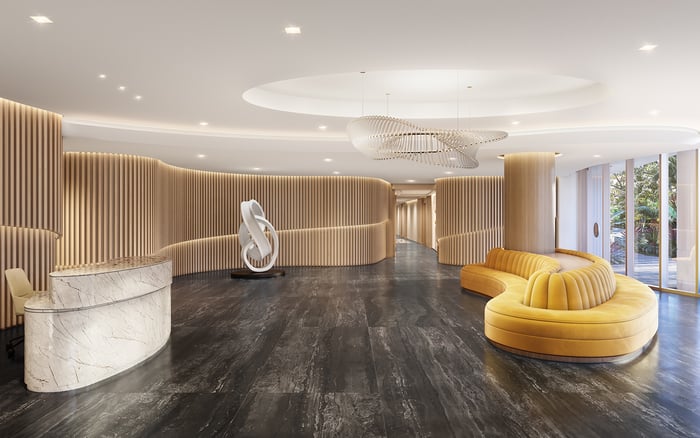
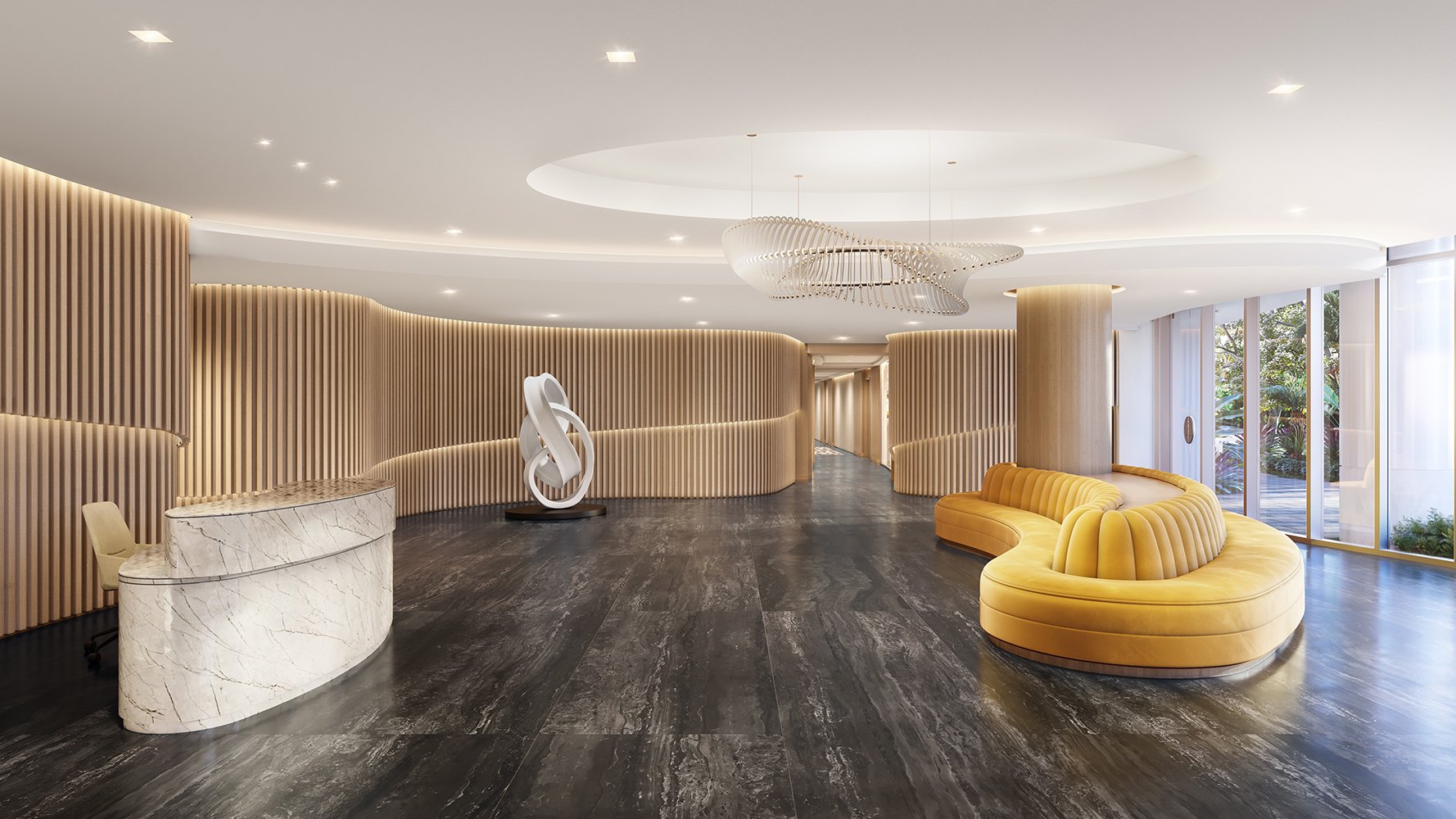
The West Palm Beach decision, then, should include a service-culture interview. How does the lobby feel at different times of day? Are amenity areas calm or heavily trafficked? Does the building feel hotel-like, residential, club-like, or private? A residence such as Mr. C Residences West Palm Beach can be evaluated by asking whether its service identity aligns with the buyer’s preferred lifestyle, not merely by comparing finishes.
Location is not just proximity. It is friction. The right address reduces the number of small decisions that erode a well-composed day. Buyers should think about the routes they will take repeatedly: morning walks, school or family obligations, airport transfers, dining, medical appointments, cultural evenings, marina access if relevant, and the simple pleasure of stepping outside without recalibrating.
Waterfront appeal deserves special care. A waterfront setting can be emotionally restorative, but buyers should still examine exposure, privacy, wind, light, and how often the view will be enjoyed from the rooms that matter most. A dramatic outlook from a room rarely used may be less valuable than gentler light in the spaces where the day begins and ends.
Projects such as Shorecrest Flagler Drive West Palm Beach and The Ritz-Carlton Residences® West Palm Beach can be approached as part of a location and lifestyle comparison. The correct question is not which name is most recognizable. It is which address allows your healthiest routine to repeat with the least resistance.
A wellness-oriented purchase should be both emotional and rigorous. Begin with a written day-in-the-life profile, then tour with that profile in hand. Stand in the bedroom and imagine the first hour of the morning. Sit in the main living area and consider evening quiet. Walk the amenity spaces as if you already live there. Ask how guests arrive, where service providers enter, and how private the residence feels when the building is active.
Financial discipline remains essential. Wellness features can enhance desirability, but they should not distract from fundamentals: floor plan quality, building management, privacy, durability, service standards, and the match between the residence and likely future demand. The most resilient wellness purchase is not the one with the longest amenity list. It is the one whose design, location, and operating culture remain appealing after novelty fades.
For West Palm Beach buyers, the opportunity is to define luxury in personal terms. The best residence should feel like a private framework for energy, recovery, connection, and calm.
What should a wellness-focused buyer prioritize first? Start with the daily routine: sleep, light, quiet, movement, privacy, and how easily the residence supports each one.
Are wellness amenities more important than the floor plan? No. Amenities matter, but the residence itself determines how wellness feels during the majority of the day.
How should I compare fitness spaces between buildings? Judge them by your actual training habits, peak-hour comfort, privacy, ventilation, and whether you would use them consistently.
Is a waterfront residence always better for wellness? Not automatically. A calming view can be valuable, but light, privacy, noise, and room usability are just as important.
Should wellness buyers focus only on new-construction? No. New-construction can offer modern systems and design, but each residence still needs to be tested against your routine.
How important is building service culture? Very important. Service culture affects privacy, ease, security, maintenance, and the overall emotional tone of daily life.
What should I look for during a private showing? Spend time in the bedroom, living room, terrace, lobby, and amenity areas, then ask whether each space feels restorative.
Can wellness-focused homes also be good for entertaining? Yes, if the plan separates private areas from social spaces and allows guests to arrive and circulate comfortably.
How do I avoid overpaying for wellness branding? Separate marketing language from practical value by focusing on design quality, operating standards, privacy, and usability.
Who is the ideal West Palm Beach wellness buyer? A buyer who values calm, service, privacy, and daily ease as much as finishes, views, and recognizable names.
To compare the best-fit options with clarity, connect with MILLION.
If branded residences are on your mind — as a home or as an allocation — we would be glad to share what we are seeing, privately.
Begin a quiet conversation