A discreet guide for San Francisco buyers evaluating Fisher Island and other South Florida private-club residences through privacy, service, access, governance, and long-term fit.
For a San Francisco buyer considering Fisher Island, the first question is not square footage, view corridor, or whether a residence feels impressive on arrival. It is whether the property protects the way you want to live. Private-club residences are purchased as much for rhythm as for real estate: arrival, discretion, dining, wellness, guest control, security posture, family flow, and the ability to move through the day without friction.
This is not a conventional relocation decision. A buyer moving from a high-intensity West Coast environment may be seeking a different register of privacy, service, and social proximity. Fisher Island sits at the center of that conversation because its residential identity is inseparable from the private-club mindset. The strongest decision comes from comparing how each residence supports your daily rituals, then testing whether the club ecosystem still feels natural after the novelty fades.
The strongest private-club purchases tend to begin with restraint. Buyers who define their nonnegotiables early avoid being seduced by finishes that do not answer the deeper questions: how often will you be in residence, who will use it when you are away, how formal should service feel, and how private must private truly be?
Fisher Island should be evaluated as a complete living environment rather than a single address. For some buyers, the appeal is the sense of separation. For others, it is the residential scale, the social layer, or the ability to keep leisure, family, and entertaining within a controlled setting. The right residence should make those priorities easier, not merely advertise them.
Within that frame, projects such as The Residences at Six Fisher Island invite a buyer to think carefully about how a home participates in the island’s private residential language. Nearby, The Links Estates at Fisher Island is the type of name that naturally enters the conversation when buyers are weighing Golf adjacency, estate-like privacy, and the desire for a more grounded residential presence.
The question is not which property sounds most exclusive. It is which one will be easiest to inhabit. A residence that works for quiet weekday use may not be ideal for large family gatherings. A home that feels right for winter entertaining may be less suitable if children, staff, visiting parents, or business guests will move through it regularly. The club context magnifies these details because the home and its surroundings are experienced together.
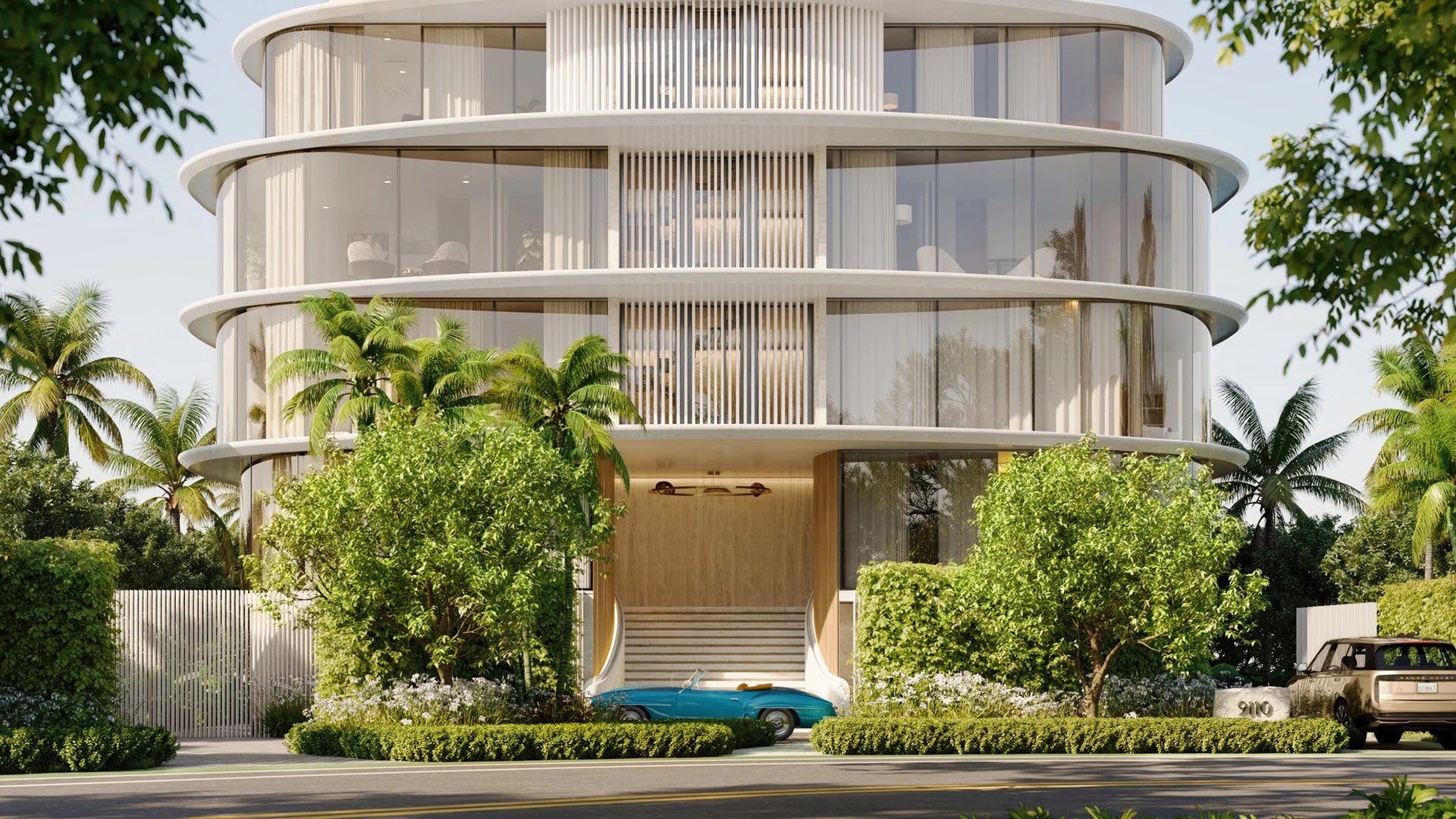
Private-club living depends on how one arrives. San Francisco buyers accustomed to layered urban logistics should examine the full path from airport to residence, from residence to dining, from residence to beach or boat, and from residence to guest accommodation. Convenience is not the same as privacy, and privacy is not always the same as ease.
A good showing should include more than the residence itself. Walk the route you expect to use. Ask how packages, vendors, guests, staff, and household support are handled. Clarify what happens during peak social periods and how access is managed when multiple family members arrive separately. The practical details will reveal whether the private-club promise is truly aligned with your household.
Waterfront buyers should be equally disciplined. The word Waterfront can describe a mood, a view, or a way of living, and each carries different implications for light, exposure, entertaining, and maintenance expectations. A private-club residence should feel serene in brochure photography and, more importantly, in the ordinary hours when you are returning from travel, hosting dinner, or spending a quiet morning without an agenda.
Every private-club residence has two forms of value: the private home and the shared environment around it. That shared environment is governed by rules, expectations, budgets, social customs, and service standards. Sophisticated buyers review those elements early, preferably before emotional attachment takes over.
Look closely at membership obligations, use rights, renovation procedures, rental limitations if relevant, pet policies, guest protocols, assessments, insurance obligations, and the relationship between the residence and club amenities. None of these items are glamorous, but together they determine whether ownership feels seamless or constrained.
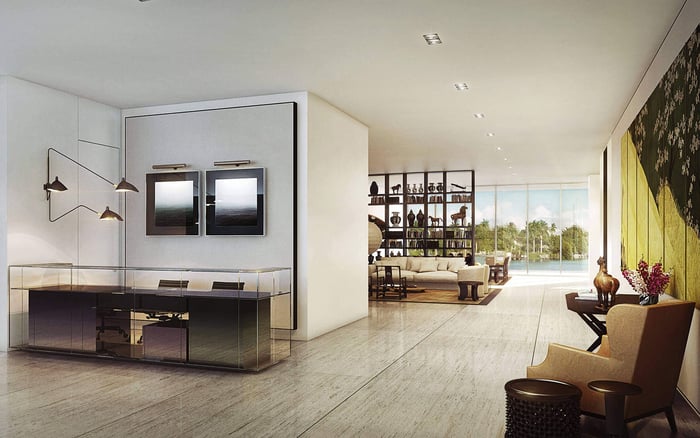
Service culture is equally personal. Some buyers want polished formality. Others prefer warmth, speed, and invisibility. Neither is inherently better. What matters is whether the service language matches how you live. Branded Residences can be compelling when a buyer values a defined hospitality standard, but brand alone should never substitute for a detailed review of governance, staffing, and owner control.
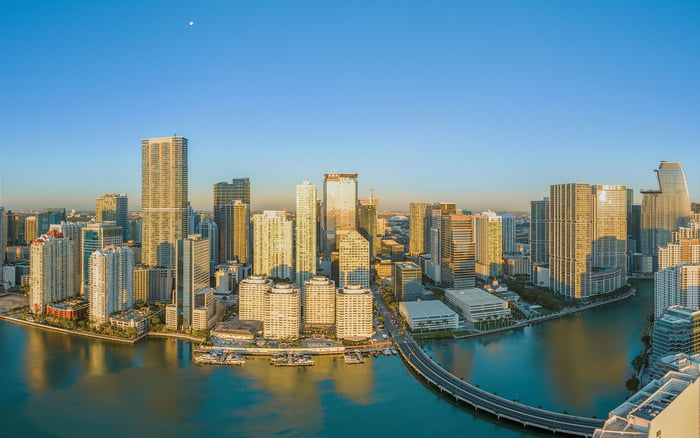
A San Francisco buyer may begin with Fisher Island and still benefit from comparing other South Florida expressions of privacy. Miami Beach, Surfside, Bal Harbour, Coconut Grove, Fort Lauderdale, Palm Beach, and Boca Raton can each offer a different answer to the same question: how much club structure do you want around your residence?
For a buyer who wants the prestige of an island context, Palazzo del Sol may enter the discussion as part of a broader Fisher Island review. For another buyer, Palazzo della Luna may be considered through the lens of privacy, arrival, and household scale. These names should not be treated as interchangeable. They should be tested against the owner’s actual pattern of use.
Beyond Fisher Island, a residence such as The Surf Club Four Seasons Surfside may appeal to buyers who want a storied coastal setting with a strong hospitality identity, while still remaining outside the Fisher Island framework. The comparison is useful because it clarifies temperament. Do you want the contained nature of an island club, or do you prefer a private-feeling residence with easier connection to surrounding neighborhoods?
Before making a private-club purchase, organize diligence around lifestyle rather than documents alone. Legal review is essential, but the buyer’s lived experience is shaped by smaller operational details.
Start with use. Determine whether the home will be primary, seasonal, or occasional. Then map who will occupy it, who may visit, and who will manage it in your absence. Next, review physical attributes: bedroom separation, staff circulation, elevator experience, storage, parking, terrace usability, natural light, acoustic privacy, and how the residence handles formal versus informal entertaining.
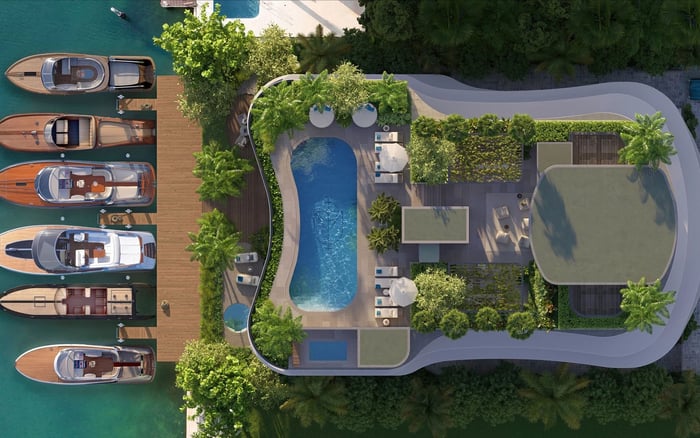
Then examine the community layer. Golf, Marina access, wellness, dining, beach use, social programming, and guest rules should be understood as part of the purchase, not extras. If a buyer owns yachts, collects cars, travels with staff, or hosts frequently, the operational structure may matter as much as the residence itself.
Finally, consider exit discipline. Private-club residences can be highly personal purchases, which is part of their appeal. Yet resale depends on how clearly the property communicates enduring value to the next buyer. Flexible layouts, timeless materials, manageable carrying costs, and a governance structure that feels stable are often more persuasive than trend-driven design.
The best private-club residence is the one that becomes quieter over time. It does not require constant explanation. It accommodates family without turning into a hotel. It welcomes guests without surrendering control. It offers access without reducing privacy. It gives the owner a sense of arrival without theatricality.
For San Francisco buyers, the move to Fisher Island is often less about leaving one city than choosing a different architecture of daily life. South Florida’s most compelling residences do not merely offer sun, water, and service. They offer a structure for living well when privacy, time, and ease are the real luxuries.
Is Fisher Island a good fit for a San Francisco buyer? It can be, particularly for buyers seeking a private-club residential setting and a more controlled daily environment. The fit depends on access, service expectations, family use, and comfort with the community structure.
Should I choose a condo, estate-style residence, or club-oriented home first? Begin with lifestyle, then select the format. The right property type should support how often you visit, who uses the home, and how much privacy you require.
How important is club governance in the purchase? It is central. Rules, fees, access rights, guest policies, and renovation procedures shape the ownership experience as much as the residence itself.
What should I review before touring private-club residences? Define your use case, guest patterns, staffing needs, parking requirements, and appetite for formal service. Those answers make each showing more productive.
Does Waterfront living always mean better value? Not automatically. Waterfront appeal should be balanced against privacy, exposure, maintenance considerations, layout, and long-term usability.
Is Golf access a primary reason to buy on Fisher Island? For some buyers, Golf is a core lifestyle driver. For others, it is secondary to privacy, service, and the island’s residential atmosphere.
How should I think about Marina needs? Treat Marina access as an operational question, not a decorative amenity. Confirm how your boating habits align with the residence and community rules.
Are Branded Residences better for private-club buyers? They may suit buyers who value a recognizable service culture. Still, governance, location, layout, and privacy should drive the final decision.
Can a private-club residence work as a seasonal home? Yes, if management, access, security, and maintenance are well organized. Seasonal buyers should pay close attention to how the home functions when vacant.
What is the most common mistake in this category? The mistake is buying the most dramatic property rather than the most livable one. A private-club residence should feel effortless after the first impression passes.
When you're ready to tour or underwrite the options, connect with MILLION.
If branded residences are on your mind — as a home or as an allocation — we would be glad to share what we are seeing, privately.
Begin a quiet conversation