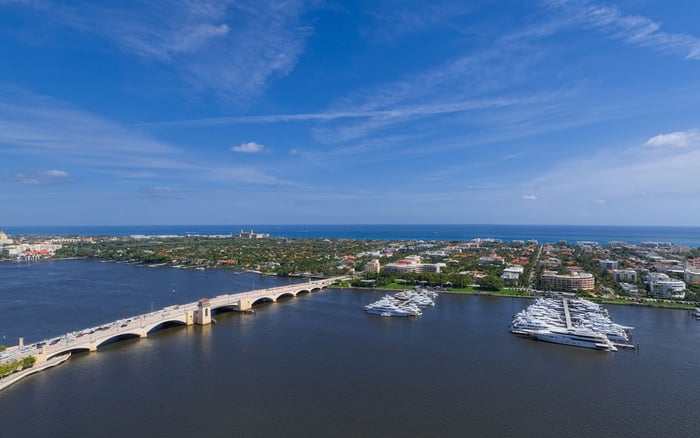
A practical luxury buyer’s guide to evaluating new-resident onboarding before purchasing in West Palm Beach, with questions on service, privacy, vendors, guests, pets, deliveries, and daily building culture.

In West Palm Beach luxury real estate, the first impression is rarely the lobby. It is the handoff. A beautiful residence feels effortless only when the building, association, management team, and owner are aligned before the moving truck, art installer, pet walker, housekeeper, chef, driver, family office contact, and overnight guest ever arrive.
For buyers comparing Alba West Palm Beach with other offerings in the city, new-resident onboarding belongs among the core due diligence categories, not in the afterthought column. The right questions reveal how the property actually functions once the closing celebration is over.
Begin with a simple question: who is responsible for onboarding the new resident? In a luxury building, the answer should be specific. Ask whether there is a designated resident services contact, management office lead, concierge team, or transition specialist coordinating documents, access, move scheduling, vehicle registration, package preferences, and service introductions.
Then ask when that person becomes available. Is onboarding initiated after contract, before closing, at closing, or only after deed transfer? A refined arrival often depends on early coordination. If your residence requires designer walkthroughs, technology setup, furniture deliveries, insurance certificates, staff access, or climate-sensitive art handling, the timeline matters.
Buyers considering Forté on Flagler West Palm Beach or similarly positioned properties should ask for a sample onboarding checklist. The document does not need to be theatrical. It needs to be clear, complete, and operational.
The most elegant ownership experiences are built on unglamorous clarity. Before buying, ask for the rules governing moves, elevator reservations, deliveries, contractors, designers, pets, valet use, parking, guest access, brief visits by service providers, and extended stays by family or household staff.
The issue is not whether rules exist. In a sophisticated building, they should. The issue is whether they are predictable and compatible with your life. A buyer who entertains frequently should understand guest registration. A buyer with a rotating household team should understand recurring access. A buyer arriving seasonally should know how the residence is prepared before arrival and secured after departure.
If you are evaluating Mr. C Residences West Palm Beach, ask how hospitality expectations translate into residential operations. The best buildings make service feel personal without allowing privacy to become porous.
Privacy is not only a security feature. It is a culture. Ask how the building handles visitor logs, vendor arrivals, guest permissions, staff badges, package release, elevator access, and resident communications. Who can see your preferences? Who can authorize access? How are changes documented?
For ultra-premium buyers, privacy also extends to rhythm. Can recurring vendors be scheduled without daily friction? Can a family member arrive before the owner? Can a driver wait discreetly? Can deliveries be staged without drawing attention? The answers reveal whether the building is accustomed to managing complex households or only simple move-ins.
A residence may have superb design, but if every request becomes a negotiation, the ownership experience will feel less private and less refined.
Amenities are visible. Communications are lived. Ask how residents receive building notices, service updates, maintenance alerts, event information, access confirmations, and emergency instructions. Is there a portal, email protocol, mobile platform, front desk call procedure, or direct management contact? Are preferences captured during onboarding?
This matters because luxury owners often travel. They may be abroad, in Palm Beach, in New York, aboard a yacht, or managing several homes. The onboarding process should establish how the building communicates with the owner, spouse, assistant, property manager, or family office. Ask whether multiple contacts can be recorded and what authority each contact may have.
For buyers comparing Shorecrest Flagler Drive West Palm Beach, communications should be assessed with the same care as floor plan, view, and finish package.
Move-in policies can shape the first month of ownership. Ask which days and hours are permitted, whether elevator pads are required, how far in advance reservations must be made, where trucks may stage, what insurance documents are needed, and whether there are restrictions on simultaneous deliveries.
Also ask about post-closing access. Can installers enter before the owner is present? Can closets, lighting, window treatments, audio systems, and furnishings be coordinated in phases? Are there quiet hours that affect installation work? A highly customized residence may require a carefully sequenced arrival, especially when multiple vendors are working in the same week.
A buyer considering The Ritz-Carlton Residences® West Palm Beach should ask how the building distinguishes between hospitality-level service and private residential governance. Both can be valuable, but they are not the same thing.
Many buyers ask about square footage before asking how their lives actually move through the building. Pets, vehicles, and household staff often reveal the true fit.
Ask whether pet onboarding includes registration, vaccination documentation, designated entry protocols, walking areas, elevator rules, or size and number limitations. Ask how valet, self-parking, guest parking, charging access, and service vehicles are handled. Ask how housekeepers, nannies, chefs, trainers, nurses, assistants, and property managers are registered.
These are not minor details. They determine whether daily life feels fluid or interrupted. A building that welcomes your lifestyle in theory may still require procedures that change how you live.
Service language can be seductive. Onboarding makes it measurable. Ask what the concierge can and cannot do. Can the team receive certain deliveries, coordinate reservations, prepare arrival preferences, arrange maintenance access, or liaise with approved vendors? Are there fees, limitations, blackout periods, or approvals?
Ask how complaints are escalated. Ask who handles after-hours issues. Ask how residents are introduced to management and building personnel. Ask whether the building conducts a walkthrough with the new owner to review access, technology, mail, packages, amenities, emergency procedures, and contact preferences.
The goal is not to burden the buying process. It is to remove uncertainty before it becomes expensive or irritating.
A strong onboarding program does not end when keys are issued. Ask what happens in the first week and first month after closing. Is there a follow-up call? Are preferences reviewed? Does management confirm that access credentials work, parking is correct, vendor permissions are accurate, and communications are reaching the right people?
For West Palm Beach buyers, this is where the difference between a handsome address and a quietly excellent residence becomes visible. The most desirable ownership experience is not louder. It is smoother, more discreet, and better prepared.
Why should onboarding matter before buying? It shows how the building will handle your real life after closing, including access, staff, deliveries, guests, and communication.
When should I ask for onboarding details? Ask during due diligence, before your timeline depends on rules you have not reviewed.
Should I request an onboarding checklist? Yes. A checklist helps confirm whether the building has a repeatable process rather than informal promises.
What should seasonal owners ask? Ask how arrivals, departures, access permissions, deliveries, and emergency contacts are handled while you are away.
How should I evaluate concierge service? Ask what is included, what requires approval, what carries fees, and what the team cannot do.
Are pet rules part of onboarding? They should be. Registration, access routes, documentation, and restrictions can affect daily comfort.
What about household staff? Ask how recurring staff are approved, identified, scheduled, and removed from access when needed.
Should my assistant or family office be included? If they will manage the residence, ask how they are registered and what authority they may exercise.
Can onboarding affect resale appeal? Yes. A well-managed arrival experience often reflects broader operational discipline within the property.
What is the biggest red flag? Unclear responsibility. If no one owns onboarding, small issues can become daily friction.
For a discreet conversation and a curated building-by-building shortlist, connect with MILLION.
If branded residences are on your mind — as a home or as an allocation — we would be glad to share what we are seeing, privately.
Begin a quiet conversation