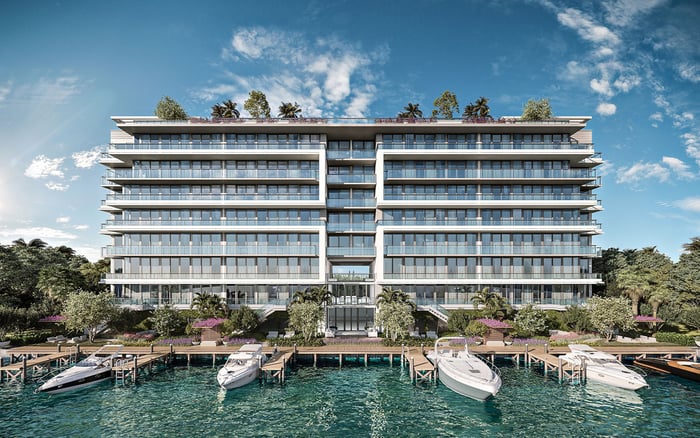
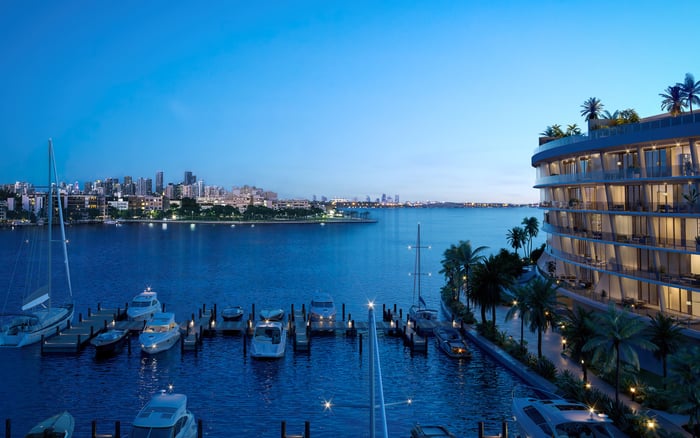
A discreet buyer’s guide to evaluating The Well Bay Harbor Islands through the lens of boating, dock logistics, waterfront living, governance, and long-term usability.
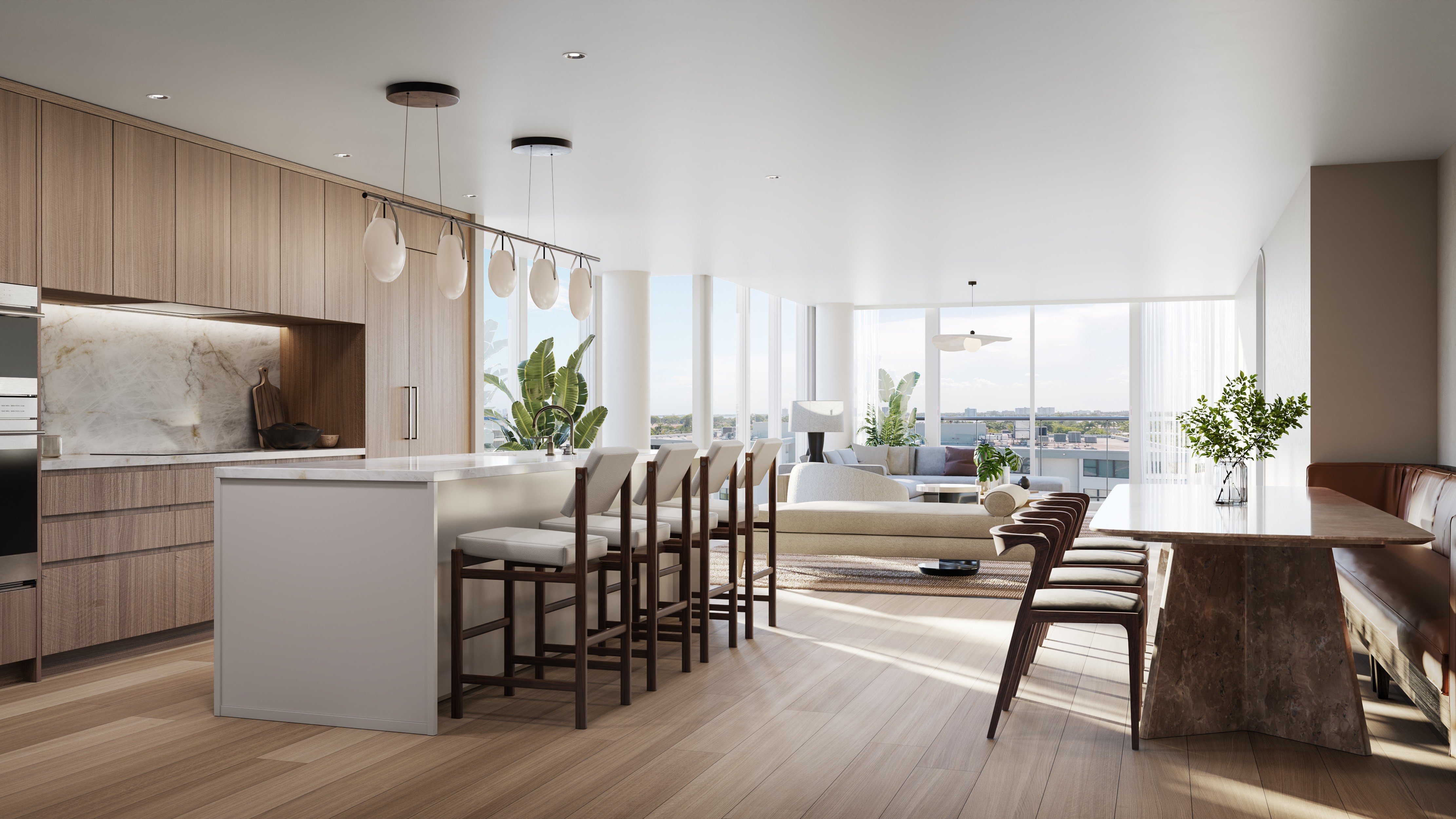
For a boating buyer, the first tour of The Well Bay Harbor Islands should not begin in the lobby. It should begin with a map, the water approach, and a precise understanding of how the residence will support the way the owner actually uses a boat. A beautiful home can still feel inconvenient if every departure involves compromise around dockage, provisioning, guests, parking, storage, or tender logistics.
Bay Harbor Islands attracts buyers who want a quieter residential rhythm while remaining close to the wider Miami Beach and Bal Harbour orbit. For the yachting-minded, that intimacy is central to the appeal. It also makes diligence more important. Not every waterfront or near-waterfront address solves the same problems, and not every buyer needs the same solution. A weekend cruiser, a center-console owner, a family with children, and an owner who keeps a larger yacht elsewhere will each evaluate the address differently.
The smartest question is not simply whether the building feels luxurious. It is whether the building makes the boating life easier, calmer, and more predictable.
The most direct question is also the one buyers sometimes postpone: where does the boat live? If there is a Boat-slip component, ask whether access is deeded, assigned, leased, shared, seasonal, or subject to association approval. If there is no dedicated slip, ask which nearby Marina options are realistic, how long the drive or walk feels with gear in hand, and whether valet, loading, and guest-arrival patterns support boating days.
A slip is not just a place to tie up. It can influence insurance, maintenance, scheduling, and resale conversations. Buyers should ask about dock rules, guest vessels, contractor access, hurricane planning, power and water availability, and whether size, beam, draft, or lift restrictions apply. If answers are still evolving, that does not automatically weaken the address, but it does change the buyer’s risk analysis.
For many owners, the right arrangement may be a hybrid: a refined residence at The Well Bay Harbor Islands paired with off-site dockage suited to the actual vessel. That can work elegantly, provided the daily friction has been examined before contract, not after closing.
Boating convenience is often hidden in small movements. From the residence, how does an owner get to the car, the loading zone, the dock, the club, or the marina? Can fishing rods, coolers, dive bags, paddleboards, children’s gear, and wet towels move through the property without feeling improvised? Where does the owner rinse, store, dry, and reset after returning?
This is where a buyer should look beyond the Waterview. A view can frame the emotional value of the home, but the use pattern determines whether the property feels effortless. Ask about elevator flow, storage rooms, service corridors, package handling, pet movement, bicycle or paddle storage, and the association’s tolerance for equipment in common areas. New-construction residences may offer a polished first impression, but the operating rules will define how that polish performs in real life.
Also consider the household calendar. If boating days include early departures, visiting friends, private chefs, captains, children, or elderly relatives, the address must support that choreography. Luxury is not only about finishes. It is about reducing resistance.
Bay Harbor Islands buyers often study several addresses before deciding what kind of waterfront relationship they want. The exercise should be disciplined, not emotional. A buyer comparing La Baia North Bay Harbor Islands, Onda Bay Harbor, and Origin Bay Harbor Islands should focus on how each address handles arrival, privacy, water orientation, storage, service, and rules rather than assuming all island residences function alike.
That same discipline applies when considering established or emerging alternatives such as Bay Harbor Towers. The question is not which name sounds most impressive. It is which building best matches the owner’s true boating profile.
In the Bay-harbor conversation, proximity can be seductive. Yet a few minutes gained or lost matters less than whether the routine is dependable. Ask how an owner will live on a Saturday morning, how guests will arrive, where gear will go, and what happens when weather changes the plan.
For boating buyers, association documents can be as meaningful as floor plans. Rules may affect dock access, guest use, deliveries, service providers, noise, pets, short-term guests, watercraft storage, and the hours when loading is appropriate. These details are not glamorous, but when well designed, they protect the experience; when vague, they create frustration.
Buyers should ask for clarity around maintenance responsibilities, common-area protections, insurance expectations, storm procedures, and any limits related to maritime contractors. If a captain, mate, or maintenance vendor needs access, how is that handled? If a buyer travels often, who can supervise the vessel or related logistics? If the residence is a second home, what systems exist when the owner is away?
The deeper point is governance. A refined building with a thoughtful resident culture can make waterfront living feel private and composed. A building with unclear rules can make even a beautiful setting feel operationally loose.
The Well Bay Harbor Islands may appeal to buyers who care about atmosphere, routine, and a more measured residential life. For boating owners, the ideal is a home that supports restoration on shore and freedom on the water. That balance depends on quiet arrival, privacy, thoughtful circulation, and practical support for days that begin or end outside the typical residential script.
Before choosing the address, buyers should write down their own boating habits with unusual honesty. How often will the boat be used? Who manages it? Is the vessel central to the lifestyle or a weekend accessory? Will friends meet at the residence or at the marina? Is the owner seeking a primary home, a seasonal base, or a lock-and-leave retreat?
The right answer may still be The Well Bay Harbor Islands. But the decision should rest on how the address behaves on an ordinary boating day, not only how it presents during a private showing.
Is The Well Bay Harbor Islands a good fit for boating buyers? It can be a compelling address for buyers who value Bay Harbor Islands and confirm that dockage, marina access, and daily logistics match their vessel use.
What is the first boating question to ask before buying? Ask where the boat will be kept and whether that arrangement is assigned, deeded, leased, shared, nearby, or separate from the residence.
Should I prioritize a Waterview or a Boat-slip? A Waterview supports the emotional experience of the home, while a Boat-slip supports practical use. The stronger priority depends on how often you are on the water.
Why do Marina options matter if the residence feels close to the water? Nearby Marina access can determine how easily you provision, board guests, maintain the boat, and depart without friction.
What should I review in the association documents? Review rules on dockage, storage, deliveries, service providers, guest access, storm procedures, and common-area use.
How should New-construction buyers think about boating logistics? New-construction appeal should be tested against operating details, because rules and circulation determine how the building performs day to day.
Can off-site dockage still work for a luxury buyer? Yes, if the off-site arrangement is convenient, secure, and aligned with the owner’s schedule, vessel size, and service expectations.
What makes Bay-harbor different from larger waterfront markets? Bay-harbor offers a more intimate residential feel, which makes privacy and logistics especially important for buyers who boat often.
Should I compare The Well Bay Harbor Islands with other local projects? Yes. Comparisons help clarify whether the address best supports your preferred balance of privacy, water access, amenities, and daily rhythm.
What is the best way to tour as a boating buyer? Tour with a boating checklist that covers dockage, loading, storage, marina access, guest arrival, service access, and storm planning.
To compare the best-fit options with clarity, connect with MILLION.
If branded residences are on your mind — as a home or as an allocation — we would be glad to share what we are seeing, privately.
Begin a quiet conversation