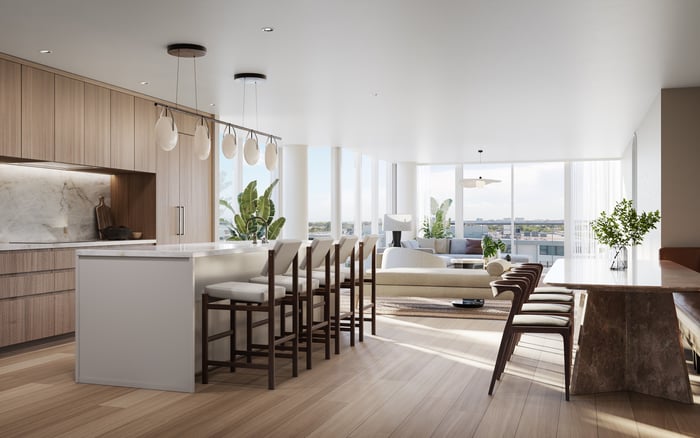
A practical comparison of The WELL Bay Harbor Islands and Alma Bay Harbor Islands for cash buyers evaluating leverage, closing risk, and targeted concessions.
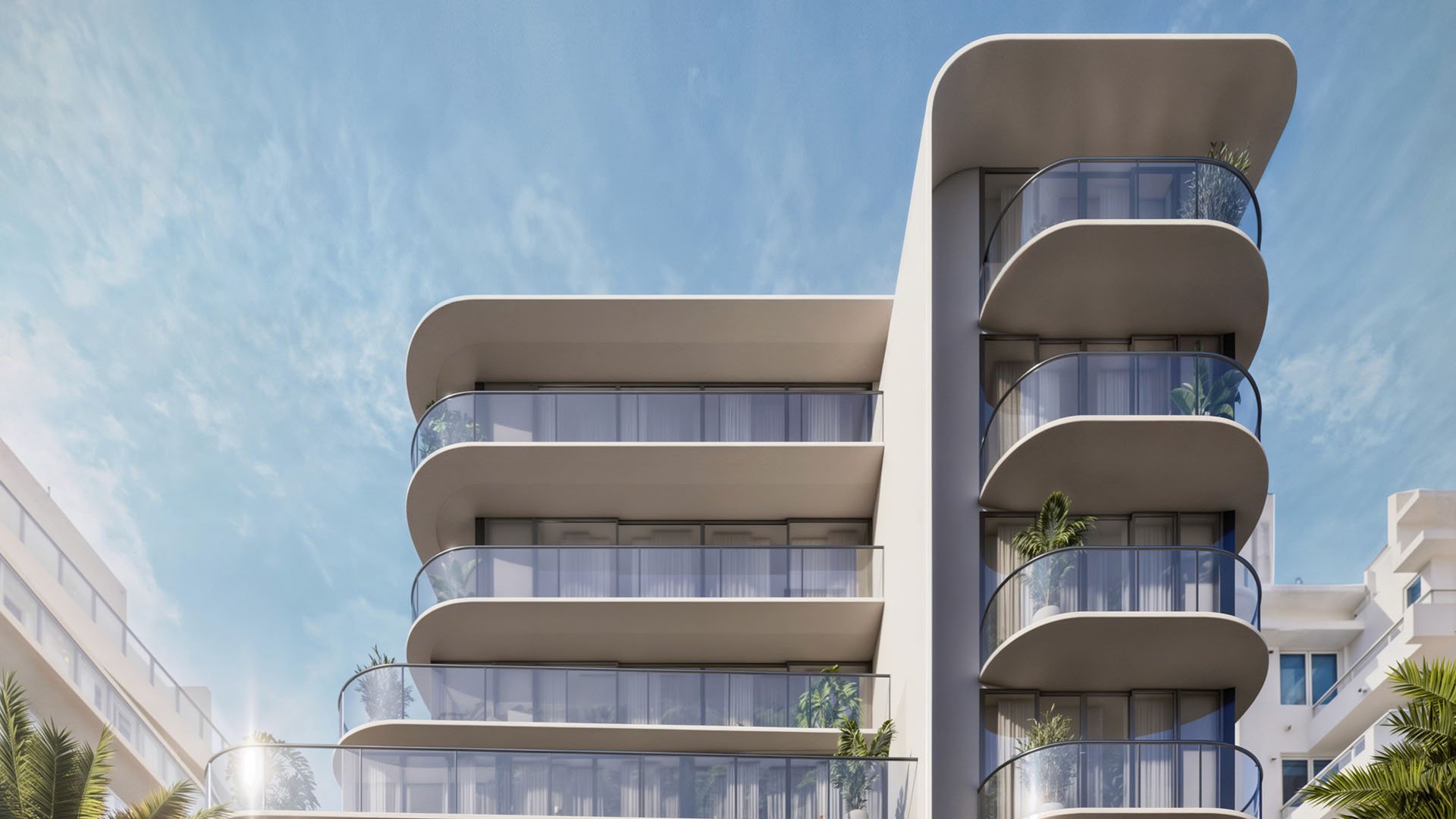
For a luxury buyer comparing The WELL Bay Harbor Islands and Alma Bay Harbor Islands, the easy conversation is taste. One buyer may be drawn to a deeper wellness proposition, richer amenity programming, and the daily ritual of a branded lifestyle environment. Another may prefer privacy, architectural restraint, and the quieter rhythm of a boutique residential building.
The more useful question is sharper: where does a cash buyer have the cleanest leverage, the lowest closing risk, and the greatest ability to negotiate concessions without compromising the quality of the purchase?
That is a practical analysis, not an emotional one. The answer may vary by residence, floor, exposure, layout, release stage, and the developer’s current need. A cash offer can be powerful, but only when it solves a problem for the seller. In new-construction and pre-construction luxury condominiums, cash is not merely money. It is certainty, speed, and the removal of financing friction.
The WELL is the more wellness-centric and amenity-forward option in this comparison. Its appeal is not limited to finishes or a particular residence plan. It is tied to a broader daily-use proposition: wellness programming, services, amenity depth, and the sense that the building’s identity is part of the ownership experience.
That positioning can support stronger pricing power. A developer with a clearly differentiated concept may have less incentive to reduce headline pricing, particularly if the brand narrative is resonating with buyers who value lifestyle infrastructure as much as square footage. In that setting, a cash buyer should not assume that liquidity alone will produce a visible discount.
The better tactic is precision. Instead of asking only for a lower price, a buyer may explore targeted concessions: closing-cost participation, modified deposit timing, included upgrades, parking or storage terms, or other contract-level adjustments. The developer may be more willing to preserve published pricing while improving the economics around the edges.
For some buyers, that is a better result than a small nominal price reduction. If the residence is the right fit and the building’s wellness identity has long-term personal value, the negotiation should focus on certainty and total ownership value rather than simply winning a percentage point.
Alma Bay Harbor Islands is framed differently. It is the more boutique and design-driven option, with a stronger emphasis on privacy, architectural character, and residential scale. That makes the negotiation analysis more intimate and more unit-specific.
In a smaller Bay Harbor Islands project, one serious cash buyer can matter more than in a large tower, because each sale represents a larger share of the remaining inventory. That does not guarantee a discount. It does mean the buyer’s timing, certainty, and contract cleanliness may carry more weight if the developer is working toward a sales, financing, or absorption milestone.
Here, leverage is likely to turn on the particulars. Is the residence a highly desirable layout, or one that needs a more specific buyer? Is the exposure, terrace configuration, or waterview profile more broadly appealing? Is the developer more motivated at this stage to secure a clean contract, or is it holding firm because the best inventory is still moving?
Alma may suit buyers who place a premium on discretion. Boutique scale can make the residence feel less like a resort and more like a private home in a refined coastal enclave. For that buyer, negotiation should protect the core reasons for choosing the building: privacy, design integrity, and a quieter residential experience.
Many affluent buyers overestimate what cash does. Cash does not automatically make a developer capitulate on price. In a disciplined luxury project, visible price cuts can affect future sales psychology and perceived market position. Developers often prefer concessions that protect the public pricing structure.
Cash is most valuable when it removes uncertainty. A clean, fast, non-contingent buyer can help a developer meet internal goals, reduce execution risk, or replace a less certain purchaser. That is why the strongest cash offer is not merely a proof-of-funds letter. It is a complete proposal with defined timing, clear deposits, minimal contingencies, and a rational request.
For The WELL, the cash argument may be strongest when the buyer can close efficiently while accepting the project’s branded value proposition. For Alma, the argument may be strongest when the buyer’s chosen residence is more negotiable due to layout, timing, or inventory position.
In either case, the offer should be written around what the developer needs, not what the buyer hopes cash will command.
Closing risk should be separated from price negotiation. A larger concession is not useful if the contract terms, construction timing, delivery certainty, financing structure, or completion conditions create avoidable uncertainty.
A sophisticated buyer should review deposit structure, closing timing, included finishes, parking, storage, developer-paid costs, assignment flexibility, and any material conditions that could affect the path from contract to ownership. The question is not simply, “How much can I get off?” It is, “What am I actually receiving, when am I receiving it, and under what obligations?”
This is especially important in Bay Harbor Islands, where the submarket’s appeal is tied to scale, location, and lifestyle subtlety rather than sheer tower spectacle. A Bay Harbor buyer who wants a calm, high-quality residence should be careful not to let a concession obscure weak terms.
The WELL is likely the better fit for the buyer who wants services, programming, and wellness-oriented amenities to be part of daily life. This buyer may accept less headline discount flexibility if the overall building concept feels differentiated and durable.
Alma is likely the better fit for the buyer who wants boutique privacy, design character, and a quieter residential environment. This buyer may find that leverage depends more heavily on the specific residence and the developer’s sales-stage needs.
Neither profile is inherently more rational. The practical question is whether the buyer’s priorities align with the project’s strongest value proposition. The Well Bay Harbor Islands may appear in search shorthand, but the evaluation should remain disciplined: lifestyle fit first, then contract quality, then concession strategy.
A strong buyer should avoid scattershot demands. The most effective approach is to identify the developer’s current need and propose a concession package that is valuable but reasonable. That may mean asking for a cleaner deposit schedule instead of a public price reduction, or pairing a faster contract timeline with a specific credit or upgrade request.
The strongest offers are rarely the loudest. They are clear, financeable, and easy for the developer to approve. They also recognize that negotiation is not only about winning today. It is about owning the right residence under terms that still feel intelligent at closing.
For cash buyers, the most elegant strategy is to use liquidity as a form of credibility. If the developer values speed and certainty, the buyer may gain room on secondary economics. If the developer is protecting pricing, the buyer may still achieve a better net result through concessions that do not disturb the building’s public posture.
Is The WELL or Alma more negotiable for a cash buyer? It depends on current inventory, unit desirability, timing, and the developer’s need for certainty. Cash helps most when it solves a specific execution problem.
Does cash guarantee a lower purchase price? No. Cash can create leverage, but developers may prefer concessions that preserve headline pricing.
Why might The WELL resist visible discounts? Its wellness-centric and amenity-forward positioning may support stronger pricing discipline. Buyers may find more room in targeted terms than in published price cuts.
Why might Alma offer more unit-specific leverage? Alma’s boutique scale can make each sale more meaningful to the project. Negotiability may depend heavily on the individual residence and sales stage.
What concessions should buyers consider besides price? Deposit timing, closing-cost credits, upgrades, parking, storage, and developer-paid costs may matter. The best request depends on the contract and residence.
Is closing risk more important than a discount? It can be. A concession has limited value if delivery timing, contract terms, or completion uncertainty create avoidable risk.
Who is The WELL best suited for? It suits buyers who value branded wellness programming, services, and amenity depth. The residence is part of a broader lifestyle proposition.
Who is Alma best suited for? Alma suits buyers who prioritize privacy, design character, and boutique residential scale. It may appeal to those seeking a quieter ownership experience.
Should buyers compare only asking prices? No. Deposit structure, timing, inclusions, parking, storage, and closing obligations can meaningfully change the real economics.
What is the smartest negotiation strategy? Identify what the developer needs, then offer certainty in exchange for targeted value. A clean proposal often performs better than a broad discount demand.
If you'd like a private walkthrough and a curated shortlist, connect with MILLION.
If branded residences are on your mind — as a home or as an allocation — we would be glad to share what we are seeing, privately.
Begin a quiet conversation