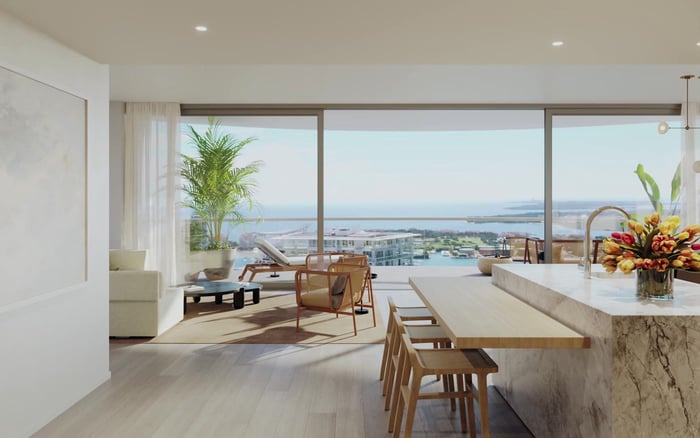
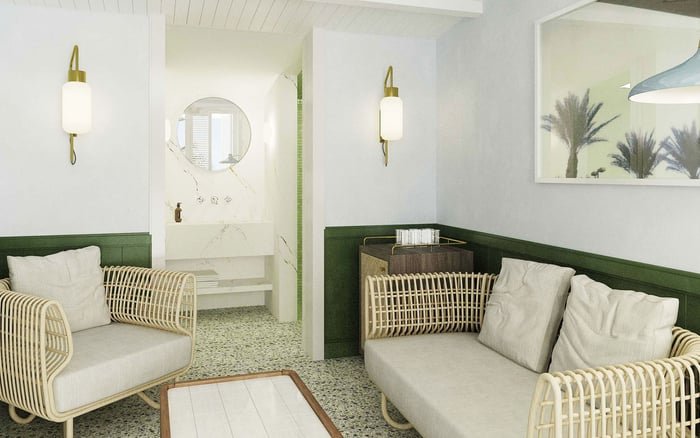
A discreet buyer’s guide to comparing The Surf Club Four Seasons Surfside and 57 Ocean Miami Beach through privacy, neighbor exposure, and glass-wall comfort.
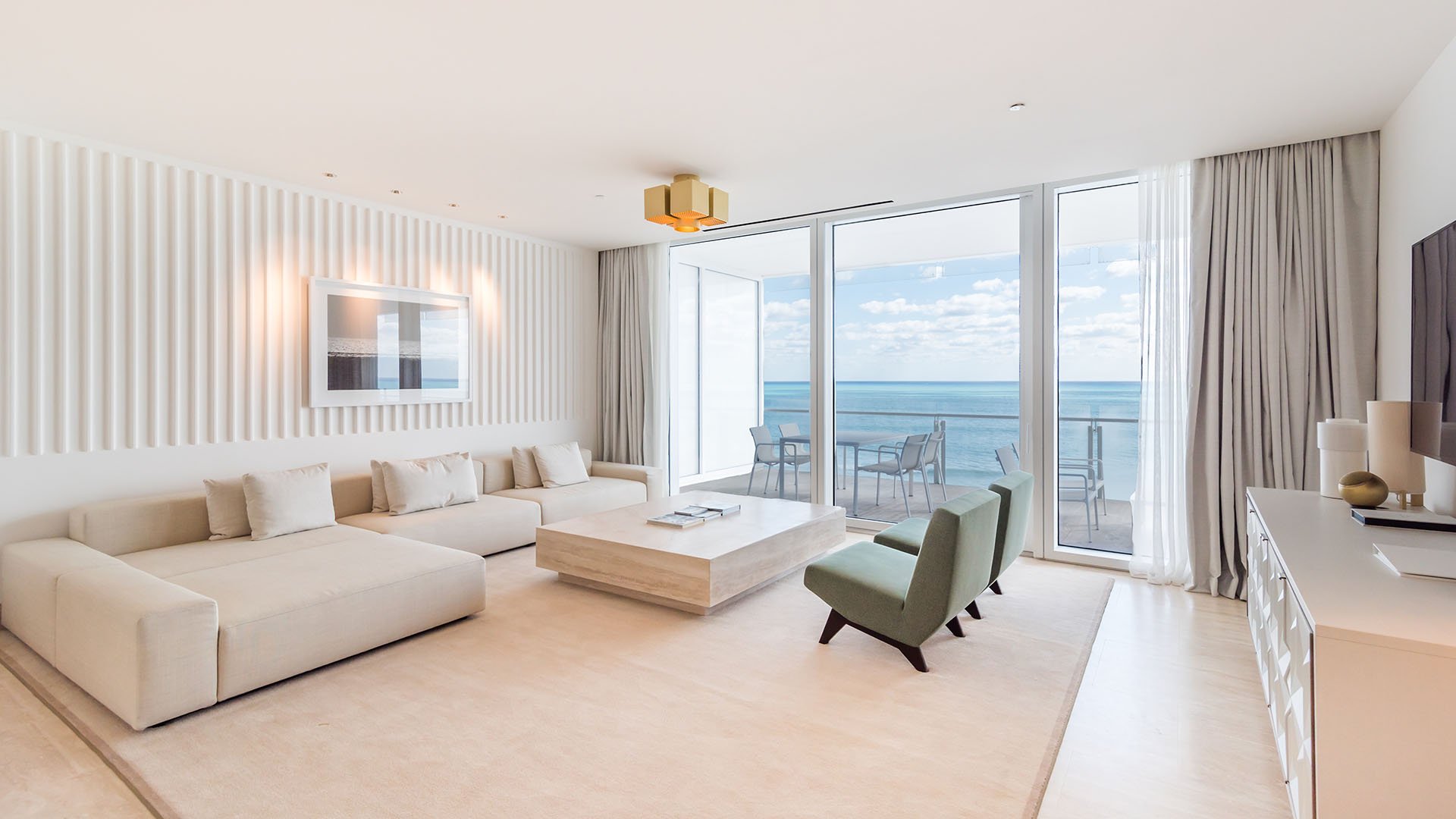
The Surf Club Four Seasons Surfside and 57 Ocean Miami Beach occupy the same mental category for many South Florida buyers: refined, ocean-oriented, design-conscious, and intended for owners who do not want compromise to show. Yet comparable prestige does not produce identical answers. At this level, the meaningful comparison moves beyond broad status and into the private mechanics of daily life: who passes your door, what neighbors can see, how glass walls perform at different hours, and whether the plan remains serene after the first impact of the view.
For a MILLION reader, the sharper question is not simply which building feels more impressive. It is which residence delivers the right kind of retreat. Privacy is not a single feature. It is the sum of arrival sequence, elevator logic, corridor exposure, terrace geometry, bedroom placement, service access, and the way the home receives light.
Whole-floor privacy has obvious appeal because it suggests a residence without immediate lateral neighbors. In practice, the experience depends on far more than the phrase. Buyers should examine whether elevator access feels direct and composed, whether the entry sequence creates arrival without exposing private rooms, and whether service movement can occur discreetly.
A floor that belongs entirely to one owner can still feel compromised if the elevator opens too abruptly into primary living space, if service areas intersect with formal arrival, or if bedrooms sit too close to active social zones. Conversely, a residence that is not presented as a pure whole-floor home may still live with remarkable privacy when the circulation is intelligent and the sightlines are controlled.
This is where The Surf Club Four Seasons Surfside and 57 Ocean Miami Beach Miami Beach deserve architectural patience. Stand where a guest would stand. Walk from the elevator to the living room. Then walk from the primary suite to the kitchen, from the terrace back into the interior, and from the service entry to the entertaining areas. The home will reveal its privacy logic through movement.
Neighbor exposure is often misunderstood. Buyers tend to focus on how far away the next building is, but the more relevant question is what can actually be seen. A nearby structure may feel benign if angles are oblique and glass is offset. A farther building may feel intrusive if the sightline cuts directly into bedrooms, bathrooms, or evening living areas.
Oceanfront living intensifies this issue because glass is part of the promise. The same transparency that gives a residence its drama can also invite scrutiny if the home is not carefully oriented. Before deciding, buyers should test the residence at multiple times of day. Morning glare, afternoon reflection, and evening interior lighting each alter the privacy equation.
In Surfside, the decision often centers on composure, intimacy, and a quieter residential rhythm. In Miami Beach, the buyer may be weighing a broader coastal lifestyle and a different cadence of surrounding activity. Neither answer is universally superior. The better fit depends on the owner’s tolerance for visibility and desire for social energy beyond the building.
Glass walls are seductive in South Florida, but comfort is the test that separates a spectacular residence from a deeply livable one. The view may be immediate; long-term satisfaction depends on heat gain, glare control, acoustic calm, and how furniture can be placed without turning every room into a display window.
Buyers should ask how the main living room feels when the sun is strongest. They should sit in the primary bedroom with shades open and imagine a weekday morning, not just a showing. They should consider whether dining is comfortable near the glass, whether artwork has protected walls, and whether media areas can function without constant shade adjustments.
Flow-through units, where applicable as a planning concept, can help by creating cross-light, multiple exposures, and a sense of release. But flow-through living is not automatically superior. It must be judged by the balance between openness and control. A residence that dazzles from one angle but overheats, echoes, or exposes private routines may not be the best match for an owner who values calm.
The Surf Club Four Seasons Surfside will likely appeal to the buyer who wants prestige with a quieter emotional register. The name itself carries an expectation of discretion, polish, and a residential life removed from excess noise. For that buyer, the essential test is whether the home preserves privacy while still delivering the oceanfront feeling that justifies the purchase.
57 Ocean Miami Beach may speak to the buyer who wants the Miami Beach identity through a residential lens. The key is to confirm that the plan supports privacy without dulling the energy that made the address compelling. A buyer attracted to Miami Beach may accept a more animated context if the residence itself remains composed.
In both cases, the right answer is personal. A collector of quiet mornings, private dinners, and long seasonal stays may prioritize protected bedrooms, subtle arrival, and shaded terraces. A buyer who entertains frequently may care more about a dramatic living room, guest arrival, and how the residence stages ocean views without exposing intimate rooms.
A serious tour should move more slowly than a typical showing. Begin at arrival and delay the view. If the residence only impresses once you reach the glass, the plan may be relying too heavily on spectacle. A great home builds anticipation, protects privacy, and then releases into the view at the right moment.
Open and close shades. Stand on the terrace and look back into the unit. Turn on interior lights if possible and imagine the evening condition. Test acoustics by pausing in bedrooms and secondary rooms. Consider whether family, guests, staff, and deliveries can move through the home without colliding.
The most valuable luxury is not always the largest room or the widest glass. It is the absence of friction. When the right residence is found, the owner does not need to manage the home constantly. Privacy, light, air, and view all work together quietly.
Are The Surf Club Four Seasons Surfside and 57 Ocean Miami Beach direct competitors? They can overlap for buyers seeking high-end coastal living, but the better comparison is based on privacy, exposure, and lifestyle fit rather than name recognition alone.
Does whole-floor living always mean better privacy? Not always. Elevator access, entry sequence, service circulation, and room placement determine whether the privacy feels meaningful in daily use.
What is neighbor exposure in a luxury condo? It is the degree to which nearby residences or buildings can see into private rooms, terraces, and evening living areas.
Why is glass-wall comfort important in South Florida? Large glass can deliver extraordinary views, but buyers must consider glare, heat, acoustics, furniture placement, and shade control.
Should I tour at more than one time of day? Yes. Morning, afternoon, and evening conditions can change how private, bright, warm, or exposed a residence feels.
Is Surfside quieter than Miami Beach for luxury buyers? Surfside is often chosen for a more composed residential mood, while Miami Beach can offer a broader coastal lifestyle context.
How should I compare terraces between the two options? Look at sightlines, usability, wind comfort, and whether the terrace feels private when viewed from neighboring angles.
Do flow-through units automatically live better? No. They can offer appealing light and air, but the plan still needs privacy, shade control, and logical room placement.
What should matter most after the view? The plan should support quiet bedrooms, gracious arrival, comfortable entertaining, and a sense of privacy without constant adjustment.
How should a buyer make the final decision? Choose the residence that best matches daily rituals, not only the one that photographs most dramatically.
When you're ready to tour or underwrite the options, connect with MILLION.
If branded residences are on your mind — as a home or as an allocation — we would be glad to share what we are seeing, privately.
Begin a quiet conversation