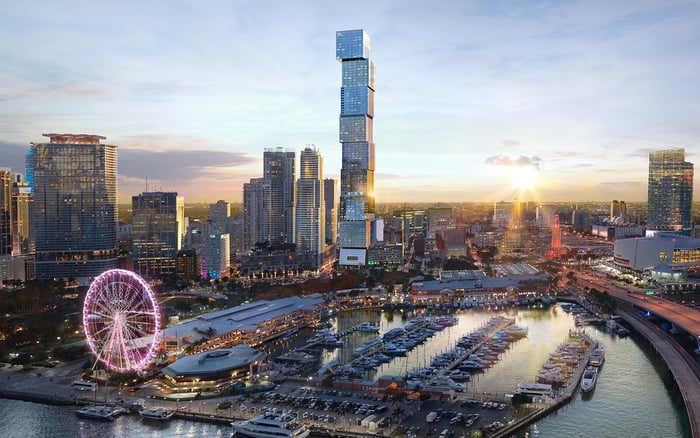
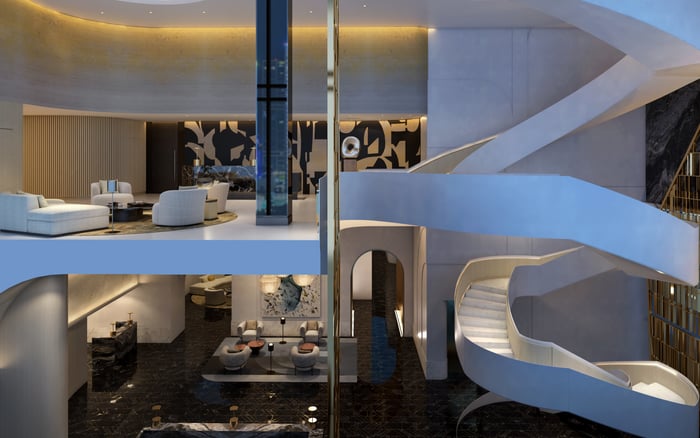
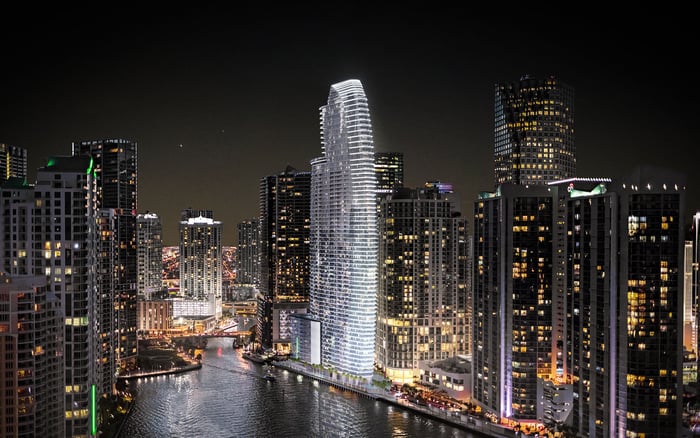
A buyer-focused look at why serviceability, vertical logistics, privacy, maintenance access, and hospitality-style operations matter for penthouse ownership at Waldorf Astoria Residences Downtown Miami.
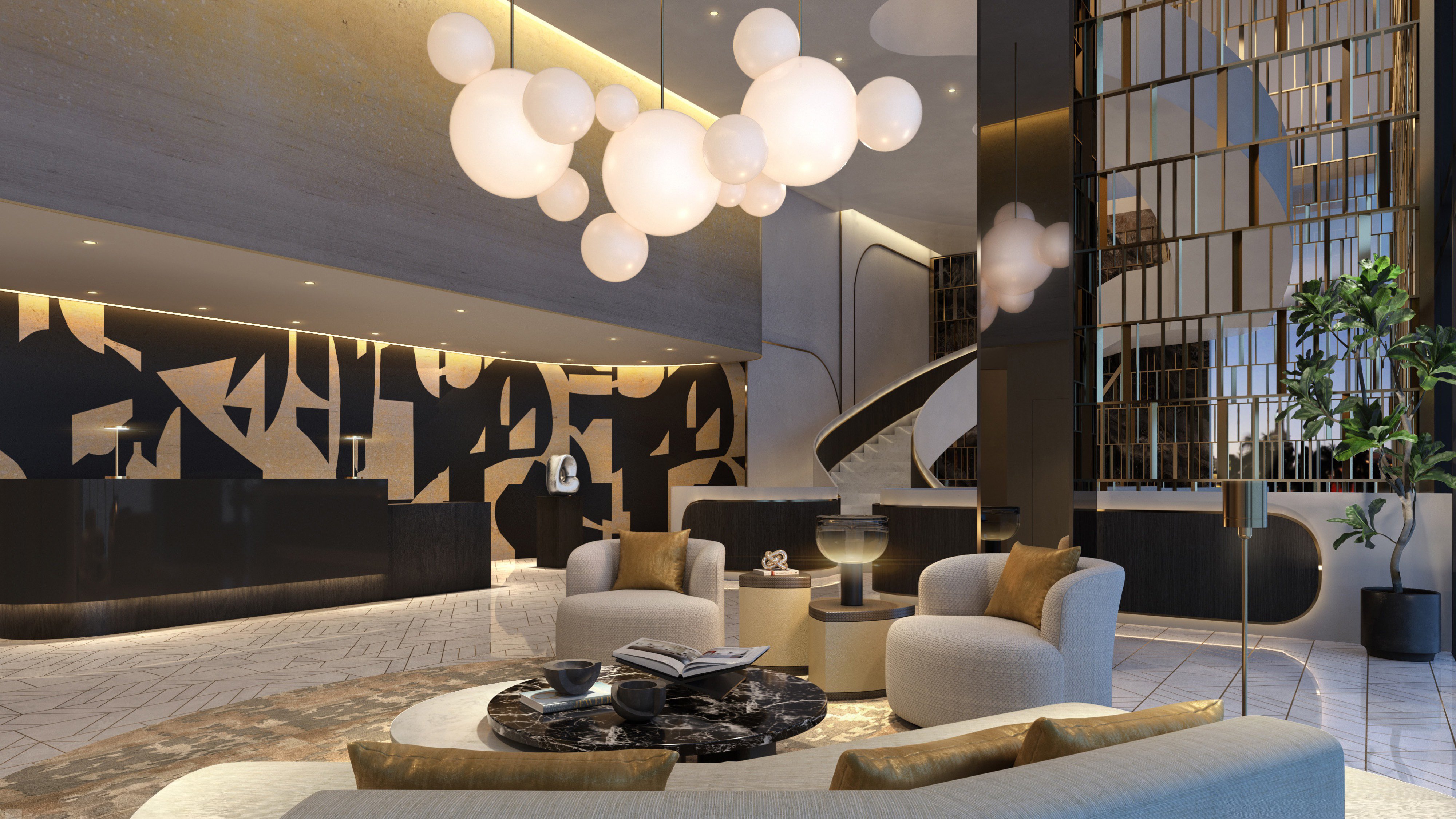
Waldorf Astoria Residences Downtown Miami is the type of branded residential address where buyers naturally focus on views, privacy, finish quality, arrival experience, and prestige. For a penthouse buyer, however, the long-term ownership experience can depend just as much on something less visible: serviceability.
Serviceability is the practical framework that allows a residence to function smoothly. It covers staff access, vendor movement, repairs, deliveries, catering, security coordination, technology support, and the ability to prepare or maintain the home without exposing the mechanics of ownership.
For ultra-luxury buyers in Downtown Miami, the question is not only whether a penthouse feels impressive on a first tour. The more durable question is whether the residence can support ordinary mornings, private entertaining, seasonal occupancy, travel schedules, and unexpected maintenance with minimal friction.
In a smaller building, replacing an appliance, coordinating flowers for an event, bringing in a chef, or managing a repair can be inconvenient but familiar. In a high-floor residence, those same tasks become more operationally sensitive because every person, item, and service interaction must move through a shared vertical environment.
That is why penthouse due diligence should include back-of-house questions. Buyers should understand how deliveries are received, how service providers are routed, how maintenance teams reach the home, and how privacy is maintained when work is taking place.
For a Downtown Miami buyer, convenience is not defined only by the surrounding neighborhood. Urban access can be valuable, but internal building logistics may determine whether daily life feels calm, discreet, and easy to manage.
Waldorf Astoria Residences Downtown Miami carries a hospitality-oriented identity, and that identity can influence buyer expectations. A branded residence is often evaluated through the promise of service: attentiveness, polish, discretion, and consistency.
At penthouse level, buyers should ask how those promises are delivered in practice. A concierge or residential team may arrange a request, but the building still has to execute it through elevators, corridors, loading procedures, screening points, staging areas, and communication protocols.
The best service feels nearly invisible. For the highest residences, that invisibility depends on planning. Service elevators, discreet routes, package handling, repair access, and event support are not minor technicalities; they are central ownership considerations.
Serviceability can influence whether a buyer chooses one residence over another, selects a different level, adjusts a preferred line, or structures household staffing differently. A buyer who entertains frequently may prioritize catering access and staging. A frequent traveler may care most about secure package management, residence preparation, and staff coordination before arrival.
A buyer with a larger household team may focus on staff entry, service routes, screening procedures, and vendor coordination. A buyer planning to use the residence seasonally may ask how the home is checked, refreshed, stocked, and maintained during absences.
This is where new-construction analysis becomes more than a review of finishes and amenity spaces. In the ultra-luxury segment, the measure of success is often not spectacle. It is the absence of operational friction.
In the luxury market, service is sometimes described in terms of abundance: more assistance, more amenities, and more access. For penthouse buyers, the more important measure may be restraint. The building should be capable of delivering support without making that support visible in the daily residential experience.
A resident should not feel that every maintenance call, delivery, staff shift, or catered event leaves a trace in the public experience of the floor. Privacy separation is part of the value proposition, and it should be evaluated before purchase rather than assumed afterward.
This is especially important for buyers who expect a residence to perform like a private estate in the sky. The home may be part of a larger building, but the experience should still feel controlled, discreet, and personal.
The strongest questions are practical and precise. How do vendors enter the building? Which elevators are used for service traffic? Are there discreet paths near the upper residences? Where are deliveries staged before they reach the home? How are furnishings, appliances, art, florals, and catering equipment handled?
Buyers should also ask about maintenance protocols. A technology issue, appliance repair, water-related concern, or urgent service call can require coordination among management, staff, technicians, and the owner’s representatives. Speed matters, but discretion matters just as much.
For owners who entertain, the questions become more specific. How would a private dinner be loaded in, staffed, served, and cleared? Where would linens, rentals, culinary equipment, and florals wait? How are guest arrivals separated from service arrivals? These details often determine whether entertaining feels graceful or operationally exposed.
When comparing Waldorf Astoria Residences Downtown Miami with other South Florida penthouse opportunities, buyers should look beyond the visual presentation. Views, materials, amenities, and brand identity matter, but they do not answer every ownership question.
A stronger comparison includes service routes, staff access, privacy controls, loading procedures, maintenance access, technology support, package management, and the building’s ability to support private entertaining. These details can shape both daily comfort and long-term desirability.
The most sophisticated buyers will study whether the residence can make elevated living feel effortless, not just dramatic. In a market where luxury expectations are high, serviceability can become a decisive factor.
Why does penthouse serviceability matter at Waldorf Astoria Residences Downtown Miami? Penthouse serviceability affects how staff, vendors, deliveries, repairs, and private events are handled. It can shape privacy, timing, convenience, and the overall ease of ownership.
Is serviceability the same as concierge service? No. Concierge service may arrange a request, while serviceability concerns how the building physically and operationally fulfills it.
What should a buyer ask about service elevators? Buyers should ask how staff, vendors, deliveries, repairs, and event support move to upper floors. They should also ask whether service traffic is separated from resident circulation.
Why are high-floor residences more complex to own? High-floor residences can make appliance replacement, maintenance visits, catered events, and urgent repairs more dependent on building logistics. The home may feel effortless only if the operations behind it are well planned.
How does Downtown Miami affect service planning? Downtown Miami can offer strong access to services, but urban activity may make arrival timing and internal building coordination more important. Back-of-house planning helps protect the resident experience.
Should a penthouse buyer evaluate staff access? Yes. Staff entry, routing, screening, and staging can strongly influence privacy and daily ease of ownership.
Can serviceability influence resale appeal? Yes. Future luxury buyers may consider not only views and brand identity but also how efficiently and discreetly the residence operates.
What matters most for entertaining? Catering access, staging areas, guest and service separation, elevator logistics, and cleanup routes are essential. These details shape whether an event feels seamless.
Does hospitality branding guarantee effortless operations? Branding can signal a service expectation, but buyers should still examine how services are delivered at penthouse elevation. Execution is the key issue.
What is the best way to compare this penthouse opportunity with others? Compare design, views, and amenities alongside service routes, privacy controls, maintenance access, and ownership logistics. The right choice should support both lifestyle and operations.
When you're ready to tour or underwrite the options, connect with MILLION.
If branded residences are on your mind — as a home or as an allocation — we would be glad to share what we are seeing, privately.
Begin a quiet conversation