A buyer-oriented look at The Surf Club Four Seasons Surfside, focusing on wellness access, retail proximity, hospitality-led living, and the practical tradeoffs for full-time owners.
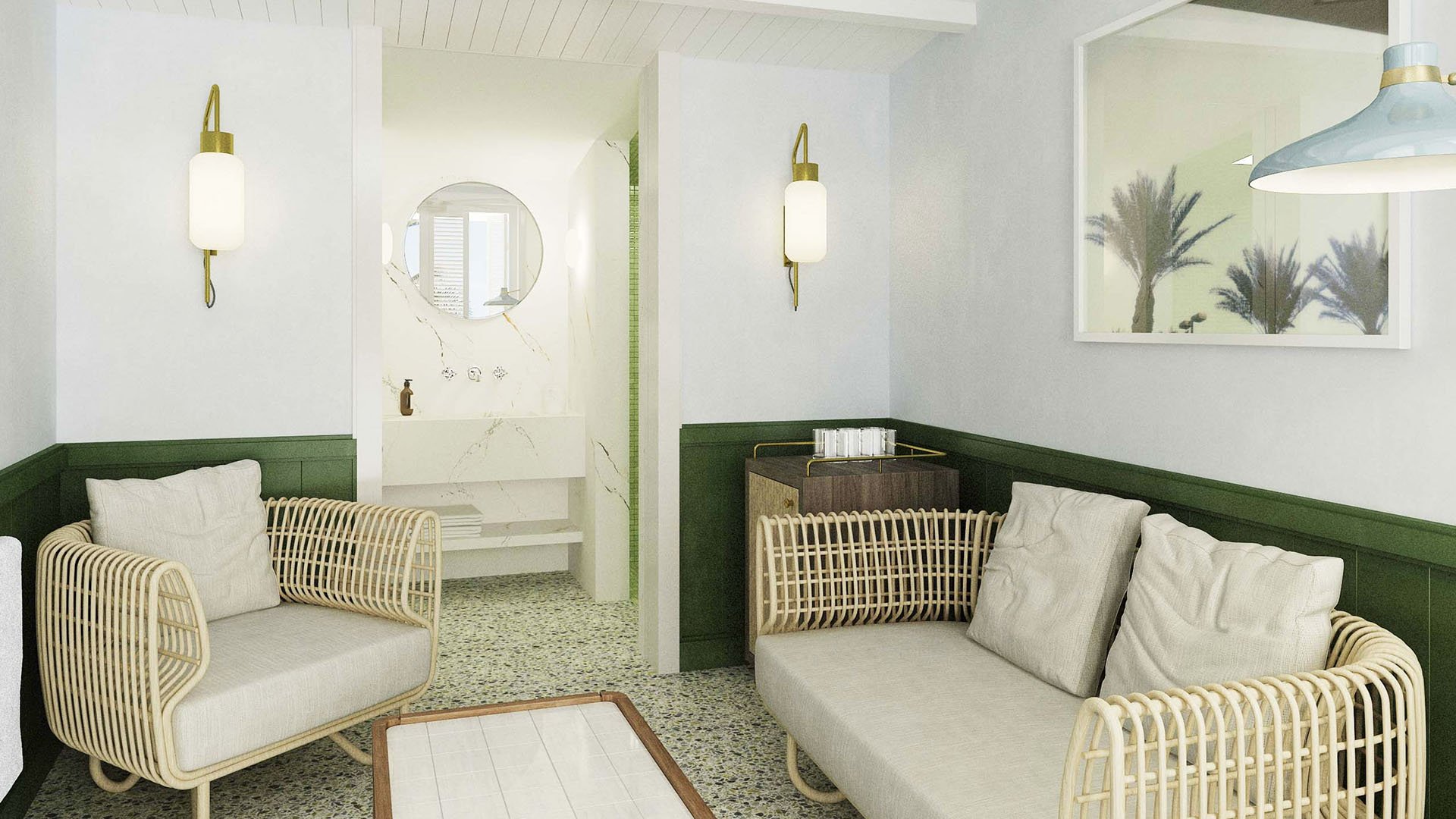
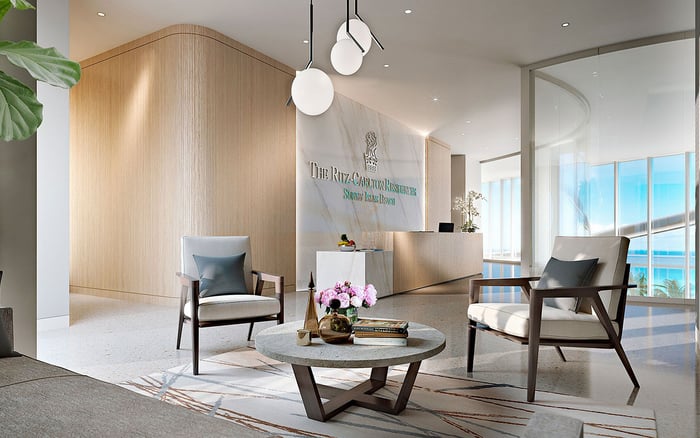
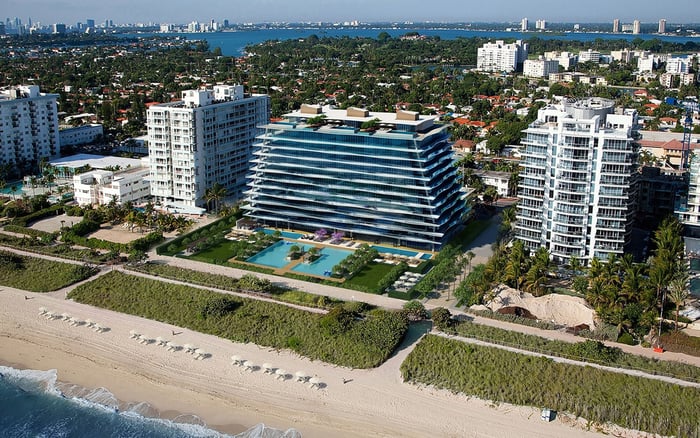
The Surf Club Four Seasons Surfside occupies a rare position in South Florida luxury: oceanfront, hospitality-led, and close enough to meaningful retail to support daily life without making every routine decision feel like a commute. For a full-time owner, that combination matters more than arrival drama. The practical question is whether the setting can support wellness routines, errands, dining, service, privacy, and everyday comfort with enough consistency to feel natural.
This is not a conventional condominium proposition. It is better evaluated as a residential environment shaped by hotel-level service expectations and a more curated daily rhythm. Buyers considering Surfside, Bal Harbour, and Miami Beach should look beyond the brand and focus on how the address functions from morning through evening.
That lens is especially important for primary-residence buyers. A second-home purchaser may focus on the emotional impact of arrival, while a full-time owner has to think about routines: how often the car is needed, how easy it is to step out for practical needs, how service interacts with privacy, and whether the area still feels calm during busy seasonal periods.
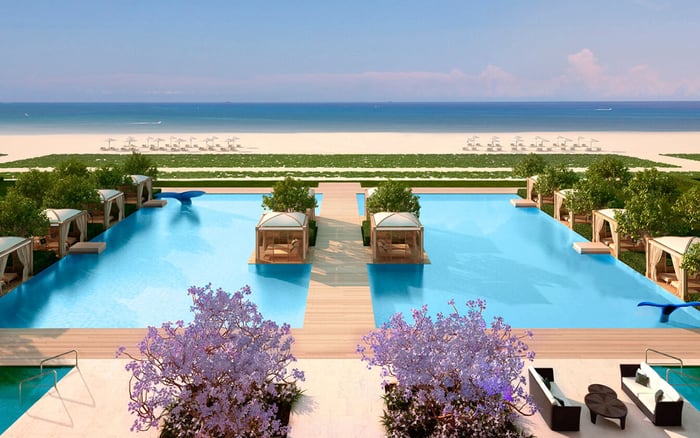
In the ultra-luxury market, wellness is often described in broad language. At The Surf Club Four Seasons Surfside, the practical advantage is the ability to fold wellness-oriented living into the residential routine rather than treating it as a separate destination. The appeal comes from a service-forward setting, oceanfront context, dining access, and the potential to keep key lifestyle needs close to home.
For full-time owners, that can be meaningful. A standalone condominium may offer amenities, but the owner still manages the surrounding friction of scheduling, travel, parking, meals, and coordination. A hospitality-led residential setting can reduce some of that friction, especially for buyers who want the home environment to support restoration, service, and consistency.
The strongest fit is a buyer who already knows this rhythm suits them. Someone who values ocean air, a polished service culture, and proximity to daily lifestyle support may find the model compelling. Someone who wants a quieter, fully private building without hotel-style activity may see the same environment differently.
Retail proximity is not only about luxury shopping. For a full-time owner, it is also about convenience, errand patterns, dining choices, and the ease of solving ordinary needs without turning every task into a larger production. Surfside’s smaller-scale retail context gives the location a practical dimension, while nearby Bal Harbour expands the lifestyle range for buyers who want access to a more luxury-oriented retail environment.
That balance is central to the address. A residence can be visually exceptional and still feel inconvenient if every minor need requires a long drive or a move into a denser district. Here, the surrounding neighborhood helps soften that friction. The value is not that every service sits inside the property; it is that the owner can combine an oceanfront home base with nearby options.
The limitation should be clear. Buyers should not evaluate this as a fully self-contained mixed-use environment. Some needs will still require nearby shops, services, restaurants, or appointments. For many owners, that is acceptable because the surrounding Surfside and Bal Harbour context adds useful depth. For others, the absence of everything under one roof may be a reason to compare other South Florida models.
One of the strongest lifestyle advantages is the ability to remain in a more residential oceanfront setting while keeping Bal Harbour close in the daily map. That distinction matters. Some buyers want the energy and convenience of a retail corridor nearby, but not necessarily at the center of their private home environment.
The Surf Club Four Seasons Surfside offers that separation. Owners can enjoy a quieter residential base, use hospitality services when desired, and still stay connected to the broader luxury corridor around Surfside and Bal Harbour. For full-time residents, this is less about prestige than optionality.
Optionality is often underappreciated in luxury real estate. It means the owner can live quietly, entertain selectively, dine nearby, access retail when useful, and retreat back to a service-supported oceanfront environment. In South Florida, where daily movement can change with seasonality and traffic, that flexibility can become a meaningful part of ownership value.
The same qualities that make The Surf Club Four Seasons Surfside attractive can also make it specific. A hospitality-led residential environment has a rhythm. It may include more service movement, guest circulation, and operational structure than a purely private boutique condominium. Some buyers love that polish. Others prefer a quieter model with less hotel influence.
Full-time owners should also consider how the address performs during ordinary weeks, not only during a perfect showing. The decision should account for errands, guests, appointments, restaurant preferences, wellness routines, airport transfers, and peak-season movement. Luxury is strongest when it supports daily life, not just when it photographs well.
The most aligned buyer is likely someone who values service, oceanfront calm, wellness access, and proximity to nearby retail while accepting that this is not a fully self-contained private compound. The residence works best when the buyer actively wants a curated rhythm rather than merely tolerating it.
South Florida’s ultra-luxury market is increasingly defined by lifestyle structure. Buyers are not simply comparing buildings by location or finishes. They are comparing how each address organizes daily life. Some properties emphasize privacy. Others emphasize design, marina access, urban convenience, resort services, or beach proximity.
The Surf Club Four Seasons Surfside sits in the hospitality-led category, with oceanfront positioning and a wellness-retail logic that can appeal to full-time owners. Its competitive set is not limited to Surfside alone. Buyers may also compare it with options in Bal Harbour, Miami Beach, Sunny Isles, and other prime coastal pockets across Miami-Dade and Broward.
Within that field, the key value proposition is compression. The address brings together home, service, wellness orientation, dining convenience, beach access, and nearby retail into one ownership equation. For the right buyer, that compression can make daily life feel easier and more composed.
The Surf Club Four Seasons Surfside is best understood as a lifestyle-infrastructure decision. Its strongest case is for owners who want an oceanfront residence shaped by hospitality service, wellness-oriented routines, and access to both neighborhood-scale convenience and nearby luxury retail. Its limitations are equally important: it is not a conventional condominium, it does not eliminate every errand, and its service culture brings a rhythm buyers should genuinely prefer.
For the right owner, that rhythm is the point. The residence becomes a way to live close to the ocean, close to service, close to restoration, and close to the retail fabric that makes full-time ownership more manageable. In a market crowded with luxury claims, that practical alignment may be the most important luxury of all.
Where is The Surf Club Four Seasons Surfside located? It is in Surfside, within South Florida’s coastal luxury corridor near Miami Beach and Bal Harbour.
Is this a conventional condominium experience? No. It is better evaluated as a private residential setting shaped by hospitality-led service.
Why does wellness matter for full-time owners here? Wellness matters because the daily routine can be supported by an oceanfront setting, service culture, and lifestyle amenities close to home.
Does the location support retail access? Yes. The Surfside setting offers neighborhood convenience, with Bal Harbour nearby for a more luxury-oriented retail experience.
Is every practical need handled on site? No. Owners should expect to use nearby shops, services, restaurants, and appointments for some daily needs.
Who is the best fit for this ownership model? The best fit is a buyer who values service, oceanfront living, wellness access, and a polished residential rhythm.
Who may prefer a different building type? Buyers who want a fully private condominium with minimal hotel-style activity may prefer another model.
How should buyers think about Bal Harbour proximity? It is useful because owners can remain in a residential oceanfront setting while keeping a major luxury retail area close by.
Are seasonal patterns relevant for full-time owners? Yes. Seasonal traffic, visitor activity, and dining demand should be considered when evaluating year-round living.
What is the core ownership takeaway? The property is most compelling for buyers who want hospitality-supported oceanfront living with practical access to wellness, dining, and nearby retail.
For a tailored shortlist and next-step guidance, connect with MILLION.
If branded residences are on your mind — as a home or as an allocation — we would be glad to share what we are seeing, privately.
Begin a quiet conversation