
A discreet buyer’s guide to separating meaningful elevator backup planning from polished but incomplete sales language in South Florida luxury condominiums.
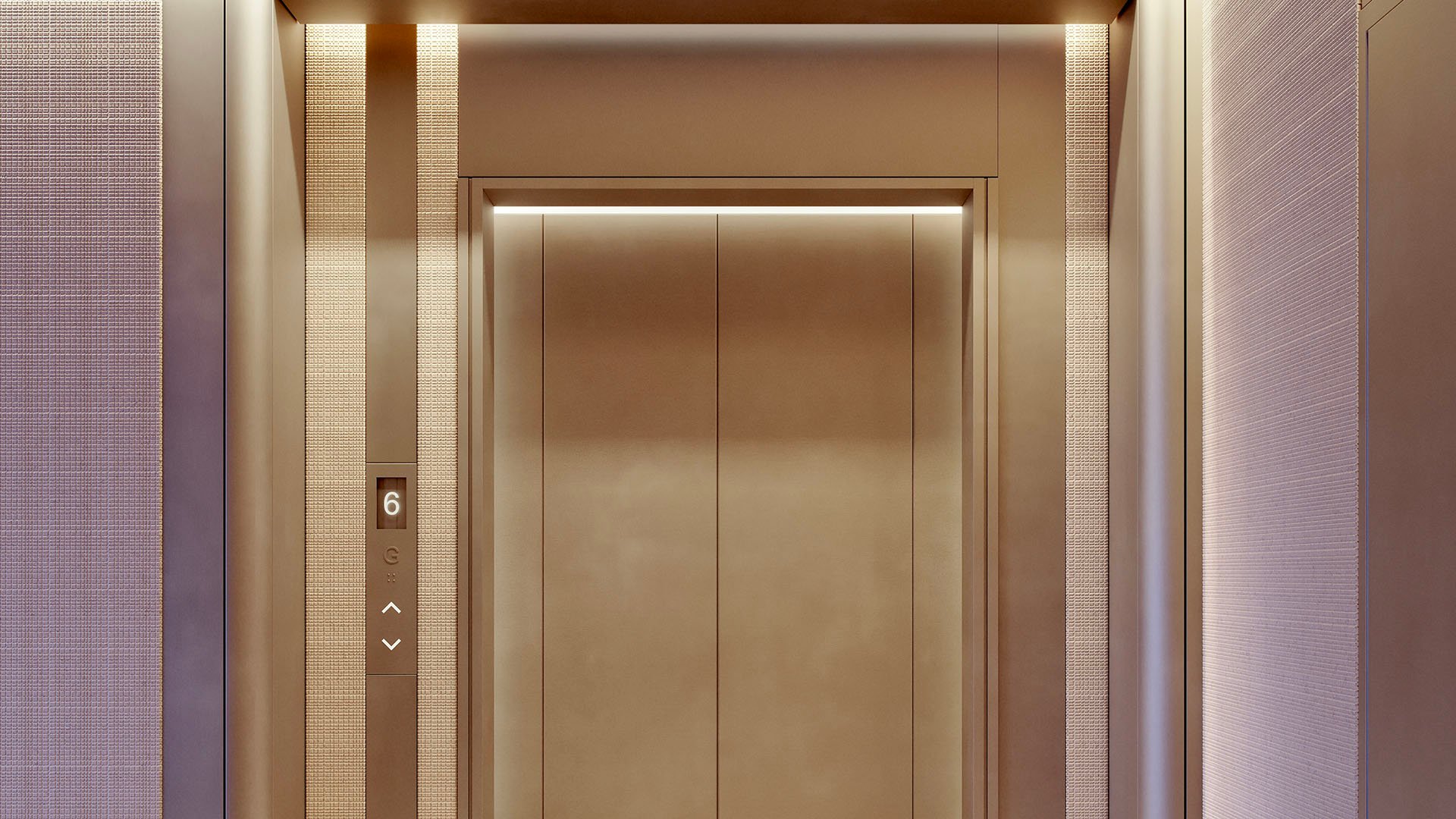
In South Florida’s luxury condominium market, elevator backup is rarely the most glamorous line in a sales presentation. It sits behind renderings, finish schedules, private dining rooms, spa concepts, valet courts, marina privileges, and views. Yet for the buyer considering high-floor living in a tower, it is one of the most practical measures of how a building intends to perform when conditions are imperfect.
The challenge is that elevator backup can be described in language that sounds reassuring without giving the buyer much to evaluate. Phrases such as “backup power,” “generator support,” “emergency readiness,” or “life-safety systems” may be true in a narrow sense, while still leaving open the central question: what happens to residents, staff, and service operations when normal power is interrupted?
That gap is where marketing theater begins. Not necessarily deception, but compression. A complex engineering and operations issue gets reduced to a polished phrase. For a buyer in Brickell, Downtown, Aventura, oceanfront neighborhoods, or new-construction product across the coast, the goal is not to become an engineer. The goal is to know which questions expose substance.
A serious discussion starts by separating three ideas that are often blended together: emergency systems, resident mobility, and building operations. A building may have backup provisions for certain required systems, but that does not automatically mean every elevator will operate as usual, every cab will be available, or normal service patterns will continue without interruption.
The buyer should ask for plain-language clarity. Which elevator or elevators are intended to run under backup power? Are passenger elevators, service elevators, and garage-access elevators treated differently? Is there an operating sequence, rotation protocol, or priority schedule? Who decides which elevator runs, and how is that communicated to residents?
The difference matters. In a tower with high-value residences, staff movement, deliveries, move-ins, maintenance needs, pets, private chefs, caregivers, and security routines may all depend on vertical transportation. Elevator backup is not only about reaching a residence. It is about whether the building can preserve a dignified level of function when normal conditions are disrupted.
Marketing theater often relies on broad reassurance. The first warning sign is a claim that sounds comprehensive but avoids specifics. “Full backup capability” should prompt immediate follow-up. Full for what? Full compared with normal daily operation, or full compared with a narrower emergency requirement?
Another sign is the substitution of amenity language for operational detail. A sales team may speak fluently about lobby design, private arrival, and hospitality service, then become vague when asked how elevators behave during an outage. That contrast does not mean the building is weak, but it does mean the buyer has reached the boundary between brand presentation and technical documentation.
Watch also for answers that depend on personality rather than paper. A confident verbal explanation is useful, but it should be followed by written confirmation from the appropriate project, property, or technical representatives. In luxury real estate, the most meaningful assurances are usually precise, coordinated, and repeatable. If the answer changes depending on who is in the room, the buyer should keep asking.
The best questions are calm, direct, and difficult to answer with slogans. Begin with scope: “Which elevators are supported by backup power?” Then ask about capacity: “How many can operate at one time?” Follow with duration and conditions: “What assumptions does that depend on?” Finally, ask about operations: “What is the resident communication plan if backup mode is activated?”
Do not overlook the service elevator. In many luxury buildings, the service elevator is the backstage artery. It supports housekeeping, engineering staff, deliveries, contractors, and the discreet movement that keeps the front-of-house experience composed. If only one elevator is prioritized, the choice between passenger convenience and operational support may become meaningful.
Ask also whether garage access, lobby access, and amenity-level access are part of the same conversation. A resident may be able to reach a floor but still experience friction if parking, staff circulation, or key service points are not clearly contemplated. Elevator backup should be understood as a route through the building, not a single cab in isolation.
South Florida luxury living is often vertical, coastal, and service-intensive. Residents may be seasonal, international, privacy-oriented, or accustomed to hotel-level responsiveness. In that context, backup planning is part of the ownership experience. It is a quiet promise that the building has thought beyond a beautiful day.
In Brickell and Downtown, density and height make elevator performance central to daily convenience. In Aventura and oceanfront enclaves, buyers may be balancing resort-style living with second-home use, family stays, and periods when they are not locally present to troubleshoot. Across new-construction presentations, the most polished buildings are not always the ones with the clearest operational answers.
High-floor residences command premiums for views, privacy, and light, but they also make vertical reliability more important. A buyer choosing an upper residence should treat elevator backup as part of the same due diligence category as reserves, insurance posture, maintenance culture, and management quality. None of these is theatrical. All of them shape the experience after closing.
A buyer does not need an adversarial posture. The right tone is professional: “Please provide the written summary of elevator backup functionality and operating protocol.” If the building is completed, request management-level confirmation. If it is in development, request the latest available documentation or a written description from the project team that can be reviewed alongside other purchase materials.
The response should identify the supported elevators, expected limitations, and decision structure. It should not require the buyer to infer major details from a brochure phrase. If the explanation is technical, ask for a distilled resident-facing version. If it is too general, ask for specificity.
Luxury buyers should also ask how residents are notified. A backup plan without communication can feel improvised. Will staff provide updates? Is there a protocol for residents with mobility concerns? Are service personnel trained on the sequence? These questions are not about fear. They are about preserving grace under pressure.
Once the answer arrives, read it through the lens of lived experience. Imagine arriving from the airport with luggage. Imagine a household staff member coordinating a dinner. Imagine a pet needing to go out, a caregiver arriving, or a contractor scheduled for a repair. Does the plan still feel coherent?
The strongest responses tend to be specific without being performative. They acknowledge limits, describe priorities, and explain who manages the process. A weaker response often tries to maintain the fantasy that nothing changes. In reality, backup mode usually implies some form of prioritization. A mature building is not afraid to say so.
This is where discretion matters. Buyers do not need dramatic guarantees. They need evidence that the building has converted design intent into practical operating culture. Elevator backup is not a feature to admire. It is an infrastructure promise to verify.
Marketing theater thrives when a buyer accepts atmosphere as evidence. Elevator backup deserves the opposite approach: quiet skepticism, written answers, and attention to operations. The point is not to diminish the romance of a residence. It is to protect it.
In the ultra-premium market, real confidence is rarely loud. It is found in the details that continue working after the sales presentation ends. A tower that can explain its elevator backup clearly is often revealing something larger about itself: discipline, coordination, and respect for the resident’s daily life.
Does “backup power” mean every elevator will work normally? Not necessarily. Ask which elevators are supported, how many can run at once, and what limitations apply.
Should elevator backup matter if I am buying on a lower floor? Yes. Even lower-floor owners rely on elevators for luggage, service, guests, deliveries, and accessibility.
What is the most important question to ask first? Ask which specific elevators are intended to operate under backup power and under what conditions.
Is a verbal answer from a sales representative enough? It is a starting point, not the finish. Request written confirmation that can be reviewed with your advisor.
Why does the service elevator matter? It supports the building’s backstage operations, including staff, maintenance, deliveries, and discreet service flow.
Can a beautiful new tower still have vague backup answers? Yes. Design sophistication and operational specificity are related, but they are not the same thing.
Should I ask about resident communication during backup mode? Absolutely. A clear communication protocol can make a limited operating condition feel orderly rather than chaotic.
Is this mainly a concern for high-floor buyers? It is especially important for high-floor buyers, but every owner benefits from clear vertical transportation planning.
What signals a stronger answer from the building team? Specificity, written documentation, stated priorities, and a clear explanation of who manages the process.
Does asking these questions make negotiations difficult? No. Serious luxury transactions routinely include practical diligence, and strong projects should welcome informed questions.
For a discreet conversation and a curated building-by-building shortlist, connect with MILLION.
If branded residences are on your mind — as a home or as an allocation — we would be glad to share what we are seeing, privately.
Begin a quiet conversation
.jpg&width=700&height=438&fit=cover)