A discreet comparison of Continuum on South Beach and The Surf Club Four Seasons Surfside through the lens of household operations, privacy, owner control, service integration, and technology that supports daily life without becoming visible.
At the highest end of South Florida residential real estate, beauty is rarely the only deciding question. The more consequential issue is whether a residence can remain serene while the machinery of daily life runs quietly beneath the surface. Continuum on South Beach and The Surf Club Four Seasons Surfside both belong in that conversation, but they approach household operations from distinctly different positions.
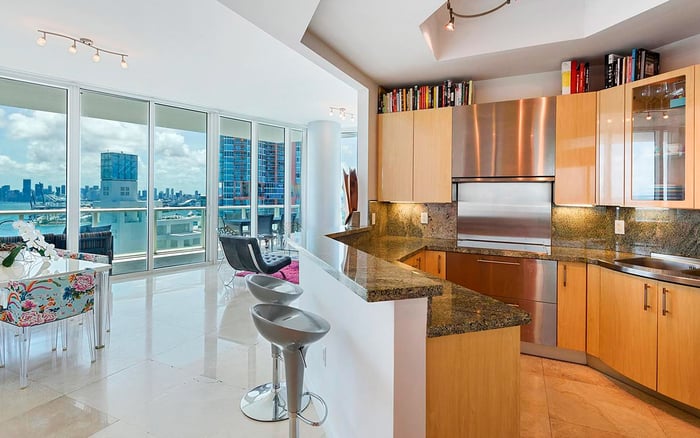
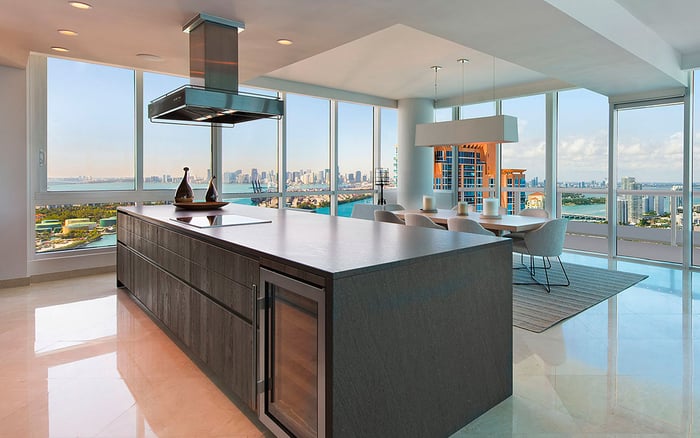
Continuum on South Beach is the private condominium case study: a luxury community in Miami Beach built around private ownership, residential autonomy, and an owner-directed approach to daily living. Its appeal for technology-sensitive buyers is tied to privacy, personal control, and the ability to shape in-residence systems around individual preferences.
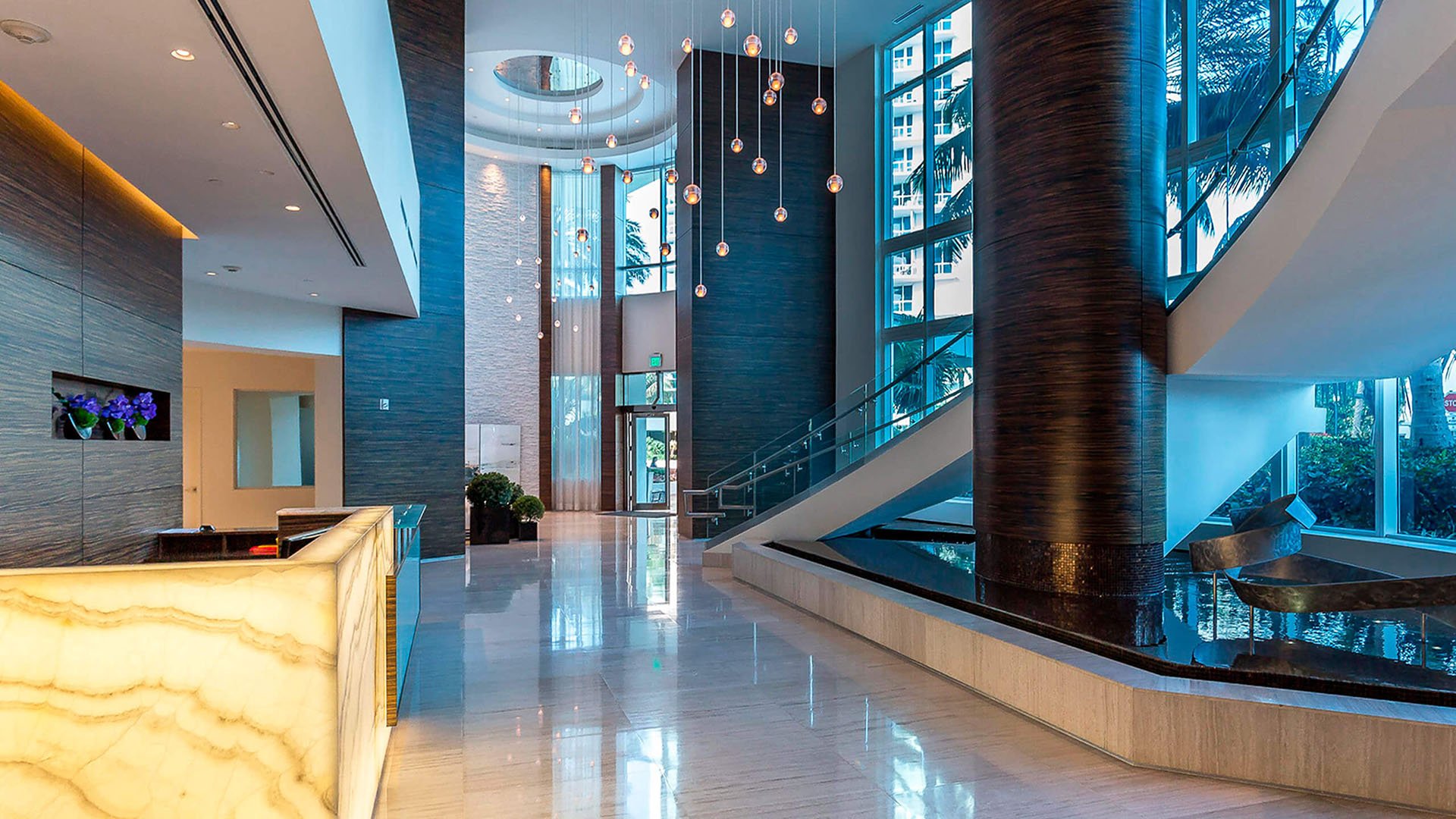
The Surf Club Four Seasons Surfside represents the branded-service model. It is an ultra-luxury residential environment in Surfside where service, logistics, and daily support are central to the living experience. For households that want technology and operations to recede almost entirely into the background, that distinction matters.
Continuum on South Beach is best understood as a private condominium environment for buyers who want the residence to feel personally governed. The operating rhythm is resident-driven rather than hotel-branded. That does not mean less luxury. It means a different kind of luxury, one rooted in autonomy.
For a household with its own staff, preferred vendors, private technology consultant, security advisor, or established maintenance protocols, this model can be highly attractive. Owners can treat the residence as a platform. Lighting, shading, climate, media, access, and privacy systems can be customized according to the household’s preferred logic, subject to building parameters and association rules.
The value proposition is especially clear for buyers who dislike over-standardization. A classic condominium structure allows a family to decide what should be automated, what should remain manual, which service providers should have access, and how visible household technology should be. The ideal result is not a showroom full of screens. It is a residence where the environment responds quietly and predictably.
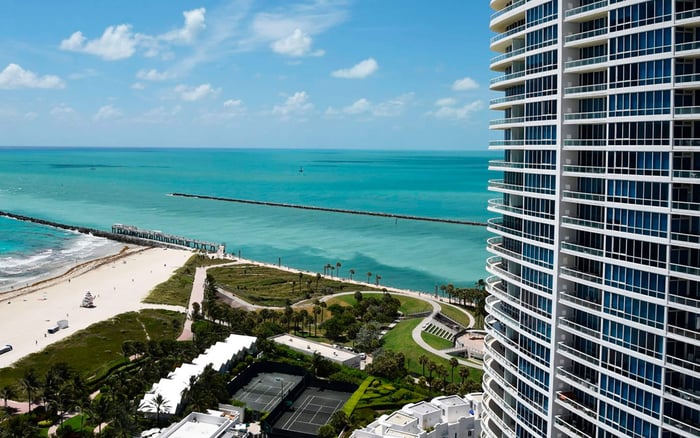
Continuum also benefits from its South Beach context. For buyers comparing South of Fifth, Miami Beach, and oceanfront living, the appeal is not only proximity or prestige. It is the possibility of private residential calm inside a luxury condominium setting, without adopting a fully branded service identity.
The Surf Club Four Seasons Surfside offers a different answer to the same buyer question. Rather than asking owners to assemble every layer of household operations themselves, it leans into a service-led residential model. Its branded residential positioning signals a more integrated approach to daily logistics, with the broader promise that operational details should feel resolved before they become visible.
For buyers who travel frequently, maintain multiple residences, or prefer a residence that functions with minimal explanation, this model can be compelling. The household does not need to invent every protocol from scratch. The structure is designed around service expectations, continuity, and a sense that daily life should be curated without becoming theatrical.
This is the key distinction: at The Surf Club, invisibility is less about owner-directed customization and more about systemized service. Technology, access, communication, deliveries, staffing interfaces, and guest arrivals are expected to work within a more choreographed residential ecosystem. The home is still private, but the supporting environment is more service-forward.
For Surfside buyers, this can create a distinctive form of calm. The architecture does not need to announce the operational intelligence behind it. The residence can simply feel ready, maintained, and attended to, with fewer decisions pushed back onto the owner.
In ultra-luxury residences, technology fails aesthetically when it becomes the room’s main character. The best systems are felt rather than seen: light changes without friction, shades protect art and privacy without ceremony, climate remains balanced, music appears where it should, and access is secure without feeling institutional.
At Continuum, the buyer’s advantage is the ability to define that invisibility personally. A family can work with its chosen specialists to make technology align with the way it lives. One owner may prioritize privacy and limited interfaces. Another may want layered entertainment and environmental control. The condominium model supports a more bespoke operational philosophy, assuming the owner wants to manage that design process.
At The Surf Club, the buyer’s advantage is the broader service envelope. The question is less, “How do we design every household workflow?” and more, “How much of daily life can be absorbed by the residential platform?” For some buyers, that is the more sophisticated luxury. It removes friction not by offering endless choices, but by reducing the need to make choices at all.
Neither approach is inherently superior. They serve different temperaments. Continuum appeals to the owner who wants control without spectacle. The Surf Club appeals to the owner who wants service to behave like architecture: present, precise, and largely invisible.
Service is where the two models separate most clearly. In a private condominium setting such as Continuum on South Beach, service delivery is shaped by the building’s residential framework and the owner’s own preferences. The household may have more responsibility for orchestrating vendors, staff access, maintenance schedules, and technology upgrades.
That level of control can be a virtue. Some buyers do not want a branded service layer mediating every domestic detail. They prefer discretion through distance, fewer standardized interactions, and a home governed by the owner’s own household culture.
The Surf Club Four Seasons Surfside is better suited to buyers who want service delivery to feel embedded. For them, the highest form of privacy is not doing everything independently. It is having logistics handled so gracefully that the household does not need to discuss them repeatedly. The service environment becomes part of the residence’s invisible infrastructure.
This is why buyers should avoid comparing only amenities. Pools, lounges, wellness spaces, and beach access may frame the lifestyle, but operations determine whether the residence remains restful on an ordinary Tuesday. The better question is: who manages the friction?
Continuum on South Beach is likely the better fit for the buyer who values private condominium living, larger personal control over systems, and a self-directed approach to household operations. It suits owners who enjoy building a tailored domestic ecosystem and who see customization as part of ownership.
The Surf Club Four Seasons Surfside is likely the better fit for the buyer who wants a branded, service-led residential experience where logistics recede. It suits owners who want fewer operational decisions, more continuity, and the comfort of a residential environment designed to support daily life without constant owner management.
Both properties speak to architectural calm. The difference is how that calm is produced. Continuum gives the owner room to create it. The Surf Club is positioned to deliver more of it through service integration.
For buyers fluent in South Florida’s luxury geography, Surfside and South Beach represent more than locations. They represent different ideas of privacy. One is more self-authored. The other is more orchestrated. The right choice depends on whether the household wants technology to disappear through customization or through service.
Is Continuum on South Beach a hotel-branded residence? No. It is best understood as a private condominium community rather than a hotel-branded residential model.
Is The Surf Club Four Seasons Surfside more service-oriented? Yes. Its branded residential positioning points to a more service-integrated household-operations model.
Which property is better for owner-customized technology? Continuum is the stronger conceptual fit for buyers who want to customize in-residence systems around personal preferences.
Which property is better for buyers who travel often? The Surf Club may be more appealing to buyers who want logistics and service to recede while they are in and out of residence.
Do both properties appeal to privacy-focused buyers? Yes, but in different ways. Continuum emphasizes private condominium control, while The Surf Club emphasizes discreet service integration.
Should buyers compare these properties only by amenities? No. The more important comparison is how service delivery, access, customization, and daily household operations are handled.
What does invisible technology mean in this context? It means systems that support lighting, climate, access, privacy, and comfort without making the home feel technical or cluttered.
Is Continuum better for households with established private staff? It may be, especially for owners who already have preferred vendors, staff protocols, and technology advisors.
Is The Surf Club better for a turnkey lifestyle? It is the stronger fit for buyers who want a branded residential environment where many logistics feel quietly absorbed.
How should a buyer decide between the two? Choose Continuum if control is the priority, and The Surf Club if service-led ease is the priority.
For a tailored shortlist and next-step guidance, connect with MILLION.
If branded residences are on your mind — as a home or as an allocation — we would be glad to share what we are seeing, privately.
Begin a quiet conversation