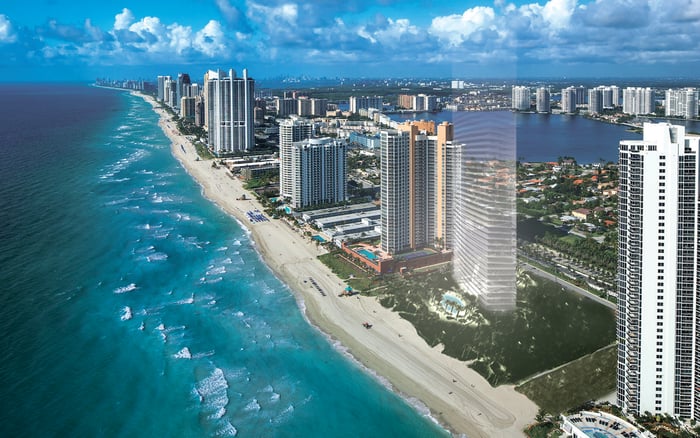
A practical 2026 diligence guide for buyers evaluating Waldorf Astoria Residences Downtown Miami through service structure, reserve planning, insurance exposure, and resale strategy.
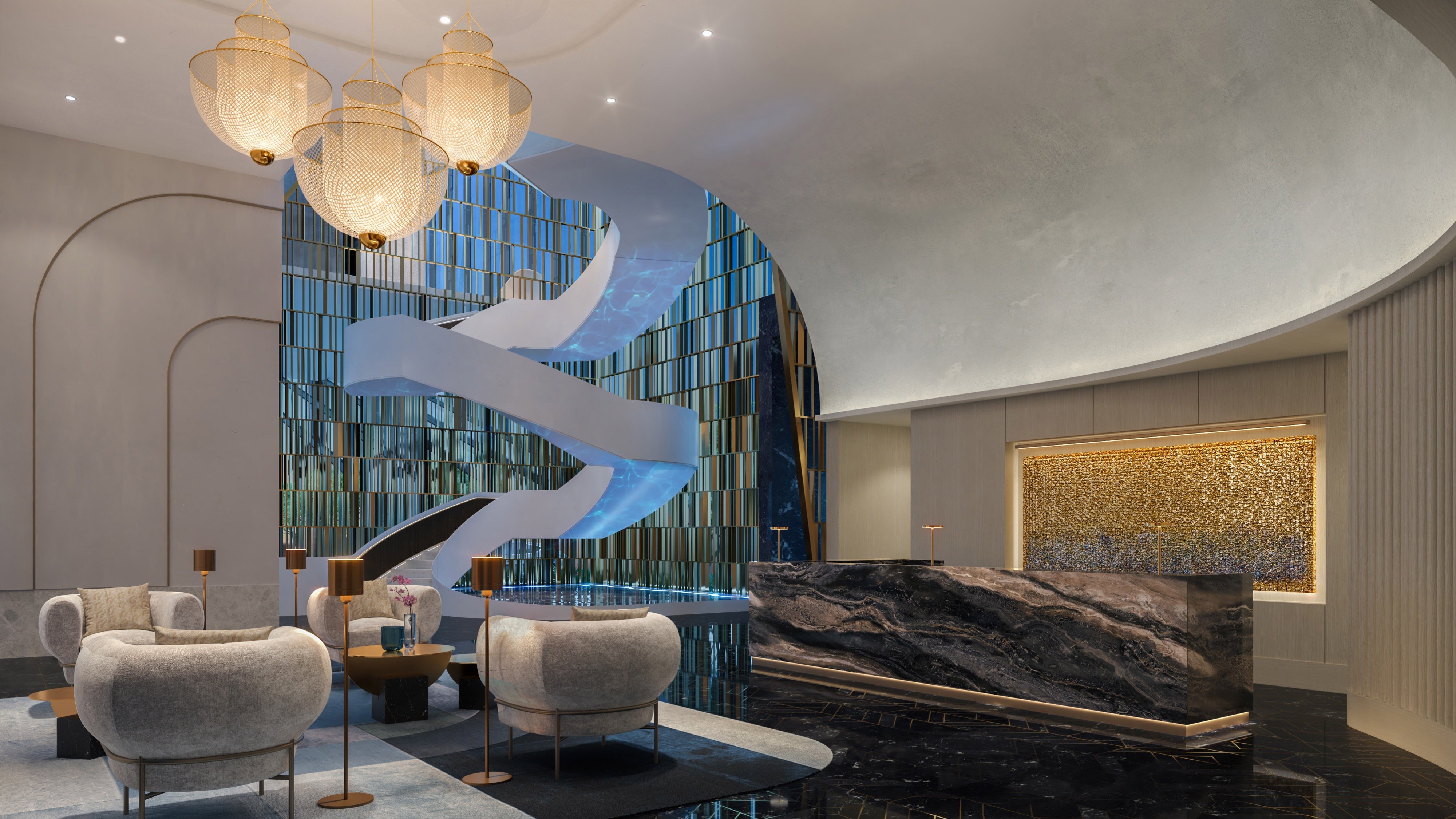
For buyers considering Waldorf Astoria Residences Downtown Miami, the 2026 conversation should start well beyond view corridors, price per square foot, and the pull of the Waldorf Astoria name. This is a branded luxury residence in Downtown Miami, where hospitality expectations and condominium ownership must be evaluated together.
That combination is exactly why diligence matters. A buyer is not only selecting a private home in an urban skyline setting. They are accepting an operating model, a cost structure, an association framework, and an eventual resale narrative. The most useful lens is both emotional and financial: how the residence lives, how it is governed, what it costs to maintain, and how the market may value it later.
Branded residences are often purchased for consistency, identity, and ease. At Waldorf Astoria Residences Downtown Miami, the central service question is how the Waldorf Astoria hospitality standard is implemented for private residences, not merely how it is described. Buyers should ask which services are controlled by the condominium association, which are tied to the brand relationship, and how staffing, amenity operations, and resident expectations flow into monthly ownership costs.
The service review should be document-based. Ask for clarity on amenity management, staffing assumptions, hours of operation, shared-use areas, private residential protocols, and the process for adjusting service levels over time. Brand discipline can help preserve a consistent luxury identity, but it can also raise expectations for maintenance, staffing, and resident response.
Downtown Miami adds another layer. This is not a gated estate setting or a beachfront condominium corridor. It is an urban address oriented toward cultural amenities, dining, entertainment, and business-district proximity. Buyers comparing the lifestyle with nearby luxury towers such as Aston Martin Residences Downtown Miami or Casa Bella by B&B Italia Downtown Miami should focus less on visual drama alone and more on daily rhythm: arrivals, valet flow, elevator experience, amenity access, guest handling, and privacy.
Reserve diligence is where an aspirational purchase becomes a disciplined ownership decision. A 2026 buyer should review the condominium association’s long-term capital planning and its ability to fund major maintenance over time. The question is not whether a new or high-profile tower feels pristine at purchase. The question is whether the ownership structure is prepared for the life cycle of a complex luxury building.
Ask how reserve funding is calculated, which components are included, how shared elements are treated, and whether future maintenance obligations are clearly allocated. In a branded, hospitality-influenced building, buyers should also understand how the developer, hotel brand, and condominium association interact contractually. The cleaner the responsibilities, the easier it becomes to evaluate future cost exposure.
Reserve review should also be tied to personal holding period. A buyer intending to own for many years may prioritize governance durability and predictable capital planning. A buyer with a shorter horizon should still care, because underfunded or unclear obligations can affect resale confidence.
Insurance diligence in Florida’s coastal risk environment should examine both building-level coverage and unit-level coverage. Buyers should distinguish association insurance from personal coverage, then ask how deductibles, exclusions, loss-assessment exposure, and lender requirements may affect the real cost of ownership.
The essential questions are practical. What does the association policy cover? What remains the owner’s responsibility? How are shared amenities, mechanical systems, interiors, and improvements treated? What happens if premiums rise or deductibles change? No buyer should assume that a branded identity removes insurance complexity.
This is especially important for buyers comparing urban branded ownership with other South Florida luxury formats. A Brickell buyer reviewing Baccarat Residences Brickell or St. Regis® Residences Brickell may be evaluating similar questions of service culture, association responsibility, and future carrying cost. The right comparison is not only architectural or brand-based. It is operational.
Investment does not mean treating a residence as purely transactional. It means understanding the exit before entering. For Waldorf Astoria Residences Downtown Miami, exit-strategy diligence should consider resale liquidity, future competition from other luxury towers, and the durability of the Waldorf Astoria brand premium.
Downtown Miami may appeal to buyers who value urban access, business proximity, cultural programming, dining, and entertainment. That is a different buyer profile from those seeking beachfront living in Miami Beach or Sunny Isles. The resale pool may therefore be strong for the right lifestyle match, but buyers should understand who the next purchaser is likely to be and what that purchaser will value.
The strongest exit story is usually simple: a recognized brand, a clear service model, disciplined association planning, understandable insurance exposure, and a location identity that remains relevant. Downtown as a category is evolving, but each building must be judged on its own documents, operations, and fit with the buyer’s life.
Before contract, request the documents that explain governance, services, insurance responsibility, reserves, budgets, management relationships, and owner obligations. Ask how the hospitality standard is converted into residential service. Ask which costs are fixed, which costs may change, and which future association decisions could alter the ownership experience.
Most importantly, decide whether an urban branded tower truly fits your lifestyle better than a gated, boutique, or beachfront condominium setting. The right purchase should feel effortless when lived in, but it should also withstand scrutiny when financed, insured, maintained, and eventually resold.
What is the core 2026 diligence focus for Waldorf Astoria Residences Downtown Miami? Buyers should focus on service, reserves, insurance, and exit strategy. These pillars help translate brand appeal into ownership clarity.
Why does service diligence matter in a branded residence? Service affects daily living and monthly costs. Buyers should understand staffing, amenity operations, brand standards, and association responsibility.
Is Downtown Miami different from beachfront luxury corridors? Yes. Downtown Miami is an urban setting with business, dining, entertainment, and cultural access rather than a primarily beachfront lifestyle.
What should buyers ask about reserves? Buyers should review long-term capital planning and how major maintenance will be funded. Clear reserve planning can support confidence over time.
What insurance should be reviewed? Buyers should examine both building-level association coverage and unit-level owner coverage. Deductibles and exclusions deserve close attention.
How does the Waldorf Astoria brand affect ownership? The brand may support a consistent luxury identity. It can also create higher expectations for service, staffing, and maintenance.
What is the exit-strategy question? Buyers should consider future resale liquidity, competing luxury towers, and whether the brand premium may remain durable for the next buyer.
Should lifestyle fit be part of diligence? Absolutely. A buyer should decide whether an urban branded tower fits better than a gated, boutique, or beachfront condominium.
Are monthly costs only about association fees? No. Ownership cost can also involve service levels, insurance obligations, reserves, and future association decisions.
What is the best way to shortlist comparable options for touring? Start with location fit, delivery status, and daily lifestyle priorities, then compare stacks and elevations to validate views and privacy.
For a confidential assessment and a building-by-building shortlist, connect with MILLION.
If branded residences are on your mind — as a home or as an allocation — we would be glad to share what we are seeing, privately.
Begin a quiet conversation