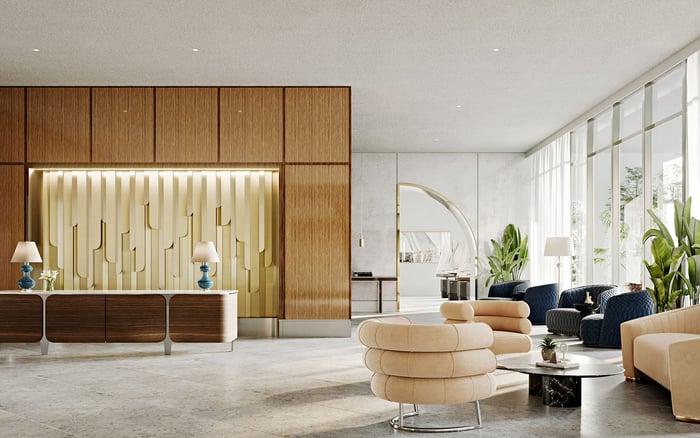
Guest parking rules are a quiet but material part of the ownership equation in South Florida wellness-led residences, influencing daily ease, entertaining, staff access, privacy, and the true cost of living well.
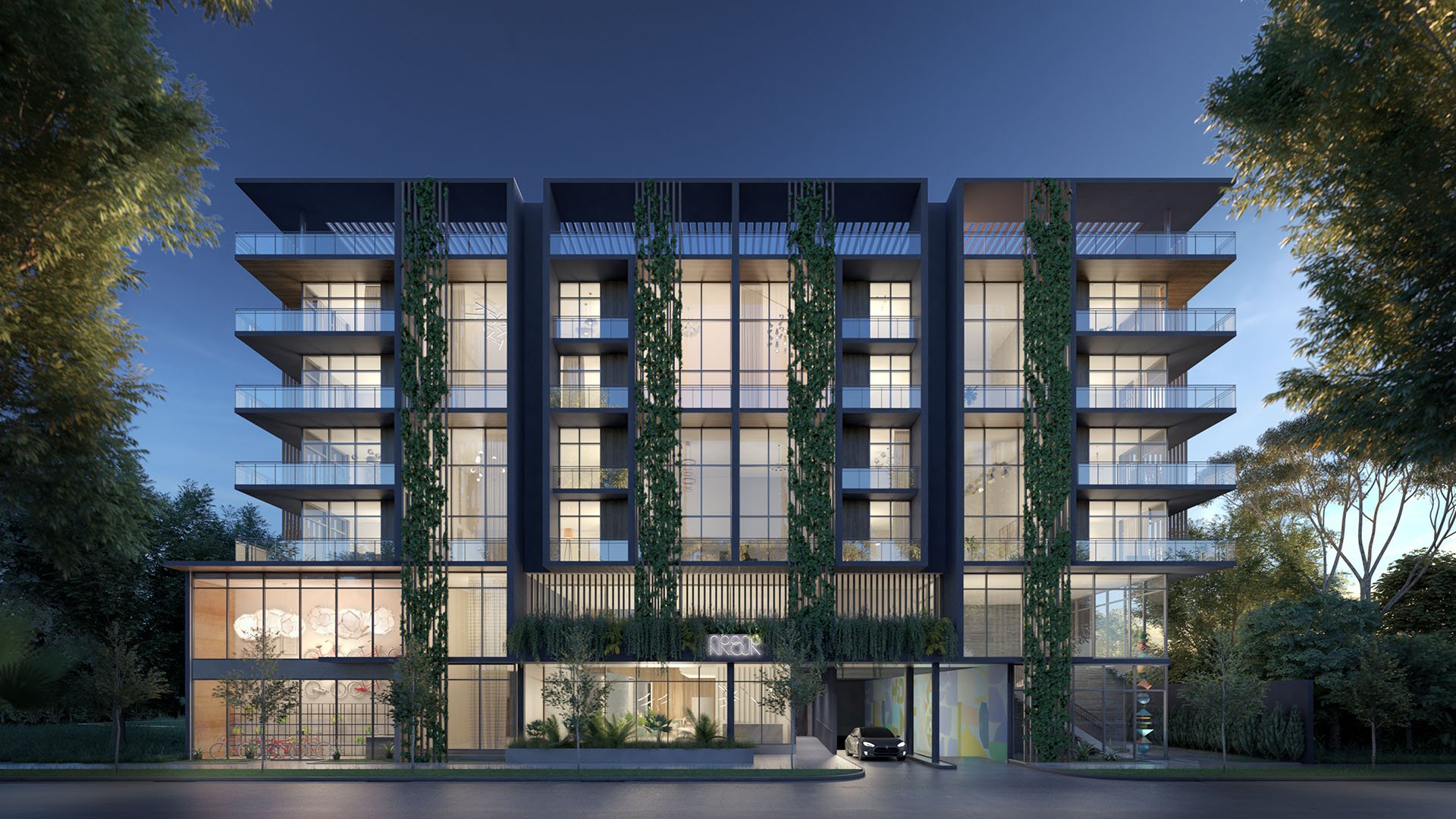
A wellness-led residence is often judged by what happens after the doors open: the spa circuit, the fitness studio, the treatment rooms, the garden terrace, the quiet pool, the calibrated light, and the promise of recovery. Yet for many South Florida buyers, the real test begins earlier. It starts at the curb.
Guest parking is not a decorative line item. It shapes how easily family arrives for dinner, how privately a trainer or therapist can come and go, how a weekend host manages visitors, and how much friction enters a lifestyle designed to reduce it. In a market where the language of wellness has become increasingly sophisticated, the parking policy can determine whether a building feels restorative in practice or merely serene in presentation.
For buyers comparing Brickell, Miami Beach, Coconut Grove, Bay Harbor Islands, Fort Lauderdale, or Palm Beach, the question is not simply whether guest parking exists. The more useful question is how it performs under pressure: during holidays, school breaks, dinner hours, beach days, and overlapping service appointments.
Wellness is not only a room count of amenities. It is a pattern of daily movement. A resident may have visiting family, a private chef, a massage therapist, a Pilates instructor, a dog walker, a driver, or rotating house staff. Each arrival touches the building’s parking policy.
That makes access a lifestyle issue rather than a transportation issue. If every outside visit requires a workaround, the residence quietly exports inconvenience back to the owner. If the process is intuitive, secure, and discreet, the home can support the rhythm it promises.
This is especially relevant in new-construction buildings, where buyers often focus on finishes, views, wellness programming, and brand cachet before reviewing operational details. A residence such as The Well Bay Harbor Islands may naturally invite a conversation about wellness routines, but that same conversation should include where guests, practitioners, and service providers are expected to arrive.
The most refined buildings understand that hospitality is not only about greeting a guest by name. It is also about preventing that guest from becoming a logistical burden for the resident.
A buyer should ask whether parking spaces are deeded, assigned, licensed, valet-managed, or subject to association policy. Each structure can feel different over time. A deeded space may support long-term certainty. A valet-heavy arrangement may create convenience, but its success depends on staffing, demand, and visitor rules.
The next layer is guest allocation. Some residences permit a defined amount of guest parking, while others may limit duration, require registration, prioritize residents, or impose separate charges. The cost is not always dramatic on a single visit, but it can become meaningful for owners who entertain frequently or rely on regular in-home wellness services.
In Brickell, where density and arrival choreography are central to daily life, a buyer looking at 2200 Brickell should treat the garage and valet conversation with the same seriousness as the floor plan. In Coconut Grove, where privacy and neighborhood character often define the purchase, evaluating access at The Well Coconut Grove is part of understanding how the home will actually live.
The key is to translate policy into use cases. Who visits? How often? At what time of day? For how long? A residence that is perfect for a couple with minimal guests may be less seamless for a multigenerational owner who hosts constantly.
Guest parking also sits at the intersection of privacy and security. Ultra-premium buyers often want a building that screens arrivals carefully without making invited guests feel processed. The best outcome is a controlled arrival that remains gracious.
That balance is particularly important for wellness-led living, because the home may function as a private retreat. A resident might prefer providers to arrive without public visibility, or family members to move from car to residence without prolonged exposure in shared areas. If parking rules push visitors to remote options, ride-share loops, or public curbs, the experience can feel less residential and less secure.
Miami Beach buyers understand this intuitively. In a coastal setting, the difference between a calm arrival and a congested one can shape the entire mood of ownership. When considering The Perigon Miami Beach, the more revealing question is not only what the amenity suite offers, but how a guest moves from arrival to residence with composure.
Hospitality has a cost even when it is not labeled as one. If visitor parking is scarce or complicated, owners may compensate with drivers, additional coordination, paid parking, shortened visits, or reduced hosting. Those choices may not appear in the purchase price, but they influence the lived value of the residence.
The most practical approach is to request the current parking rules, proposed association documents when applicable, and any available guidance on valet, guest registration, overnight visitors, service providers, and special events. Buyers should also ask whether policies can change, and who has the authority to change them.
A thoughtful showing should include the arrival sequence. Drive in as a resident would. Ask where a guest would stop. Ask where a trainer would park at 7 a.m. Ask how dinner guests are handled on a busy evening. Ask what happens when several residents host at once.
This is not about finding a perfect rulebook. It is about aligning the rulebook with the owner’s lifestyle. For some buyers, strict controls preserve calm. For others, generous guest access is essential to family life. In either case, the real cost of a wellness-led residence is measured not only in square footage or monthly dues, but in how effortlessly the home supports the life intended for it.
Why does guest parking matter in a wellness-led residence? Wellness living depends on ease, privacy, and routine, so arrival rules can affect how calmly the home functions.
Should I review guest parking before making an offer? Yes. Parking rules should be reviewed early because they can influence daily convenience and long-term satisfaction.
Is valet always better than self-parking? Not necessarily. Valet can be elegant and efficient, but its value depends on staffing, rules, and peak-time performance.
Can guest parking rules change after purchase? They may be subject to association governance or building policy, so buyers should ask how changes are approved.
What should frequent hosts look for? Frequent hosts should focus on visitor limits, evening capacity, overnight rules, and any costs tied to guest use.
Do wellness providers count as guests? Policies vary, so buyers should ask how trainers, therapists, chefs, and other service providers are classified.
Why is parking especially important in South Florida? Many luxury owners entertain seasonally, host family, and rely on service providers, which makes access planning important.
What is the biggest hidden cost of limited guest parking? The hidden cost is often coordination, including paid alternatives, drivers, shorter visits, or added staff time.
Should parking be compared between buildings? Yes. Two residences with similar amenities can feel very different if their arrival and visitor policies differ.
What is the best way to test the policy? Walk through real scenarios with the sales team or building representative, from dinner guests to morning wellness appointments.
When you're ready to tour or underwrite the options, connect with MILLION.
If branded residences are on your mind — as a home or as an allocation — we would be glad to share what we are seeing, privately.
Begin a quiet conversation